Executive Summary The global minimally invasive surgery market is experiencing unprecedented growth, projected to reach $43.76 billion by 2033 with… - Professional Ultrasound Coaxial Cable Solutions
Learn more about, latest news, frequently asked questions
The global minimally invasive surgery market is experiencing unprecedented growth, projected to reach $43.76 billion by 2033 with a CAGR of 9.9% from 2025 to 2033. This surge is driven by increasing demand for less invasive procedures, technological advancements in robotic-assisted surgery, and the growing prevalence of chronic diseases requiring surgical intervention. At the heart of this revolution lies a critical component: the medical ultrasound coaxial cable. These specialized cables are essential for transmitting high-frequency signals between ultrasound probes and processing units, directly impacting diagnostic accuracy and patient outcomes. As the market expands, customized ultrasound coaxial cable solutions have emerged as a key differentiator for medical device manufacturers seeking competitive advantage.
The global minimally invasive surgical systems market is poised for robust expansion, projected to reach $40,280 million by 2025 with a compelling CAGR of 7.2% anticipated through 2033. This growth is underpinned by powerful drivers including reduced patient recovery times, minimized scarring, and lower complication rates compared to traditional open surgery. The increasing adoption of robotic-assisted surgery represents a paradigm shift, with platforms like Intuitive Surgical’s da Vinci system expanding beyond traditional strongholds in urology and gynecology into general surgery, orthopedics, and neurological procedures.
The Asia-Pacific region is projected to record the fastest growth in the minimally invasive surgery market, fueled by rising surgical demand, expanding healthcare infrastructure, and increasing adoption of MIS technologies in China, India, and Japan. This regional expansion creates significant opportunities for ultrasound coaxial cable manufacturers who can deliver cost-effective solutions without compromising performance. The portable ultrasound market alone is expanding at 12% annually, driving innovation in cable miniaturization and flexibility.
Medical ultrasound coaxial cables must meet exceptionally stringent performance criteria. These specialized cables feature ultra-fine conductors ranging from 38AWG to 46AWG (approximately 0.12mm to 0.06mm in diameter) to accommodate the high channel counts needed in modern ultrasound systems. Impedance matching is fundamental, with most medical ultrasound systems operating at standardized impedances of 50Ω or 75Ω. Mismatched impedance can cause signal reflections that degrade image quality, making precision engineering critical.
Premium ultrasound coaxial cables incorporate multiple shielding layers, such as spiral shields with tinned copper wire offering 90% coverage combined with braid shields providing 85% coverage. This multi-layer approach ensures superior protection against electromagnetic interference (EMI), which is essential for maintaining signal integrity in electromagnetically noisy hospital environments. Signal attenuation must be minimized, especially for longer cable runs, with premium medical coaxial cables maintaining consistent impedance (±2Ω) across their operating frequency range.
Medical coaxial cables must adhere to stringent regulatory standards to ensure patient and operator safety. Key certifications include IEC 60601-1 for electrical safety of medical equipment, ISO 13485 quality management systems for medical devices, ISO 10993-5 biocompatibility testing for patient-contact materials, and RoHS and REACH compliance for restricted substance limitations. These certifications are non-negotiable for medical device manufacturers operating in global markets.
Leading manufacturers like FRS maintain ISO9001, IATF16949, and ISO13485 certifications, demonstrating commitment to excellent standards and quality assurance. These certifications provide medical device manufacturers with the confidence that their ultrasound coaxial cable suppliers meet the rigorous requirements of the healthcare industry.
High-resolution diagnostic ultrasound, including cardiac, obstetric, and abdominal imaging, demands cables with exceptional signal integrity. These applications typically require 72-channel or higher configurations with impedance stability within ±2Ω. Cardiology systems benefit from coaxial cables with silver-plated conductors that provide optimal high-frequency response for detailed Doppler measurements.
Surgical and interventional applications require cables that withstand sterilization protocols including autoclaving at 135°C. FRS autoclave-ready coaxial cables feature ETFE insulation and platinum-cured silicone jackets that maintain performance through repeated sterilization cycles. These cables also incorporate enhanced shielding to prevent interference from electrosurgical units.
Portable and handheld ultrasound devices have distinct requirements, prioritizing lightweight, flexible cables with small bend radii. These compact systems often utilize micro-coaxial designs with 42AWG-46AWG conductors that minimize weight while maintaining transmission quality. The growing portable ultrasound market drives innovation in cable miniaturization without performance compromise.
The ultrasound coaxial cable market is witnessing significant material innovations. Fluoropolymer-insulated cables offer 20% higher flexibility compared to previous generations, addressing ergonomic needs in prolonged examinations. Advanced materials like PTFE and ceramic-filled polymers enable cables to withstand continuous operation at 200°C without performance degradation, making them suitable for high-temperature sterilization and industrial applications.
Advanced ultrasound systems now utilize 198-core or higher configurations to support higher resolution imaging. This evolution requires cables with increasingly fine conductors and sophisticated shielding designs. The 138-core medical ultrasound probe coaxial cable with 0.2mm ultra-fine biocompatible design represents the cutting edge of this technology, enabling diagnostic imaging with unprecedented clarity.
Hybrid designs combining multiple cable types (coaxial, power, signal) within single jackets reduce clutter and improve handling. This innovation is particularly valuable in portable ultrasound systems where space constraints and ergonomic considerations are paramount.
One of the most significant challenges in ultrasound coaxial cable design is maintaining signal integrity over long distances and through multiple flex cycles. Cable mismatch and cable losses directly contribute to the noise figure (NF) of ultrasound machines. For example, if the loss of the cable at a particular frequency is 2 dB, then the NF is degraded by 2 dB, requiring the first amplifier after the cable to have a noise figure that is 2 dB lower than would be associated with a lossless cable.
Medical coaxial cables must withstand 300,000+ flex cycles without performance degradation. This exceptional durability is achieved through advanced materials like fluoropolymer insulation and specialized shielding designs that maintain integrity during repeated bending and twisting. The cable diameter affects handling characteristics, with thinner cables (7.0mm outer diameter) offering greater maneuverability but requiring careful engineering to avoid compromising shielding effectiveness or mechanical strength.
Surgical applications require cables that can withstand repeated sterilization cycles, including autoclaving at 135°C. This demands materials that maintain their electrical and mechanical properties under extreme thermal and chemical stress. The challenge is compounded by the need for biocompatibility, as these cables often come into contact with patients during procedures.
Customized ultrasound coaxial cables offer medical device manufacturers the ability to optimize performance for specific applications. For example, cardiology systems benefit from cables with silver-plated conductors that provide optimal high-frequency response for Doppler measurements. Veterinary and emergency medicine applications often need ruggedized cables that tolerate harsh environments, with abrasion-resistant outer jackets and reinforced strain relief at connection points.
While initial price is a consideration, the total cost of ownership includes factors such as lifespan, maintenance requirements, and potential downtime costs. Premium coaxial cables with extended flex life and superior shielding can reduce replacement frequency and minimize system downtime, delivering significant cost savings over the product lifecycle.
Leading manufacturers like FRS provide comprehensive technical support, including guidance for integration, troubleshooting, and customization. This support is particularly valuable for medical device manufacturers developing next-generation ultrasound systems, as it ensures seamless integration of coaxial cables into complex imaging platforms.
The ultrasound coaxial cable market features a diverse ecosystem of manufacturers, including established players like I-PEX, Junkosha, Proterial Cable, and Times Microwave System, as well as specialized manufacturers focusing on medical applications. This competitive landscape drives innovation and ensures that medical device manufacturers have access to a wide range of solutions tailored to their specific requirements.
FRS stands out as a leader in ultrasound coaxial cables, combining innovation with reliability. With over 20 years of manufacturing experience in ultra-fine ultrasound coaxial cables, FRS has established itself as a trusted partner for medical device manufacturers worldwide. The company’s commitment to quality is demonstrated by its ISO9001, ISO13485, IATF16949, and ISO14001 certifications.
A leading medical device manufacturer switched to FRS’s 46 AWG MCX cables for their next-generation endoscopic ultrasound systems, achieving a 30% reduction in cable diameter without signal loss, 99.9% shielding effectiveness against EMI, and 1,000+ bend cycles without performance degradation. This upgrade allowed the manufacturer to launch a 30% smaller device, outpacing competitors in the portable imaging market.
The growing emphasis on data analytics and Artificial Intelligence (AI) within surgical systems is a significant trend. By 2025, AI-powered analytics are increasingly being integrated to provide real-time feedback to surgeons, optimize instrument movements, and analyze vast datasets to identify best practices. This data-driven approach requires coaxial cables with enhanced signal integrity to support the transmission of high-bandwidth data.
The rise of wearable health monitors and portable ultrasound devices is driving demand for thinner, more flexible coaxial cables. Smartwatches and fitness trackers integrate thin, flexible coaxial cables to link heart-rate sensors to processors, with miniature sizes as small as 0.2 mm diameter. This trend toward miniaturization requires cables that maintain performance while reducing size and weight.
As the renewable energy sector grows, so does the commitment to eco-friendly practices in cable manufacturing. Manufacturers are using recyclable materials and optimizing manufacturing processes to minimize waste, aligning with the broader healthcare industry’s focus on sustainability.
The demand surge for minimally invasive surgery equipment has positioned customized medical ultrasound coaxial cables as a critical component in the healthcare technology ecosystem. Medical device manufacturers must prioritize partnerships with suppliers who can deliver not only high-performance cables but also technical expertise, customization capabilities, and regulatory compliance. The ability to innovate in areas such as miniaturization, flexibility, and signal integrity will determine success in this rapidly evolving market.
As the industry continues to advance toward more sophisticated imaging technologies and portable applications, the role of ultrasound coaxial cables will only become more critical. Manufacturers who invest in understanding the technical requirements, market dynamics, and future trends will be well-positioned to capitalize on the opportunities presented by the growing demand for minimally invasive surgical solutions.
Discover our most popular furniture pieces that are loved by customers worldwide.
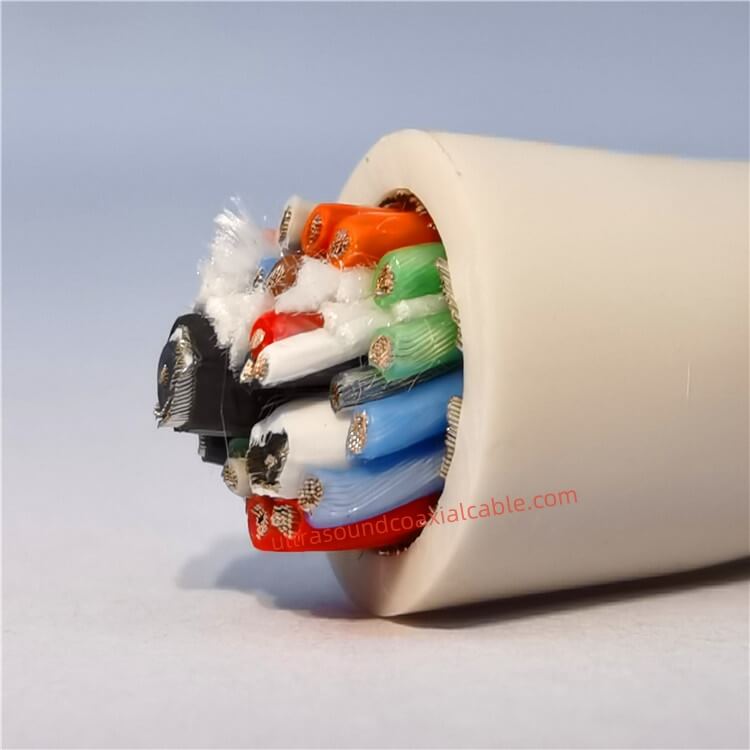
High-Precision 138-Core Medical Ultrasound Coaxial Cables | 0.2mm Ultra-Fine Biocompatible Design for Diagnostic Imaging Product Overview Engineered for advanced medical imaging systems, our 138-Core Medical Ultrasound Probe Coa.
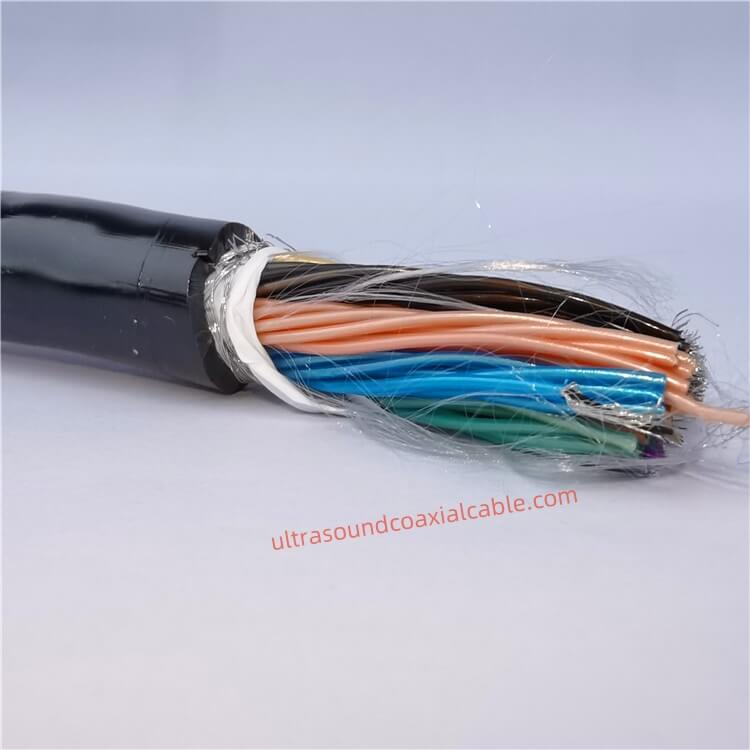
High-Performance Ultrasound Coaxial Cable Assembly: 42AWG to 30AWG, 6.6mm OD, 18GHz Bandwidth Engineered for precision in medical imaging and industrial applications, this customizable coaxial cable assembly delivers exceptional signal.
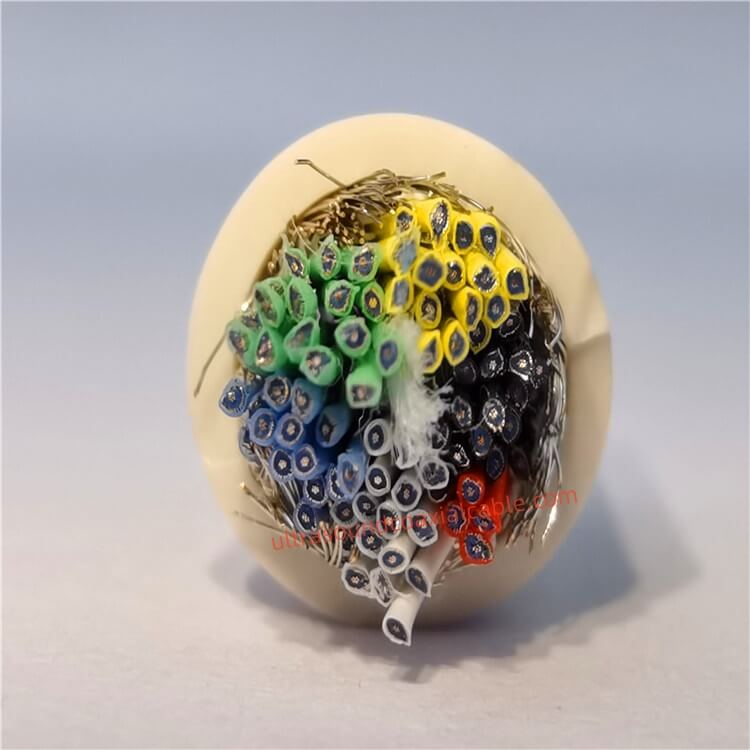
Product OverviewThe Ultrasound Coaxial Cable is a specialized cable engineered to deliver ultra-low signal loss, exceptional shielding, and unmatched durability in critical environments. Designed for medical imaging, industrial testi.
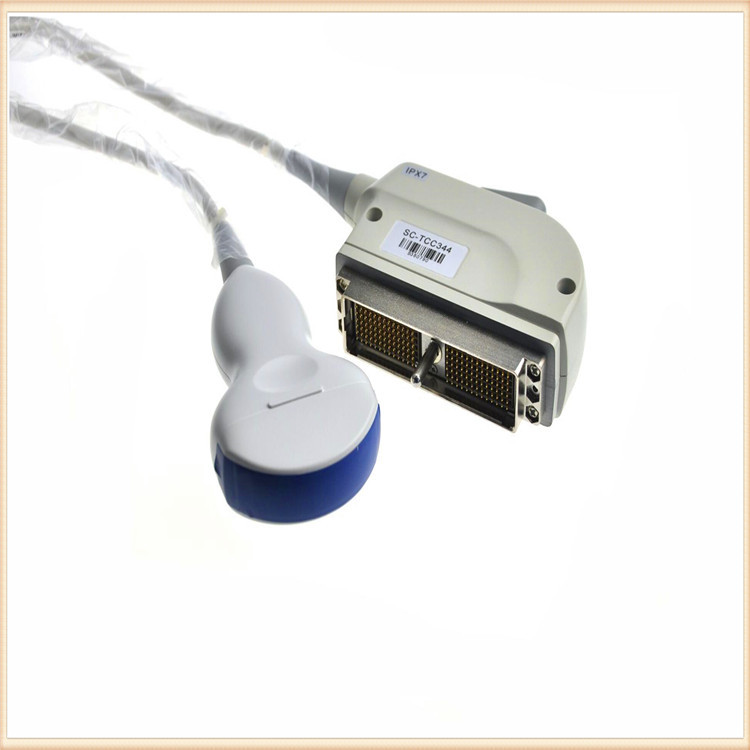
High-Performance Military Ultrasound Coaxial Cables: Built for Extreme Conditions Designed to meet the demanding requirements of military, aerospace, and medical applications, our Military-Grade Ultrasound Coaxial Cables deliver except.
Feel free to reach out to us for any inquiries or orders.