In the high-stakes environments of financial institutions and government agencies, data security is paramount. While significant resources are dedicated to… - Professional Ultrasound Coaxial Cable Solutions
Learn more about, latest news, frequently asked questions
In the high-stakes environments of financial institutions and government agencies, data security is paramount. While significant resources are dedicated to cybersecurity software and network protocols, a critical vulnerability often lies in the physical layer: the coaxial cables carrying sensitive information. These cables, the unassuming arteries of data transmission, can become unintended conduits for data leakage if not properly secured. This article explores the risks and presents robust solutions, highlighting how advanced coaxial cable technologies from forward-thinking manufacturers are essential for comprehensive security.
Data breaches are often depicted as sophisticated digital attacks, but the physical interception of data from cables remains a tangible and frequently underestimated threat. Coaxial cables, widely used for internet data transfer, video distribution, and radio frequency (RF) distribution, are susceptible to two primary risks that can compromise data confidentiality: interception and interference .
Eavesdropping and Interception: Unprotected coaxial cables can be tapped by malicious actors to extract sensitive information. Unlike fiber-optic cables, which use light signals that are extremely difficult to intercept without detection, traditional coaxial cables transmit electrical signals that can be more readily tapped into. Attackers can physically access these cables to eavesdrop on confidential communications, leading to severe data breaches .
Electromagnetic Interference (EMI) and Crosstalk: Coaxial cables emit electromagnetic radiation. This emission can be intercepted by nearby equipment without any physical tampering, a risk known as electromagnetic leakage. Furthermore, when power and communication cables are routed in close proximity, EMI from power lines can degrade signal quality, causing data corruption and creating additional vulnerabilities . This underscores the importance of the ISO 27001:2022 Annex A Control 7.12, which mandates the protection of power and data cables to prevent such compromises to information confidentiality and availability .
The stringent requirements of medical imaging, such as ultrasound equipment, offer a powerful model for secure data transmission in sensitive sectors like finance and government. Ultrasound coaxial cables, or micro-coaxial cables, are engineered for maximum signal integrity and minimal leakage.
Manufacturers like FRS specialize in adapting these high-performance micro-coaxial technologies for critical infrastructure applications, providing an often-overlooked layer of physical security.
The global coaxial cables market, projected to grow from 33.32billionin2024to43.18 billion in 2029, is driven by demand from sectors including telecommunications, military, aerospace, and internet service providers . This growth underscores the continued reliance on coaxial infrastructure, making its security a persistent concern.
Adherence to international standards is a non-negotiable aspect of cable security. Standards such as the European Committee for Electrotechnical Standardization (CENELEC) EN 50117 series provide detailed specifications for coaxial cables used in cabled distribution networks, ensuring performance and safety benchmarks are met . For B2B purchasers, specifying cables that comply with relevant standards like MIL-C-17 for RG series or other regional certifications is a critical step in mitigating risk and ensuring interoperability and reliability .
Securing coaxial cables requires a holistic approach that combines the right products with rigorous physical and operational controls.
For financial and government entities, the integrity of their data is synonymous with their integrity as institutions. While firewalls and encryption are vital, a chain is only as strong as its weakest link. Often, that link is physical. By recognizing the data leakage risks inherent in coaxial cabling and adopting a proactive strategy that incorporates high-security cable products, rigorous physical access controls, and ongoing monitoring, organizations can build a truly resilient defense. Partnering with a trusted manufacturer that understands the unique security challenges of critical networks is not just a procurement decision—it’s a strategic security imperative.
Discover our most popular furniture pieces that are loved by customers worldwide.
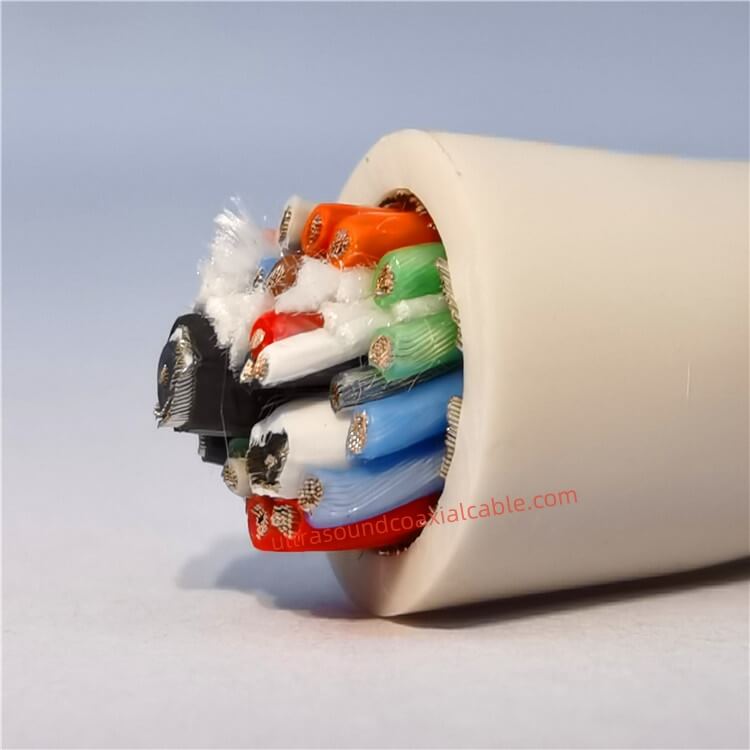
High-Precision 138-Core Medical Ultrasound Coaxial Cables | 0.2mm Ultra-Fine Biocompatible Design for Diagnostic Imaging Product Overview Engineered for advanced medical imaging systems, our 138-Core Medical Ultrasound Probe Coa.
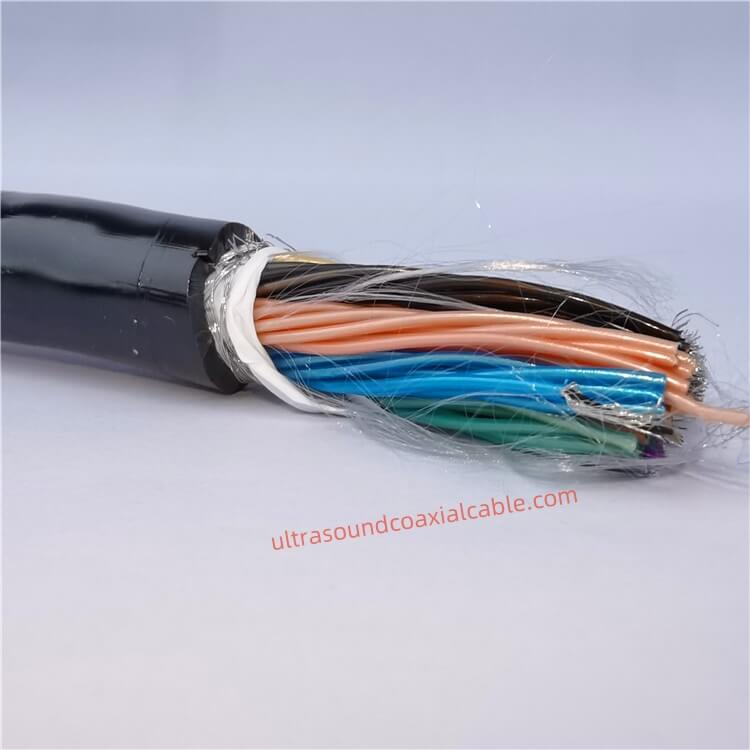
High-Performance Ultrasound Coaxial Cable Assembly: 42AWG to 30AWG, 6.6mm OD, 18GHz Bandwidth Engineered for precision in medical imaging and industrial applications, this customizable coaxial cable assembly delivers exceptional signal.
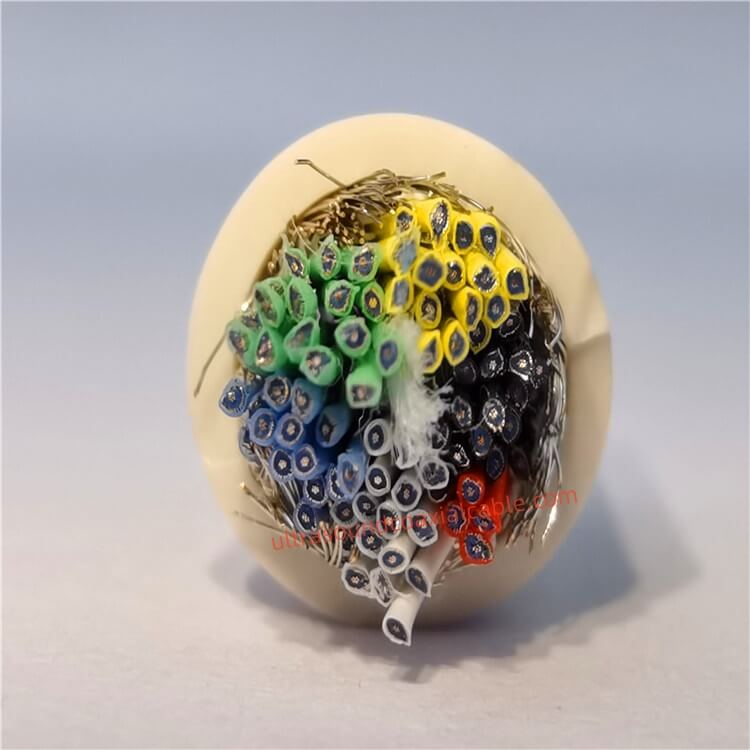
Product OverviewThe Ultrasound Coaxial Cable is a specialized cable engineered to deliver ultra-low signal loss, exceptional shielding, and unmatched durability in critical environments. Designed for medical imaging, industrial testi.
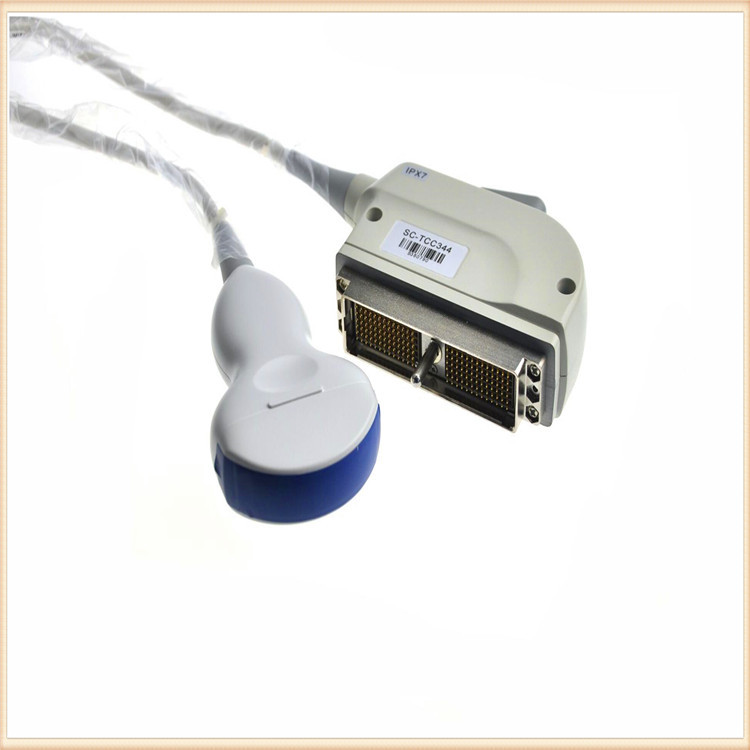
High-Performance Military Ultrasound Coaxial Cables: Built for Extreme Conditions Designed to meet the demanding requirements of military, aerospace, and medical applications, our Military-Grade Ultrasound Coaxial Cables deliver except.
Feel free to reach out to us for any inquiries or orders.