High-Performance Ultrasound Coaxial Cables: The Backbone of Precision Medical Imaging and Industrial Diagnostics In the realm of modern technology—whether advancing… - Professional Ultrasound Coaxial Cable Solutions
Learn more about, latest news, frequently asked questions
High-Performance Ultrasound Coaxial Cables: The Backbone of Precision Medical Imaging and Industrial Diagnostics
In the realm of modern technology—whether advancing medical diagnostics, optimizing industrial inspections, or pushing the boundaries of scientific research—ultrasound systems stand out as indispensable tools. These systems rely on one critical component to deliver accurate, real-time data: ultrasound coaxial cables. Often overshadowed by the more visible transducers or display interfaces, these cables are the unsung heroes that ensure seamless signal transmission, minimal interference, and unwavering reliability. For engineers, medical device manufacturers, and industrial operators, understanding the nuances of ultrasound coaxial cables is key to selecting solutions that align with their performance, durability, and compliance needs.
At their core, ultrasound coaxial cables are specialized transmission lines designed to carry high-frequency electrical signals—typically in the megahertz (MHz) range—used by ultrasound transducers to emit and receive sound waves. Unlike standard coaxial cables, which may prioritize general-purpose connectivity, ultrasound cables are engineered to handle the unique challenges of ultrasonic applications:
To meet these demands, premium ultrasound coaxial cables are constructed with precision-engineered layers, each serving a specific purpose:
The innermost layer, the center conductor, is typically made of high-purity copper (e.g., OFHC—Oxygen-Free High-Conductivity copper) or silver-plated copper. Copper’s low resistivity ensures minimal signal loss, while silver plating further enhances conductivity for high-frequency applications. The conductor’s diameter is carefully chosen: thicker conductors reduce resistance but increase cable stiffness, so engineers balance this based on the target application (e.g., flexible endoscopes vs. stationary industrial probes).
Surrounding the center conductor is a dielectric material—often polytetrafluoroethylene (PTFE) or polyethylene (PE)—that prevents current leakage and maintains consistent impedance (typically 50 or 75 ohms). PTFE, with its low dielectric constant and high thermal stability, is preferred for high-frequency or high-temperature environments, as it minimizes signal distortion and resists melting.
A robust shielding layer is critical for EMI protection. Most ultrasound cables use a dual-shielding design: a braided copper shield (for mechanical flexibility) and a foil shield (for 100% coverage against high-frequency interference). Some premium cables add a second braided shield for extreme environments, such as operating rooms with multiple MRI units.
The outer jacket, often made of polyurethane (PU) or fluoropolymers (FEP), provides mechanical protection against abrasion, chemicals, and moisture. PU is favored for its flexibility and resistance to kinking, making it ideal for portable ultrasound devices used in emergency response. FEP, while less flexible, excels in high-temperature applications (e.g., industrial ultrasound for metal casting).
Ultrasound coaxial cables are not one-size-fits-all. Their design varies based on the end-use environment:
In hospitals and clinics, ultrasound cables connect transducers to imaging consoles. Here, biocompatibility is non-negotiable—cables in contact with patients must meet ISO 10993 standards for cytotoxicity and skin irritation. Additionally, flexibility is key: endoscopic or intraoperative probes require cables that bend repeatedly without breaking. For example, Fetal monitors use low-frequency (2–5 MHz) cables with thin, flexible designs to minimize patient discomfort, while cardiac ultrasound systems (2–4 MHz) prioritize shielding to reduce interference from nearby ECG machines.
Industrial ultrasound systems—used for flaw detection in pipelines, welds, or aircraft components—operate in extreme conditions: high temperatures (up to 200°C), abrasive dust, or corrosive chemicals (e.g., oil and gas refineries). Cables here need thick, chemical-resistant jackets (e.g., PTFE or FEP) and reinforced shielding to withstand vibration and impacts. High-frequency cables (10–70 MHz) are used for micro-ultrasound in electronics manufacturing, where detecting micro-cracks in circuit boards requires minimal signal loss.
In labs, ultrasound is used for materials characterization (e.g., measuring bone density or polymer properties) and biomedical research (e.g., studying cell mechanics). Here, consistency across measurements is paramount. Cables must maintain stable impedance over time and temperature, often requiring calibration certificates to comply with research standards (e.g., ASTM E1065 for ultrasonic testing). Low-loss cables (with attenuation <1 dB/m at 50 MHz) are critical for high-resolution imaging of small samples.
Selecting the right cable involves evaluating several factors to avoid costly downtime or inaccurate data:
When it comes to reliable, high-performance ultrasound coaxial cables, FRS (a leading global manufacturer of precision connectivity solutions) sets the industry benchmark. With over 20 years of expertise in designing custom cables for medical, industrial, and scientific applications, FRS combines cutting-edge materials science with rigorous testing to deliver solutions that exceed expectations.

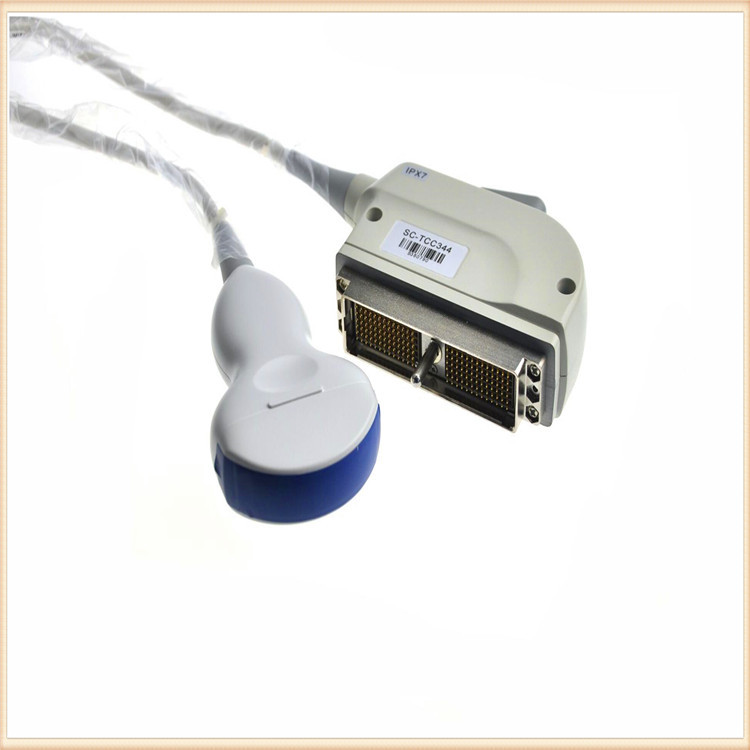
Ultrasound coaxial cables are far more than simple wires—they are precision instruments that directly impact the accuracy, reliability, and usability of ultrasound systems. By understanding their design principles, application-specific requirements, and selection criteria, engineers and medical professionals can choose cables that deliver exceptional performance. For those seeking a trusted partner in custom, high-performance ultrasound coaxial cables, FRS combines technical expertise, material innovation, and uncompromising quality to meet the most demanding challenges. Whether you’re developing the next-generation medical imaging device or upgrading industrial inspection systems, FRS is ready to deliver connectivity solutions that empower your success.
Discover our most popular furniture pieces that are loved by customers worldwide.
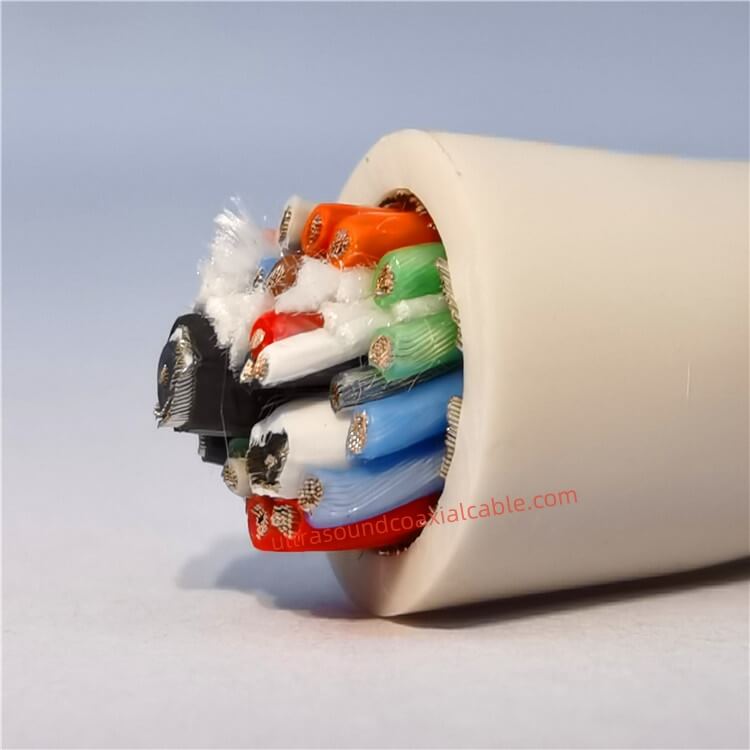
High-Precision 138-Core Medical Ultrasound Coaxial Cables | 0.2mm Ultra-Fine Biocompatible Design for Diagnostic Imaging Product Overview Engineered for advanced medical imaging systems, our 138-Core Medical Ultrasound Probe Coa.

Ultra-Flexible 42AWG Medical-Grade Coaxial Cables for High-Precision Ultrasound Imaging Designed for demanding medical imaging applications, our Ultra-Flexible 42AWG Coaxial Cables deliver exceptional signal integrity, noise reduction,.
High-Performance Flexible Coaxial Cable for Medical Imaging & Ultrasound Systems Designed for demanding applications in medical imaging, industrial diagnostics, and high-frequency signal transmission, this ultra-flexible coaxial ca.
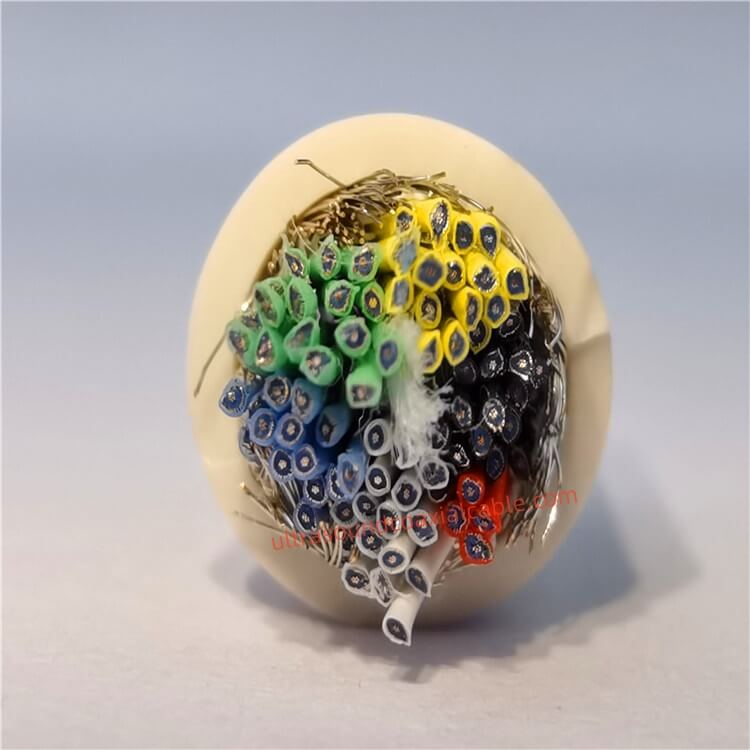
Product OverviewThe Ultrasound Coaxial Cable is a specialized cable engineered to deliver ultra-low signal loss, exceptional shielding, and unmatched durability in critical environments. Designed for medical imaging, industrial testi.
Feel free to reach out to us for any inquiries or orders.