Medical grade ultrasound coaxial cables represent the critical link between ultrasound transducers and imaging systems, serving as the lifeline that… - Professional Ultrasound Coaxial Cable Solutions
Learn more about, latest news, frequently asked questions
Medical grade ultrasound coaxial cables represent the critical link between ultrasound transducers and imaging systems, serving as the lifeline that transmits high-frequency signals essential for diagnostic imaging. These specialized cables are engineered to meet exceptionally stringent performance requirements, ensuring image clarity, diagnostic accuracy, and patient safety in high-resolution ultrasound equipment. The global ultrasound coaxial cable market is experiencing robust growth, driven by technological advancements in medical imaging and the increasing adoption of portable ultrasound devices across healthcare facilities worldwide.
High-resolution ultrasound systems demand coaxial cables with ultra-low signal loss characteristics. Premium medical-grade cables must maintain attenuation below 0.5 dB/m at 50MHz, ensuring minimal signal degradation over transmission distances. This level of performance is achieved through high-purity copper conductors and advanced dielectric materials that preserve signal integrity throughout the cable’s operational lifespan.
Standard 50Ω or 75Ω impedance matching is essential for compatibility with ultrasound probes, transducers, and diagnostic equipment. Modern high-resolution systems require cables capable of handling frequency ranges from 1MHz to 100MHz, with some advanced applications extending into higher frequency bands. Proper impedance matching prevents signal reflections that can degrade image quality and introduce artifacts.
Electromagnetic interference (EMI) and radio frequency interference (RFI) pose significant challenges in medical environments filled with electronic equipment. Medical ultrasound coaxial cables must feature triple-layer shielding combining braided copper, foil, and dielectric insulation to achieve 90%+ shielding efficiency. This multi-layer approach effectively blocks external noise while maintaining signal purity, crucial for accurate diagnostic imaging.
Cables designed for high-resolution ultrasound applications must utilize materials that meet stringent medical standards. Silicone or polyurethane (PUR) outer jackets provide chemical resistance, abrasion resistance, and compatibility with repeated sterilization cycles. Autoclavable options capable of withstanding temperatures up to 135°C are essential for medical applications requiring frequent sterilization.
Medical ultrasound coaxial cables must operate reliably across a wide temperature range, typically from -40°C to +125°C for industrial-grade models. This thermal stability ensures consistent performance during sterilization processes and in various clinical environments. The cables must also resist degradation from exposure to cleaning agents, bodily fluids, and other chemicals commonly encountered in medical settings.
Medical ultrasound coaxial cables must comply with multiple international standards to ensure patient safety and device reliability. Key certifications include ISO 13485 for quality management systems for medical devices, IEC 60601-1 for electrical safety standards for medical equipment, ISO 10993-5 for biocompatibility testing for patient-contact materials, and RoHS and REACH compliance for restricted substance limitations. CE Marking is also essential for European conformity for medical devices.
Leading manufacturers maintain comprehensive quality management systems certified under ISO 9001, IATF 16949, and ISO 14001 standards. These certifications demonstrate a commitment to manufacturing excellence, traceability, and continuous improvement throughout the production process.
The ultrasound coaxial cable market is experiencing significant growth, with the Asia-Pacific region showing particularly strong expansion at approximately 12.5% CAGR. This growth is driven by increasing healthcare infrastructure development, rising prevalence of chronic diseases requiring diagnostic imaging, and technological advancements in medical ultrasound technology.
Medical ultrasound coaxial cables serve multiple critical applications including medical imaging and diagnostics connecting ultrasound probes to consoles for obstetrics, cardiology, oncology, and general diagnostic imaging. These cables must be compatible with leading systems from major manufacturers. Industrial testing and NDT applications require cables for flaw detection in pipelines, aerospace components, and welds, demanding enhanced durability and environmental resistance. Scientific research applications support high-precision signal transfer in acoustic studies, material analysis, and sonar systems where signal integrity is paramount.
Advanced ultrasound coaxial cables incorporate miniaturization technologies, developing ultra-thin cables with diameters as small as 0.2mm for minimally invasive procedures and portable ultrasound devices. These micro-coaxial cables maintain performance while reducing size and weight, enabling more compact and maneuverable probe designs.
Enhanced flexibility through fluoropolymer insulation technologies offers 20% higher flexibility compared to previous generations, addressing ergonomic needs during prolonged examinations. This improved flexibility reduces operator fatigue and enables better probe positioning for optimal imaging results.
Advanced systems now utilize 138-core or higher configurations to support higher resolution imaging capabilities, requiring cables with precise engineering to maintain signal integrity across multiple channels simultaneously.
Selecting the appropriate gauge for medical ultrasound coaxial cables is a critical decision that directly impacts imaging quality, system performance, and diagnostic accuracy. The American Wire Gauge (AWG) specification determines the conductor size, which affects signal attenuation, flexibility, and overall cable performance. In medical ultrasound applications, cables typically range from 30AWG to 48AWG, with 42AWG being the most common standard for modern diagnostic imaging systems.
High-frequency probes (10-20MHz) used in vascular, musculoskeletal, and superficial imaging benefit from 42AWG to 44AWG cables that deliver optimal performance while maintaining flexibility. Low-frequency probes (2-5MHz) for abdominal, cardiac, and obstetric applications benefit from 38AWG to 42AWG conductors that provide lower attenuation over longer cable lengths. Endoscopic and intravascular probes require ultra-thin cables with 44AWG to 48AWG conductors for minimally invasive procedures. Portable and handheld devices require 42AWG to 46AWG cables that balance flexibility with durability for point-of-care applications.
Signal attenuation decreases with larger conductor sizes (lower AWG numbers). For example, 42AWG cables typically show approximately 0.15dB/m attenuation at 1GHz, while 38AWG cables reduce this to about 0.10dB/m, and 30AWG cables achieve approximately 0.05dB/m attenuation at the same frequency. This reduction in signal loss directly translates to improved image quality and diagnostic accuracy.
Multi-layer shielding (foil + braid) provides >90dB EMI protection, crucial for clinical environments with multiple electronic devices. Thinner gauges (44-48AWG) maintain excellent shielding performance through advanced manufacturing techniques that ensure 95%+ coverage, effectively blocking external interference that could compromise diagnostic accuracy.
Premium medical-grade cables utilize silver-plated copper alloy for superior conductivity and corrosion resistance, high-purity copper for lower resistance and minimal signal loss, or tinned copper for enhanced solderability and oxidation protection. These material choices ensure long-term reliability and consistent performance in demanding medical environments.
Fluoropolymer (PFA/PTFE) insulation provides low dielectric constant (2.1) for high-frequency performance, while foam polyethylene reduces capacitance and attenuation. Medical-grade PVC offers flexibility and biocompatibility for patient-contact applications.
Medical-grade polyurethane provides abrasion resistance and chemical resistance, silicone offers extreme flexibility and temperature resistance, and TPU ensures sterilization compatibility and durability. These materials are selected based on specific application requirements and environmental conditions.
For cart-based ultrasound machines with fixed installations, 38AWG to 42AWG cables provide the best balance of performance and durability. These systems benefit from lower attenuation cables that can maintain signal integrity over longer runs without requiring signal boosters, ensuring consistent image quality across the entire imaging depth range.
Handheld and portable devices require 42AWG to 46AWG cables that combine flexibility with reliability. These cables must withstand frequent coiling, uncoiling, and transportation while delivering consistent imaging performance in diverse clinical settings, from emergency departments to remote clinics.
Intraoperative and interventional applications demand 44AWG to 48AWG micro-coaxial cables that enable smaller probe designs for minimally invasive procedures. These ultra-thin cables maintain signal fidelity while navigating through tortuous anatomy, providing critical imaging guidance during complex surgical interventions.
Custom ultrasound cables are designed to provide superior image quality and performance by matching specific system requirements. These cables are engineered with the latest technology and materials, ensuring optimal signal transmission characteristics for each application. Custom solutions allow for precise impedance matching, attenuation control, and shielding optimization that off-the-shelf cables cannot achieve.
Custom cables are designed to withstand the rigors of daily use in medical practice, featuring enhanced construction techniques and premium materials that extend service life and reduce replacement frequency. This durability is particularly important in busy clinical environments where equipment is used continuously throughout the day.
Custom cables are engineered for seamless integration with specific ultrasound machines, ensuring plug-and-play compatibility without signal degradation or performance issues. This compatibility extends across various medical settings, from hospitals and clinics to specialized imaging centers.
FRS medical coaxial cables feature advanced construction with aluminum foil + braid shielding, 50Ω impedance, and copper inner conductors for superior signal transmission. These cables are designed with miniature form factors (0.81mm outer diameter) while maintaining excellent performance characteristics, making them ideal for space-constrained medical applications.
FRS cables operate across a frequency range of 0-3GHz with a voltage rating of 300V and temperature rating of -20°C to +80°C. The PVC jacket provides durability and chemical resistance, while the brass connectors with gold plating ensure reliable connections and long-term performance.
FRS micro coaxial cables are suitable for a wide range of medical applications, including diagnostic imaging, patient monitoring, and medical device connectivity. Their superior shielding and lightweight design make them ideal for applications where space is limited and signal integrity is critical.
Medical coaxial cables must comply with IEC 60966-4-4 standards for radio frequency and coaxial cable assemblies, ensuring proper performance characteristics and safety requirements. These standards define the technical specifications for semi-rigid coaxial cables operating at frequencies up to 6,000 MHz, including multi-channel configurations essential for modern ultrasound systems.
Compliance with IEC 60601 series standards is mandatory for medical electrical equipment, including ultrasound systems and their components. These standards address basic safety and essential performance requirements, electromagnetic compatibility, and specific requirements for various medical device types, ensuring patient safety and device reliability.
The global ultrasound coaxial cable market is projected to continue its strong growth trajectory, driven by increasing demand for diagnostic imaging services, technological advancements in ultrasound technology, and expanding healthcare infrastructure in emerging markets. The Asia-Pacific region is expected to maintain the highest growth rate, supported by rising healthcare expenditure and increasing adoption of advanced medical imaging technologies.
Future developments in ultrasound coaxial cable technology will focus on further miniaturization, improved flexibility, enhanced shielding effectiveness, and higher channel counts to support next-generation ultrasound systems. These advancements will enable higher resolution imaging, improved diagnostic accuracy, and new clinical applications for ultrasound technology.
Medical grade ultrasound coaxial cables are fundamental components that directly impact diagnostic imaging accuracy and patient care. By ensuring optimal signal transmission, maintaining strict compliance with international standards, and incorporating advanced materials and construction techniques, these cables enable healthcare professionals to obtain clear, reliable diagnostic images that support accurate clinical decision-making. As technology continues to evolve, the role of high-performance coaxial cables in medical imaging will only become more critical, driving innovation and improving patient outcomes worldwide.
Discover our most popular furniture pieces that are loved by customers worldwide.
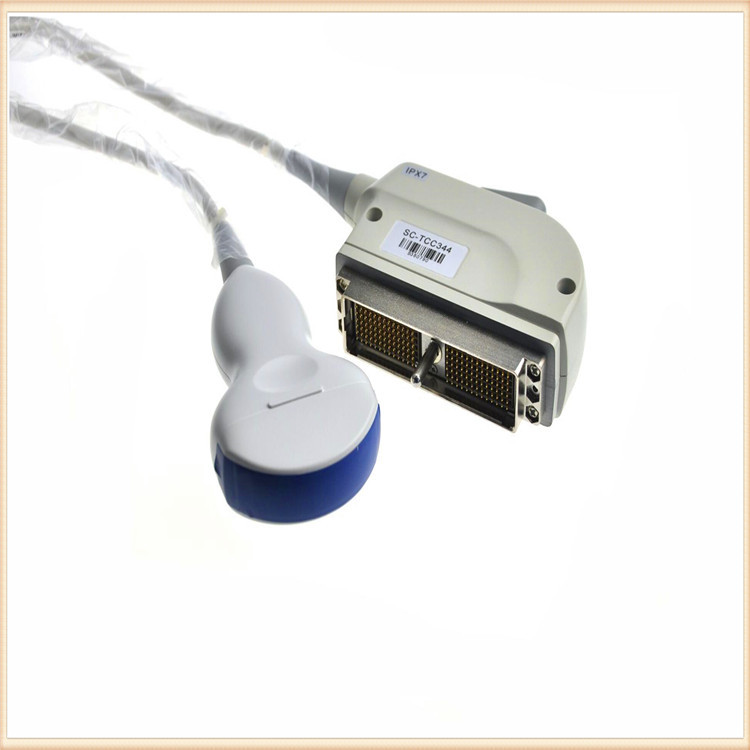
High-Performance Military Ultrasound Coaxial Cables: Built for Extreme Conditions Designed to meet the demanding requirements of military, aerospace, and medical applications, our Military-Grade Ultrasound Coaxial Cables deliver except.
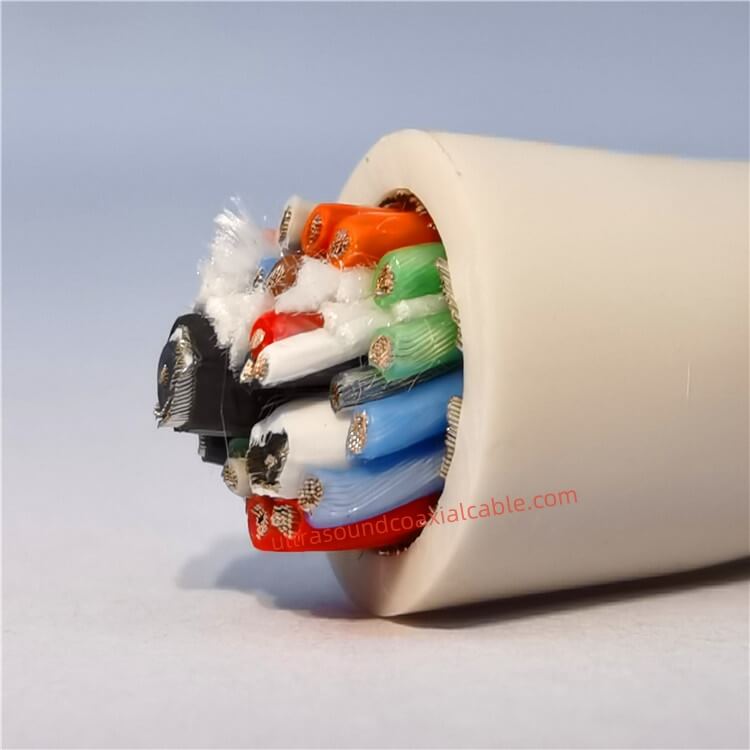
High-Precision 138-Core Medical Ultrasound Coaxial Cables | 0.2mm Ultra-Fine Biocompatible Design for Diagnostic Imaging Product Overview Engineered for advanced medical imaging systems, our 138-Core Medical Ultrasound Probe Coa.
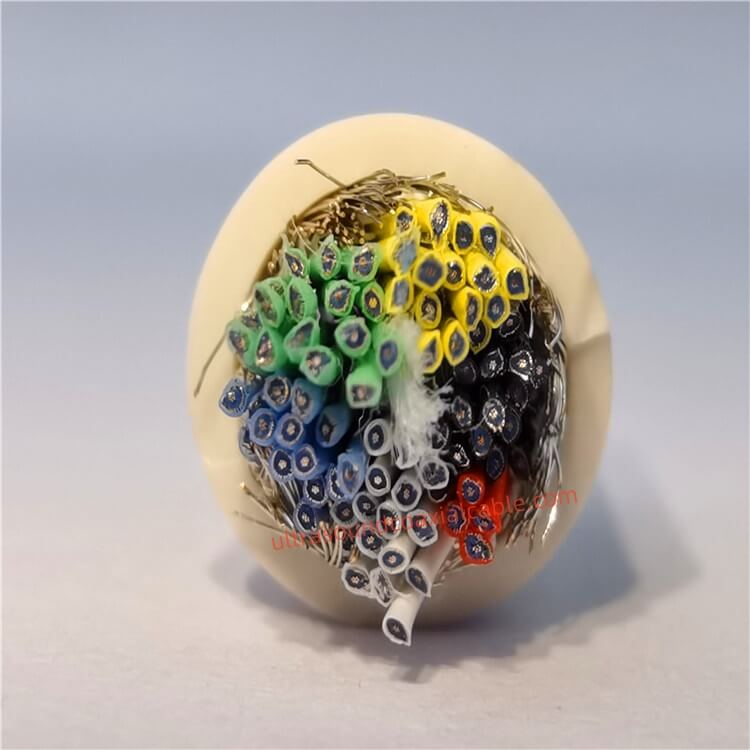
Product OverviewThe Ultrasound Coaxial Cable is a specialized cable engineered to deliver ultra-low signal loss, exceptional shielding, and unmatched durability in critical environments. Designed for medical imaging, industrial testi.
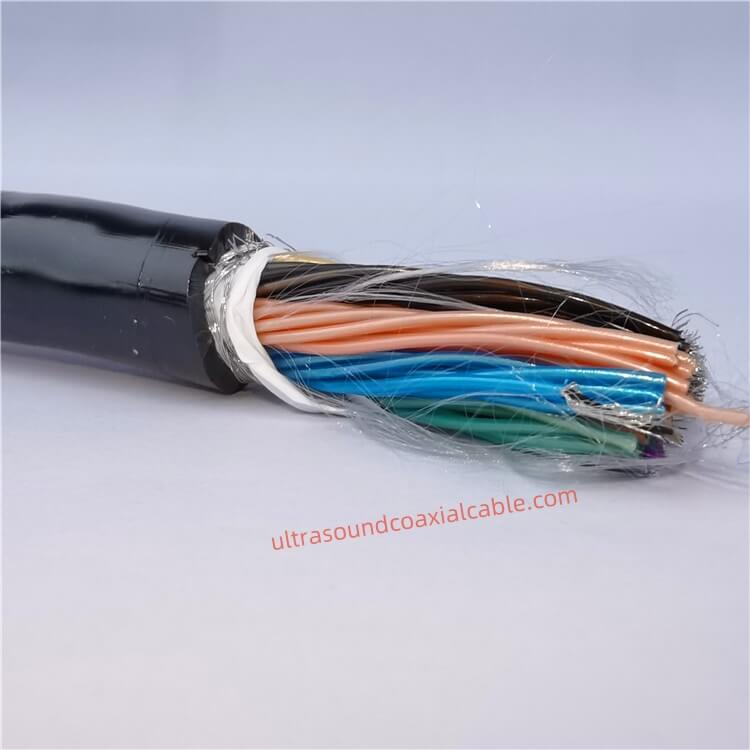
High-Performance Ultrasound Coaxial Cable Assembly: 42AWG to 30AWG, 6.6mm OD, 18GHz Bandwidth Engineered for precision in medical imaging and industrial applications, this customizable coaxial cable assembly delivers exceptional signal.
Feel free to reach out to us for any inquiries or orders.