The evolution of medical imaging is intrinsically linked to the fidelity of the signals that power it. At the heart… - Professional Ultrasound Coaxial Cable Solutions
Learn more about, latest news, frequently asked questions
The evolution of medical imaging is intrinsically linked to the fidelity of the signals that power it. At the heart of this technological leap is the Ultrasound Coaxial Cable, a component that has transformed from a simple conduit into a sophisticated, high-performance lifeline. The critical innovation driving this change is Advanced Shielding. This technology is not merely an incremental improvement; it is a fundamental re-engineering of how medical devices combat environmental noise, ensuring that the subtle echoes used to create life-saving images are transmitted with unprecedented clarity. This article explores how advanced shielding configurations are setting new benchmarks for diagnostic accuracy and operational reliability in modern healthcare.
In the high-stakes environment of medical diagnostics, signal integrity is non-negotiable. Ultrasound systems operate by transmitting high-frequency electrical pulses and receiving minute echoes. Any degradation or interference during this process can result in “ghost images,” reduced resolution, or diagnostic errors.
Modern medical facilities are dense with electronic equipment—from MRI machines and electrosurgical units to wireless communication systems. These devices generate significant Electromagnetic Interference (EMI), which can easily infiltrate poorly shielded cables. Traditional single-layer shielding often leaves gaps or develops micro-fractures over time, creating entry points for noise. Advanced shielding addresses this by creating a hermetic seal around the signal-carrying conductors.
The shift from basic braided shields to multi-layer architectures represents a quantum leap in performance. While a standard braid might offer 60-80 dB of attenuation, advanced configurations combine materials to target different types of interference:
By layering these materials, manufacturers like FRS achieve >100 dB EMI rejection, effectively creating a “Faraday cage” that isolates the signal from the chaotic electromagnetic environment of the operating room .
The global Ultrasound Coaxial Cable Market is projected to grow from USD 52.16 billion in 2025 to USD 94.05 billion by 2032, reflecting a CAGR of 8.78% . This explosive growth is fueled by the increasing adoption of high-resolution imaging in cardiology, radiology, and portable point-of-care devices. As imaging systems become more sophisticated, the demand for cables that can support higher channel counts (up to 256 cores) and higher frequencies (exceeding 200MHz) has intensified. Procurement decisions are no longer based solely on cost but on Total Cost of Ownership (TCO), where superior shielding directly reduces maintenance, downtime, and replacement costs .
For any Ultrasound Coaxial Cable Manufacturer, compliance is the foundation of market entry. Medical-grade cables must adhere to a stringent set of international standards to ensure patient safety and device efficacy:
Leading manufacturers, including FRS, maintain full compliance with these standards, providing comprehensive documentation that simplifies regulatory submissions for medical device OEMs .
Despite technological advances, ultrasound coaxial cables face significant operational challenges that advanced shielding directly addresses.
In crowded clinical settings, traditional cables often suffer from signal-to-noise ratio (SNR) degradation. This can manifest as “snow” on the ultrasound screen or reduced contrast resolution.
FRS Solution: The implementation of 360° Shielding or Quad-Shielding configurations. By providing continuous, gap-free coverage, these designs eliminate vulnerabilities to external noise, ensuring that diagnostic images remain crisp even when used adjacent to other high-power medical equipment .
As ultrasound probes incorporate more elements to achieve higher resolution, cables must pack more conductors into a smaller space. This increases the risk of crosstalk, where signals from one channel leak into another, creating artifacts.
FRS Solution: Advanced dielectric materials and precise impedance control. By optimizing the insulation and maintaining strict 50Ω or 75Ω impedance, FRS cables minimize signal reflections and prevent cross-channel interference, which is critical for multi-core arrays .
Medical cables undergo repeated autoclaving, chemical sterilization, and constant bending. These stresses can cause traditional shields to crack or separate, leading to intermittent failures.
FRS Solution: Flex-Optimized Shielding. Unlike rigid designs, FRS utilizes materials and construction techniques that maintain shielding integrity through hundreds of thousands of flex cycles. This is combined with medical-grade silicone or polyurethane jackets that withstand aggressive sterilization protocols without degrading .
The benefits of advanced shielding are most apparent in specific, demanding use cases:
As a leading Ultrasound Coaxial Cable Manufacturer, FRS has positioned itself at the forefront of shielding technology. Our approach is rooted in a deep understanding of both electrical engineering and clinical workflow.
Core Technical Differentiators:
The revolution in medical imaging is being powered by the wires that connect the probe to the processor. By investing in Advanced Shielding, medical device manufacturers are not just buying a cable; they are investing in diagnostic confidence, patient safety, and the future of healthcare technology.
Discover our most popular furniture pieces that are loved by customers worldwide.
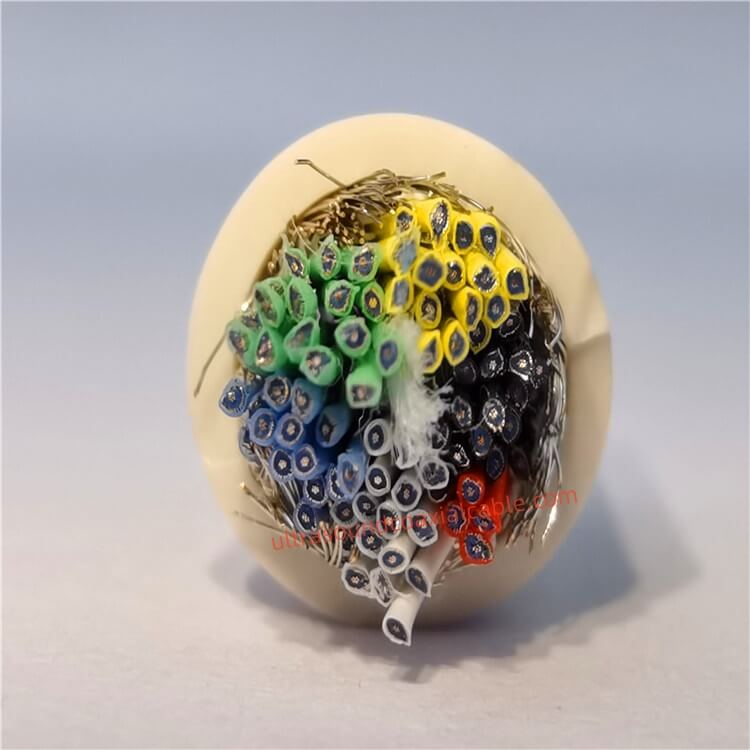
Product OverviewThe Ultrasound Coaxial Cable is a specialized cable engineered to deliver ultra-low signal loss, exceptional shielding, and unmatched durability in critical environments. Designed for medical imaging, industrial testi.

Ultra-Flexible 42AWG Medical-Grade Coaxial Cables for High-Precision Ultrasound Imaging Designed for demanding medical imaging applications, our Ultra-Flexible 42AWG Coaxial Cables deliver exceptional signal integrity, noise reduction,.
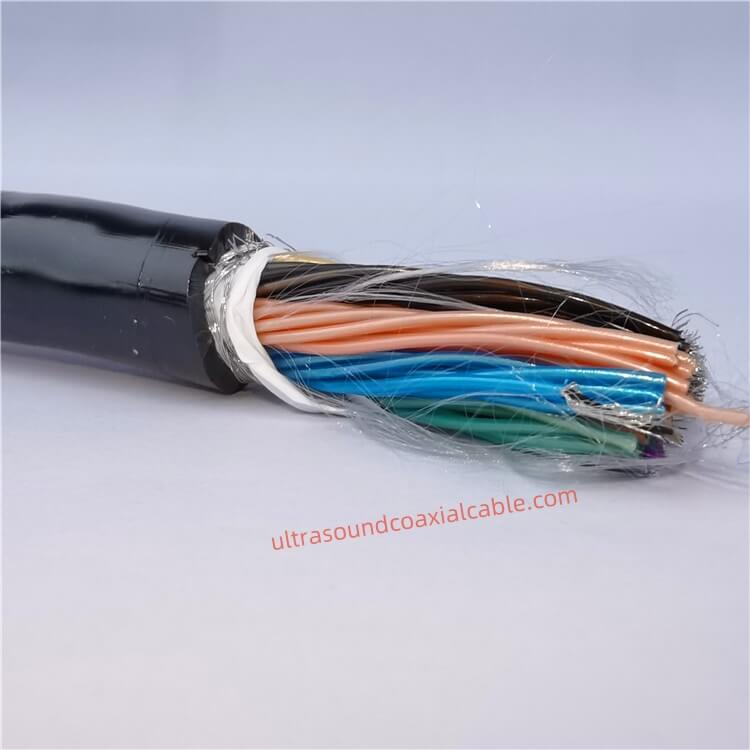
High-Performance Ultrasound Coaxial Cable Assembly: 42AWG to 30AWG, 6.6mm OD, 18GHz Bandwidth Engineered for precision in medical imaging and industrial applications, this customizable coaxial cable assembly delivers exceptional signal.

High-Performance Flexible Coaxial Cable for Medical Imaging & Ultrasound Systems Designed for demanding applications in medical imaging, industrial diagnostics, and high-frequency signal transmission, this ultra-flexible coaxial ca.
Feel free to reach out to us for any inquiries or orders.