The Middle East is undergoing an unprecedented infrastructure transformation, driven by ambitious economic diversification plans and sustained energy sector investments.… - Professional Ultrasound Coaxial Cable Solutions
Learn more about, latest news, frequently asked questions
The Middle East is undergoing an unprecedented infrastructure transformation, driven by ambitious economic diversification plans and sustained energy sector investments. At the heart of this transformation lies a critical yet often overlooked component: coaxial cables that form the nervous system of modern oil and gas monitoring systems. These specialized cables enable the reliable data transmission essential for operational efficiency, safety, and profitability in some of the world’s most challenging environments .
As the region accelerates development of mega-projects like Saudi Arabia’s $110 billion Jafurah gas field and continues to leverage its position as a global energy hub, the demand for robust communication infrastructure has never been greater. Coaxial cables, particularly those engineered for industrial applications, provide the technological backbone that ensures continuous monitoring and control of critical operations from drilling platforms to refineries .
In the demanding environments of oil and gas operations, standard communication cables frequently fail under extreme temperatures, corrosive substances, and electromagnetic interference. Industrial-grade coaxial cables address these challenges through their unique architecture featuring a central conductor surrounded by dielectric insulation, shielding, and a protective outer jacket. This design ensures superior performance in maintaining signal integrity where it matters most .
For oil and gas monitoring applications, coaxial cables serve as the fundamental connectivity solution for Supervisory Control and Data Acquisition (SCADA) systems, transmitting vital operational data from sensors and monitoring equipment to control centers. In offshore drilling platforms in the Arabian Gulf, these cables enable real-time monitoring of pressure, temperature, and flow rates, allowing operators to make data-driven decisions that enhance productivity while ensuring safety compliance .
The expansion of digital twin technology in the region’s energy sector has further elevated the importance of high-performance coaxial solutions. These virtual replicas of physical assets require continuous data flow from countless sensors, necessitating coaxial cables capable of handling high-frequency signals with minimal attenuation. For instance, coaxial cables used in Saudi Aramco’s Ghawar Field expansion project are specifically engineered to maintain signal integrity despite constant vibration from drilling equipment, reducing maintenance downtime by 22% according to recent field studies .
The extreme conditions prevalent in Middle Eastern oil and gas operations demand coaxial cables that exceed standard industrial specifications. Temperatures in the region can exceed 50°C, while offshore applications present additional challenges including saltwater corrosion and high pressure. Consequently, cables deployed in these environments must demonstrate exceptional durability and performance characteristics .
Temperature resilience stands as a primary consideration, with high-quality coaxial cables rated for operational stability from -55°C to 200°C, ensuring reliable performance from scorching desert heat to refrigerated processing facilities. Furthermore, chemical resistance is imperative for cables used in petrochemical plants where exposure to hydrocarbons, hydrogen sulfide, and other corrosive substances is commonplace. Leading manufacturers address this through specialized jacketing materials like polyurethane or fluoropolymers that maintain integrity despite aggressive chemical exposure .
Shielding effectiveness represents another critical specification, with electromagnetic interference (EMI) from heavy machinery potentially disrupting vital monitoring signals. Premium coaxial cables feature multiple shielding layers—often combining braided copper with foil—to achieve shielding effectiveness of 90 dB or higher at frequencies up to 3 GHz. This level of protection ensures signal accuracy for precision monitoring applications, even in electrically noisy environments such as compressor stations or power generation facilities .
For subsea applications, pressure tolerance becomes paramount, with cables required to withstand hydrostatic pressures exceeding 5,000 psi in deep-water installations. The most advanced designs incorporate pressurized gas-injection dielectric systems and reinforced armor to maintain signal integrity under extreme conditions. Recent installations in the North Sea have demonstrated coaxial cables maintaining 98% signal accuracy at 3 GHz despite these challenging conditions .
The critical nature of oil and gas operations necessitates strict adherence to international standards and certifications, particularly in a quality-conscious market like the Middle East. Compliance with these standards not only ensures performance reliability but also facilitates regulatory approval across different jurisdictions in the region .
For fire safety—a paramount concern in hydrocarbon processing—cables must meet stringent flame resistance standards such as IEC 60332-3-24 for vertical flame spread. In confined spaces like offshore platforms and processing facilities, low-smoke zero-halogen (LSZH) jacketing materials are increasingly mandated to minimize toxic fume emission during combustion incidents. These specifications align with the EU’s Construction Products Regulation and similar guidelines emerging across the Gulf Cooperation Council (GCC) states .
Explosion-proof certifications represent another critical requirement for cables deployed in hazardous zones where flammable gases or vapors may be present. ATEX and IECEx certifications validate that coaxial cables can operate safely in these high-risk environments, with specialized designs featuring reinforced shielding and containment systems that prevent ignition sources from escaping the cable structure. A 2024 market analysis indicated that compliance-driven upgrades account for approximately 22% of coaxial cable purchases in the Middle East’s oil refining sector, underscoring the importance of these certifications .
Regional standards also influence cable specifications, with SASO (Saudi Arabian Standards Organization) requirements governing telecommunications equipment across the Kingdom. Similarly, the UAE’s Telecommunications Regulatory Authority (TRA) establishes guidelines that ensure product quality and network reliability. International standards including UL 2277 for hazardous locations and IEC 61158 for industrial networks provide additional performance benchmarks that premium coaxial cables must satisfy .
The Middle Eastern coaxial cable market is experiencing robust growth, anticipated to achieve a CAGR of more than 7.26% through 2030 according to recent analysis. This expansion is fueled by multiple converging factors, with the region’s infrastructure boom serving as the primary catalyst .
Saudi Arabia’s Vision 2030 initiative represents a significant driver, with the Kingdom allocating substantial resources to diversify its economy through investments in telecommunications and digital infrastructure. As part of this vision, coaxial cables have become essential components in the development of advanced monitoring systems for both upstream and downstream operations. The coaxial cable market in Saudi Arabia alone is projected to exceed USD 100 million by 2025-2030, reflecting the scale of this transformation .
The broader adoption of Industry 4.0 principles throughout the region’s energy sector is another key growth factor. Smart oil fields leveraging IoT sensors, automated drilling systems, and real-time analytics require robust connectivity infrastructure that coaxial cables provide. These technologies enable predictive maintenance approaches that minimize downtime while optimizing production output. For example, coaxial-integrated sensor networks in ADNOC’s operations have demonstrated 30% reductions in unplanned downtime through continuous equipment monitoring .
The expansion of 5G infrastructure across the region also stimulates demand for coaxial solutions that support high-frequency data transmission. While fiber optics gain prominence for backbone networks, coaxial cables remain indispensable for last-mile connectivity in hybrid fiber-coaxial (HFC) architectures. This is particularly relevant for remote oil fields where communication infrastructure must be deployed rapidly and cost-effectively .
Ultrasound technology has emerged as a critical diagnostic and monitoring tool in the oil and gas industry, with applications ranging from corrosion detection to flow measurement. These advanced systems require specialized coaxial cables capable of transmitting high-frequency signals with exceptional accuracy and minimal interference .
Ultrasound coaxial cables are engineered to maintain stable electrical characteristics under mechanical stress and temperature variations that would degrade standard cables. This consistency is vital for non-destructive testing (NDT) applications where technicians rely on ultrasonic thickness gauges to assess pipeline integrity. Even minor signal distortions can lead to inaccurate measurements with significant safety implications in critical infrastructure .
The FRS UltraShield series exemplifies the technological advancements in this niche, featuring dual-layer shielding with 95% coverage efficiency to protect against electromagnetic interference from high-voltage equipment. These cables maintain a precise 50-ohm impedance with VSWR below 1.5:1 up to 6 GHz, ensuring accurate signal transmission for ultrasonic flaw detection systems used in refinery maintenance programs .
For subsea inspection applications, specialized ultrasound coaxial cables with polyurethane jackets resist seawater penetration while maintaining flexibility for deployment from remotely operated vehicles (ROVs). These cables undergo rigorous testing to validate performance at depths exceeding 3,000 meters, supporting the region’s expanding offshore operations in the Arabian Gulf and Red Sea .
The extreme operating conditions characteristic of Middle Eastern oil and gas operations present distinct challenges that demand engineered solutions rather than standard offerings. Leading manufacturers have responded with specialized coaxial cables that target these specific pain points .
Temperature resilience remains a primary concern, with surface temperatures in desert operations frequently exceeding 60°C. Standard coaxial cables experience significant signal degradation under such thermal stress, but radiation-crosslinked polyethylene insulation in premium offerings maintains stable dielectric properties across a -55°C to 200°C range. This thermal stability ensures consistent monitoring data during the region’s extreme summer conditions when cooling systems operate at maximum capacity .
Chemical and corrosion resistance is equally critical, particularly in sour gas applications containing hydrogen sulfide. The FRS ChemiShield series addresses this challenge through PTFE-based jacketing that resists degradation from hydrocarbons, acids, and alkaline substances while maintaining flexibility across the temperature spectrum. This specialized construction has demonstrated a 40% longer operational lifespan compared to conventional PVC variants in aggressive chemical environments .
Mechanical durability represents another key consideration, with cables in drilling operations subjected to constant vibration, flexion, and occasional impact. Corrugated coaxial cables with helical copper shielding and reinforced strain relief provide the necessary robustness while maintaining signal integrity. These designs withstand 10+ million bend cycles without performance degradation, making them ideal for applications on rotating equipment and robotic inspection systems .
A recent project at a major gas processing facility in Qatar demonstrates the critical importance of coaxial cable selection in modern oil and gas operations. The facility embarked on a digital transformation initiative to enhance monitoring capabilities across its processing trains, requiring installation of over 25 kilometers of coaxial cabling to connect hundreds of sensors to centralized control systems .
The implementation faced multiple challenges, including temperature extremes from 5°C to 55°C, potential exposure to hydrocarbon vapors, and substantial electromagnetic interference from high-voltage compression equipment. After evaluating multiple options, the project team selected FRS SiteLine Industrial Coaxial Cables with triple-layer shielding and LSZH jacketing for their balanced performance across all critical parameters .
During the installation, specialized connectors with environmental sealing provided ingress protection against dust and moisture, while the cables’ flexibility simplified routing through congested cable trays. The LSZH jacketing offered crucial safety benefits in confined electrical rooms, aligning with the facility’s stringent fire safety protocols. Most importantly, the cables’ stable impedance (50±1Ω) and low attenuation (0.15 dB/m at 3 GHz) ensured signal integrity from remote sensors to control systems up to 500 meters away .
Post-implementation analysis revealed a 30% improvement in data transmission reliability compared to the previous infrastructure, enabling more accurate flow calculations and composition analysis. The enhanced monitoring capabilities supported predictive maintenance strategies that reduced unplanned downtime by 18% in the first year of operation, delivering a complete return on investment within ten months .
As Middle Eastern energy companies continue to invest in digitalization, the role of coaxial cables in monitoring applications will only expand. The transition toward smart fields with extensive sensor networks and edge computing capabilities requires communication infrastructure that balances performance, durability, and cost-effectiveness—a combination that coaxial cables are uniquely positioned to provide .
Emerging technologies such as digital twin implementations create new demands for real-time data transmission that next-generation coaxial cables are engineered to meet. These virtual replicas of physical assets require continuous data streams from countless monitoring points, necessitating cables capable of handling increased bandwidth while maintaining signal integrity. The most advanced coaxial designs now incorporate embedded sensors that monitor cable health alongside data transmission, providing early warning of potential failures before they impact operations .
The expansion of subsea operations in the region’s offshore fields presents another growth vector for specialized coaxial solutions. As drilling moves into deeper waters, cables must withstand increasing pressures while transmitting power and data to wellhead equipment. New designs featuring pressurized dielectric systems and composite armoring address these challenges, supporting the region’s strategic shift toward offshore gas exploration and production .
With the Middle East maintaining its position as a global energy hub while pursuing ambitious economic diversification goals, coaxial cables will continue to serve as critical enablers of the technological transformation sweeping the region’s oil and gas sector. By selecting cables that meet the specific demands of these challenging applications, operators can ensure the reliability, safety, and efficiency of their monitoring systems for years to come .
Discover our most popular furniture pieces that are loved by customers worldwide.

Ultra-Flexible 42AWG Medical-Grade Coaxial Cables for High-Precision Ultrasound Imaging Designed for demanding medical imaging applications, our Ultra-Flexible 42AWG Coaxial Cables deliver exceptional signal integrity, noise reduction,.

High-Performance Flexible Coaxial Cable for Medical Imaging & Ultrasound Systems Designed for demanding applications in medical imaging, industrial diagnostics, and high-frequency signal transmission, this ultra-flexible coaxial ca.
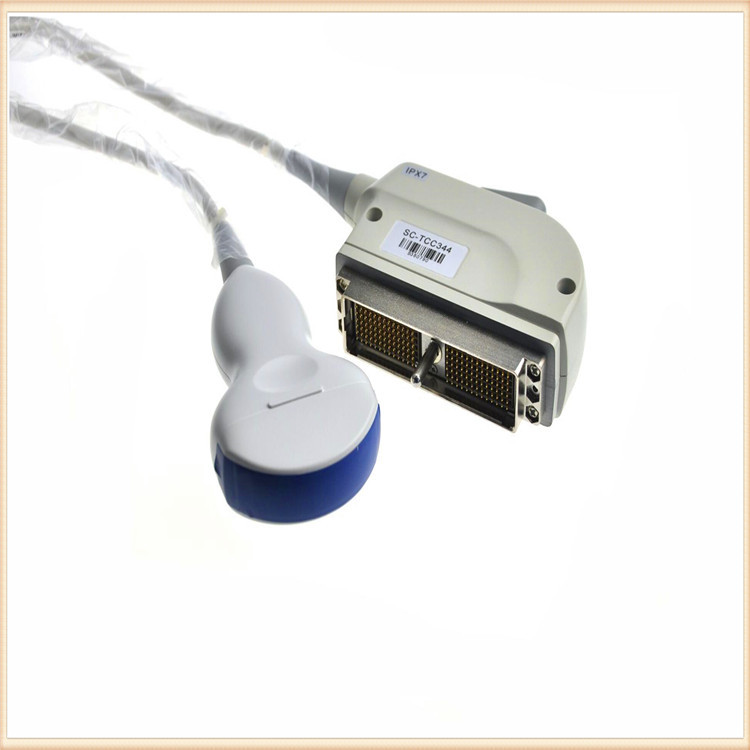
High-Performance Military Ultrasound Coaxial Cables: Built for Extreme Conditions Designed to meet the demanding requirements of military, aerospace, and medical applications, our Military-Grade Ultrasound Coaxial Cables deliver except.
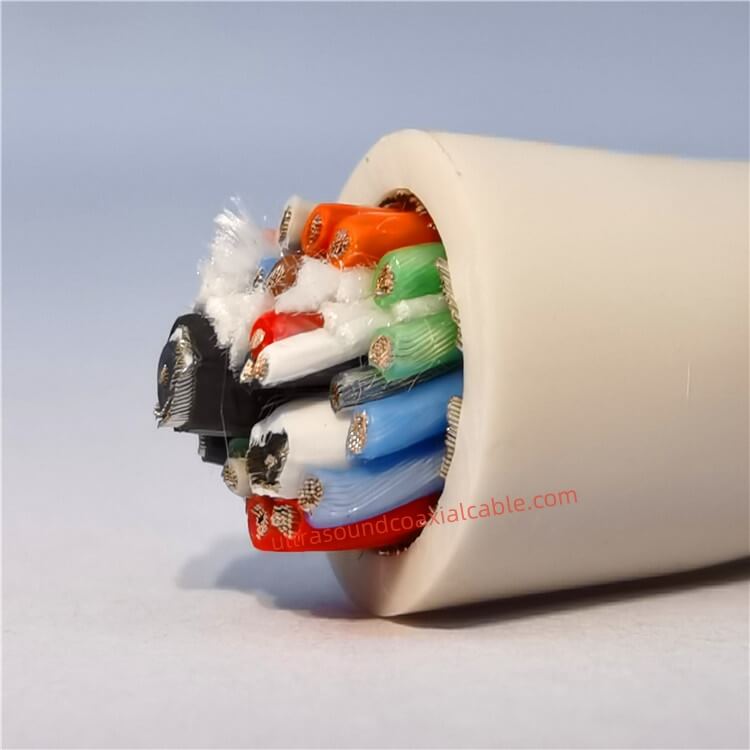
High-Precision 138-Core Medical Ultrasound Coaxial Cables | 0.2mm Ultra-Fine Biocompatible Design for Diagnostic Imaging Product Overview Engineered for advanced medical imaging systems, our 138-Core Medical Ultrasound Probe Coa.
Feel free to reach out to us for any inquiries or orders.