Introduction and Executive Summary Medical grade ultrasound coaxial cables represent the critical transmission pathway between ultrasound transducers and imaging systems,… - Professional Ultrasound Coaxial Cable Solutions
Learn more about, latest news, frequently asked questions
Medical grade ultrasound coaxial cables represent the critical transmission pathway between ultrasound transducers and imaging systems, serving as the lifeline for high-frequency signal transfer in diagnostic imaging. The global ultrasound coaxial cable market is experiencing robust growth, currently valued at approximately 500millionin2025andprojectedtoreach850 million by 2033 with a 7% CAGR, driven by increasing demand for high-quality medical imaging equipment and technological advancements in ultrasound technology.
Selecting the right ultrasound coaxial cable requires careful consideration of multiple technical parameters, regulatory compliance, and application-specific requirements. This comprehensive guide provides expert insights into the key factors that medical device manufacturers, healthcare providers, and procurement professionals must evaluate when choosing medical grade ultrasound coaxial cables for their systems.
The ultrasound coaxial cable market is characterized by steady growth across multiple regions and applications. North America currently leads the market, driven by advanced healthcare infrastructure and significant investments in medical technology. However, the Asia-Pacific region shows the strongest growth potential, with a projected CAGR of 12.5%, fueled by healthcare infrastructure expansion in countries like China, Japan, and South Korea.
The market is moderately concentrated, with key players including I-PEX, Junkosha, and Times Microwave Systems holding significant market share. However, specialized manufacturers like FRS have established strong positions through technological innovation and comprehensive quality certifications. The top five manufacturers capture approximately 40% of global revenue, indicating a competitive landscape with opportunities for specialized providers.
High-resolution ultrasound systems demand coaxial cables with ultra-low signal loss characteristics. Premium medical-grade cables must maintain attenuation below 0.5 dB/m at 50MHz to ensure minimal signal degradation over transmission distances. This level of performance is achieved through high-purity copper conductors and advanced dielectric materials that preserve signal integrity throughout the cable’s operational lifespan.
Standard 50Ω or 75Ω impedance matching is essential for compatibility with ultrasound probes, transducers, and diagnostic equipment. Modern high-resolution systems require cables capable of handling frequency ranges from 1MHz to 100MHz, with some advanced applications extending into higher frequency bands. Proper impedance matching prevents signal reflections that can degrade image quality and introduce artifacts, making this a critical specification for medical imaging applications.
Electromagnetic interference (EMI) and radio frequency interference (RFI) pose significant challenges in medical environments filled with electronic equipment. Medical ultrasound coaxial cables must feature triple-layer shielding combining braided copper, foil, and dielectric insulation to achieve 90%+ shielding efficiency. This multi-layer approach effectively blocks external noise while maintaining signal purity, crucial for accurate diagnostic imaging.
Cables designed for high-resolution ultrasound applications must utilize materials that meet stringent medical standards. Silicone or polyurethane (PUR) outer jackets provide chemical resistance, abrasion resistance, and compatibility with repeated sterilization cycles. Autoclavable options capable of withstanding temperatures up to 135°C are essential for medical applications requiring frequent sterilization.
Medical ultrasound coaxial cables must operate reliably across a wide temperature range, typically from -40°C to +125°C for industrial-grade models. This thermal stability ensures consistent performance during sterilization processes and in various clinical environments. The cables must also resist degradation from exposure to cleaning agents, bodily fluids, and other chemicals commonly encountered in medical settings.
High flexibility is a critical requirement for ultrasound coaxial cables, as they must withstand frequent bending and movement during clinical procedures. Advanced fluoropolymer insulation technologies offer 20% higher flexibility compared to previous generations, addressing ergonomic needs during prolonged examinations. This enhanced flexibility reduces operator fatigue while maintaining signal integrity.
Medical ultrasound coaxial cables must comply with multiple international standards to ensure patient safety and device reliability. Key certifications include ISO 13485 for quality management systems for medical devices, IEC 60601-1 for electrical safety standards for medical equipment, and ISO 10993-5 for biocompatibility testing for patient-contact materials.
Manufacturers must also adhere to RoHS and REACH regulations for restricted substance limitations, ensuring that cables do not contain hazardous materials. CE Marking is essential for European market access, demonstrating conformity with medical device regulations.
Leading manufacturers like FRS maintain comprehensive quality management systems certified under ISO 9001, IATF 16949, and ISO 14001 standards. These certifications demonstrate a commitment to manufacturing excellence, traceability, and continuous improvement throughout the production process.
Medical ultrasound coaxial cables are essential for connecting ultrasound probes to consoles in various medical specialties. In cardiology, they must be compatible with 256-element phased array probes for detailed cardiac imaging, requiring cables with silver-plated conductors for optimal high-frequency response in Doppler measurements. Obstetrics and gynecology applications demand cables that support high-resolution imaging for fetal monitoring and gynecological examinations, with designs optimized for frequent movement and sterilization.
The market for portable ultrasound devices is experiencing 12% annual growth, driving demand for lightweight, flexible cables with small bend radii. These compact systems often utilize micro-coaxial designs with 42AWG-46AWG conductors that minimize weight while maintaining transmission quality. FRS has developed specialized solutions for portable applications, offering cables that combine high flexibility with excellent signal integrity.
Beyond medical imaging, ultrasound coaxial cables serve critical roles in non-destructive testing (NDT), transmitting ultrasound signals for flaw detection in pipelines, aerospace components, and welds. These applications require ruggedized designs that withstand harsh industrial environments while maintaining signal integrity. Scientific research applications demand high-precision signal transfer in acoustic studies, material analysis, and sonar systems, where phase-stable performance is essential for accurate measurements.
Advanced ultrasound coaxial cables incorporate several key innovations that differentiate premium products from standard offerings. Miniaturization has led to the development of ultra-thin cables with diameters as small as 0.2mm for minimally invasive procedures and portable ultrasound devices. These micro-coaxial cables maintain performance while reducing size and weight, enabling more compact and ergonomic device designs.
Advanced ultrasound systems now utilize 138-core or higher configurations to support higher resolution imaging capabilities. These high channel count systems require cables with precise impedance control and minimal crosstalk between adjacent conductors. FRS has developed specialized manufacturing processes to ensure consistent performance across all channels, enabling manufacturers to achieve superior image quality.
Leading manufacturers offer extensive customization options to meet specific application requirements. This includes full-parameter customization of impedance matching, shielding performance, connector types, and mechanical properties. FRS provides comprehensive engineering support to help customers optimize cable designs for their specific applications, reducing development time and ensuring optimal system performance.
When selecting medical grade ultrasound coaxial cables, procurement professionals must evaluate several critical performance parameters. Attenuation characteristics at the operating frequency range should be the primary consideration, as this directly impacts image quality. Impedance matching and VSWR (Voltage Standing Wave Ratio) specifications determine how efficiently signals are transmitted without reflections. Shielding effectiveness and crosstalk performance are crucial for maintaining signal integrity in electromagnetically noisy environments.
The mechanical properties of the cable must align with the application’s operational demands. Flexibility, bend radius, and minimum bend cycles determine how the cable will perform during repeated use. Environmental factors such as temperature range, chemical resistance, and sterilization compatibility must be evaluated based on the intended use case. For medical applications, biocompatibility and resistance to cleaning agents are essential considerations.
Procurement decisions should prioritize cables that carry the necessary certifications for the target markets. ISO 13485 certification demonstrates compliance with medical device quality management standards, while IEC 60601-1 ensures electrical safety. CE Marking is essential for European market access, and FDA 510(k) clearance may be required for certain medical device components.
While initial purchase price is important, procurement professionals should consider the total cost of ownership, including reliability, mean time between failures (MTBF), and maintenance requirements. Premium cables from manufacturers like FRS may have higher upfront costs but offer superior longevity and reduced downtime, resulting in lower total cost over the product lifecycle.
One of the most common issues with ultrasound coaxial cables is signal degradation leading to image artifacts. This can result from improper impedance matching, inadequate shielding, or poor connector quality. The solution involves selecting cables with precise 50Ω or 75Ω impedance matching, multi-layer shielding configurations, and high-quality connectors that maintain consistent performance over time.
Frequent bending, twisting, and pulling can lead to mechanical failure in cables not designed for high-flex applications. This is particularly problematic in portable ultrasound devices and procedures requiring extensive probe manipulation. The solution is to choose cables specifically engineered for high flexibility, with advanced insulation materials and strain relief features that distribute mechanical stress evenly.
Medical ultrasound coaxial cables must withstand repeated sterilization cycles without degradation. Some cables may develop cracks, discoloration, or reduced flexibility after multiple sterilization cycles. The solution is to select cables with medical-grade materials specifically designed for autoclaving or chemical sterilization, with temperature resistance up to 135°C and chemical resistance to common sterilization agents.
In crowded medical environments with multiple electronic devices, electromagnetic interference can compromise image quality. Cables with insufficient shielding may pick up noise from nearby equipment, leading to degraded signal quality. The solution is to use cables with triple-layer shielding (braid, foil, and dielectric) that provide 90%+ shielding efficiency, effectively blocking external noise while maintaining signal purity.
The integration of artificial intelligence with ultrasound technology is driving demand for smart cables with embedded sensors for real-time data analytics. These advanced cables can monitor signal integrity, temperature, and strain during operation, providing valuable diagnostic information and predictive maintenance capabilities. FRS is at the forefront of this innovation, developing next-generation cables with integrated sensing capabilities.
Environmental considerations are becoming increasingly important in medical device manufacturing. The industry is moving toward recyclable materials and sustainable manufacturing processes to meet eco-regulations and reduce environmental impact. Manufacturers are developing cables with reduced hazardous substances and improved recyclability while maintaining performance standards.
The trend toward smaller, more portable medical devices continues to drive demand for miniaturized cables. Ultra-thin cables with diameters as small as 0.2mm are being developed for minimally invasive procedures and compact medical devices. These micro-coaxial cables must maintain performance while reducing size and weight, enabling new applications in point-of-care diagnostics and remote healthcare.
The demand for higher resolution imaging is pushing ultrasound systems into higher frequency ranges. Future applications will require cables capable of supporting 4K and 8K ultrasound imaging, with bandwidth extending into the gigahertz range. This requires advanced materials and manufacturing techniques to maintain signal integrity at these elevated frequencies.
Medical device manufacturers should evaluate potential cable suppliers based on several key criteria. Technical expertise and engineering support capabilities are essential for developing customized solutions. Manufacturing capabilities, including quality control processes and production capacity, determine the supplier’s ability to deliver consistent quality at scale. Regulatory compliance and certification status ensure that the supplier can support global market access requirements.
The global nature of the medical device industry requires robust supply chain management. Manufacturers should prioritize suppliers with multiple manufacturing locations and redundant supply chains to mitigate geopolitical and logistical risks. FRS maintains production facilities in strategic locations worldwide, ensuring reliable supply even during disruptions.
Successful medical device development requires long-term partnerships between device manufacturers and component suppliers. Close collaboration during the design phase can optimize system performance and reduce time to market. FRS offers comprehensive engineering support, working closely with customers to develop cable solutions that meet their specific requirements and performance targets.
Selecting the right medical grade ultrasound coaxial cable is a critical decision that directly impacts diagnostic accuracy, patient safety, and operational efficiency. By understanding the technical requirements, regulatory landscape, and application-specific needs, medical device manufacturers and healthcare providers can make informed decisions that optimize system performance and ensure long-term reliability. The global ultrasound coaxial cable market offers substantial growth opportunities, driven by technological advancements and increasing healthcare demand worldwide.
As the industry continues to evolve, manufacturers like FRS are positioned to lead the way with innovative solutions that address the complex challenges of modern medical imaging. By focusing on quality, performance, and customer collaboration, these specialized manufacturers are helping to shape the future of healthcare diagnostics through advanced ultrasound coaxial cable technology.
Discover our most popular furniture pieces that are loved by customers worldwide.
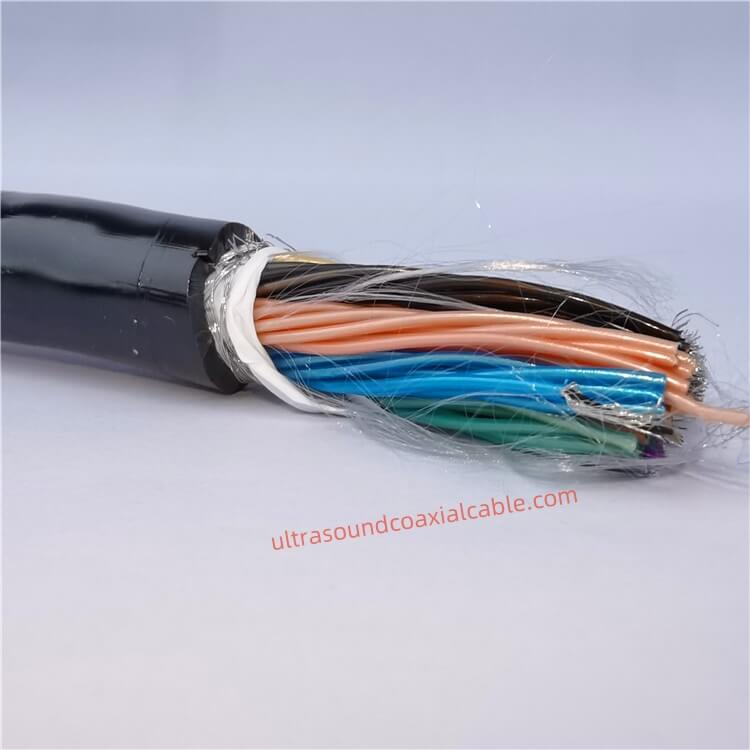
High-Performance Ultrasound Coaxial Cable Assembly: 42AWG to 30AWG, 6.6mm OD, 18GHz Bandwidth Engineered for precision in medical imaging and industrial applications, this customizable coaxial cable assembly delivers exceptional signal.

Ultra-Flexible 42AWG Medical-Grade Coaxial Cables for High-Precision Ultrasound Imaging Designed for demanding medical imaging applications, our Ultra-Flexible 42AWG Coaxial Cables deliver exceptional signal integrity, noise reduction,.
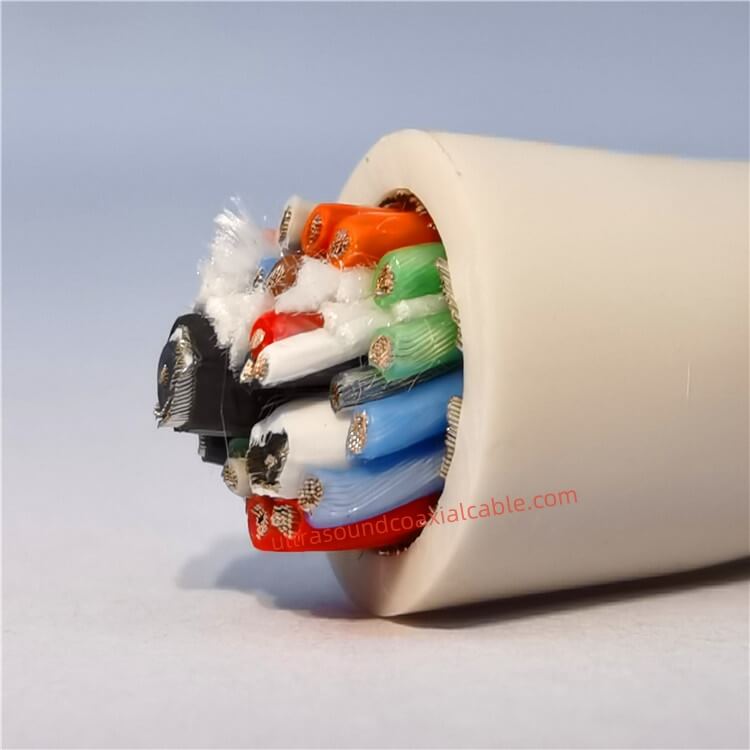
High-Precision 138-Core Medical Ultrasound Coaxial Cables | 0.2mm Ultra-Fine Biocompatible Design for Diagnostic Imaging Product Overview Engineered for advanced medical imaging systems, our 138-Core Medical Ultrasound Probe Coa.

High-Performance Flexible Coaxial Cable for Medical Imaging & Ultrasound Systems Designed for demanding applications in medical imaging, industrial diagnostics, and high-frequency signal transmission, this ultra-flexible coaxial ca.
Feel free to reach out to us for any inquiries or orders.