The Latin American healthcare sector is undergoing a remarkable transformation, driven by increased government funding, technological advancement, and a growing… - Professional Ultrasound Coaxial Cable Solutions
Learn more about, latest news, frequently asked questions
The Latin American healthcare sector is undergoing a remarkable transformation, driven by increased government funding, technological advancement, and a growing emphasis on diagnostic capabilities. At the heart of this medical imaging revolution lies a critical yet often overlooked component: the ultrasound coaxial cable. As the region’s ultrasound market is projected to grow at a CAGR of 5.1% from 2024 to 2033, the demand for high-performance coaxial cables that ensure precise signal transmission is accelerating in tandem . These specialized cables are not mere accessories; they are the vital link determining image clarity, diagnostic accuracy, and the overall reliability of ultrasound systems in diverse clinical environments.
The adoption of ultrasound coaxial cables in Latin America is fueled by a confluence of powerful factors. The rising prevalence of chronic diseases necessitates frequent diagnostic imaging, pushing healthcare providers to invest in advanced ultrasound systems . Furthermore, governments across the region are actively modernizing healthcare infrastructure. Initiatives like Brazil’s “Mothers Network Program,” which installed 3,800 new ultrasound units, directly create demand for reliable coaxial cables that meet international performance standards .
A significant trend is the shift towards portability. The downsizing of ultrasound devices to handheld, point-of-care units solves storage issues and improves efficiency in clinics and remote areas. These portable devices rely on ultrathin, flexible coaxial cables that minimize signal loss while reducing weight and size. The market for portable ultrasound devices has seen growth, driven by demand in emergency and rural care settings where traditional systems are impractical . This evolution demands cables that are not only high-performing but also exceptionally durable to withstand the rigors of mobile healthcare delivery.
The market landscape features a competitive environment with established players like GE Healthcare, Siemens Healthineers, and TE Connectivity dominating through advanced R&D and vertical integration . These industry leaders set the benchmark for quality. For B2B buyers, partnering with a supplier whose manufacturing and testing protocols meet these high standards is crucial for ensuring system integrity and long-term value.
In the medical device sector, compliance with stringent regulatory standards is a non-negotiable barrier to entry and a key indicator of product quality. Ultrasound coaxial cables must adhere to a complex framework of international and regional certifications to ensure patient safety and device efficacy.
Globally recognized standards such as IEC 60601-1 for electrical safety and ISO 10993 for biocompatibility of materials are fundamental . Cables must also demonstrate electromagnetic compatibility (EMC) to prevent interference with other sensitive hospital equipment. The evolving EU Medical Device Regulation (MDR) has further raised the bar, requiring rigorous clinical evaluations and proof of performance under repeated sterilization cycles . These regulations compel manufacturers to use superior materials like medical-grade silicone or polyurethane and to implement advanced shielding technologies to achieve signal attenuation levels exceeding 90 dB .
In Latin America, countries often blend these international standards with local requirements. For instance, China’s NMPA requires compliance with GB 9706.1-2020 for electrical safety . While adapting to these regional nuances can be complex, it is essential for market access. For OEMs and healthcare providers, specifying cables from a manufacturer with a proven track record of navigating this regulatory landscape, such as FRS, mitigates risk and accelerates time-to-market for new medical systems. Certifications are not just paperwork; they are a promise of reliability, safety, and performance that protects both the end-patient and the brand reputation of the equipment manufacturer.
The critical role of ultrasound coaxial cables is evident across a wide spectrum of medical applications in Latin America:
Leading ultrasound coaxial cables distinguish themselves through advanced materials and precision engineering. The conductor, often high-purity silver-plated copper, is chosen for its excellent electrical conductivity, which minimizes signal attenuation . The insulation, frequently a specialized fluoropolymer like PTFE, provides stability across a wide temperature range and contributes to the cable’s characteristic impedance control .
Shielding is where superior cables truly excel. Effective designs often incorporate a multi-layer approach, combining a spiral shield for flexibility with a braided shield for comprehensive coverage. For example, high-specification cables can achieve shielding effectiveness of up to 90% coverage or more, providing robust protection against electromagnetic interference (EMI) that is common in equipment-rich clinical environments . This results in a cleaner signal and a clearer image.
The outer jacket, typically made from medical-grade PVC or similar materials, must be durable enough to withstand repeated cleaning and sterilization with harsh chemicals without cracking or degrading . For B2B partners, these technical specifications translate into tangible benefits: reduced image artifacts, lower failure rates, and extended product lifespan, which ultimately lowers the total cost of ownership for the ultrasound system.
Healthcare providers and medical device OEMs face significant challenges that high-quality ultrasound coaxial cables can directly mitigate:
The expansion of Latin America’s healthcare sector presents a substantial opportunity for medical device technology. Within this growth narrative, the ultrasound coaxial cable is a critical component whose quality directly influences the effectiveness of diagnostic medicine. Choosing the right cable supplier is not merely a procurement decision but a strategic partnership. It requires a vendor that demonstrates deep technical expertise, unwavering commitment to quality standards, and a proven ability to deliver reliable solutions for the specific challenges of the Latin American market. As the region continues to advance its healthcare capabilities, the synergy between cutting-edge imaging systems and the high-performance cables that empower them will remain a cornerstone of improved patient outcomes.
Discover our most popular furniture pieces that are loved by customers worldwide.
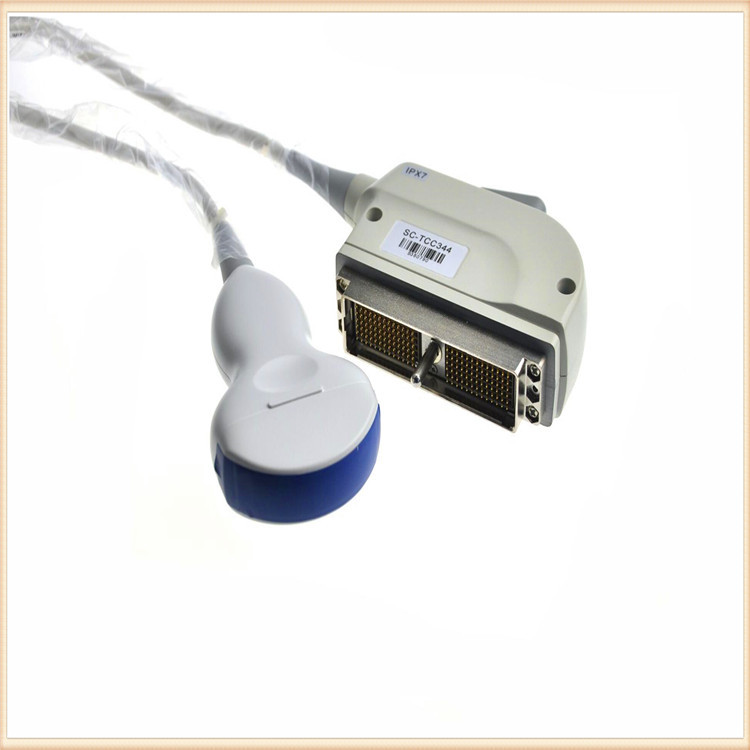
High-Performance Military Ultrasound Coaxial Cables: Built for Extreme Conditions Designed to meet the demanding requirements of military, aerospace, and medical applications, our Military-Grade Ultrasound Coaxial Cables deliver except.
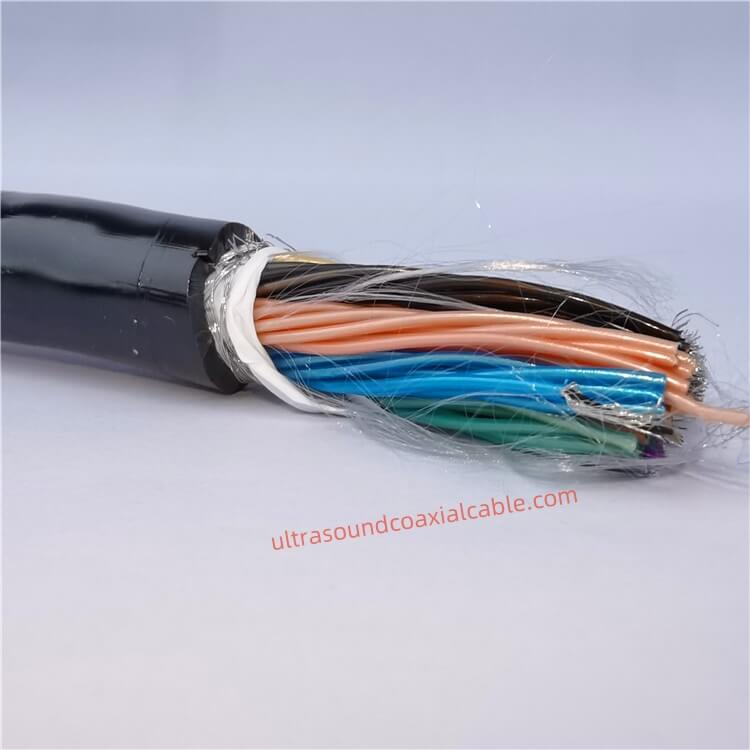
High-Performance Ultrasound Coaxial Cable Assembly: 42AWG to 30AWG, 6.6mm OD, 18GHz Bandwidth Engineered for precision in medical imaging and industrial applications, this customizable coaxial cable assembly delivers exceptional signal.
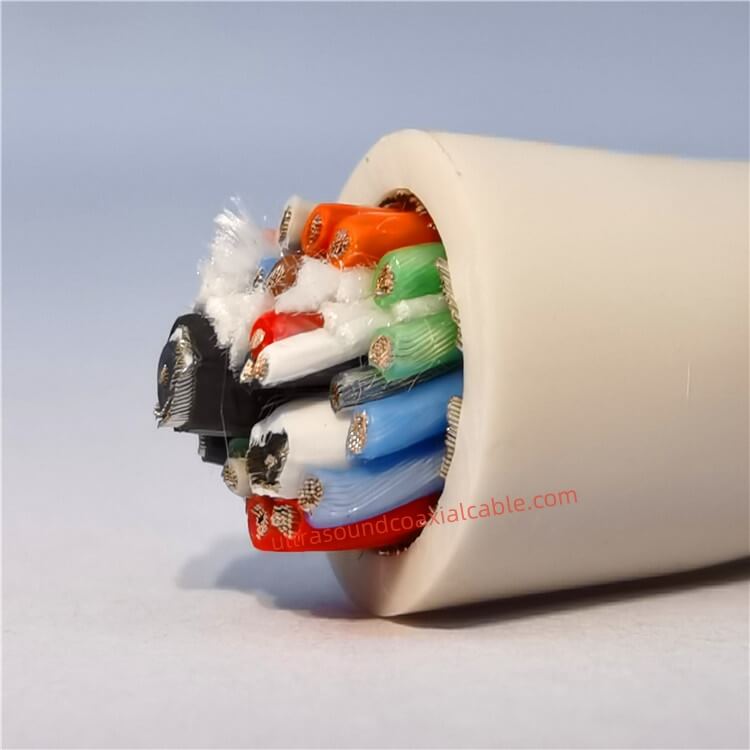
High-Precision 138-Core Medical Ultrasound Coaxial Cables | 0.2mm Ultra-Fine Biocompatible Design for Diagnostic Imaging Product Overview Engineered for advanced medical imaging systems, our 138-Core Medical Ultrasound Probe Coa.

Ultra-Flexible 42AWG Medical-Grade Coaxial Cables for High-Precision Ultrasound Imaging Designed for demanding medical imaging applications, our Ultra-Flexible 42AWG Coaxial Cables deliver exceptional signal integrity, noise reduction,.
Feel free to reach out to us for any inquiries or orders.