The rapid deployment of 5G networks across Europe is driving significant transformation in the region’s telecommunications infrastructure, with Germany and… - Professional Ultrasound Coaxial Cable Solutions
Learn more about, latest news, frequently asked questions
The rapid deployment of 5G networks across Europe is driving significant transformation in the region’s telecommunications infrastructure, with Germany and France at the forefront of this technological revolution. As these two economic powerhouses race to implement next-generation connectivity, the demand for high-performance coaxial cables has surged, creating new opportunities and challenges for the industry. The European coaxial cable market is expected to reach a market size of more than USD 9.15 billion by 2030, reflecting robust expansion driven by increasing investments in telecommunications and rising demand for high-speed internet services .
The expansion of 5G networks across Germany and France is significantly influencing the European coaxial cable market. Coaxial cables are extensively used in small cell deployments, backhaul infrastructure, and signal distribution systems required for 5G expansion . As governments and telecom operators push for enhanced mobile connectivity and smart city projects, the demand for high-frequency, low-loss coaxial cables continues to grow .
In telecommunications applications, radio frequency transfer represents a significant segment in the European coaxial cable market because of its essential role in ensuring stable and efficient RF signal transmission for seamless connectivity and operational efficiency . The expansion of 5G networks, which require precise and stable RF connectivity for cellular base stations and small cell deployments, has significantly driven the adoption of coaxial cables optimized for RF applications . These cables are particularly valued for their ability to transmit high-frequency signals with minimal interference, making them indispensable for 5G infrastructure .
Germany leads the European coaxial cable market due to its advanced telecommunications infrastructure, high broadband penetration, strong industrial sector, and continuous investment in digitalization and network expansion . As Europe’s largest economy, Germany has a well-developed communication network that heavily relies on coaxial cables for broadband internet, cable television, and telecommunication services .
The country’s major internet service providers and cable operators continue to expand hybrid fiber-coaxial networks to meet the growing demand for high-speed connectivity in both urban and rural areas . The rollout of 5G technology has further boosted the need for coaxial cables in cellular backhaul and infrastructure support, ensuring seamless integration between fiber networks and wireless connectivity . Additionally, Germany’s significant aerospace and defense sector, which requires secure and interference-resistant communication systems, contributes to the steady demand for high-quality coaxial cables .
France has demonstrated strong commitment to advancing its telecommunications capabilities, as evidenced by significant developments such as the nationalization of Alcatel Submarine Networks (ASN) by the French government, underscoring the strategic importance of submarine telecom cables in global infrastructure . Additionally, companies like Nexans are positioning themselves to meet the anticipated surge in demand linked to the transition to cleaner energy and advancements in technologies such as artificial intelligence .
The French market shows particular strength in the adoption of hybrid fiber-coaxial (HFC) networks, a significant trend in Europe’s coaxial cable market . With the demand for ultra-fast broadband services rising, telecom providers are integrating fiber optics with coaxial cables to enhance network performance while leveraging existing infrastructure . HFC networks enable higher bandwidth capacity and improved signal quality, allowing service providers to offer gigabit-speed internet .
The implementation of 5G networks requires coaxial cables that can support higher frequencies and greater bandwidth capabilities. Industrial coaxial cables used in 5G infrastructure must meet specific performance criteria, including frequencies above 6 GHz and ultra-low attenuation (<1 dB/100m at 3 GHz) to maintain signal integrity in demanding applications . Enhanced electromagnetic interference (EMI) shielding is also critical for maintaining signal integrity in robotics and IoT-enabled production lines .
For harsh environments, such as those encountered in industrial settings, cable designs now prioritize fluoropolymer-based insulation and corrosion-resistant outer jackets, with some manufacturers achieving 40% longer operational lifespans compared to traditional PVC variants . These innovations are particularly relevant for Germany’s strong industrial sector, where the integration of Industry 4.0 technologies demands robust connectivity solutions.
In Europe, coaxial cable manufacturing adheres to stringent standards, including the EN 50117 series, which sets guidelines for construction, dimensions, and performance . Compliance with these standards is critical in preserving signal integrity and network reliability . Additionally, regulatory frameworks established by organizations like the European Committee for Electrotechnical Standardization (CENELEC) oversee coaxial cable deployment, ensuring adherence to safety and performance requirements .
Specific standards such as EN 50117-4:1996 cover coaxial cables used in cabled distribution networks, providing sectional specifications for trunk and distribution cables, while EN 50117-5:1997 addresses indoor drop cables for use in networks operating at frequencies between 5 MHz and 2150 MHz . These standards ensure interoperability and quality across the telecommunications infrastructure in both Germany and France.
Telecommunication service providers play a crucial role in the European coaxial cable market as they drive the demand for high-performance network infrastructure to support expanding broadband, mobile communication, and digital connectivity across the region . Telecommunication providers rely on hybrid fiber-coaxial networks to extend broadband coverage, particularly in urban and suburban areas where upgrading existing infrastructure is more cost-effective than full fiber deployment .
The rise of 5G technology has further accelerated the demand for coaxial cables, which serve as critical components in cellular backhaul networks, ensuring efficient data transmission between mobile towers and core networks . Additionally, as streaming services, remote work, and cloud-based applications become mainstream, telecom operators must enhance bandwidth capacity to prevent network congestion and maintain seamless connectivity .
The growth of Industry 4.0 in Germany is significantly influencing coaxial cable requirements, particularly for industrial automation applications . Industrial coaxial cables designed for automation must withstand continuous flexing requirements, with some applications requiring cables capable of enduring 10+ million bend cycles without performance degradation .
A study of robotic welding arms showed coaxial cables undergoing 12 million flex cycles at 2 Hz required specialized corrugated copper shields to prevent conductor fatigue . Manufacturing plants using 5G-connected machinery increasingly demand frequency ranges up to 50 GHz, pushing manufacturers to develop air-dielectric coaxial designs with VSWR ratios below 1.2:1 .
The automotive sector’s transformation, particularly the increase in sales of electric vehicles, is further influencing coaxial cable market dynamics in both Germany and France . Automotive electrification directly impacts RF cable specifications, particularly for EV battery management systems and autonomous vehicle sensors . Cables in battery enclosures must operate reliably at 150°C withstanding coolant immersion while maintaining impedance stability within ±1.5Ω . Automotive LiDAR systems operating at 1550 nm wavelength require ultra-low loss cables (below 0.3 dB/m) with bend radii under 10 mm to fit compact sensor housings .
The coaxial cable industry is experiencing significant innovation in miniaturization and advanced materials . Ongoing efforts focus on reducing cable diameter and weight while maintaining performance, particularly crucial for portable and mobile devices . Research into new dielectric materials and conductors offers the potential for higher bandwidth, lower signal loss, and enhanced flexibility .
In semiconductor manufacturing equipment, advanced lithography machines require micro-coaxial cables with 12.7mm outer diameters and DC-to-40 GHz bandwidth, pushing manufacturers to develop increasingly sophisticated solutions . The medical robotics segment further intensifies needs for sterilization-compatible cables, with latest prototypes surviving 1,000+ autoclave cycles while maintaining VSWR below 1.5:1 .
Sustainability mandates are altering material composition strategies throughout the industry . Regulatory pressures in the European Union have driven a 23% increase since 2021 in cables using recycled copper conductors and halogen-free sheathing materials . The EU’s Circular Economy Action Plan pushes manufacturers to develop recyclable coaxial products, with an increasing percentage of cables sold in France now featuring biodegradable insulation .
Simultaneously, the renewable energy sector’s growth is creating demand for UV-resistant coaxial cables in solar farm monitoring systems, with products now offering 25-year weatherproof warranties . This trend aligns with both Germany and France’s commitments to renewable energy expansion.
The coaxial cable market in Europe faces several challenges, including aging infrastructure and high upgrade costs . Many regions in Europe still rely on aging coaxial cable networks that require significant upgrades to meet modern data transmission standards, with the cost of replacing legacy infrastructure presenting a major challenge for service providers .
Additionally, strict environmental policies in Europe regarding cable manufacturing and disposal create hurdles for the coaxial cable industry . The push for sustainable materials and reduced carbon footprints forces manufacturers to innovate and comply with stringent regulations on waste management and recyclability . Lead-free and halogen-free cable production increases production costs, making it challenging for companies to remain competitive .
Despite these challenges, the market presents significant growth opportunities, particularly in the expansion of in-building coaxial networks for smart homes and offices . As the adoption of smart home technology and connected office spaces increases across Europe, the demand for high-performance in-building coaxial cable networks is on the rise . Coaxial cables are being used for enhanced Wi-Fi distribution, security systems, home automation, and integrated entertainment solutions .
The hardline cable type has emerged as the leading and fastest-growing segment in the European coaxial cable market due to its superior signal transmission capabilities, durability, and ability to support expanding broadband, telecommunications, and broadcasting infrastructures across the region . These cables, featuring a rigid outer conductor and advanced shielding, are widely used in telecommunications networks, cable television distribution, and broadband internet services, where maintaining signal integrity over long distances is crucial .
As Germany and France continue to advance their 5G infrastructure, the demand for high-performance coaxial cables will remain strong, driven by the need for reliable, high-speed connectivity across various sectors. The convergence of telecommunications expansion, industrial automation, automotive innovation, and smart city development creates a robust outlook for coaxial cable providers who can meet the evolving technical requirements and regulatory standards of the European market.
The continued innovation in cable design, materials science, and manufacturing processes will be crucial in supporting Europe’s digital transformation ambitions. With both Germany and France making significant investments in their digital infrastructure, the coaxial cable market in these countries is poised for sustained growth, offering numerous opportunities for providers of high-quality, standards-compliant coaxial solutions tailored to the specific needs of 5G applications.
Discover our most popular furniture pieces that are loved by customers worldwide.

High-Performance Flexible Coaxial Cable for Medical Imaging & Ultrasound Systems Designed for demanding applications in medical imaging, industrial diagnostics, and high-frequency signal transmission, this ultra-flexible coaxial ca.
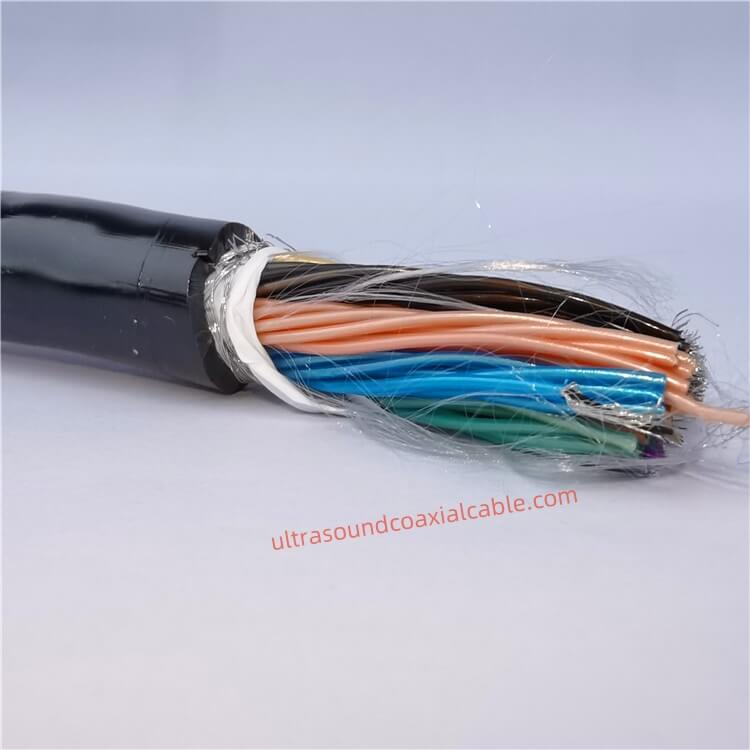
High-Performance Ultrasound Coaxial Cable Assembly: 42AWG to 30AWG, 6.6mm OD, 18GHz Bandwidth Engineered for precision in medical imaging and industrial applications, this customizable coaxial cable assembly delivers exceptional signal.
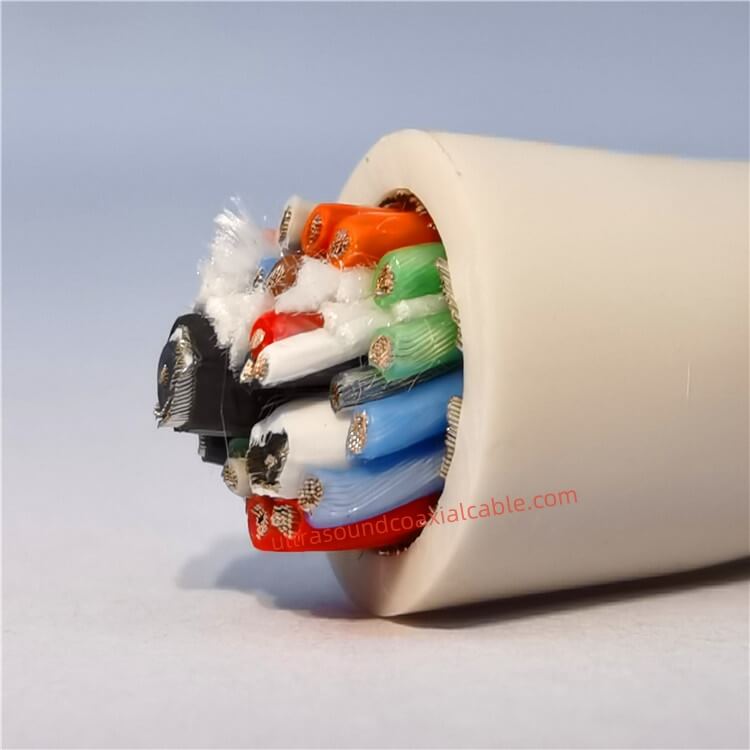
High-Precision 138-Core Medical Ultrasound Coaxial Cables | 0.2mm Ultra-Fine Biocompatible Design for Diagnostic Imaging Product Overview Engineered for advanced medical imaging systems, our 138-Core Medical Ultrasound Probe Coa.

Ultra-Flexible 42AWG Medical-Grade Coaxial Cables for High-Precision Ultrasound Imaging Designed for demanding medical imaging applications, our Ultra-Flexible 42AWG Coaxial Cables deliver exceptional signal integrity, noise reduction,.
Feel free to reach out to us for any inquiries or orders.