Executive Summary The global ultrasound coaxial cable market is experiencing unprecedented growth, driven by the convergence of 5G technology and… - Professional Ultrasound Coaxial Cable Solutions
Learn more about, latest news, frequently asked questions
The global ultrasound coaxial cable market is experiencing unprecedented growth, driven by the convergence of 5G technology and IoT adoption across multiple industries. From medical imaging to industrial diagnostics and military communications, high-flexibility ultrasound coaxial cables have become the backbone of modern signal transmission systems. The market is projected to grow from 52.16billionin2025to90.05 billion by 2032, representing a robust CAGR of 8.11%.
This surge is fueled by the increasing demand for next-generation diagnostic imaging, military-grade communications, and industrial non-destructive testing applications. As 5G networks expand and IoT devices proliferate, the need for specialized coaxial cables that can deliver high signal fidelity, operational reliability, and compatibility with evolving industry requirements has never been greater.
The rollout of 5G networks worldwide is creating massive demand for high-frequency coaxial cables capable of supporting bandwidth-intensive applications. 5G technology requires cables that can handle frequencies up to 700 GHz while maintaining signal integrity and minimizing electromagnetic interference. This has led to innovations in material science, with silver-plated copper conductors and low-density polyethylene dielectrics becoming standard for reducing attenuation while enhancing thermal stability.
The Internet of Things revolution is transforming how devices communicate, with billions of connected sensors and monitoring systems requiring reliable signal transmission. In medical settings, IoT-enabled ultrasound devices are becoming increasingly portable and connected, demanding cables that combine miniaturization with durability. These cables must withstand repeated sterilization cycles, temperature fluctuations, and mechanical stress while maintaining precise 50Ω impedance matching for real-time imaging accuracy.
The healthcare sector is a primary driver of ultrasound coaxial cable demand, with applications spanning cardiology, radiology, obstetrics, and gynecology. The shift toward portable and handheld ultrasound devices has accelerated the need for flexible, lightweight cables that don’t compromise on performance. Advanced medical imaging systems now require cables with ultra-low attenuation (<0.3 dB/m at 1 GHz) and multi-layer shielding to ensure diagnostic accuracy in electrically noisy hospital environments.
Modern ultrasound coaxial cables must maintain exceptional signal integrity across a wide frequency range (2-20 MHz for medical applications, up to 700 GHz for 5G infrastructure). Key performance metrics include:
The evolution of coaxial cable materials has been critical to meeting modern performance demands:
The trend toward compact, portable devices has driven the development of ultra-fine coaxial cables with diameters as small as 0.2mm. These micro-coaxial solutions enable integration into endoscopic probes, wearable health monitors, and space-constrained industrial equipment while maintaining signal integrity. Flexible designs with helically wound construction balance flexibility with structural integrity, withstanding 3,000+ flex cycles in medical applications.
Ultrasound coaxial cables for medical applications must comply with stringent international standards:
For industrial and defense applications, cables must meet:
Leading manufacturers like FRS maintain comprehensive quality certifications:
Ultrasound coaxial cables serve as the critical link between transducers and processing units in diagnostic imaging equipment. They transmit high-frequency signals (2-15MHz range) with minimal loss, enabling real-time imaging accuracy. Applications include:
In industrial settings, ultrasound coaxial cables are used for:
Military applications demand cables that can withstand extreme conditions:
The expansion of 5G networks and IoT ecosystems requires:
Signal Loss and Attenuation: Traditional cables suffer from significant signal degradation over long distances, especially at high frequencies. This compromises image quality in medical diagnostics and data accuracy in industrial applications.
Electromagnetic Interference: Hospital environments and industrial settings are electrically noisy, causing signal distortion and reduced performance. Standard cables often lack adequate shielding to reject EMI.
Durability Issues: Repeated sterilization cycles, temperature fluctuations, and mechanical stress can cause cable failure, leading to costly downtime and equipment replacement.
Size and Weight Constraints: Portable and handheld devices require lightweight, flexible cables that don’t add bulk or restrict maneuverability.
Multi-Layer Shielding: Modern cables feature braided copper + aluminum foil + dielectric composite shielding, delivering 120dB EMI attenuation to protect signal integrity in noisy environments.
Low-Loss Dielectrics: Air-filled dielectric materials and silver-plated copper conductors reduce attenuation to <0.3 dB/m at 1 GHz, preserving signal clarity over long cable runs.
Medical-Grade Materials: Biocompatible silicone jackets and tinned copper conductors withstand repeated autoclaving (up to 134°C) and chemical sterilization without degradation.
Miniaturization Technology: Advanced manufacturing techniques produce cables as thin as 0.2mm diameter with 138 cores, enabling integration into endoscopic probes and wearable devices.
The ultrasound coaxial cable market is expected to maintain strong growth through 2032, driven by:
AI Integration: Smart cables with embedded sensors for real-time data analytics and predictive maintenance
Hybrid Fiber-Optic/Coaxial Systems: Combining high-speed data transmission with power delivery
Self-Healing Materials: Nanocomposite insulation that repairs minor damage automatically
Frequency-Adaptive Designs: Cables that automatically adjust to different frequency requirements
Asia-Pacific: Largest market region, driven by healthcare infrastructure development and manufacturing growth
North America: Second-largest market, with strong demand from medical device manufacturers and defense contractors
Europe: Mature market with emphasis on quality and regulatory compliance
Latin America: Emerging market with rising healthcare sector adoption
When selecting ultrasound coaxial cables, decision-makers should prioritize:
Choosing the right manufacturer is critical for long-term success. Look for partners with:
The global demand for high-flexibility ultrasound coaxial cables is surging, driven by the dual forces of 5G technology adoption and IoT proliferation. As industries from healthcare to defense and industrial automation embrace advanced imaging and communication systems, the need for specialized cables that deliver uncompromised performance in challenging environments has become paramount.
Manufacturers like FRS are at the forefront of this transformation, leveraging decades of experience and comprehensive quality certifications to deliver solutions that meet the most demanding requirements. With ISO9001, IATF16949, and ISO13485 certifications, FRS ensures that every cable meets the highest standards of quality and reliability.
The future of ultrasound coaxial cables lies in continued innovation—miniaturization for wearable devices, enhanced durability for harsh environments, and integration with emerging technologies like AI and IoT. As the market continues its robust growth trajectory, those who invest in advanced cable solutions today will be well-positioned to capitalize on the opportunities of tomorrow.
Discover our most popular furniture pieces that are loved by customers worldwide.
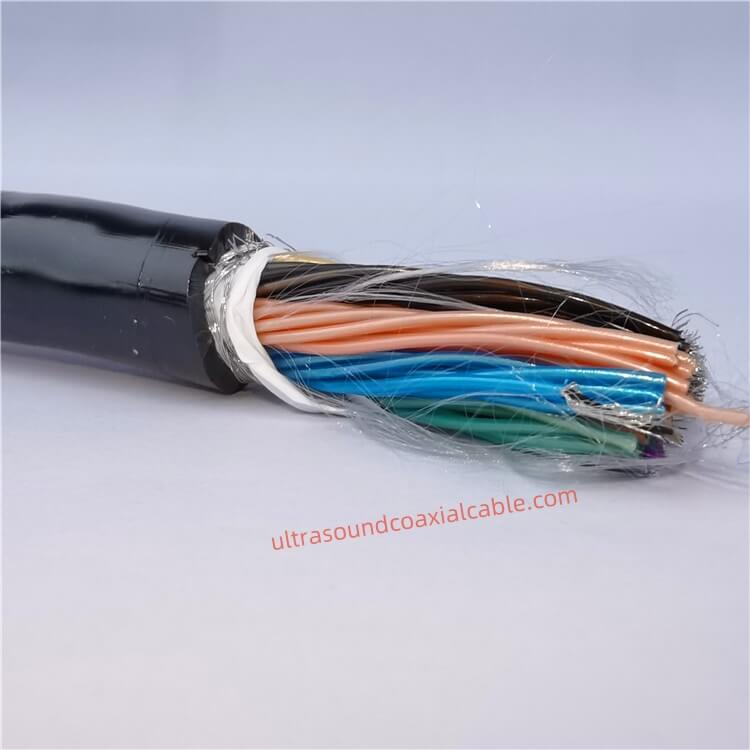
High-Performance Ultrasound Coaxial Cable Assembly: 42AWG to 30AWG, 6.6mm OD, 18GHz Bandwidth Engineered for precision in medical imaging and industrial applications, this customizable coaxial cable assembly delivers exceptional signal.
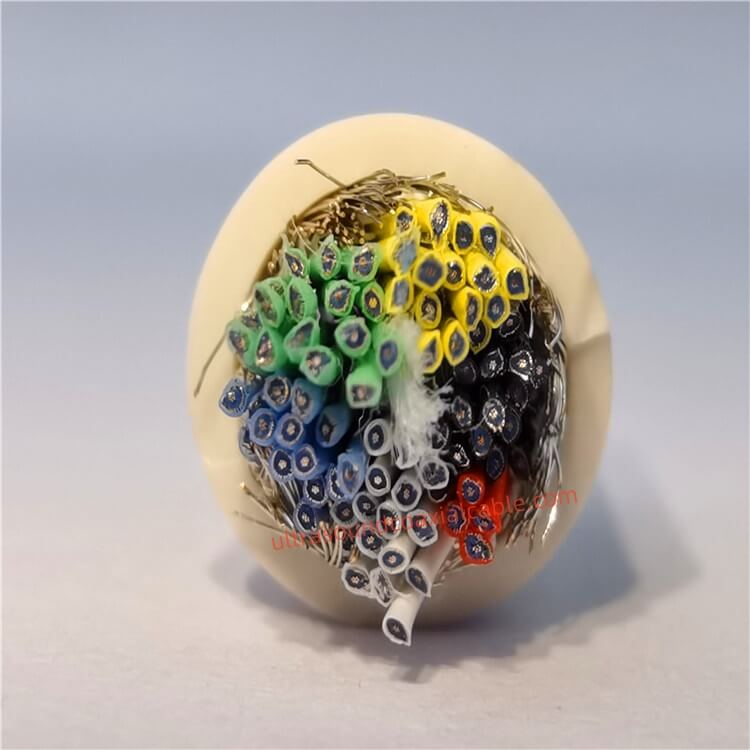
Product OverviewThe Ultrasound Coaxial Cable is a specialized cable engineered to deliver ultra-low signal loss, exceptional shielding, and unmatched durability in critical environments. Designed for medical imaging, industrial testi.

Ultra-Flexible 42AWG Medical-Grade Coaxial Cables for High-Precision Ultrasound Imaging Designed for demanding medical imaging applications, our Ultra-Flexible 42AWG Coaxial Cables deliver exceptional signal integrity, noise reduction,.
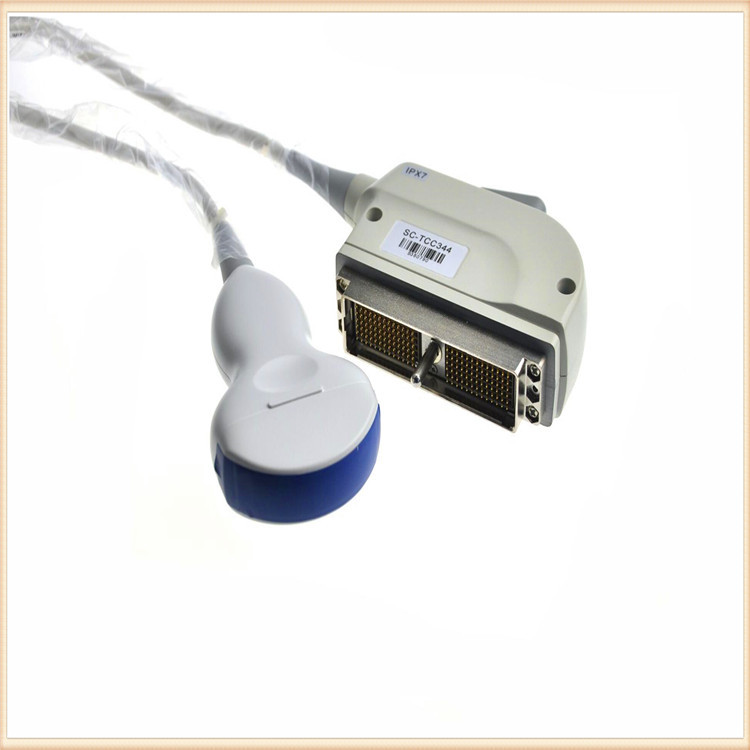
High-Performance Military Ultrasound Coaxial Cables: Built for Extreme Conditions Designed to meet the demanding requirements of military, aerospace, and medical applications, our Military-Grade Ultrasound Coaxial Cables deliver except.
Feel free to reach out to us for any inquiries or orders.