The convergence of 5G technology and medical imaging is revolutionizing healthcare diagnostics, and at the heart of this transformation lies… - Professional Ultrasound Coaxial Cable Solutions
Learn more about, latest news, frequently asked questions
The convergence of 5G technology and medical imaging is revolutionizing healthcare diagnostics, and at the heart of this transformation lies a critical component: the ultrasound coaxial cable. As 5G networks deliver unprecedented data speeds and ultra-low latency, they’re creating new demands for high-frequency signal transmission that traditional coaxial designs cannot meet. This technological shift is driving manufacturers to reimagine ultrasound coaxial cable architecture, pushing the boundaries of material science, shielding technology, and manufacturing precision. The global ultrasound coaxial cable market, valued at approximately 500millionin2025,isprojectedtogrowata7850 million, with 5G infrastructure and medical innovation being primary growth drivers.
5G technology represents more than just faster internet—it’s a fundamental shift in wireless communication architecture. Operating at millimeter-wave frequencies up to 120 GHz, 5G networks require coaxial cables with exceptional signal integrity and minimal attenuation. For ultrasound applications, this translates to cables that can handle higher bandwidths while maintaining impedance stability and low insertion loss. Modern 5G-compatible coaxial cables achieve insertion loss below 0.15 dB/m at 1 GHz, with broadband compatibility supporting frequencies up to 120 GHz for mmWave applications. This level of performance is essential for next-generation ultrasound systems that demand real-time, high-resolution imaging without signal degradation.
The impact of 5G on healthcare is particularly profound. With ultra-reliable low latency communication (URLLC) capabilities, 5G enables remote surgery, telemedicine, and real-time diagnostic imaging across vast distances. This creates new requirements for medical-grade coaxial cables that must deliver flawless signal transmission in mission-critical applications. The combination of 5G’s low latency and high bandwidth with advanced ultrasound coaxial cable technology is enabling innovations like remote robotic surgery, where surgeons can operate from thousands of miles away with real-time haptic feedback and high-definition imaging.
The global insulated coaxial cable market is experiencing robust growth, driven by 5G infrastructure deployment and the expansion of digital healthcare. The market is projected to grow at a 4.4% CAGR through 2033, with 5G small cell densification and medical device innovation being key contributors. This growth is particularly pronounced in the ultrasound coaxial cable segment, where demand is surging due to increasing diagnostic imaging requirements and the proliferation of portable ultrasound devices.
Several key trends are shaping the ultrasound coaxial cable market:
Miniaturization and Portability: The shift toward handheld and portable ultrasound devices is driving demand for smaller, more flexible cables. Ultra-thin designs with diameters as small as 0.2mm are becoming standard, enabling compact probe designs without compromising signal integrity. This miniaturization trend is essential for point-of-care diagnostics and emergency medicine applications.
High-Frequency Applications: As ultrasound imaging resolution improves, systems are operating at higher frequencies, requiring cables with superior high-frequency performance. This includes support for 4K and 8K imaging, which demands cables with excellent phase stability and minimal signal distortion.
Global Market Expansion: Developing economies are investing heavily in healthcare infrastructure, creating new opportunities for ultrasound coaxial cable manufacturers. The North American market alone is valued at over $11 billion, with significant growth potential in Asia-Pacific and Latin America.
The demands of 5G technology are driving significant innovations in coaxial cable materials and manufacturing processes. Advanced materials like ultra-low-loss polyethylene and semi-rigid copper structures are becoming standard for high-frequency applications. These materials minimize attenuation while maintaining flexibility, essential for medical devices that require repeated bending and sterilization.
Shielding Technology: 5G’s high-frequency operation amplifies electromagnetic interference (EMI) challenges, requiring advanced shielding solutions. Modern ultrasound coaxial cables employ multi-layer shielding configurations, including dual-braided copper and foil layers, achieving up to 99.9% EMI protection. This level of shielding is critical for medical environments where multiple electronic devices operate simultaneously.
Impedance Matching: 5G applications require precise impedance control to minimize signal reflections. Advanced manufacturing techniques enable impedance matching to within 1% of target values (typically 50Ω or 75Ω), ensuring optimal signal transmission across the entire frequency spectrum.
Flexibility and Durability: Medical applications demand cables that can withstand thousands of bending cycles without performance degradation. Innovative designs achieve over 250,000 bending cycles while maintaining signal integrity, making them ideal for robotic surgery and endoscopic applications.
The medical device industry operates under stringent regulatory frameworks, and ultrasound coaxial cables are no exception. Compliance with international standards is essential for market access and patient safety. Key certifications include:
ISO 13485: This quality management system standard is mandatory for medical device manufacturers. It ensures that products are designed, manufactured, and distributed under controlled conditions, with comprehensive risk management and post-market surveillance.
CE Marking (MDR): For European market access, medical devices must comply with the Medical Device Regulation (MDR), which requires extensive technical documentation, clinical evaluations, and notified body assessments. The certification process can take 6-36 months depending on device classification.
UL 444 & EN 50156: These standards govern electrical safety and flame retardancy, ensuring cables can operate safely in medical environments. Compliance with these standards is essential for building trust with healthcare providers and regulatory authorities.
RoHS and REACH: Environmental regulations require the elimination of hazardous substances like lead and halogenated flame retardants. Eco-friendly designs using recyclable materials are becoming increasingly important for market competitiveness.
The combination of 5G technology and advanced ultrasound coaxial cable design is enabling new applications across multiple industries:
Medical Imaging and Diagnostics: Ultrasound coaxial cables are critical components in medical imaging systems, connecting transducers to processing units. With 5G-enhanced capabilities, these systems can transmit high-resolution images in real-time, enabling remote diagnostics and telemedicine. Applications include abdominal scans, cardiac imaging, and vascular studies, where signal integrity directly impacts diagnostic accuracy.
Industrial Non-Destructive Testing (NDT): In manufacturing and engineering, ultrasound coaxial cables enable non-destructive testing of materials and structures. 5G connectivity allows real-time data transmission from remote inspection sites to centralized analysis centers, improving efficiency and reducing downtime. Applications include pipeline inspection, aircraft component testing, and weld quality assessment.
Robotic Surgery and Minimally Invasive Procedures: The low latency of 5G networks combined with high-performance coaxial cables enables real-time haptic feedback and imaging in robotic surgery. Surgeons can perform complex procedures remotely with precision, while the cables’ flexibility and durability ensure reliable performance during lengthy operations.
Telemedicine and Remote Monitoring: 5G-enabled ultrasound systems with advanced coaxial cables allow healthcare providers to monitor patients remotely, reducing the need for hospital visits. This is particularly valuable for rural communities and developing regions with limited access to specialized medical care.
Despite technological advancements, ultrasound coaxial cable manufacturers face several significant challenges:
Signal Loss at High Frequencies: As operating frequencies increase to support 5G applications, signal attenuation becomes more pronounced. Maintaining low insertion loss while achieving miniaturization requires advanced materials and precise manufacturing processes.
EMI and Crosstalk: The dense electromagnetic environment of modern medical facilities creates interference challenges. Multi-layer shielding and careful cable routing are essential to prevent signal degradation.
Durability and Reliability: Medical cables must withstand repeated sterilization, bending, and mechanical stress. Achieving high cycle life while maintaining electrical performance requires innovative material combinations and robust construction techniques.
Cost and Manufacturing Complexity: Advanced materials and multi-layer constructions increase manufacturing complexity and cost. Balancing performance requirements with economic viability is a constant challenge for manufacturers.
Regulatory Compliance: Navigating the complex landscape of international standards and certifications requires significant resources and expertise. The time and cost associated with regulatory approval can be substantial barriers to market entry.
As a leading ultrasound coaxial cable manufacturer, FRS has positioned itself at the forefront of 5G-driven innovation. With over 15 years of specialized experience in medical-grade cables, FRS combines deep technical expertise with comprehensive quality management systems to deliver solutions that meet the demanding requirements of modern healthcare and telecommunications.
Technical Capabilities: FRS’s product portfolio includes ultra-flexible coaxial cables with diameters as small as 0.2mm, achieving insertion loss below 0.15 dB/m at 1 GHz. The company’s advanced shielding technology provides up to 99.9% EMI protection, ensuring signal integrity in challenging electromagnetic environments. FRS’s cables support frequencies up to 120 GHz, making them ideal for 5G mmWave applications and next-generation ultrasound systems.
Customization Expertise: FRS offers full-parameter customization, including impedance matching, shielding configurations, and connector options. This flexibility allows the company to develop tailored solutions for specific applications, from portable ultrasound devices to industrial NDT systems. The ability to customize cable characteristics ensures optimal performance in diverse operating environments.
Quality and Compliance: FRS maintains ISO 13485 certification for medical device quality management, ensuring that products meet the highest standards for safety and reliability. The company’s cables comply with UL 444, EN 50156, RoHS, and REACH requirements, providing customers with confidence in product performance and regulatory compliance.
Global Supply Chain: With manufacturing facilities and supply chain networks spanning China, Europe, North America, and Southeast Asia, FRS delivers reliable supply and rapid response times. This global presence enables the company to serve customers across multiple regions while maintaining consistent quality standards.
Proven Track Record: FRS has established partnerships with leading medical device manufacturers, including GE Healthcare and Siemens Healthineers. These collaborations demonstrate the company’s ability to meet the stringent requirements of top-tier healthcare providers and deliver solutions that enhance diagnostic capabilities.
The future of ultrasound coaxial cable technology is shaped by several converging trends:
AI Integration: Smart cables with embedded sensors and diagnostic capabilities are emerging, enabling real-time monitoring of cable health and performance. These intelligent systems can predict maintenance needs, reduce downtime, and optimize system performance.
Sustainability Initiatives: The industry is moving toward eco-friendly designs using recyclable materials and reduced material usage. Lifecycle assessment and environmental product declarations are becoming standard requirements in major tenders.
Hybrid Solutions: Flexible hybrid cables combining fiber optics and coaxial elements are being developed for applications requiring both high bandwidth and power transmission. These solutions address the limitations of individual technologies while leveraging their respective strengths.
Advanced Manufacturing: Industry 4.0 principles are being adopted in cable manufacturing, utilizing data analytics and IoT sensors to optimize production processes, reduce waste, and improve quality control.
The convergence of 5G technology, advanced materials, and innovative manufacturing processes is creating unprecedented opportunities for ultrasound coaxial cable manufacturers. Companies that can navigate the complex landscape of technical requirements, regulatory compliance, and market dynamics will be well-positioned to capitalize on the growing demand for high-performance signal transmission solutions.
As the industry continues to evolve, the role of ultrasound coaxial cables in enabling next-generation healthcare and telecommunications applications will only become more critical. The combination of 5G connectivity, advanced cable technology, and innovative applications is transforming how we diagnose, treat, and monitor medical conditions, ultimately improving patient outcomes and expanding access to quality healthcare worldwide.
Discover our most popular furniture pieces that are loved by customers worldwide.

High-Performance Flexible Coaxial Cable for Medical Imaging & Ultrasound Systems Designed for demanding applications in medical imaging, industrial diagnostics, and high-frequency signal transmission, this ultra-flexible coaxial ca.
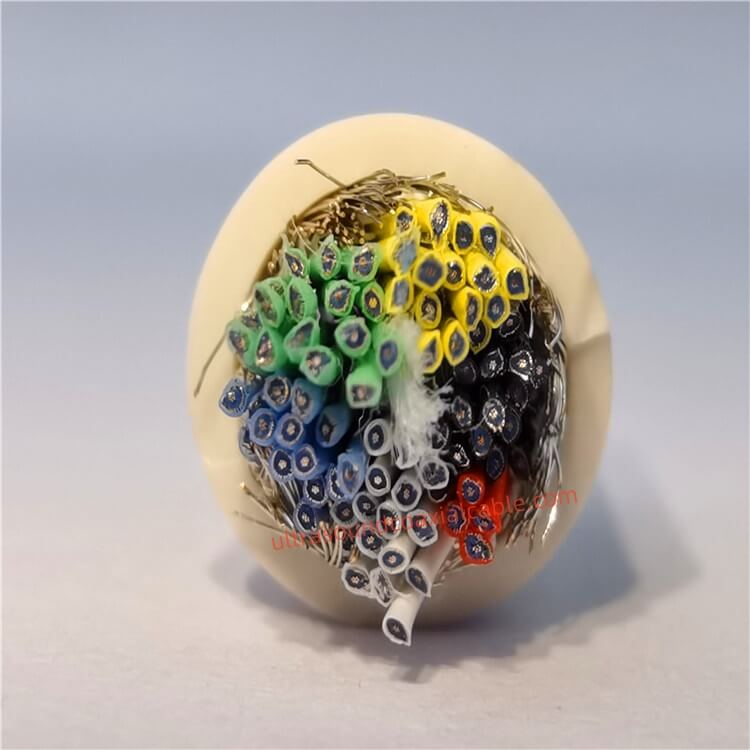
Product OverviewThe Ultrasound Coaxial Cable is a specialized cable engineered to deliver ultra-low signal loss, exceptional shielding, and unmatched durability in critical environments. Designed for medical imaging, industrial testi.
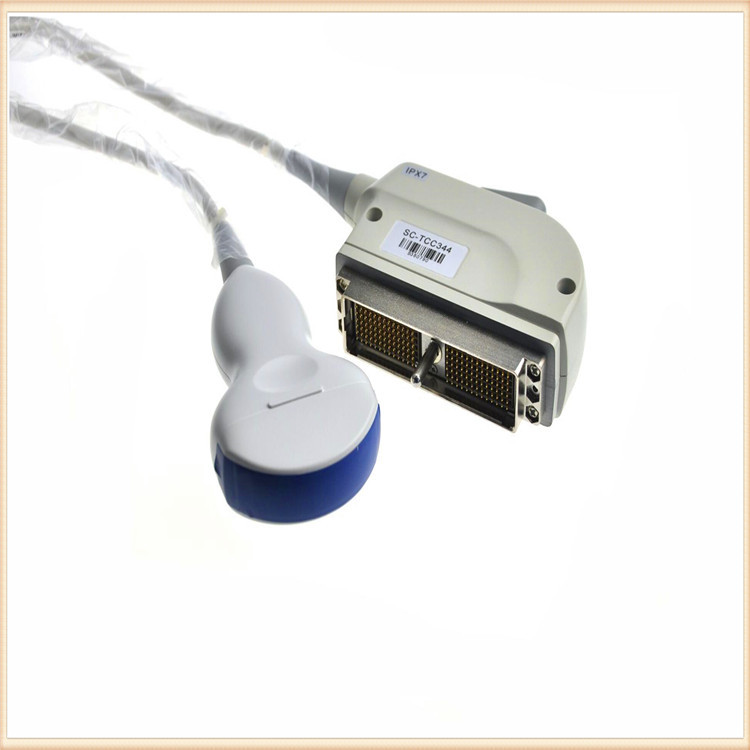
High-Performance Military Ultrasound Coaxial Cables: Built for Extreme Conditions Designed to meet the demanding requirements of military, aerospace, and medical applications, our Military-Grade Ultrasound Coaxial Cables deliver except.
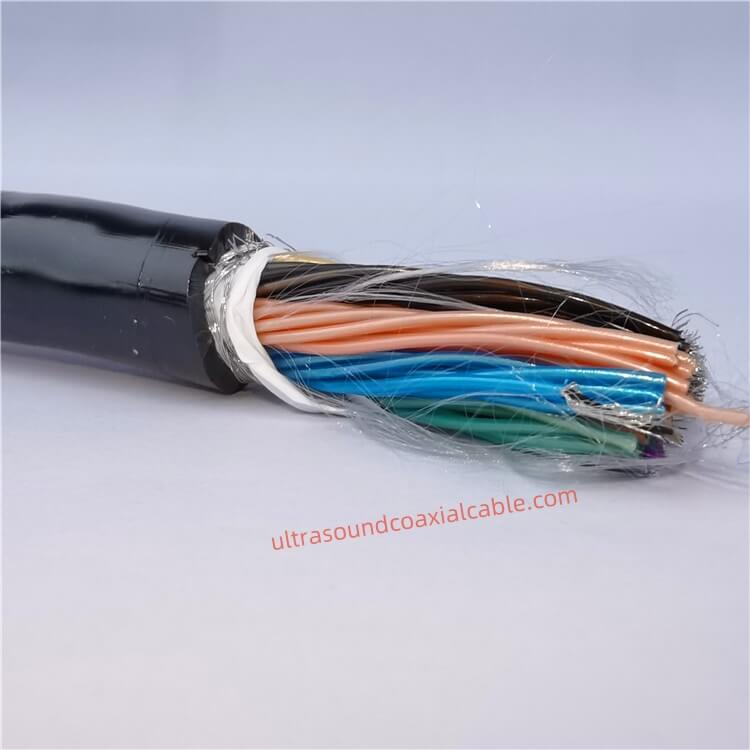
High-Performance Ultrasound Coaxial Cable Assembly: 42AWG to 30AWG, 6.6mm OD, 18GHz Bandwidth Engineered for precision in medical imaging and industrial applications, this customizable coaxial cable assembly delivers exceptional signal.
Feel free to reach out to us for any inquiries or orders.