The global rollout of 5G technology is fundamentally reshaping the landscape of medical imaging and industrial diagnostics, creating unprecedented demand… - Professional Ultrasound Coaxial Cable Solutions
Learn more about, latest news, frequently asked questions
The global rollout of 5G technology is fundamentally reshaping the landscape of medical imaging and industrial diagnostics, creating unprecedented demand for high-frequency ultrasound coaxial cables. These specialized cables serve as the critical transmission pathway between ultrasound probes and imaging systems, and their performance specifications are being pushed to new limits by 5G-enabled applications. The ultrasound coaxial cable market, valued at 52.16billionin2025,isprojectedtoreach90.05 billion by 2032, growing at a robust CAGR of 8.1%.
5G technology’s ultra-low latency and high-bandwidth capabilities are enabling real-time remote diagnostics, telemedicine applications, and AI-assisted imaging that demand superior signal integrity. Modern ultrasound systems now require coaxial cables capable of handling frequencies exceeding 200MHz, with some advanced applications pushing beyond 40 GHz. This frequency escalation is driven by the need for higher resolution imaging, faster data transmission rates, and enhanced diagnostic accuracy.
The Asia-Pacific region leads this growth trajectory with a 9.1% CAGR, fueled by China’s “Healthy China 2030” initiative that mandates 90% of county-level hospitals to adopt portable ultrasound systems by 2025. North America follows closely with 6.5% growth, driven by 5G infrastructure deployment and robotic surgery adoption.
Frequency Performance Requirements
Next-generation ultrasound coaxial cables must achieve <0.3 dB/m attenuation at 200 MHz while maintaining impedance stability of 50Ω±1Ω. Advanced designs from manufacturers like FRS incorporate fluoropolymer foam insulation that reduces signal loss by 40% at 3GHz compared to traditional materials.
Shielding Effectiveness
5G networks operate in dense electromagnetic environments, requiring coaxial cables with >165 dB shielding effectiveness. Triple-layer shielding configurations—combining braided copper, foil, and dielectric insulation—provide 90%+ EMI rejection, critical for sensitive medical diagnostics and industrial applications.
Miniaturization Breakthroughs
The demand for portable and minimally invasive devices has driven innovations in cable miniaturization. Ultra-thin designs now achieve 0.2mm diameters with 138-core configurations, enabling 128-channel transmission in 8mm bundles—a 4X density improvement over 2010s standards.
Medical Imaging Advancements
5G-enabled telemedicine requires ultrasound coaxial cables that support real-time 4K/8K imaging with minimal latency. These cables must withstand repeated sterilization cycles (up to 1,000+ autoclave cycles) while maintaining VSWR below 1.5:1. Advanced systems now utilize 198-core or higher configurations to support high-resolution imaging, with 256-element phased array probes becoming standard in cardiology applications.
Industrial Non-Destructive Testing (NDT)
The industrial sector demands coaxial cables rated for extreme temperatures (-55°C to +200°C) and harsh chemical environments. High-frequency cables (10-20 MHz) transmit ultrasonic waves for flaw detection in aerospace components, with some designs achieving 50,000+ bending cycles without performance degradation.
5G Infrastructure Deployment
5G base stations require coaxial cables capable of handling millimeter-wave frequencies (24-40 GHz) with <0.8 dB/m attenuation at 18 GHz. Semi-rigid designs like the JSR141 series offer 70% signal transmission efficiency at extended distances, critical for maintaining network integrity in urban environments.
The global ultrasound coaxial cable market is experiencing transformative growth driven by several key factors:
Aging Population & Chronic Disease Management
Cardiovascular and oncology screenings are driving demand for portable ultrasound devices, with handheld systems showing a CAGR of 9.2%. This growth creates demand for cables that balance performance with cost-effectiveness for high-volume applications.
AI & Automation Integration
Real-time AI-assisted diagnostics require cables with <0.1dB/m attenuation and >3GHz bandwidth to handle high-resolution data streams. AI-integrated imaging systems are becoming standard in modern healthcare facilities.
Remote Healthcare Expansion
5G’s low-latency capabilities enable telemedicine applications that demand cables with 50Ω impedance and EMI shielding effectiveness >60dB. This trend is particularly strong in rural healthcare digitization initiatives across Asia-Pacific markets.
Technical Parameters
Modern ultrasound coaxial cables must meet stringent specifications:
Material Innovations
Leading manufacturers like FRS utilize high-purity silver-plated copper conductors and low-density PTFE dielectric to ensure minimal signal leakage. Fluoropolymer coatings reduce signal loss by 40% at 3GHz, while flexible PCB integration enables hybrid designs that combine coaxial and FPC technologies for foldable ultrasound probes.
Medical-grade ultrasound coaxial cables must comply with multiple international standards:
Manufacturers like FRS maintain full compliance with these standards, providing comprehensive documentation including material declarations and test reports that simplify regulatory submissions for medical device manufacturers.
Signal Integrity Challenges
High-frequency transmission faces the “bandwidth-diameter paradox,” where increased signal lines enlarge cable bundles. Advanced fluoropolymer microcellular foam technology breaks this barrier, achieving 40% reduction in outer diameter while maintaining capacitance below 65pF/m.
Durability Requirements
Medical applications demand cables that withstand repeated sterilization and mechanical stress. FRS’s medical-grade silicone cables are autoclave-safe up to 135°C and resistant to alcohol/IPA cleaning, with reinforced shielding that extends lifespan by 3x compared to generic cables.
Cost-Effectiveness Considerations
While premium cables offer superior performance, manufacturers must balance technical specifications with cost constraints. Volume pricing and custom packaging options help medical facilities manage total cost of ownership while maintaining diagnostic accuracy.
The ultrasound coaxial cable market is poised for continued innovation, with several emerging trends shaping future development:
Quantum Tunneling Composites
Next-generation materials promise to redefine performance boundaries, potentially enabling even higher frequency transmission with reduced signal loss.
Smart Cable Integration
Embedded microsensors for real-time impedance monitoring and self-diagnostic capabilities are in development, which could revolutionize maintenance protocols and reduce downtime.
Sustainable Manufacturing
The EU’s Circular Economy Action Plan is driving demand for recyclable coaxial products, with 15% of cables sold in France now featuring biodegradable insulation. This trend is expected to expand globally as environmental regulations tighten.
The convergence of 5G technology and advanced ultrasound imaging is creating unprecedented opportunities for high-frequency coaxial cable manufacturers. As medical diagnostics and industrial applications continue to demand higher performance, faster data transmission, and greater reliability, the ultrasound coaxial cable market will remain at the forefront of technological innovation in the coming decade.
Discover our most popular furniture pieces that are loved by customers worldwide.
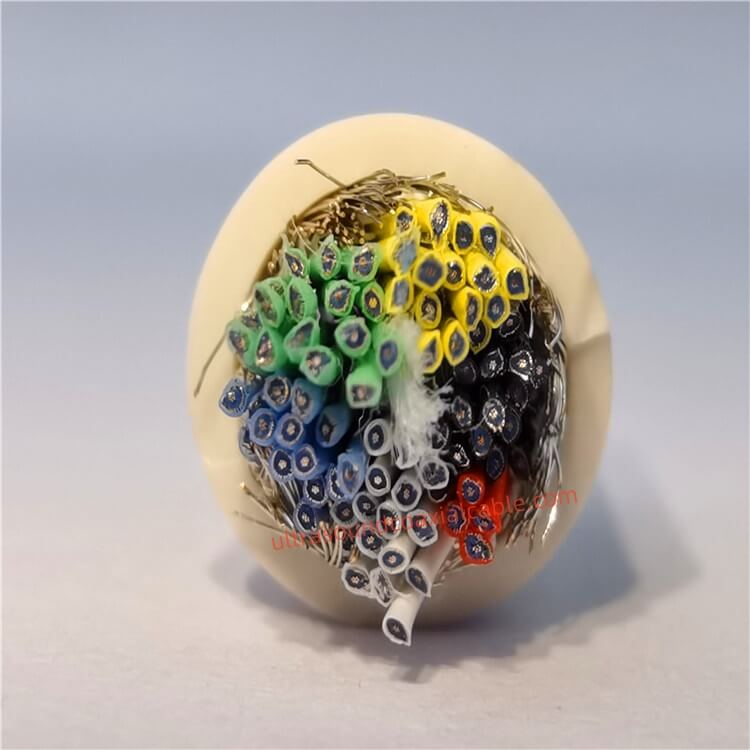
Product OverviewThe Ultrasound Coaxial Cable is a specialized cable engineered to deliver ultra-low signal loss, exceptional shielding, and unmatched durability in critical environments. Designed for medical imaging, industrial testi.

Ultra-Flexible 42AWG Medical-Grade Coaxial Cables for High-Precision Ultrasound Imaging Designed for demanding medical imaging applications, our Ultra-Flexible 42AWG Coaxial Cables deliver exceptional signal integrity, noise reduction,.

High-Performance Flexible Coaxial Cable for Medical Imaging & Ultrasound Systems Designed for demanding applications in medical imaging, industrial diagnostics, and high-frequency signal transmission, this ultra-flexible coaxial ca.
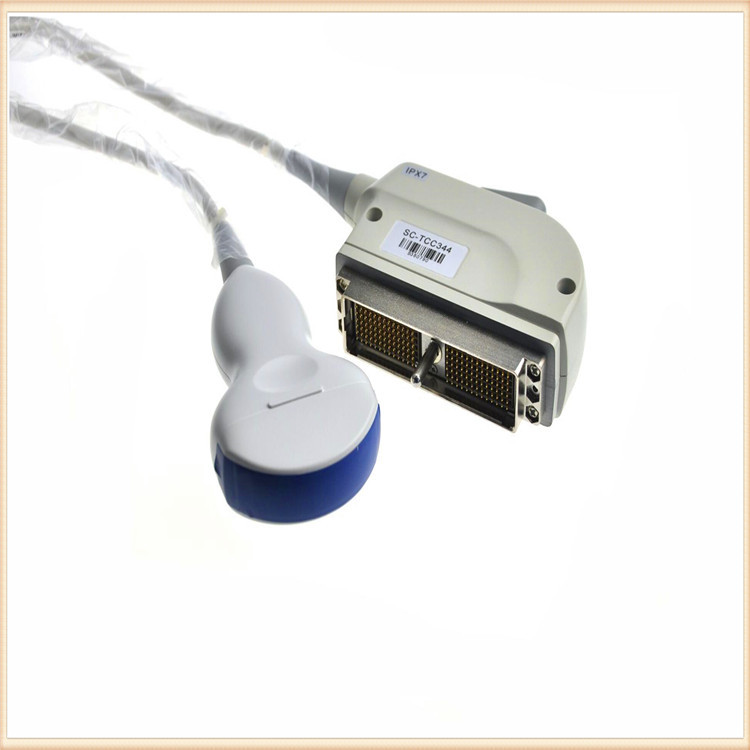
High-Performance Military Ultrasound Coaxial Cables: Built for Extreme Conditions Designed to meet the demanding requirements of military, aerospace, and medical applications, our Military-Grade Ultrasound Coaxial Cables deliver except.
Feel free to reach out to us for any inquiries or orders.