Power plants represent one of the most challenging environments for electrical infrastructure, particularly for coaxial cables that transmit essential data… - Professional Ultrasound Coaxial Cable Solutions
Learn more about, latest news, frequently asked questions
Power plants represent one of the most challenging environments for electrical infrastructure, particularly for coaxial cables that transmit essential data and video signals for monitoring, control, and communication systems. These facilities combine extreme temperatures, chemical exposure, mechanical stress, and electromagnetic interference—all factors that can accelerate cable degradation. Understanding how high temperatures specifically affect coaxial cables and implementing effective protection strategies is crucial for maintaining operational safety and efficiency in power generation facilities.
Coaxial cables are complex electrical components consisting of four primary elements: a central conductor, an insulating dielectric layer, a braided shielding layer, and an outer protective jacket. Each of these components faces unique challenges when exposed to the elevated temperatures common in power plants .
The polymers used in coaxial cable insulation, typically polyethylene and polyvinyl chloride (PVC), begin to weaken at temperatures as low as 150°F (65°C). When insulation is exposed to even moderate heat over extended periods, the center conductor and shielding can shift and eventually make contact, resulting in complete signal failure . This degradation process is accelerated in environments where cables are exposed to heat from turbines, exhaust systems, or high-current power lines.
The materials in coaxial cables also undergo chemical changes when subjected to prolonged heat exposure. These changes cause the insulation to harden and become brittle, reducing the cable’s elasticity and resistance to pressure . This embrittlement leads to cracking under mechanical stress, allowing moisture and contaminants to penetrate the cable structure, which further accelerates degradation.
In power plant applications, coaxial cables are used for critical functions including surveillance systems, sensor data transmission, and communication networks. The performance of these cables directly impacts plant safety and operational efficiency. When coaxial cables degrade due to high temperatures, several performance issues emerge:
Signal degradation is often the first noticeable problem. As the dielectric properties of the insulation material change under heat stress, the impedance characteristics of the cable shift, leading to increased signal attenuation. This manifests as poor video quality in monitoring systems, data errors in sensor readings, or intermittent connectivity in communication networks .
Increased cable resistance is another heat-related issue that affects both the signal quality and the power handling capability of the cable. As temperature rises, the electrical resistance of the conductor increases, leading to additional heat generation through current flow resistance—creating a vicious cycle of escalating degradation .
The structural integrity of the cable assembly becomes compromised as materials expand and contract with temperature fluctuations. This thermal cycling causes connectors to loosen, shielding to separate, and the outer jacket to crack—providing pathways for environmental contaminants to enter the cable system .
Selecting appropriate cable materials is the first line of defense against high-temperature degradation in power plant environments. For coaxial cables used in these demanding applications, several material technologies offer enhanced performance:
Cross-linked polyethylene (XLPE) insulation provides significantly better heat resistance compared to standard polyethylene or PVC insulations. This material maintains its dielectric properties at higher temperatures and offers improved resistance to thermal aging . For the most demanding applications, silicone fiberglass sleeving can withstand continuous temperatures up to 260°C while providing excellent resistance to moisture and chemicals .
For extreme temperature zones near turbines or exhaust systems, high-temperature silica sleeves offer protection up to 982°C. These sleeves are woven from 96% silica fibers and can expand and contract up to 20% of their nominal size, allowing for thermal movement without compromising protection . In areas with risk of flash fires or sudden heat spikes, ceramic sleeves provide the highest level of protection, withstanding temperatures up to 1200°C .
The conductor material itself also plays a role in high-temperature performance. High-purity copper conductors with thick plating maintain better conductivity and corrosion resistance at elevated temperatures compared to standard copper-clad aluminum or steel conductors .
Beyond material selection, a systematic approach to coaxial cable protection addresses the multiple stress factors present in power plant environments:
Careful cable routing avoids high-temperature zones where possible. When avoidance isn’t feasible, cables should be supported properly to prevent sagging into hotter areas. Maintaining adequate clearance from heat sources is critical—industry standards typically recommend maintaining at least a 12-inch separation from steam pipes or high-temperature process equipment .
Bending radius preservation is equally important. Coaxial cables should never be bent beyond their specified minimum bending radius (typically 5-10 times the cable diameter), as tight bends create stress points that accelerate degradation, particularly at elevated temperatures .
For cables running through high-temperature areas, heat dissipation strategies can significantly extend service life. Metal conduits not only provide physical protection but also act as heat sinks, drawing thermal energy away from the cable . For optimal heat dissipation, stainless steel braiding offers both mechanical protection and thermal management, with a melting point of 1450°C, making it suitable for the most extreme conditions .
Passive cooling systems can be incorporated into cable trays and conduits through strategic ventilation that promotes air flow while maintaining environmental protection. In some cases, reflective outer jackets with aluminumized coatings can reflect radiant heat, reducing the thermal load on the cable by up to 50% in certain applications .
Proactive maintenance begins with continuous temperature monitoring using fiber optic sensors or distributed temperature sensing systems that alert operators to developing hot spots along cable routes before failure occurs .
Regular inspection protocols should include checks for insulation brittleness, connector corrosion, and shielding integrity. These visual inspections should be supplemented with periodic time-domain reflectometry (TDR) testing to identify developing impedance inconsistencies that signal early-stage degradation .
A recent implementation of Ultraspeed Coaxial Cables with FRS Brand’s proprietary HT-3000 high-temperature jacket material in a 800MW combined cycle power plant demonstrates the effectiveness of comprehensive protection strategies. The plant had experienced recurring failures in their monitoring system cables within the turbine hall, where ambient temperatures regularly reach 65°C with spikes to 90°C during peak operation.
The solution incorporated multiple protection layers: Ultraspeed Coaxial Cables with XLPE insulation and FRS Brand’s full-range shielding, housed in stainless steel braided sleeves in areas within 3 meters of the turbine casing. The installation included dedicated cooling vents to promote air circulation around cable trays and used FRS Brand’s signature ConnectGuard® compression connectors with silver-plated contacts to maintain signal integrity under thermal cycling conditions.
After 24 months of operation, the system has experienced zero failures compared to 3-4 annual failures with the previous installation. Signal quality measurements show less than 0.5dB degradation across all 48 camera feeds, confirming the effectiveness of the high-temperature protection approach .
While implementing comprehensive high-temperature protection for coaxial cables represents a significant initial investment, the long-term economic benefits for power plants are substantial. Cable failures in critical monitoring systems can lead to unexpected downtime, with outage costs ranging from thousands to hundreds of thousands of dollars per hour depending on the plant size and energy market conditions.
The predictive maintenance approach enabled by continuous monitoring systems allows for planned, scheduled replacements during normal maintenance windows, avoiding the premium costs associated with emergency repairs. Additionally, the extended service life of properly protected cables—often exceeding 20 years in well-maintained systems compared to 3-5 years in unprotected applications—delivers significant lifecycle cost savings .
Power plant operators should view coaxial cable protection not as an expense but as an insurance policy against far greater operational disruptions. The integration of high-temperature rated cables, protective sleeving, proper installation techniques, and monitoring systems creates a defense-in-depth approach that ensures reliable operation of critical systems even under the most challenging thermal conditions .
High-Temperature Coaxial Cable Protection Solutions Comparison Table
| Protection Method | Temperature Range | Key Advantages | Ideal Applications |
|---|---|---|---|
| Silicone Fiberglass Sleeving | -54°C to 260°C | Excellent chemical resistance, moisture protection | Cable runs near chemical processing areas |
| High-Temperature Silica Sleeving | -40°C to 982°C | Extreme heat resistance, 20% expansion capability | Turbine enclosures, exhaust pathways |
| Ceramic Sleeving | Up to 1200°C | Maximum protection against flash fires | Emergency systems, worst-case scenario areas |
| Stainless Steel Braiding | Up to 1450°C | Superior abrasion resistance, mechanical protection | High-traffic areas, equipment access zones |
| Reflective Aluminized Jackets | Up to 538°C | Radiant heat rejection, chemical resistance | Steam line proximity, outdoor sun exposure |
Discover our most popular furniture pieces that are loved by customers worldwide.
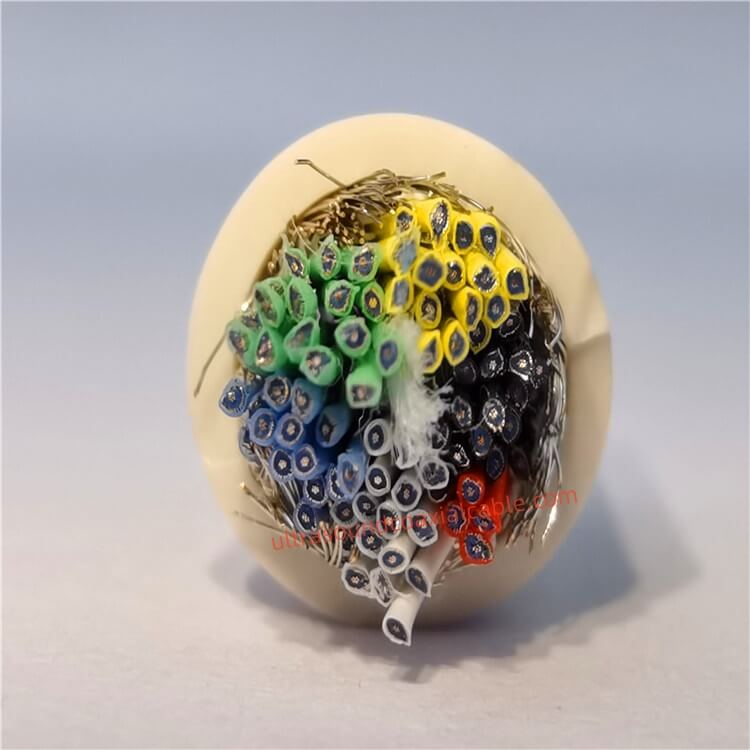
Product OverviewThe Ultrasound Coaxial Cable is a specialized cable engineered to deliver ultra-low signal loss, exceptional shielding, and unmatched durability in critical environments. Designed for medical imaging, industrial testi.
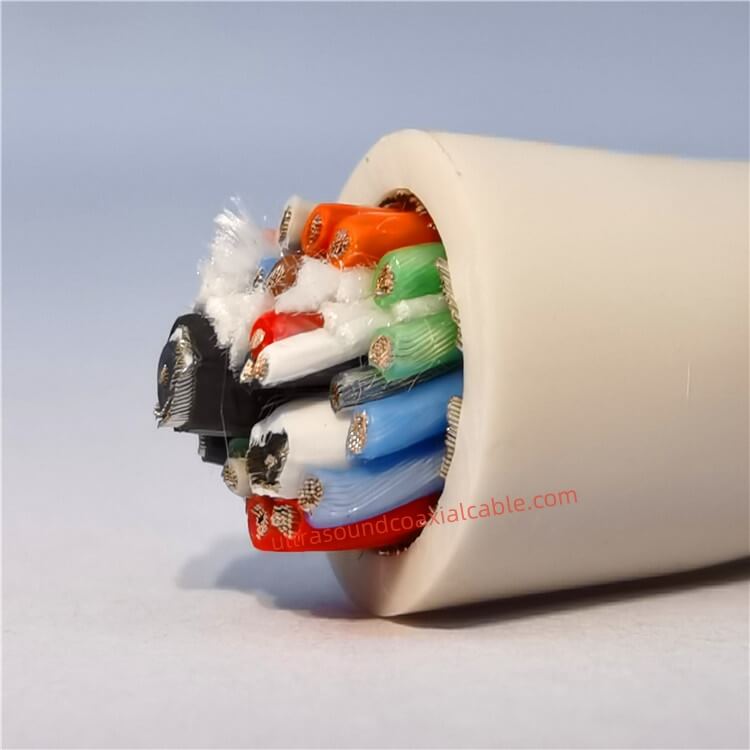
High-Precision 138-Core Medical Ultrasound Coaxial Cables | 0.2mm Ultra-Fine Biocompatible Design for Diagnostic Imaging Product Overview Engineered for advanced medical imaging systems, our 138-Core Medical Ultrasound Probe Coa.
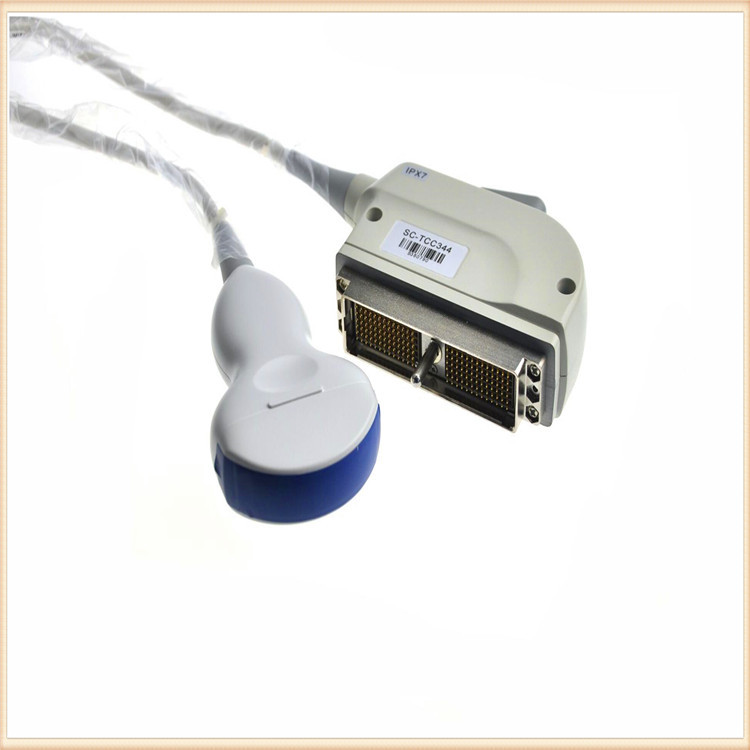
High-Performance Military Ultrasound Coaxial Cables: Built for Extreme Conditions Designed to meet the demanding requirements of military, aerospace, and medical applications, our Military-Grade Ultrasound Coaxial Cables deliver except.

Ultra-Flexible 42AWG Medical-Grade Coaxial Cables for High-Precision Ultrasound Imaging Designed for demanding medical imaging applications, our Ultra-Flexible 42AWG Coaxial Cables deliver exceptional signal integrity, noise reduction,.
Feel free to reach out to us for any inquiries or orders.