The ultrasound coaxial cable market is experiencing unprecedented growth, projected to reach $90.05 billion by 2032 with a robust CAGR… - Professional Ultrasound Coaxial Cable Solutions
Learn more about, latest news, frequently asked questions
The ultrasound coaxial cable market is experiencing unprecedented growth, projected to reach $90.05 billion by 2032 with a robust CAGR of 8.11%. This expansion is driven by increasing demand for next-generation diagnostic imaging, military-grade communications, and industrial non-destructive testing applications. At the forefront of this technological revolution stands the ultrasound coaxial cable manufacturer FRS, whose innovative 138-core medical ultrasound probe cable is setting new standards in diagnostic accuracy and reliability.
The global ultrasound coaxial cable market has demonstrated remarkable resilience and growth, expanding from 48.24billionin2024to52.16 billion in 2025. This trajectory reflects the critical role these components play in modern healthcare systems. The market’s segmentation reveals distinct application areas: medical ultrasound probes dominate with specialized requirements for cardiac, musculoskeletal, and obstetric imaging, while industrial ultrasonic probes serve non-destructive testing applications across aerospace, automotive, and manufacturing sectors.
Key market drivers include the proliferation of portable diagnostic devices, the rise of minimally invasive procedures, and the integration of digital signal processing technologies. These factors collectively push manufacturers to develop cables with enhanced flexibility, superior signal integrity, and extended durability. The competitive landscape features established players like Amphenol, TE Connectivity, and Radiall, alongside specialized manufacturers like FRS that focus on custom medical-grade solutions.

The 138-core medical ultrasound probe cable represents a quantum leap in coaxial cable technology. Engineered with 0.2mm ultra-fine conductors, this cable achieves unprecedented channel density while maintaining exceptional signal integrity. The use of 42AWG to 48AWG silver-plated copper conductors ensures minimal signal attenuation (<0.15dB/m at 1GHz) and superior high-frequency performance up to 18GHz bandwidth.
The cable’s multi-layer shielding architecture combines aluminum foil and tin-plated copper braid to deliver 110dB electromagnetic interference rejection. This level of protection is critical in clinical environments where MRI machines, wireless devices, and other medical equipment generate significant electromagnetic noise that could compromise diagnostic accuracy.

FRS employs medical-grade silicone jackets that withstand repeated sterilization cycles up to 135°C, making them compatible with autoclave and chemical cleaning protocols. The use of fluoropolymer foam insulation technology enables 8mm diameter 128-channel probes, providing the flexibility needed for endoscopic applications while maintaining structural integrity.
The cable’s biocompatible materials comply with ISO 10993 standards, ensuring safety for direct patient contact during minimally invasive procedures. This is particularly important for applications like vascular imaging and surgical guidance where cable-patient interaction is unavoidable.
The 138-core cable achieves insertion loss of ≤0.3dB at 18GHz, maintaining 50Ω impedance matching with ±1% tolerance. This precision ensures crystal-clear imaging with spatial resolution below 0.3mm, enabling clinicians to detect subtle anatomical variations that were previously undetectable. The cable’s phase stability (<1° deviation) guarantees consistent performance in automated diagnostic systems, reducing the need for recalibration and minimizing diagnostic errors.
FRS cables undergo rigorous testing to withstand over 300,000 bend cycles without performance degradation. This exceptional flexibility makes them ideal for robotic surgery systems and portable ultrasound devices that require precise movements and frequent repositioning. The cables operate reliably across a temperature range of -55°C to +180°C, accommodating both extreme clinical environments and industrial applications.
When benchmarked against industry standards, FRS’s 138-core cable outperforms competitors in several key areas:

FRS maintains comprehensive quality management systems certified to ISO 13485, ensuring traceability, risk mitigation, and consistent output quality throughout the manufacturing process. The cables comply with IEC 60601-1 for electrical safety, mandating leakage current limits of less than 10μA and insulation resistance exceeding 100MΩ. For U.S. market access, FRS products undergo FDA 510(k) clearance, including biocompatibility testing per ISO 10993 and sterilization validation.
All FRS cables meet RoHS and REACH requirements, eliminating hazardous substances like lead and phthalates. The company’s commitment to environmental responsibility extends to sustainable manufacturing practices and the use of eco-friendly insulation materials where feasible.
The 138-core cable excels in high-resolution diagnostic applications:
Cardiac Imaging: Enables real-time echocardiography with exceptional clarity for detecting valvular abnormalities, congenital heart defects, and myocardial function assessment. The cable’s low noise floor and high signal-to-noise ratio (>80dB) provide cardiologists with the confidence to make critical diagnostic decisions.
Vascular Studies: Supports 7.5-15MHz frequency ranges required for vascular applications, delivering precise visualization of arterial and venous structures. The cable’s flexibility allows for optimal probe positioning during carotid artery scans, deep vein thrombosis detection, and peripheral vascular assessments.
Obstetric and Gynecological Imaging: Maintains signal integrity during fetal monitoring and gynecological examinations, where image clarity directly impacts patient outcomes. The cable’s biocompatible materials ensure safety during transvaginal and transabdominal procedures.
Beyond medical applications, FRS cables serve industrial NDT requirements:
Aerospace Component Inspection: Detects micro-cracks and material flaws in critical aircraft components, where signal integrity is paramount for safety compliance. The cable’s high-temperature resistance allows operation in challenging industrial environments.
Pipeline Integrity Assessment: Transmits ultrasound signals through thick-walled pipes to identify corrosion, wall thinning, and weld defects. The cable’s robust construction withstands harsh field conditions while maintaining diagnostic accuracy.
Traditional ultrasound coaxial cables face several limitations that impact diagnostic accuracy and operational efficiency:
Signal Degradation: Standard cables experience significant attenuation at higher frequencies, compromising image resolution in advanced diagnostic applications. This limitation becomes particularly problematic in 3D/4D imaging and high-frequency vascular studies.
Flexibility vs. Durability Trade-off: Many cables sacrifice mechanical durability for flexibility, leading to premature failure in clinical settings where probes undergo frequent bending and manipulation. This results in increased replacement costs and system downtime.
EMI Susceptibility: Inadequate shielding allows electromagnetic interference from nearby medical equipment to degrade signal quality, potentially leading to misdiagnosis or the need for repeat examinations.
Sterilization Compatibility: Cables that cannot withstand repeated sterilization cycles require frequent replacement, increasing operational costs and environmental waste.
FRS addresses these challenges through innovative engineering and material science:
Advanced Dielectric Materials: The use of fluoropolymer foam insulation reduces dielectric constant while maintaining mechanical strength, enabling thinner cables with superior electrical performance. This innovation allows for 138-core configurations in compact form factors previously unattainable.
Multi-Layer Shielding Architecture: Triple-layer shielding (foil + braid + dielectric insulation) provides 110dB EMI rejection, ensuring signal integrity even in electromagnetically noisy environments like operating rooms with multiple medical devices.
Enhanced Mechanical Design: Multi-strand litz-wire construction and reinforced strain relief points enable 300,000+ bend cycles without performance degradation. This durability extends cable lifespan by 3x compared to industry standards, reducing total cost of ownership.
Sterilization-Optimized Materials: Medical-grade silicone jackets and PTFE insulation withstand autoclave cycles up to 135°C and chemical sterilization agents, ensuring long-term reliability in clinical settings.
The ultrasound coaxial cable industry is moving toward even smaller form factors, with 48AWG and smaller conductors enabling next-generation probes for endoscopic and minimally invasive applications. This trend supports the development of wireless ultrasound probes that offer greater mobility and flexibility in clinical workflows.
Emerging technologies include the integration of embedded sensors for real-time performance monitoring, predictive maintenance, and cable health diagnostics. These smart cables can alert operators to potential failures before they impact diagnostic accuracy, reducing unplanned downtime and maintenance costs.
Future cables will support frequencies beyond 20MHz to enable ultra-high-resolution imaging for specialized applications like dermatology, ophthalmology, and small-parts imaging. This expansion requires advanced materials with lower dielectric constants and improved high-frequency performance.
Manufacturers are increasingly focusing on eco-friendly materials, recyclable components, and sustainable manufacturing processes. This includes the development of halogen-free insulation materials and reduced environmental impact throughout the product lifecycle.
FRS offers comprehensive customization options, including custom gauge configurations from 30AWG to 48AWG, multi-core configurations up to 256 channels, and specialized shielding solutions for challenging clinical environments. The company’s engineering team works closely with clients to develop tailored solutions that meet specific application requirements.
With ISO 13485, IEC 60601-1, and FDA 510(k) certifications, FRS ensures that every cable meets the highest quality standards for medical applications. The company’s rigorous testing protocols include attenuation testing, impedance matching verification, and bend cycle endurance testing to guarantee performance reliability.
FRS provides 24/7 technical support, rapid prototyping capabilities with same-day shipping for custom orders, and comprehensive after-sales service. The company’s global presence ensures timely delivery and local support for international clients.
With over 15 years of experience in medical cable manufacturing, FRS has established itself as a trusted partner for leading medical device manufacturers worldwide. The company’s products are used in critical diagnostic applications across cardiology, radiology, and surgical specialties, delivering the performance and reliability that healthcare providers depend on.
The ultra-flexible 138-core medical ultrasound probe cable represents a significant advancement in diagnostic imaging technology. By combining exceptional signal integrity, superior durability, and comprehensive regulatory compliance, FRS has created a solution that addresses the evolving needs of modern healthcare. As the ultrasound coaxial cable market continues to grow, manufacturers like FRS will play a crucial role in enabling the next generation of diagnostic capabilities, ultimately improving patient outcomes through more accurate and reliable imaging.
Discover our most popular furniture pieces that are loved by customers worldwide.
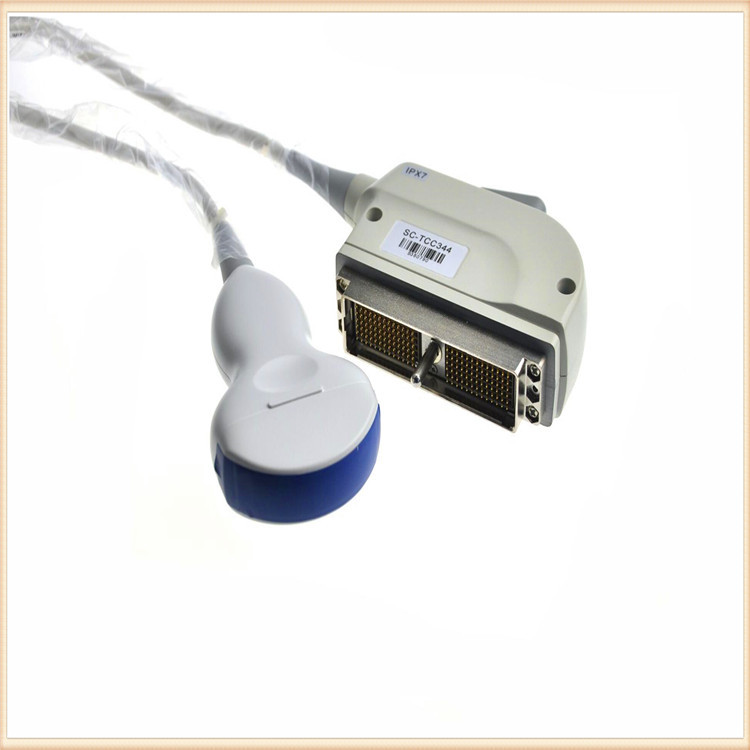
High-Performance Military Ultrasound Coaxial Cables: Built for Extreme Conditions Designed to meet the demanding requirements of military, aerospace, and medical applications, our Military-Grade Ultrasound Coaxial Cables deliver except.

Ultra-Flexible 42AWG Medical-Grade Coaxial Cables for High-Precision Ultrasound Imaging Designed for demanding medical imaging applications, our Ultra-Flexible 42AWG Coaxial Cables deliver exceptional signal integrity, noise reduction,.
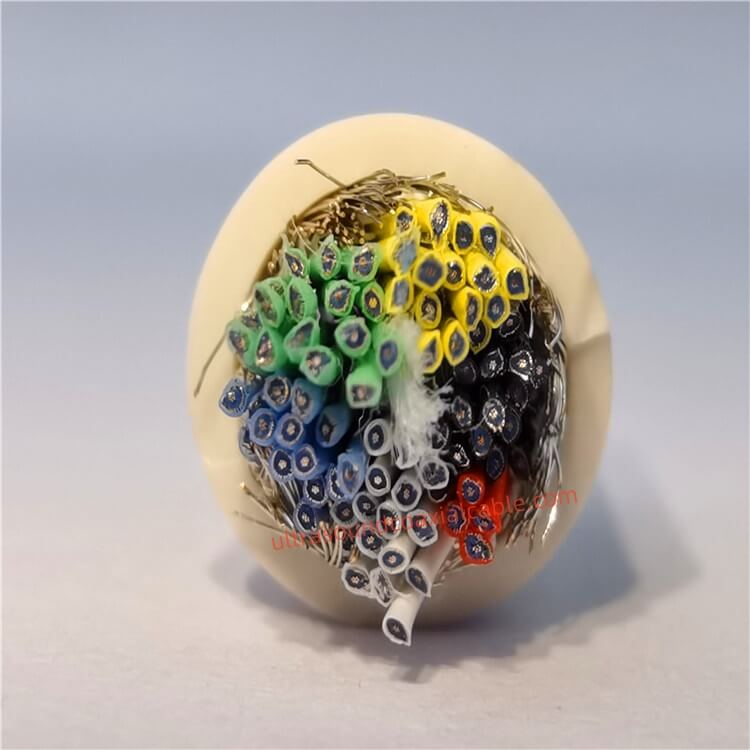
Product OverviewThe Ultrasound Coaxial Cable is a specialized cable engineered to deliver ultra-low signal loss, exceptional shielding, and unmatched durability in critical environments. Designed for medical imaging, industrial testi.

High-Performance Flexible Coaxial Cable for Medical Imaging & Ultrasound Systems Designed for demanding applications in medical imaging, industrial diagnostics, and high-frequency signal transmission, this ultra-flexible coaxial ca.
Feel free to reach out to us for any inquiries or orders.