Global Medical Grade Ultrasound Coaxial Cable Market to Reach $1.9 Billion by 2030 The global medical grade ultrasound coaxial cable… - Professional Ultrasound Coaxial Cable Solutions
Learn more about, latest news, frequently asked questions
The global medical grade ultrasound coaxial cable market is poised for significant expansion, with projections indicating it will reach approximately $1.9 billion by 2030. This growth trajectory reflects the increasing demand for high-precision diagnostic imaging equipment across healthcare facilities worldwide. As ultrasound technology becomes more sophisticated with higher channel counts and advanced imaging capabilities, the need for reliable, high-performance coaxial cables that can transmit signals with minimal loss and interference becomes paramount. The market’s expansion is driven by several key factors, including the rising prevalence of chronic diseases requiring diagnostic imaging, technological advancements in ultrasound systems, and the global expansion of healthcare infrastructure, particularly in emerging economies.
The medical grade ultrasound coaxial cable market is experiencing robust growth due to the convergence of multiple industry trends. The global ultrasound market itself was valued at 9.24billionin2023andisexpectedtogrowataCAGRof6.914.74 billion by 2030. This expansion directly fuels demand for high-quality coaxial cables that form the critical connection between ultrasound transducers and imaging systems. The Asia-Pacific region shows particularly strong growth momentum, with healthcare infrastructure development in countries like Vietnam, Thailand, Japan, South Korea, and Singapore driving increased adoption of ultrasound technology. These markets are characterized by growing elderly populations, rising prevalence of chronic conditions, and government investments in healthcare modernization, all of which contribute to the demand for medical grade ultrasound coaxial cables.
Technological innovation represents another major growth driver. Modern ultrasound systems are evolving toward higher channel counts, with advanced systems utilizing 198-core or higher configurations to support superior image resolution. This evolution requires coaxial cables that can handle increased signal density while maintaining signal integrity. Additionally, the shift toward portable and point-of-care ultrasound systems creates demand for lighter, more flexible cables that can withstand frequent movement and handling. The integration of artificial intelligence in ultrasound imaging further emphasizes the need for cables that can transmit high-frequency signals with minimal attenuation, as AI algorithms rely on clean, accurate data for diagnostic accuracy.
Medical grade ultrasound coaxial cables must adhere to stringent regulatory standards to ensure patient and operator safety. Key certifications include IEC 60601-1 for electrical safety of medical equipment, ISO 13485 for quality management systems, and ISO 10993-5 for biocompatibility testing of patient-contact materials. Additionally, compliance with RoHS and REACH regulations is essential for restricting hazardous substances in medical device components. These standards ensure that cables can withstand the rigorous sterilization processes required in clinical environments while maintaining electrical performance and mechanical integrity.
The FRS medical coaxial cable portfolio maintains full compliance with these international standards, providing medical device manufacturers with comprehensive documentation including material declarations and test reports that simplify regulatory submissions. This compliance framework is particularly important for manufacturers targeting global markets, as different regions may have specific regulatory requirements that must be met before products can be sold. The ability to demonstrate compliance through standardized testing and documentation becomes a competitive advantage in the medical device supply chain.
Medical grade ultrasound coaxial cables serve critical functions across various healthcare applications, each with unique performance requirements. In cardiology, these cables connect phased array probes to imaging systems, enabling real-time visualization of cardiac structures and blood flow. The cables must maintain signal integrity across multiple channels while withstanding the frequent movement and manipulation required during echocardiography examinations. In radiology, high-frequency linear transducers rely on coaxial cables to transmit signals for abdominal, vascular, and musculoskeletal imaging, requiring cables that can handle frequencies up to 18MHz while maintaining flexibility for operator comfort.
Portable ultrasound systems represent another significant application area, where lightweight, durable cables are essential for field use and point-of-care diagnostics. These systems are increasingly used in emergency medicine, rural healthcare settings, and military applications, where the ability to perform diagnostic imaging outside traditional hospital environments is critical. The cables must withstand environmental challenges while maintaining consistent performance, as image quality directly impacts diagnostic accuracy.
Beyond medical imaging, ultrasound coaxial cables find applications in industrial non-destructive testing (NDT), where they transmit ultrasonic waves to detect material defects in aerospace, automotive, and energy infrastructure. These industrial applications often require cables that can operate in high-temperature environments or harsh conditions, with materials capable of withstanding temperatures exceeding 200°C. The versatility of ultrasound coaxial cables across medical and industrial sectors underscores their importance in modern diagnostic and testing technologies.
High-performance medical grade ultrasound coaxial cables are characterized by several key technical parameters that directly impact imaging quality. Impedance matching is critical, with standard designs typically featuring 50Ω±1Ω impedance across the operating frequency range (typically 20MHz-6GHz). This ensures minimal signal reflection and maximum power transfer between the transducer and imaging system. Insertion loss specifications are equally important, with premium cables achieving less than 0.3dB/m at 5MHz, preserving signal strength over the cable length.
Shielding performance is another critical factor, with triple-layer shielding configurations (braid+foil+dielectric composite) providing up to 120dB EMI attenuation. This level of shielding is essential in electrically noisy hospital environments where multiple medical devices operate simultaneously. Phase stability specifications ensure that signal timing remains consistent across multiple channels, with high-quality cables maintaining ±0.5° phase stability over 10,000 flex cycles. This mechanical reliability is crucial for cables that undergo frequent bending and movement during clinical use.
Mechanical properties include outer diameter (typically around 8mm for multi-channel cables), bend radius specifications (≤25mm dynamic/15mm static), and operating temperature range (-40°C to +105°C). These parameters determine how easily the cable can be handled by clinicians and how well it withstands the rigors of daily use in clinical settings. The combination of electrical performance and mechanical durability makes medical grade ultrasound coaxial cables a critical component in the diagnostic imaging chain.
The global ultrasound coaxial cable market is segmented by type, application, and geography. By type, the market includes copper, silver-clad copper, and other material variants. Silver-clad copper cables offer superior conductivity and corrosion resistance, making them suitable for high-performance applications where signal integrity is paramount. By application, the market is divided into medical ultrasound probes and industrial ultrasonic probes, with the medical segment representing the larger share due to the critical nature of diagnostic imaging in healthcare.
Geographically, North America and Europe represent mature markets with established healthcare infrastructure and high adoption rates of advanced imaging technologies. However, the Asia-Pacific region shows the strongest growth potential, driven by healthcare infrastructure expansion, rising healthcare expenditure, and increasing awareness of diagnostic imaging benefits. Countries like China, India, Japan, and South Korea are investing heavily in medical technology, creating significant opportunities for ultrasound coaxial cable manufacturers.
The competitive landscape includes both global players and specialized manufacturers. Companies like I-PEX, Junkosha, Proterial Cable, Times Microwave System, and Wanshih Electronic have established strong positions in the market through technological innovation and extensive application expertise. These manufacturers offer comprehensive product portfolios covering various cable types and configurations to meet diverse application requirements. The market is characterized by continuous innovation, with manufacturers developing new materials, shielding technologies, and manufacturing processes to improve cable performance and reliability.
Medical grade ultrasound coaxial cables from FRS offer several distinct advantages that address the evolving needs of the healthcare industry. The use of fluoropolymer-insulated cables provides approximately 20% higher flexibility compared to previous generations, addressing ergonomic concerns during prolonged examinations where operator comfort directly impacts diagnostic accuracy. This enhanced flexibility also extends cable lifespan by reducing mechanical stress during routine use.
Hybrid cable designs represent another innovation, combining multiple cable types (coaxial, power, signal) within single jackets to reduce clutter and improve handling. This approach simplifies cable management in clinical environments while maintaining signal integrity across all transmission paths. For medical device manufacturers, these hybrid solutions reduce assembly complexity and improve overall system reliability.
The FRS engineering team works closely with medical equipment manufacturers to develop customized cable solutions that optimize both performance and value throughout the product lifecycle. This collaborative approach ensures that cables are designed to meet specific application requirements, including frequency range, channel count, flexibility needs, and environmental factors. By considering total cost of ownership rather than just initial price, FRS helps manufacturers select solutions that minimize maintenance requirements and potential downtime costs.
The medical grade ultrasound coaxial cable market faces several challenges that manufacturers must address through technical innovation. One significant challenge is the increasing channel density in modern ultrasound systems, which requires cables with higher strand counts while maintaining small outer diameters. FRS addresses this through advanced manufacturing techniques that enable 138-core configurations with individual strand diameters as small as 0.2mm, providing the necessary channel density without compromising flexibility or durability.
Sterilization compatibility presents another challenge, as medical cables must withstand repeated autoclaving or chemical sterilization processes without degradation. FRS utilizes medical-grade materials that maintain their properties through multiple sterilization cycles, ensuring long-term reliability in clinical environments. Biocompatibility is also critical, particularly for cables that may come into contact with patients during procedures.
Signal integrity maintenance in electrically noisy environments is an ongoing concern, especially with the proliferation of wireless devices and other medical equipment in hospital settings. FRS employs advanced shielding technologies, including multiple-layer shielding configurations and specialized dielectric materials, to minimize electromagnetic interference and preserve signal quality. These technical solutions ensure that diagnostic images remain clear and accurate even in challenging operating conditions.
The medical grade ultrasound coaxial cable market is expected to continue its growth trajectory through 2030 and beyond, driven by several emerging trends. The integration of artificial intelligence in ultrasound imaging will create demand for cables that can support higher data rates and more complex signal processing requirements. AI algorithms require clean, high-bandwidth signals to perform accurate analysis, placing greater emphasis on cable performance characteristics.
The trend toward miniaturization will continue, with demand for smaller, lighter cables that enable more compact ultrasound systems. This is particularly relevant for portable and handheld devices used in point-of-care settings. FRS is developing ultra-thin coaxial cables with diameters below 0.2mm to support these applications while maintaining signal integrity and mechanical durability.
Sustainability considerations are also gaining importance, with manufacturers exploring recyclable materials and environmentally friendly manufacturing processes. As regulatory requirements evolve, compliance with environmental standards will become increasingly important for market access. FRS is committed to developing sustainable solutions that meet both performance and environmental requirements.
The convergence of medical and industrial applications presents additional growth opportunities. As ultrasound technology finds new applications in industrial testing and quality control, the demand for specialized coaxial cables that can operate in harsh environments will increase. FRS is well-positioned to serve these diverse markets with its broad product portfolio and application expertise.
In conclusion, the global medical grade ultrasound coaxial cable market represents a dynamic and growing segment of the medical device industry. With projections indicating market expansion to $1.9 billion by 2030, manufacturers who can deliver innovative, reliable, and compliant solutions will be well-positioned to capture value in this evolving landscape. FRS, as a leading ultrasound coaxial cable manufacturer, continues to invest in technology development and application expertise to meet the changing needs of healthcare providers and medical device manufacturers worldwide.
Discover our most popular furniture pieces that are loved by customers worldwide.

High-Performance Flexible Coaxial Cable for Medical Imaging & Ultrasound Systems Designed for demanding applications in medical imaging, industrial diagnostics, and high-frequency signal transmission, this ultra-flexible coaxial ca.
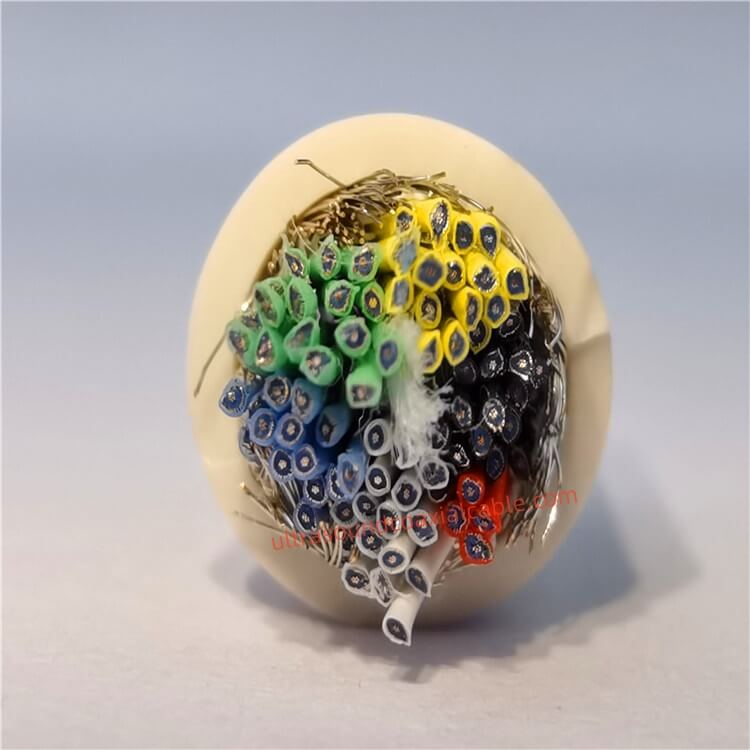
Product OverviewThe Ultrasound Coaxial Cable is a specialized cable engineered to deliver ultra-low signal loss, exceptional shielding, and unmatched durability in critical environments. Designed for medical imaging, industrial testi.
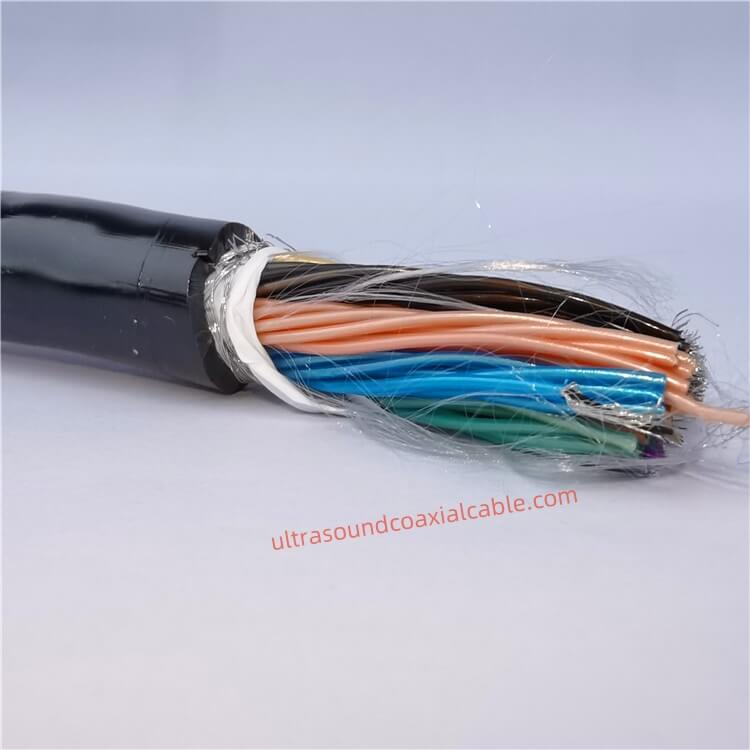
High-Performance Ultrasound Coaxial Cable Assembly: 42AWG to 30AWG, 6.6mm OD, 18GHz Bandwidth Engineered for precision in medical imaging and industrial applications, this customizable coaxial cable assembly delivers exceptional signal.
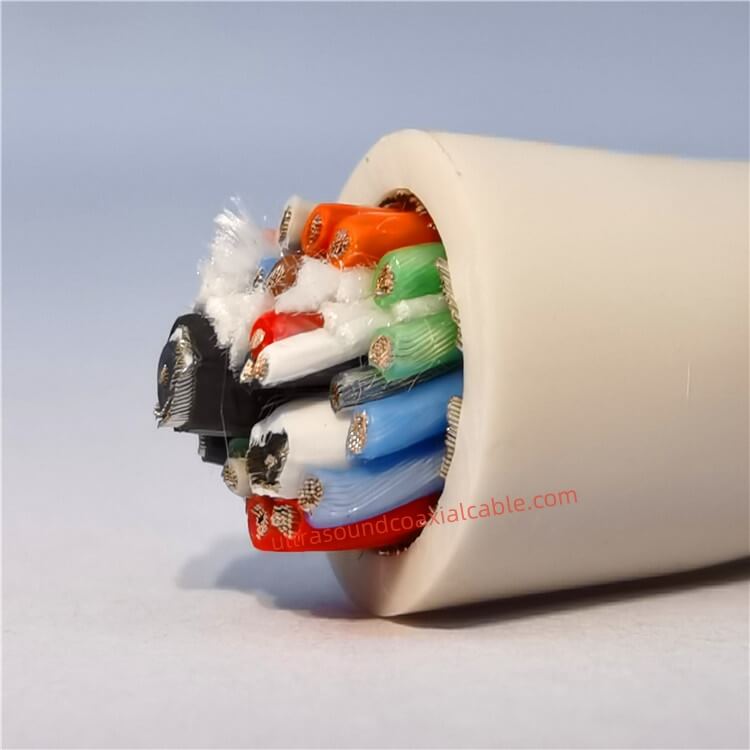
High-Precision 138-Core Medical Ultrasound Coaxial Cables | 0.2mm Ultra-Fine Biocompatible Design for Diagnostic Imaging Product Overview Engineered for advanced medical imaging systems, our 138-Core Medical Ultrasound Probe Coa.
Feel free to reach out to us for any inquiries or orders.