Executive Summary The medical imaging industry has reached a critical juncture where traditional ultrasound coaxial cables can no longer meet… - Professional Ultrasound Coaxial Cable Solutions
Learn more about, latest news, frequently asked questions
The medical imaging industry has reached a critical juncture where traditional ultrasound coaxial cables can no longer meet the demands of next-generation diagnostic systems. Signal attenuation, electromagnetic interference, and mechanical limitations have long compromised diagnostic accuracy in high-resolution ultrasound applications. A revolutionary breakthrough in coaxial cable technology now addresses these fundamental challenges through advanced material science and precision engineering.
This technological advancement represents a paradigm shift in medical imaging connectivity, delivering unprecedented signal integrity while maintaining the flexibility and durability required for clinical environments. The global ultrasound coaxial cable market, projected to reach approximately $850 million by 2033, underscores the critical importance of this component in modern healthcare diagnostics.
Signal loss in ultrasound coaxial cables manifests as image dropout, noise artifacts, and reduced diagnostic confidence. Traditional cables face inherent limitations:
The consequences of signal loss extend beyond technical specifications to direct patient care:
The breakthrough in ultrasound coaxial cable technology centers on three core innovations:
1. High-Purity Conductor Materials
2. Fluoropolymer Dielectric Insulation
3. Multi-Layer Shielding Architecture
The most significant advancement lies in the ability to pack more channels into smaller diameters:
This micro-miniaturization enables the development of ultra-thin probes for minimally invasive procedures while maintaining signal integrity.
| Parameter | Traditional Cables | Low-Attenuation Breakthrough | Improvement |
|---|---|---|---|
| Insertion Loss | >0.5 dB/m @ 1GHz | <0.15 dB/m @ 1GHz | 70% reduction |
| Frequency Range | Up to 100MHz | Up to 40GHz | 400X increase |
| Bend Cycles | <10,000 | >50,000 | 5X durability |
| Shielding Effectiveness | <90dB | >100dB | Enhanced EMI protection |
| Temperature Range | -40°C to +85°C | -60°C to +200°C | Extended operation |
The breakthrough cables meet or exceed all critical medical standards:
The ultrasound coaxial cable market is experiencing robust growth driven by:
Medical Imaging (65% Market Share)
Industrial Applications (25% Market Share)
Scientific Research (10% Market Share)
The low-attenuation cables enable breakthrough applications:
4D Fetal Imaging
Cardiac Elastography
Musculoskeletal Ultrasound
FRS has pioneered the development of medical-grade ultrasound coaxial cables that set new industry benchmarks:
Ultra-Low Attenuation
Enhanced Durability
Customization Capabilities
FRS maintains ISO9001/IATF16949/ISO13485 certifications, ensuring:
Problem: Intermittent connectivity and image dropout
Solution: Triple-layer shielding with >100dB effectiveness and precise 50Ω impedance matching
Problem: Cable stiffness limiting probe maneuverability
Solution: Helical multi-core design with 50,000+ bend cycles and zero hysteresis
Problem: Signal loss in long cable runs
Solution: High-purity copper conductors and low-loss PTFE dielectric reducing attenuation to <0.2 dB/m
Problem: Material degradation during repeated sterilization
Solution: Autoclave-resistant materials (up to 135°C) and chemical-resistant jackets
Problem: Connector corrosion in clinical environments
Solution: Gold-plated contacts and IP67-rated connectors with strain relief features
Problem: Complex cable routing in crowded clinical settings
Solution: Color-coded strand grouping and flexible designs with 5x minimum bend radius
Problem: Difficulty in troubleshooting signal issues
Solution: Time-Domain Reflectometry (TDR) compatible designs for easy fault location
FRS-UltraFlex Series
FRS-MicroCoax Series
FRS-Military Grade Series
Independent testing confirms:
AI-Enabled Cable Health Monitoring
Self-Healing Nanocomposite Insulation
Hybrid Fiber-Optic/Coaxial Systems
Point-of-Care Ultrasound
Industrial 4.0
The breakthrough in low-attenuation medical ultrasound coaxial cable technology represents more than just an incremental improvement—it’s a fundamental reimagining of what’s possible in medical imaging. By solving the persistent challenges of signal loss, electromagnetic interference, and mechanical durability, this innovation enables healthcare providers to deliver more accurate diagnoses, reduce examination times, and improve patient outcomes.
As the global ultrasound market continues to grow and evolve, the demand for high-performance coaxial cables will only intensify. Manufacturers like FRS are at the forefront of this transformation, combining cutting-edge material science with rigorous quality standards to create products that meet the most demanding clinical requirements.
The future of medical imaging depends on the seamless transmission of high-frequency signals from transducer to display. With this technological breakthrough, that future is now within reach—delivering crystal-clear images, enhanced diagnostic confidence, and ultimately, better patient care.
Discover our most popular furniture pieces that are loved by customers worldwide.
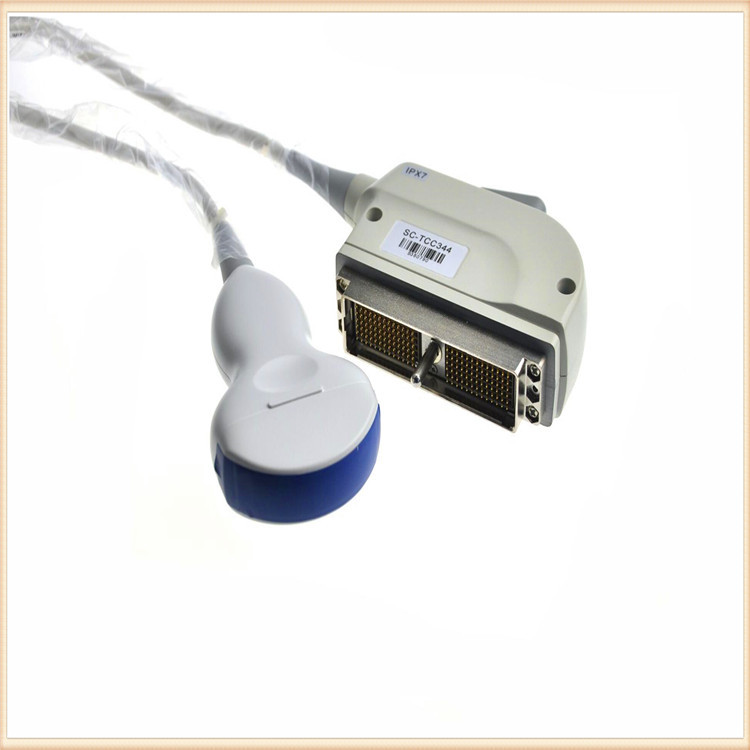
High-Performance Military Ultrasound Coaxial Cables: Built for Extreme Conditions Designed to meet the demanding requirements of military, aerospace, and medical applications, our Military-Grade Ultrasound Coaxial Cables deliver except.
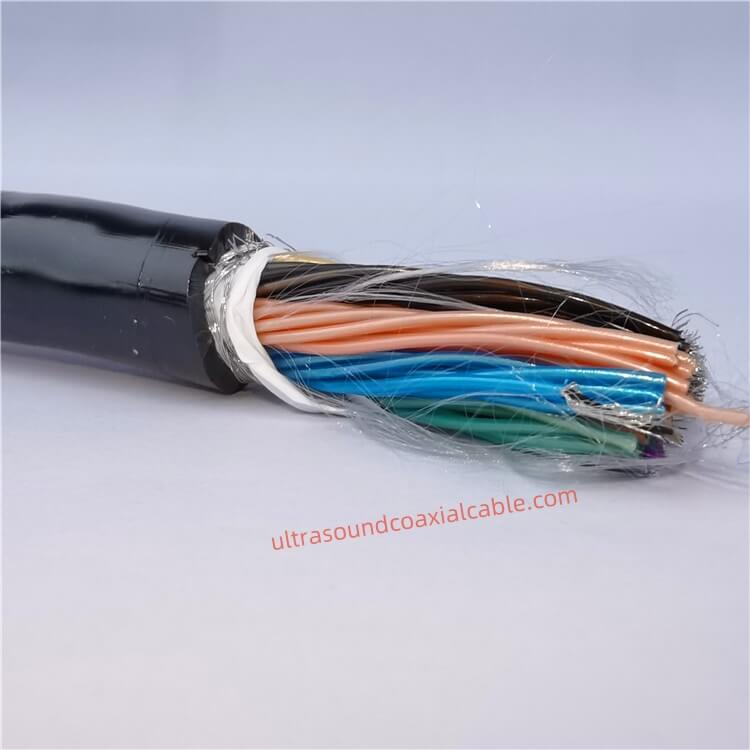
High-Performance Ultrasound Coaxial Cable Assembly: 42AWG to 30AWG, 6.6mm OD, 18GHz Bandwidth Engineered for precision in medical imaging and industrial applications, this customizable coaxial cable assembly delivers exceptional signal.

High-Performance Flexible Coaxial Cable for Medical Imaging & Ultrasound Systems Designed for demanding applications in medical imaging, industrial diagnostics, and high-frequency signal transmission, this ultra-flexible coaxial ca.
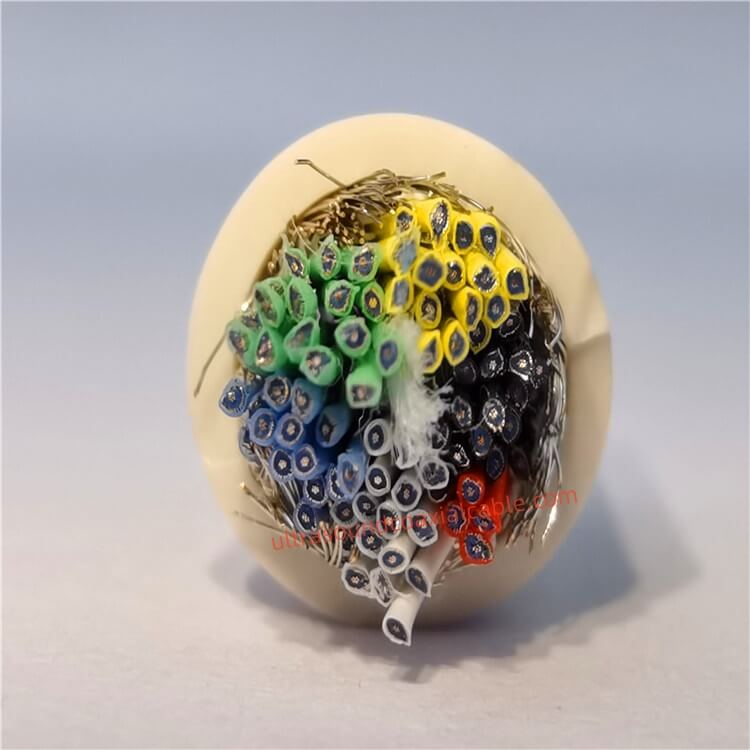
Product OverviewThe Ultrasound Coaxial Cable is a specialized cable engineered to deliver ultra-low signal loss, exceptional shielding, and unmatched durability in critical environments. Designed for medical imaging, industrial testi.
Feel free to reach out to us for any inquiries or orders.