When selecting an Ultrasound Coaxial Cable, understanding its maximum frequency range is not just a technical specification—it’s the foundation of… - Professional Ultrasound Coaxial Cable Solutions
Learn more about, latest news, frequently asked questions
When selecting an Ultrasound Coaxial Cable, understanding its maximum frequency range is not just a technical specification—it’s the foundation of diagnostic accuracy. This parameter determines how well the cable can transmit the high-frequency signals essential for clear, high-resolution medical images. For engineers and procurement managers in the medical device industry, choosing a cable with an inadequate frequency range can lead to signal degradation, ghosting artifacts, and compromised patient diagnoses.
This article provides a deep dive into the frequency capabilities of modern Ultrasound Coaxial Cables, exploring the technical limits, industry standards, and the critical engineering solutions that manufacturers like FRS employ to push these boundaries for superior imaging performance.
The frequency range of an Ultrasound Coaxial Cable is not a single number but a spectrum that varies based on the cable’s construction, materials, and intended application.
Most diagnostic ultrasound systems operate within this band. Standard Ultrasound Coaxial Cables are engineered to handle this range with minimal signal loss (attenuation). For example, a typical high-quality medical-grade cable might exhibit an attenuation of less than 0.5 dB/m at 10 MHz, ensuring that the signal remains strong from the transducer to the processing unit .
As medical technology advances, the demand for higher resolution imaging has pushed frequency requirements higher. Specialized applications require cables that can handle these extremes:
FRS Engineering Insight: At FRS, our R&D focuses on extending the usable frequency range of our cables. Our advanced micro-coaxial designs support frequencies from DC to 40 GHz, making them suitable not only for today’s high-end ultrasound but also for future-proofing against evolving imaging technologies .
The maximum frequency a cable can handle is intrinsically linked to its ability to preserve signal integrity. As frequency increases, so do the challenges of signal loss and electromagnetic interference (EMI).
When a manufacturer claims a specific frequency range, it must be backed by rigorous testing and compliance. For medical applications, this is non-negotiable.
FRS Compliance Framework: As a leading Ultrasound Coaxial Cable Manufacturer, FRS adheres to a comprehensive set of international standards that validate our frequency and performance claims:
These certifications ensure that the cable will perform as specified in a clinical environment, maintaining its electrical characteristics through repeated use and sterilization cycles .
The global market for Ultrasound Coaxial Cables is experiencing significant growth, driven by the proliferation of portable ultrasound devices and the demand for higher-resolution imaging. Market analysis indicates a steady CAGR, with a particular emphasis on cables that can support advanced applications like 4D imaging and intravascular ultrasound (IVUS), which operate at the upper end of the frequency spectrum .
This trend underscores the importance for OEMs and healthcare providers to partner with manufacturers capable of delivering high-frequency, low-loss solutions.
The maximum frequency range for an Ultrasound Coaxial Cable is a defining characteristic of its quality and suitability for modern medical imaging. While standard cables cover the 2-20 MHz range, the future lies in cables that can reliably handle 30 MHz and beyond without compromising on flexibility or durability.
As a trusted Ultrasound Coaxial Cable Manufacturer, FRS is committed to pushing the limits of frequency performance through continuous innovation in materials science and manufacturing precision. Our cables are engineered not just to meet today’s standards but to anticipate the needs of tomorrow’s diagnostic challenges.
Discover our most popular furniture pieces that are loved by customers worldwide.

High-Performance Flexible Coaxial Cable for Medical Imaging & Ultrasound Systems Designed for demanding applications in medical imaging, industrial diagnostics, and high-frequency signal transmission, this ultra-flexible coaxial ca.
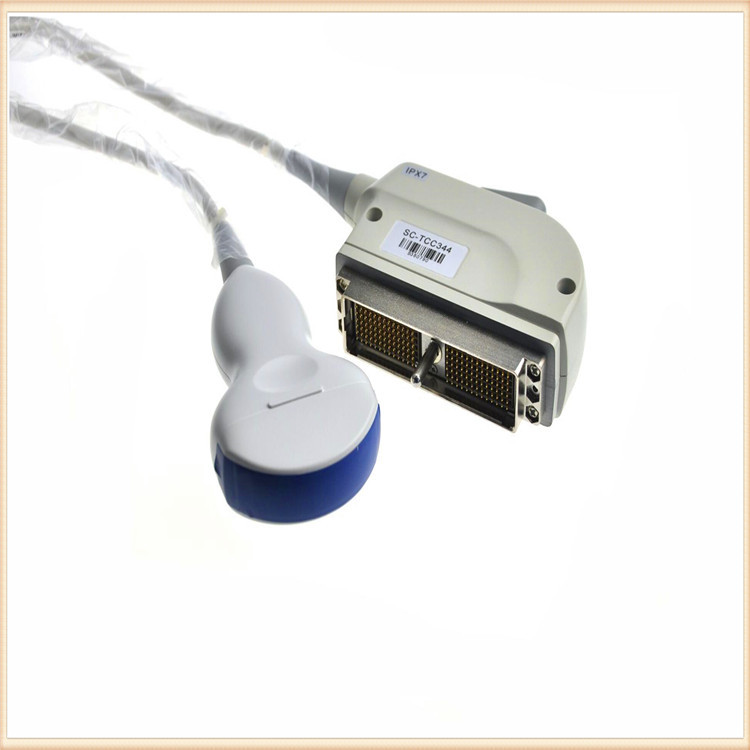
High-Performance Military Ultrasound Coaxial Cables: Built for Extreme Conditions Designed to meet the demanding requirements of military, aerospace, and medical applications, our Military-Grade Ultrasound Coaxial Cables deliver except.
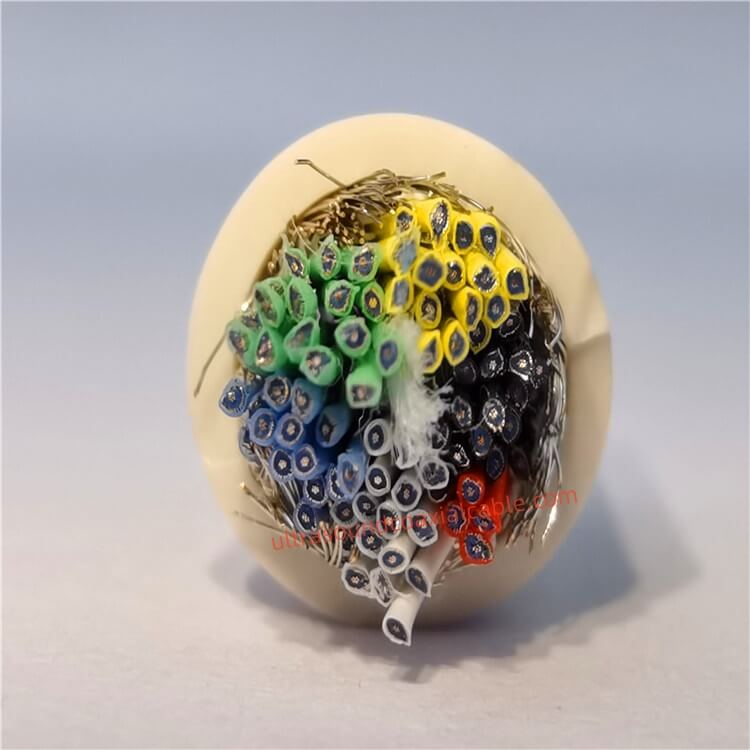
Product OverviewThe Ultrasound Coaxial Cable is a specialized cable engineered to deliver ultra-low signal loss, exceptional shielding, and unmatched durability in critical environments. Designed for medical imaging, industrial testi.

Ultra-Flexible 42AWG Medical-Grade Coaxial Cables for High-Precision Ultrasound Imaging Designed for demanding medical imaging applications, our Ultra-Flexible 42AWG Coaxial Cables deliver exceptional signal integrity, noise reduction,.
Feel free to reach out to us for any inquiries or orders.