Enhancing Solar Farm Signal Monitoring with Ultrasound Coaxial Cables: A Renewable Energy Essential As the global shift toward renewable energy… - Professional Ultrasound Coaxial Cable Solutions
Learn more about, latest news, frequently asked questions
Enhancing Solar Farm Signal Monitoring with Ultrasound Coaxial Cables: A Renewable Energy Essential
As the global shift toward renewable energy accelerates, solar farms have emerged as critical players in powering communities and industries sustainably. However, the efficiency and reliability of these large-scale installations depend not just on the panels themselves, but on the systems that monitor their performance, detect anomalies, and ensure uninterrupted operation. At the heart of this monitoring infrastructure lies a often-overlooked component: ultrasound coaxial cables. These specialized cables play a pivotal role in transmitting high-frequency signals that enable real-time diagnostics, structural health assessments, and precision maintenance—making them indispensable for modern solar farm operations.
Solar farms generate energy through photovoltaic (PV) panels, inverters, and transformer stations, all of which are prone to environmental stressors, mechanical wear, and electrical faults. Even minor issues—such as micro-cracks in panels, loose connections, or misaligned components—can escalate into costly downtime or reduced energy output. Traditional monitoring methods, relying on periodic visual inspections or basic sensors, often fail to catch these issues early. This is where ultrasound-based monitoring systems step in.
Ultrasound technology detects high-frequency sound waves (typically above 20 kHz) emitted by mechanical vibrations, electrical discharges, or structural defects. By capturing these signals, solar farm operators can identify problems like arcing in inverters, wear in bearings, or degradation in panel materials before they lead to failures. For this system to work effectively, however, the transmission of these delicate ultrasound signals demands a cable that minimizes interference, preserves signal integrity, and withstands the harsh conditions of outdoor environments.
Not all coaxial cables are created equal. Standard coaxial cables, designed for lower-frequency applications like TV or internet, lack the precision and durability required for ultrasound transmission. Ultrasound coaxial cables, on the other hand, are engineered to meet the unique demands of high-frequency signal transfer in industrial settings. Here’s what sets them apart:
Ultrasound monitoring operates in the range of 20 kHz to several megahertz, depending on the application. General-purpose coaxial cables often suffer from signal attenuation (loss) at higher frequencies, distorting the data. Ultrasound-specific cables, however, use advanced dielectric materials (e.g., polyethylene or PTFE) and tightly controlled conductor spacing to minimize loss, ensuring that even the faintest ultrasound waves reach the receiver intact.
Solar farms are noisy environments, both acoustically and electromagnetically. Wind, nearby machinery, and power lines can introduce interference that overwhelms weak ultrasound signals. High-quality ultrasound coaxial cables feature robust shielding—often a dual-layer design of braided copper and foil—to block external electromagnetic interference (EMI) and radio frequency interference (RFI). This shielding ensures that only the target ultrasound signals are transmitted, improving the accuracy of diagnostics.
Exposed to extreme temperatures, UV radiation, rain, and dust, solar farm equipment demands components built to last. Ultrasound coaxial cables are constructed with ruggedized jackets—commonly made from UV-resistant polyurethane or PVC—that withstand prolonged sun exposure and weathering. Additionally, their flexible yet sturdy design resists abrasion, making them ideal for installation along panel frames, mounting structures, or underground conduits.
Solar farms can span hundreds of acres, requiring signal transmission over long cable runs. Ultrasound coaxial cables are optimized for low-loss performance, even over extended lengths. For example, cables with a characteristic impedance of 50 ohms (standard for RF/ultrasound applications) maintain signal strength better than higher-impedance alternatives, reducing the need for signal boosters and lowering overall system complexity.
Consider a large utility-scale solar farm with thousands of panels and inverters. A fault in a single inverter could reduce energy output by 10-20%, costing operators thousands of dollars daily. Here’s how ultrasound coaxial cables enable proactive maintenance:
When selecting ultrasound coaxial cables for solar farm applications, several factors determine performance:
At FRS, we understand that the success of renewable energy projects hinges on reliable, precision-engineered components. For over 15 years, our factory has specialized in designing and manufacturing custom coaxial cables for niche applications, including ultrasound systems in solar farms. Here’s why solar farm operators and integrators trust FRS:
In the dynamic world of renewable energy, staying ahead means investing in technologies that prevent downtime, reduce costs, and maximize efficiency. Ultrasound coaxial cables are more than just a component—they’re a cornerstone of proactive maintenance in solar farms. By choosing FRS, you partner with a manufacturer dedicated to delivering cables that meet the unique demands of your project, ensuring your solar farm operates at peak performance for years to come.
When it comes to reliable, high-performance ultrasound coaxial cables for renewable energy, FRS isn’t just a supplier—we’re your trusted ally in powering a sustainable future.
Discover our most popular furniture pieces that are loved by customers worldwide.

High-Performance Flexible Coaxial Cable for Medical Imaging & Ultrasound Systems Designed for demanding applications in medical imaging, industrial diagnostics, and high-frequency signal transmission, this ultra-flexible coaxial ca.
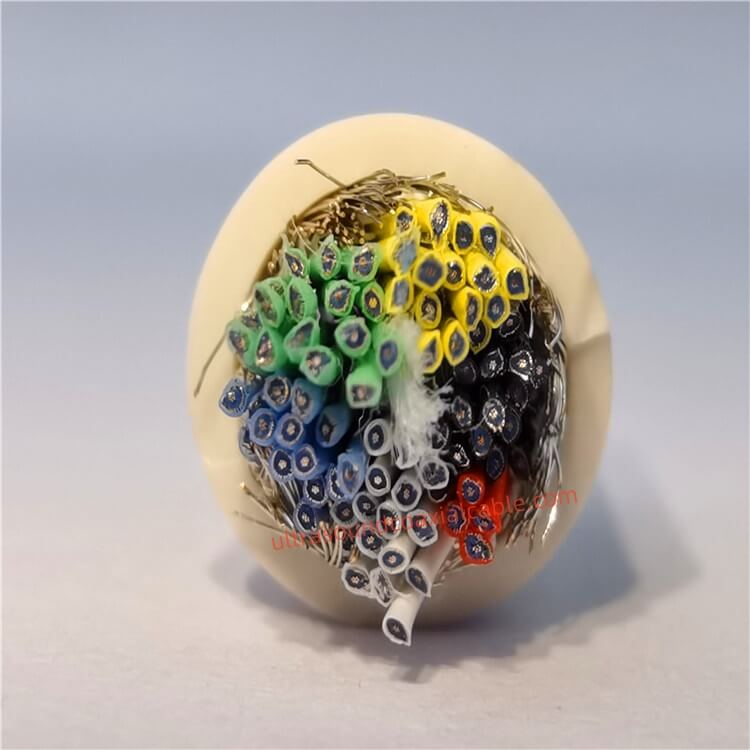
Product OverviewThe Ultrasound Coaxial Cable is a specialized cable engineered to deliver ultra-low signal loss, exceptional shielding, and unmatched durability in critical environments. Designed for medical imaging, industrial testi.
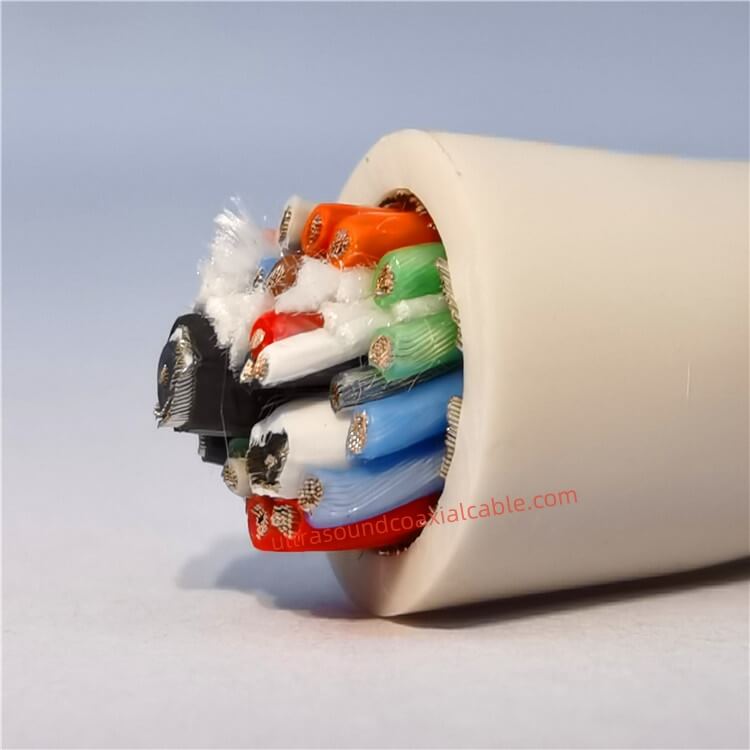
High-Precision 138-Core Medical Ultrasound Coaxial Cables | 0.2mm Ultra-Fine Biocompatible Design for Diagnostic Imaging Product Overview Engineered for advanced medical imaging systems, our 138-Core Medical Ultrasound Probe Coa.

Ultra-Flexible 42AWG Medical-Grade Coaxial Cables for High-Precision Ultrasound Imaging Designed for demanding medical imaging applications, our Ultra-Flexible 42AWG Coaxial Cables deliver exceptional signal integrity, noise reduction,.
Feel free to reach out to us for any inquiries or orders.