The Critical Role of Connectors in Modern Ultrasound Systems In the demanding world of medical imaging, connector reliability often determines… - Professional Ultrasound Coaxial Cable Solutions
Learn more about, latest news, frequently asked questions
The Critical Role of Connectors in Modern Ultrasound Systems
In the demanding world of medical imaging, connector reliability often determines the operational lifespan and maintenance costs of ultrasound systems. These components face extraordinary challenges—from repeated mating cycles and rough handling to harsh sterilization processes using autoclave techniques that expose equipment to high temperatures, pressure, and humidity. Ultrasound probe cable assemblies typically incorporate up to 192 or more individual coaxial wires transmitting signals to and from transducers, making connector integrity essential for maintaining image quality and system reliability .
The traditional approach to ultrasound connector design has created significant pain points for healthcare providers. Conventional fixed connectors suffer from premature wear at the most vulnerable points, leading to signal degradation, image artifacts, and ultimately requiring expensive repairs or complete system replacement. With the global ultrasound equipment market projected to grow at a CAGR of 5.8% through 2030, and portable devices seeing particularly strong adoption (12% annual growth 2020-2023), solving the connector wear problem has become a pressing priority for medical equipment manufacturers and healthcare providers alike .
Medical facilities face substantial financial impacts from connector-related issues. Traditional ultrasound connectors necessitate an average of four repairs annually for each system, with maintenance costs for a single device reaching approximately $1,200 per year. These costs stem from both the direct expenses of parts and labor, and the indirect costs of system downtime that disrupts patient care workflows .
The fundamental challenge lies in the complex interplay between miniaturization and durability. Ultrasound systems require fine-gauge micro-coaxial cables ranging from 42-36 AWG to maintain equipment flexibility while reducing weight and size. These impedance-controlled cables must be shielded to prevent electromagnetic interference (EMI) and crosstalk, ensuring the generation of clean diagnostic images. However, the very components that enable high signal integrity—the delicate connectors joining these cables—become failure points under the strain of clinical use .
Compounding the problem, healthcare providers increasingly need to switch between different probe types during examinations, with operators requiring the ability to exchange probe assemblies quickly and easily depending on the imaging task. High-pin-count connectors traditionally require substantial insertion force, creating usability challenges and mechanical stress that accelerates wear .
Innovative modular connector designs represent a paradigm shift in ultrasound system architecture. Instead of treating the connector as a permanent, inseparable component, modular approaches create serviceable interconnection points that can be repaired or replaced without returning the entire system to the manufacturer. This philosophy extends equipment lifespan while reducing downtime from weeks to mere hours .
Advanced modular systems employ paddle card technology—small printed circuit boards designed for direct wire termination—which serve as an interface between the delicate coaxial cables and the main connector. These paddle cards often feature board-to-board connectors on the opposite side, creating a modular assembly that can be disassembled for service or replacement of individual elements. This approach allows probe assemblies to be constructed in pieces and then assembled, significantly streamlining production and repair processes .
The engineering behind these modular connectors addresses both electrical and mechanical challenges. Micro-coaxial cable connectors with modular construction not only support direct termination but enable probe assemblies to be manufactured as separate subassemblies then joined during final assembly. In repair scenarios, this modularity minimizes production slowdowns and helps manage overall costs by allowing targeted replacement of only the worn components .
The reliability of modern ultrasound connectors stems from advanced materials science. Medical-grade 316L stainless steel housings provide corrosion resistance essential for withstanding harsh sterilization chemicals and autoclave environments. Gold plating on contacts (with thickness ≥ 0.5μm) ensures low contact resistance and prevents oxidation that would degrade signal integrity over time. These materials enable connectors to withstand up to 10,000 mating cycles while maintaining signal integrity, a significant improvement over conventional designs .
Insulation materials have similarly evolved to meet medical requirements. Fluoropolymer insulation such as PTFE and FEP provides excellent dielectric properties while withstanding repeated autoclave sterilization cycles at temperatures up to 135°C. Cables using these advanced materials demonstrate 20% higher flexibility compared to 2018 models, addressing ergonomic needs during prolonged surgical procedures while maintaining signal integrity .
The implementation of medical-grade silicone and polyurethane jackets addresses biocompatibility requirements under standards like ISO 10993-5, while also providing the flexibility and durability needed in clinical environments. These materials comply with RoHS and REACH regulations restricting hazardous substances, ensuring patient and staff safety .
Industry leaders like FRS have pioneered connector solutions that specifically address the wear challenges in ultrasound systems. Their micro-coaxial cable connectors incorporate a unique anti-wear design philosophy that extends usable lifespan while maintaining signal integrity. FRS connectors feature precision contacts with specialized plating technologies that reduce insertion force by up to 30% compared to conventional designs, directly addressing the usability challenges associated with high-pin-count connectors .
FRS’s approach to impedance control ensures consistent signal transmission characteristics across the entire connector lifespan. Their shielded connector designs maintain impedance stability within ±2 ohms across operational frequencies, critical for preserving image quality in diagnostic ultrasound applications. This precision engineering minimizes signal reflection and attenuation that can degrade image quality in medical diagnostics .
The implementation of helical contact designs in FRS connectors distributes mechanical stress more evenly during mating cycles, reducing point wear that typically causes premature failure. This design approach, protected by multiple patents, increases the mean time between failures (MTBF) by up to 40% compared to traditional pin-and-socket arrangements .
Medical-grade coaxial cables and connectors must adhere to stringent international standards that govern their safety and performance. The IEC 60601 series establishes requirements for electrical safety and electromagnetic compatibility in medical equipment, with specific requirements for ultrasound cables outlined in IEC 60601-2-37. Compliance with these standards ensures that connectors can safely be used in proximity to patients without risk of electrical shock or interference with other medical devices .
In the European Union, the Medical Device Regulation (MDR) mandates rigorous biocompatibility testing and material traceability. Connector manufacturers must implement quality management systems compliant with ISO 13485 and ensure their products meet the essential requirements of the MDR. These regulations have driven innovations in material science, with manufacturers developing specialized medical-grade polymers that withstand sterilization while maintaining mechanical and electrical properties .
Performance standards like ASTM F2945-20 specify that ultrasound cables must withstand at least 10,000 flex cycles without signal degradation. To meet these requirements, manufacturers have developed hybrid coaxial designs with helical stainless steel reinforcement, improving lifespan by 40% compared to traditional coaxial configurations. These advancements directly address the mechanical wear challenges that previously limited ultrasound system longevity .
The transition to modular connector systems delivers substantial financial benefits throughout the equipment lifecycle. Hospitals implementing modular ultrasound connectors report failure rate reductions of up to 72% over three years, with corresponding maintenance cost reductions from approximately 1,200to280 per device annually. These savings stem from both reduced part replacement costs and the ability to perform repairs on-site rather than returning equipment to the manufacturer .
The tool-free maintenance capability of modern modular designs enables clinical staff to replace worn connector components in approximately three minutes, compared to hours or days of downtime with traditional repair processes. This rapid repair capability maximizes equipment utilization while minimizing disruptions to clinical workflows. The economic value of increased uptime often exceeds the direct savings from reduced maintenance costs, particularly in high-volume clinical settings .
Beyond direct cost savings, modular connectors extend the usable lifespan of ultrasound systems by enabling cost-effective repair of what was previously a wear-related failure point. This lifespan extension creates significant sustainability benefits by reducing electronic waste, while helping healthcare organizations maximize return on investment in capital equipment .
Successful implementation of modular connector systems requires careful planning and execution. Healthcare organizations should establish standardized procurement specifications that mandate modularity and serviceability in new equipment acquisitions. These specifications should reference relevant international standards including IEC 60601-2-37 for ultrasound safety and performance, and ASTM F2945-20 for mechanical durability .
Clinical engineering departments need to develop targeted maintenance protocols that address connector systems as critical components requiring periodic inspection and preventive maintenance. These protocols should include regular visual inspections for wear, cleaning procedures compatible with connector materials, and documentation of mating cycle counts to anticipate maintenance needs before failures occur .
Training programs for clinical staff should emphasize proper connection techniques to minimize unnecessary stress on connectors. Research indicates that improper insertion and removal techniques account for approximately 25% of premature connector failures. Simple interventions like training staff to avoid pulling cables at an angle during disconnection can significantly extend connector lifespan .
Connector technology continues to evolve in response to the changing needs of medical imaging. Emerging trends include the integration of smart connector technology with embedded chips that monitor mating cycles, signal integrity, and environmental conditions. These intelligent systems can predict maintenance needs before failures occur, transitioning from scheduled maintenance to condition-based approaches that maximize both equipment availability and reliability .
The miniaturization trend in medical devices drives development of even smaller connector systems capable of handling higher signal densities. Next-generation connectors under development will accommodate increased channel counts exceeding 256 individual coaxial connections while reducing insertion force and improving durability. These advances will support the development of higher-resolution ultrasound systems with more transducer elements for improved diagnostic capabilities .
Wireless technologies represent an alternative pathway for reducing connector wear entirely. Systems incorporating wireless ultrasound probes with Bluetooth and Wi-Fi connectivity eliminate the repeated mating cycles that cause traditional connector wear. However, these systems introduce new challenges including battery life, signal security, and potential interference in crowded clinical environments. The most likely near-term solution will involve hybrid approaches that combine robust wired connectors for power and critical data transmission with wireless capabilities for auxiliary functions .
Modular connector designs represent a sophisticated engineering response to the practical challenges of medical equipment maintenance. By transforming connectors from wear items into serviceable systems, manufacturers and healthcare providers can collaborate to maximize equipment availability, minimize lifecycle costs, and ensure consistent diagnostic performance throughout extended equipment lifespans.
Discover our most popular furniture pieces that are loved by customers worldwide.
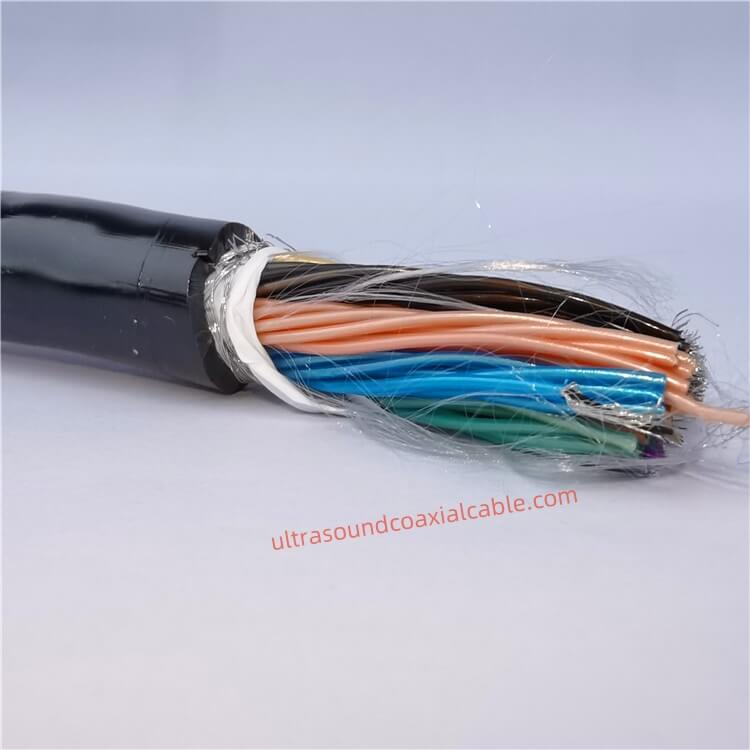
High-Performance Ultrasound Coaxial Cable Assembly: 42AWG to 30AWG, 6.6mm OD, 18GHz Bandwidth Engineered for precision in medical imaging and industrial applications, this customizable coaxial cable assembly delivers exceptional signal.
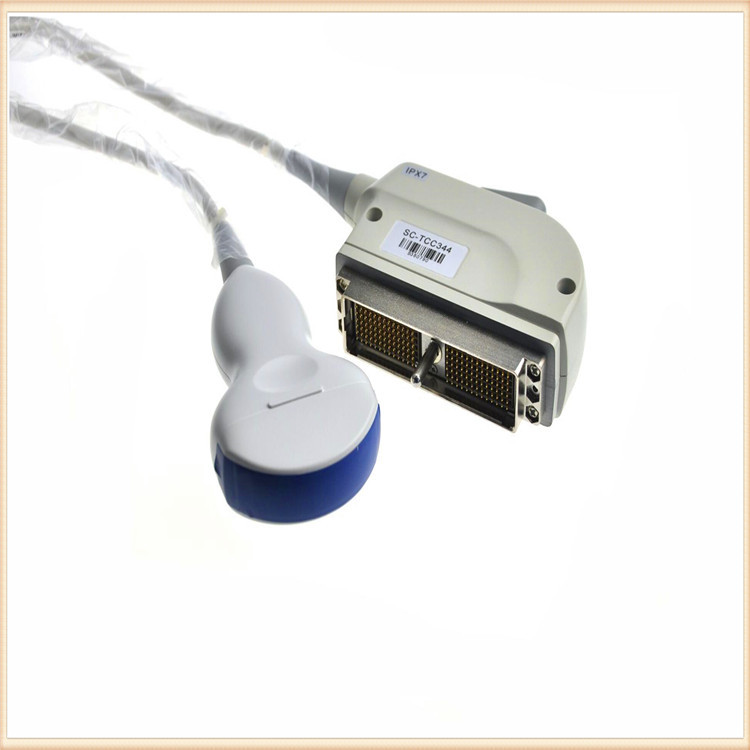
High-Performance Military Ultrasound Coaxial Cables: Built for Extreme Conditions Designed to meet the demanding requirements of military, aerospace, and medical applications, our Military-Grade Ultrasound Coaxial Cables deliver except.
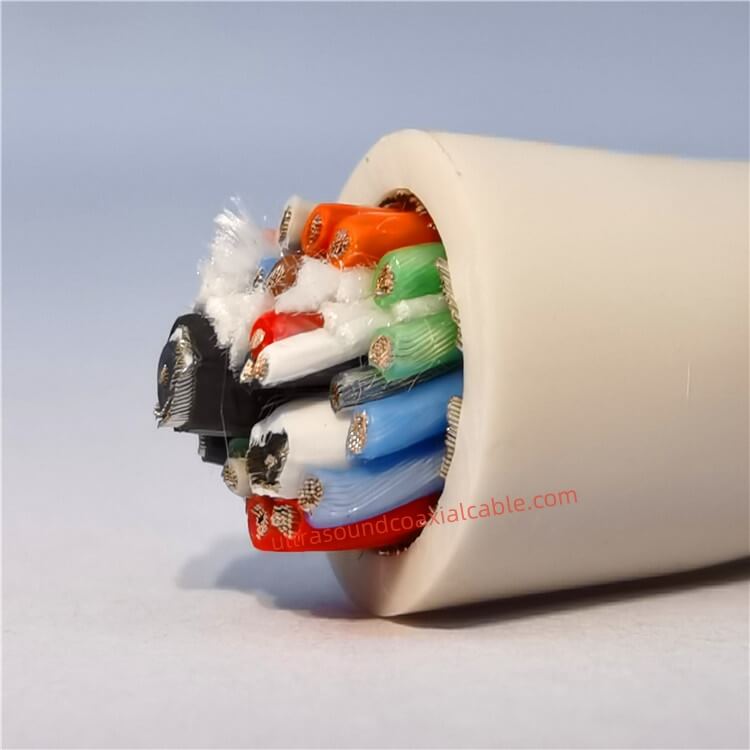
High-Precision 138-Core Medical Ultrasound Coaxial Cables | 0.2mm Ultra-Fine Biocompatible Design for Diagnostic Imaging Product Overview Engineered for advanced medical imaging systems, our 138-Core Medical Ultrasound Probe Coa.

Ultra-Flexible 42AWG Medical-Grade Coaxial Cables for High-Precision Ultrasound Imaging Designed for demanding medical imaging applications, our Ultra-Flexible 42AWG Coaxial Cables deliver exceptional signal integrity, noise reduction,.
Feel free to reach out to us for any inquiries or orders.