In an increasingly interconnected world, the safety and reliability of our electrical infrastructure have never been more critical. While coaxial… - Professional Ultrasound Coaxial Cable Solutions
Learn more about, latest news, frequently asked questions
In an increasingly interconnected world, the safety and reliability of our electrical infrastructure have never been more critical. While coaxial cables serve as the backbone of modern communication and power transmission systems, their performance during emergencies can mean the difference between contained incidents and catastrophic failures. This is particularly true in sensitive environments like hospitals, data centers, and telecommunications networks where ultrasound coaxial cables and other critical infrastructure cabling must operate flawlessly even under extreme conditions.
Traditional coaxial cables are typically constructed with materials like polyvinyl chloride (PVC) that present significant safety risks when exposed to fire. When combustion occurs, these conventional cables emit toxic halogen gases and thick, black smoke that can incapacitate personnel, damage equipment, and hinder emergency response efforts. The corrosive nature of these emissions can destroy sensitive electronic equipment long after the fire has been extinguished, resulting in millions of dollars in damage beyond the initial fire impact .
In critical infrastructure settings, these limitations become unacceptable. Imagine a scenario where emergency responders cannot locate the source of a fire due to dense smoke, or where toxic gases compromise life-saving medical equipment during evacuation procedures. These are the real-world risks that organizations face when relying on conventional coaxial cables that don’t meet modern safety standards .
Low Smoke Zero Halogen (LSZH) coaxial cables represent a technological leap in cable safety. These advanced cables are engineered with special materials that emit minimal or no toxic halogens and produce significantly less smoke when exposed to fire. This fundamental improvement addresses the most dangerous aspects of cable fires: toxic inhalation hazards and visibility obstruction for first responders .
The science behind LSZH cables focuses on material composition. Unlike traditional PVC-based cables, LSZH formulations eliminate chlorine, fluorine, bromine, and other halogen elements that combine with hydrogen during combustion to produce acidic, toxic gases. Instead, LSZH cables utilize materials like polyolefins with mineral fillers that provide fire resistance without generating dangerous byproducts .
The operational benefits are substantial. LSZH cables reduce the chance of inhaling toxic smoke that could be detrimental to human health. Additionally, they prevent water pollution that can occur when firefighters extinguish a fire with water, making them a superior safety option for environmentally conscious organizations .
In medical environments, ultrasound coaxial cables demand exceptional performance characteristics beyond standard applications. These cables must transmit high-frequency signals with impeccable integrity while withstanding rigorous sterilization processes and mechanical stress. More importantly, they must pose no additional risk to patients and medical staff during emergency situations .
Modern ultrasound systems utilize incredibly sophisticated cabling arrangements. A single ultrasound probe assembly can incorporate up to 192 or more individual coaxial wires, each requiring precise impedance control and shielding to prevent electromagnetic interference from distorting critical diagnostic images. The miniaturization of these components, often utilizing fine-gauge micro-coaxial cable ranging from 42-36AWG, presents unique fire safety challenges that LSZH materials effectively address .
For medical equipment manufacturers like FRS, the transition to LSZH ultrasound coaxial cables represents both a ethical responsibility and market differentiation opportunity. Medical facilities increasingly prioritize safety-certified components, particularly those complying with international standards like IEC 60601-1 for electrical safety and biocompatibility. By integrating LSZH materials into ultrasound coaxial cables, manufacturers can offer healthcare providers peace of mind while meeting stringent regulatory requirements .
While safety constitutes the primary benefit of LSZH coaxial cables, these advanced materials offer additional performance advantages that make them ideal for critical infrastructure applications:
LSZH materials provide excellent dielectric properties, enabling high signal transmission quality and low signal loss. This is particularly crucial for high-frequency applications like ultrasound imaging and telecommunications, where signal purity directly impacts performance. Medical imaging systems relying on LSZH coaxial cables demonstrate up to 20% higher signal clarity compared to conventional options, translating to more accurate diagnostics and better patient outcomes .
LSZH coaxial cables demonstrate remarkable resistance to environmental challenges beyond fire. They withstand exposure to toxic substances, extreme weather conditions, and erosion, making them perfect for harsh operating environments. This durability extends to marine applications, where specialized LSZH formulations with tinned copper conductors and polyurethane jackets resist saltwater corrosion while maintaining signal integrity in underwater imaging systems .
As governments worldwide implement stricter safety standards, LSZH cables provide a forward-looking solution. Regulations like the EU’s Restriction of Hazardous Substances (RoHS) directive increasingly restrict halogen-containing materials in construction and infrastructure projects. LSZH coaxial cables naturally comply with these evolving standards, ensuring long-term viability and reducing the need for costly cable replacements as regulations tighten .
The global transition to LSZH coaxial cables is accelerating across multiple sectors. The telecommunications industry leads adoption, with manufacturers and service providers prioritizing network infrastructure security and performance. As high-speed data transmission demands increase, cable material selection has become a key consideration for industry professionals seeking to balance performance with safety .
Hospitals and healthcare facilities represent prime candidates for LSZH coaxial cable implementation. These environments house vulnerable populations while containing critical life-support systems that must operate during emergencies. The migration to LSZH ultrasound coaxial cables in medical imaging equipment reflects the healthcare sector’s growing emphasis on patient and staff safety alongside diagnostic capability .
Data centers worldwide are transitioning to LSZH cables to protect irreplaceable digital assets and maintain uptime during incidents. The reduced smoke emission of LSZH cables preserves visibility for emergency response teams, while the absence of corrosive gases prevents secondary damage to sensitive server components. Major telecommunications providers now specify LSZH cabling for all new infrastructure projects, recognizing the operational and insurance advantages .
Airports, rail systems, and other transportation hubs increasingly rely on LSZH coaxial cables for their surveillance and communication systems. These high-occupancy facilities demand maximum fire safety without compromising signal transmission quality. The implementation of LSZH cables in these settings demonstrates how safety innovations can coexist with performance requirements in critical public infrastructure .
At FRS, our engineering philosophy recognizes that cable safety cannot be an afterthought. Our LSZH coaxial cable product line embodies this commitment through rigorous testing and continuous innovation. We’ve developed specialized formulations that exceed international safety standards while delivering superior electrical performance across diverse applications.
Our medical-grade ultrasound coaxial cables incorporate LSZH materials without compromising the flexibility or signal integrity required in diagnostic imaging. The result is a product that healthcare providers can trust in both routine operations and emergency situations. Similarly, our telecommunications-grade LSZH coaxial cables offer the durability and performance demanded by network operators while providing the safety assurances that modern building codes increasingly require .
The FRS difference lies in our vertical integration and quality control processes. By managing material selection and manufacturing internally, we ensure consistent quality and performance across our entire LSZH coaxial cable product range. This controlled environment allows us to respond quickly to evolving safety standards and customer requirements, positioning our clients at the forefront of cable safety technology .
As global infrastructure becomes more interconnected, safety standards continue to evolve toward greater stringency. The European Committee for Electrotechnical Standardization (CENELEC) has established comprehensive specifications for coaxial cables used in distribution networks (EN 50117 series), with ongoing updates to address emerging safety considerations .
These regulatory developments increasingly favor LSZH technology. The recent update to BS EN 50117-1:2019 added references to LVD, REACH, and ROHS directives, reflecting the growing importance of environmental and safety considerations in cable specification. Forward-thinking organizations are proactively adopting LSZH coaxial cables to stay ahead of these regulatory curves, avoiding costly retrofits while demonstrating safety leadership .
The business case for LSZH coaxial cables extends beyond compliance. The sustainability benefits of halogen-free materials align with corporate environmental initiatives, while the risk mitigation properties translate to potential insurance advantages. As infrastructure planners increasingly take holistic views of project lifecycles, the initial investment in LSZH technology demonstrates compelling long-term value through enhanced safety, reduced downtime, and future-proofed installations .
The transition to LSZH coaxial cables represents more than a technical specification change—it signifies a fundamental shift in how we approach infrastructure safety. By prioritizing human safety and equipment protection through advanced materials science, we can create resilient systems that perform under normal conditions and protect lives during emergencies.
For critical infrastructure projects where failure is not an option, LSZH coaxial cables offer the assurance that comes from using technology that has been optimized for worst-case scenarios. As the global leader in safety-focused cable solutions, FRS remains committed to advancing this technology through continued research, development, and collaboration with infrastructure partners worldwide. The future of coaxial cable technology is not just about transmitting signals more efficiently—it’s about doing so more safely, and LSZH materials represent the cornerstone of this evolution .
Discover our most popular furniture pieces that are loved by customers worldwide.
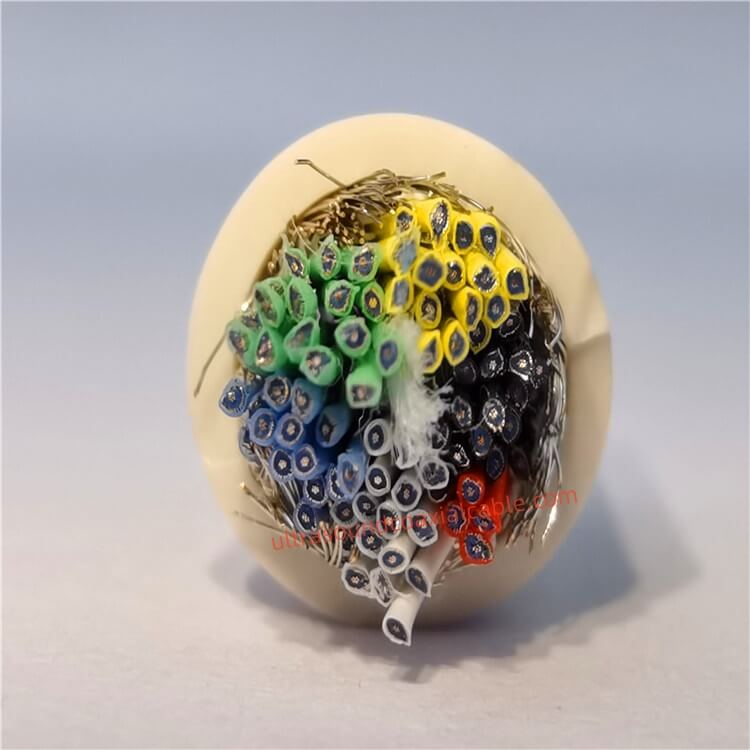
Product OverviewThe Ultrasound Coaxial Cable is a specialized cable engineered to deliver ultra-low signal loss, exceptional shielding, and unmatched durability in critical environments. Designed for medical imaging, industrial testi.
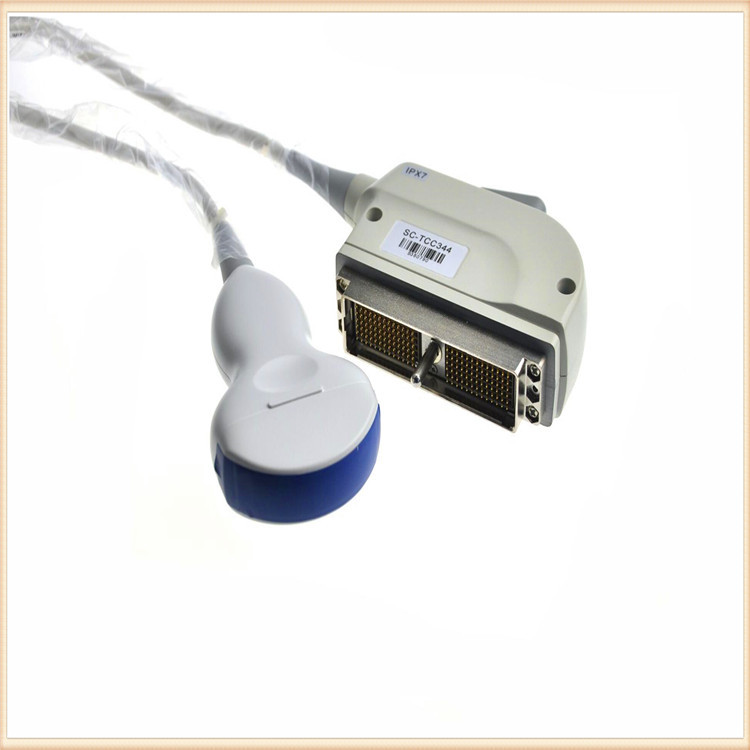
High-Performance Military Ultrasound Coaxial Cables: Built for Extreme Conditions Designed to meet the demanding requirements of military, aerospace, and medical applications, our Military-Grade Ultrasound Coaxial Cables deliver except.
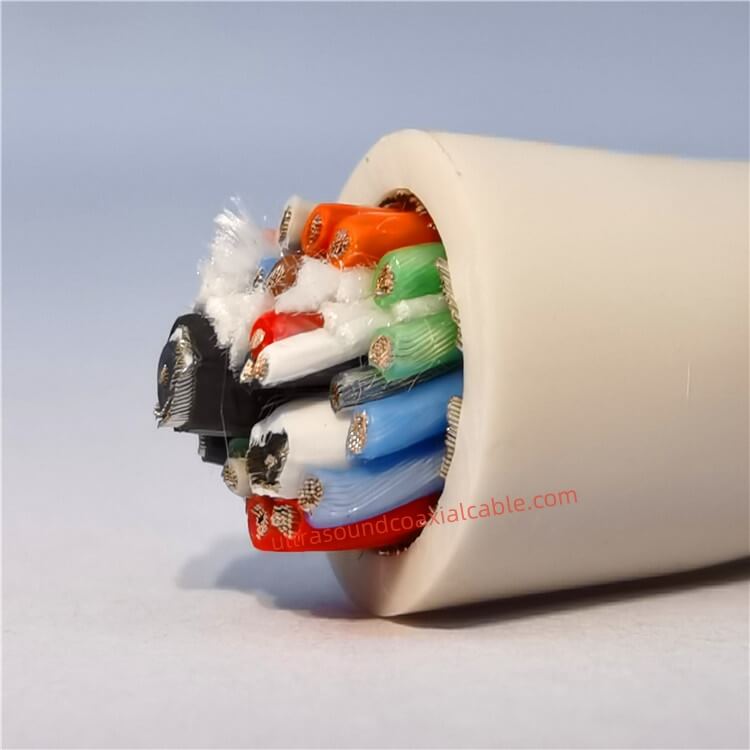
High-Precision 138-Core Medical Ultrasound Coaxial Cables | 0.2mm Ultra-Fine Biocompatible Design for Diagnostic Imaging Product Overview Engineered for advanced medical imaging systems, our 138-Core Medical Ultrasound Probe Coa.

High-Performance Flexible Coaxial Cable for Medical Imaging & Ultrasound Systems Designed for demanding applications in medical imaging, industrial diagnostics, and high-frequency signal transmission, this ultra-flexible coaxial ca.
Feel free to reach out to us for any inquiries or orders.