In the demanding world of marine operations, coaxial cables face one of their toughest challenges: saltwater corrosion. Coastal environments accelerate… - Professional Ultrasound Coaxial Cable Solutions
Learn more about, latest news, frequently asked questions
In the demanding world of marine operations, coaxial cables face one of their toughest challenges: saltwater corrosion. Coastal environments accelerate material degradation through chemical and electrochemical processes, threatening signal integrity and operational reliability. For industries ranging from offshore energy to marine research, cable failure isn’t an option—it can mean catastrophic system breakdowns with safety and financial implications. This reality has driven significant material science innovations specifically focused on enhancing corrosion resistance in coaxial cables, particularly specialized ultrasound coaxial cables used in critical monitoring and imaging systems.
Coastal environments present a perfect storm of corrosion triggers. Saltwater’s high chloride content aggressively accelerates metal oxidation, while constant exposure to oxygen promotes ongoing degradation. Temperature variations cause expansion and contraction that lead to micro-cracks, exposing internal components to corrosive elements. Mechanical stress from waves, currents, or vessel movement further compounds these issues by wearing away protective layers .
The consequences of corrosion extend beyond superficial damage. For ultrasound coaxial cables used in marine applications, even minor degradation can compromise signal integrity, leading to inaccurate data in critical systems like underwater acoustic sensors, sonar equipment, and offshore monitoring infrastructure. This is particularly problematic for precision applications where signal clarity is non-negotiable .
The core conductor represents the most vulnerable component in coaxial cables, with innovations specifically targeting saltwater resistance:
Beyond conductors, insulation and jacketing materials form the second critical defense layer:
Surface protection represents the most rapidly evolving area of corrosion innovation:
Offshore wind farms, oil rigs, and tidal energy systems depend on corrosion-resistant coaxial cables to transmit power and monitoring data. These applications demand cables that can withstand not just saltwater immersion but also the constant vibration, temperature fluctuations, and potential chemical exposure inherent in energy production. For instance, ultrasound coaxial cables are integral to structural health monitoring systems that detect potential failures in turbine foundations and underwater infrastructure .
Scientific applications including underwater acoustic sensors, submersible vehicles, and deep-sea exploration equipment require cables that maintain signal integrity under extreme pressure and corrosive conditions. Research vessels employ specialized ultrasound coaxial cables for bathymetric mapping, species monitoring, and geological surveys where cable failure could mean the loss of invaluable scientific data .
Modern vessels rely on coaxial networks for navigation, communication, safety, and operational systems. Radar systems, satellite communications, and entertainment networks all depend on marine-grade coaxial cables that meet strict classification society standards. The commercial shipping segment represents the largest market share for marine coaxial cables, driven by increasing demand for advanced communication and navigation systems on large commercial vessels .
Marine-grade coaxial cables must comply with rigorous international standards that validate their corrosion resistance and overall performance:
These certifications provide crucial assurance for engineers and procurement specialists selecting cables for critical marine infrastructure. The growing marine coaxial cable market, projected to see steady growth through 2033, reflects increasing reliance on certified, high-performance solutions .
At FRS, our approach to corrosion resistance begins with material selection but extends to structural innovation. Our marine-grade coaxial cables incorporate proprietary nano-coating technology that creates a barrier against saltwater penetration while maintaining flexibility. For our specialized ultrasound coaxial cables, we’ve developed a multi-layer construction that combines tinned copper conductors with PTFE insulation and polyurethane jacketing, resulting in a cable that withstands accelerated aging tests simulating 30 years of seawater exposure .
Our commitment to R&D has yielded specific breakthroughs in coaxial cable performance, including low signal loss measurements of <0.15 dB/m at 1 GHz for high-resolution imaging applications. This technical superiority makes FRS cables the preferred choice for demanding applications where reliability cannot be compromised .
While premium corrosion-resistant cables represent a higher initial investment, their long-term value proposition is undeniable. The International Maritime Organization estimates that corrosion-related maintenance accounts for significant operational costs in marine industries. By specifying cables engineered for corrosion resistance, operators dramatically reduce replacement frequency, minimize system downtime, and prevent costly data transmission failures .
The expanding marine coaxial cable market, with its projected compound annual growth rate, reflects industry recognition that corrosion resistance isn’t an optional premium but an operational necessity. As maritime activities expand into deeper waters and more challenging environments, the economic argument for investing in superior cable technology only grows stronger .
The frontier of corrosion resistance continues to advance with several promising developments:
For engineers, specifiers, and operators working in coastal environments, these innovations represent an evolving toolkit for addressing the persistent challenge of saltwater corrosion. By understanding both current solutions and emerging technologies, professionals can make informed decisions that balance performance, durability, and cost considerations across the cable lifecycle.
The connection between material science and cable performance has never been more critical. As coastal infrastructure expands and maritime activities grow in complexity, the coaxial cables that form the backbone of communication, power, and data systems must evolve accordingly. Through continued innovation in corrosion resistance, the industry can ensure these vital connections withstand not just the elements, but the test of time .
Discover our most popular furniture pieces that are loved by customers worldwide.
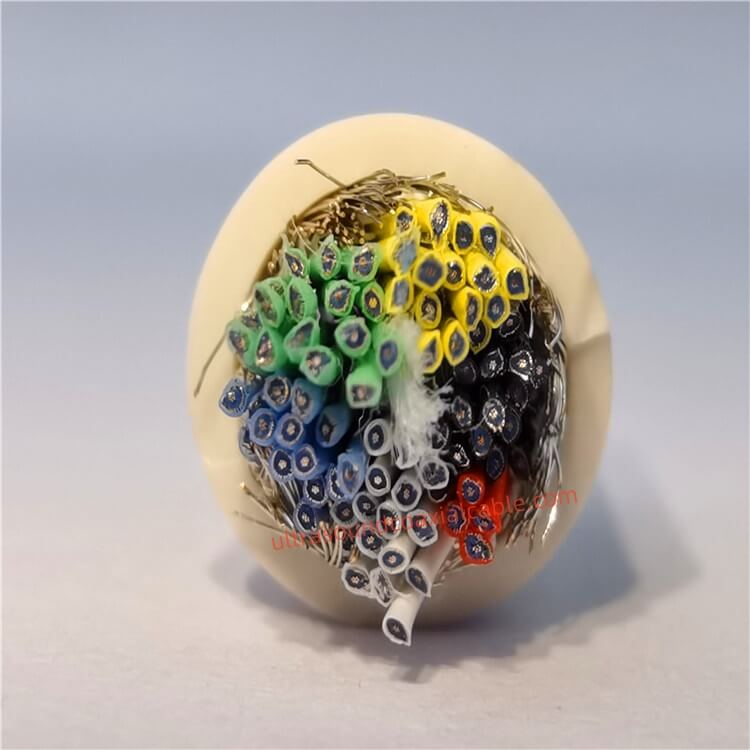
Product OverviewThe Ultrasound Coaxial Cable is a specialized cable engineered to deliver ultra-low signal loss, exceptional shielding, and unmatched durability in critical environments. Designed for medical imaging, industrial testi.

High-Performance Flexible Coaxial Cable for Medical Imaging & Ultrasound Systems Designed for demanding applications in medical imaging, industrial diagnostics, and high-frequency signal transmission, this ultra-flexible coaxial ca.
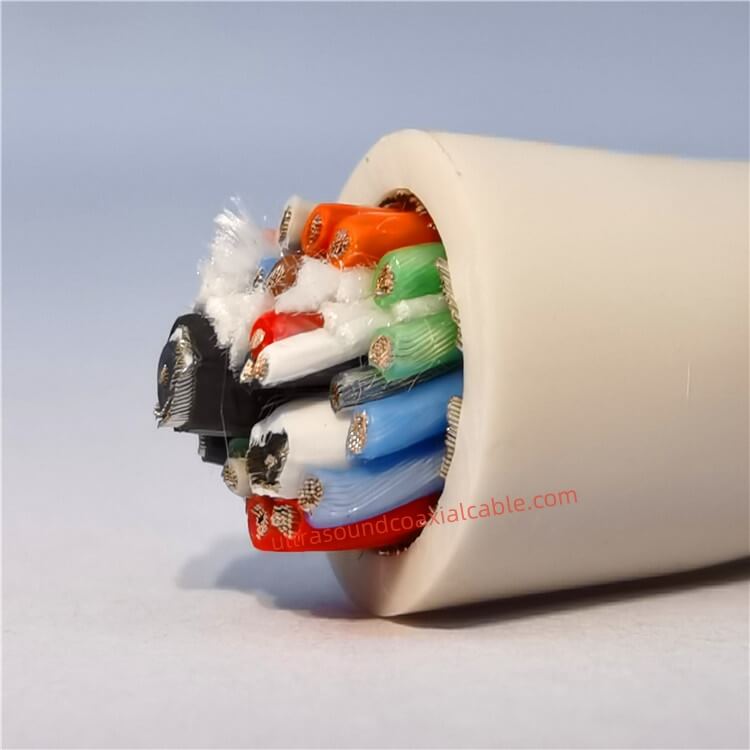
High-Precision 138-Core Medical Ultrasound Coaxial Cables | 0.2mm Ultra-Fine Biocompatible Design for Diagnostic Imaging Product Overview Engineered for advanced medical imaging systems, our 138-Core Medical Ultrasound Probe Coa.
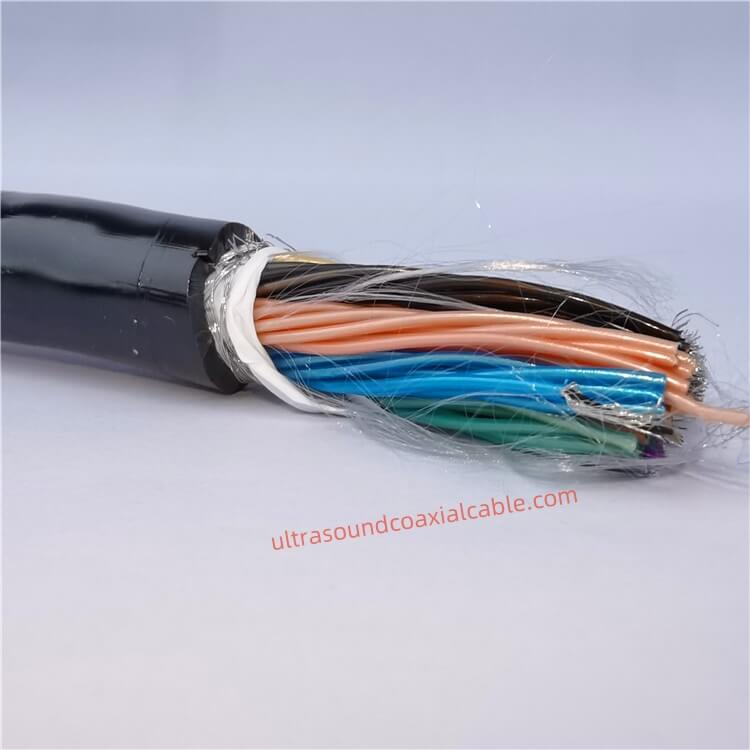
High-Performance Ultrasound Coaxial Cable Assembly: 42AWG to 30AWG, 6.6mm OD, 18GHz Bandwidth Engineered for precision in medical imaging and industrial applications, this customizable coaxial cable assembly delivers exceptional signal.
Feel free to reach out to us for any inquiries or orders.