In today’s interconnected world, coaxial cables and specialized ultrasound coaxial cables serve as critical infrastructure components across telecommunications, medical imaging,… - Professional Ultrasound Coaxial Cable Solutions
Learn more about, latest news, frequently asked questions
In today’s interconnected world, coaxial cables and specialized ultrasound coaxial cables serve as critical infrastructure components across telecommunications, medical imaging, industrial automation, and broadcast media. The gradual degradation of these cables poses significant operational risks, including unexpected downtime, compromised data integrity, and costly emergency replacements. For businesses relying on these essential connectivity solutions, implementing proactive predictive maintenance strategies is no longer optional—it’s a strategic imperative for ensuring operational continuity and maximizing return on investment.
This comprehensive guide explores the cutting-edge predictive maintenance technologies revolutionizing how organizations monitor and extend the service life of their cable infrastructure, with particular emphasis on specialized applications including ultrasound coaxial cables essential to medical and high-precision industrial environments.
Cable aging is an irreversible degradation process affecting both electrical properties and physical integrity. For coaxial cables, this typically manifests as increased signal attenuation, impedance mismatches, and ultimately, complete signal path failure. The primary culprits include thermal stress from operational load cycling, mechanical wear from installation handling or environmental factors, and chemical degradation from environmental exposure .
In critical applications such as medical ultrasound imaging, cable aging doesn’t just mean inconvenient downtime—it can compromise diagnostic accuracy and patient safety. Ultrasound coaxial cables, with their precise impedance requirements and fragile internal shielding, are particularly vulnerable to repeated flexing and chemical exposure from disinfectants . Research indicates that premature cable failure in industrial settings costs manufacturers approximately $50 billion annually in unplanned downtime, highlighting the substantial financial impact of inadequate cable management strategies .
Ultrasound technology has emerged as a powerful tool in the condition-based monitoring arsenal, particularly for detecting early-stage insulation degradation in coaxial cables operating under electrical stress. Unlike traditional methods that require shutdowns, ultrasound testing can be performed during normal operations, detecting high-frequency emissions from partial discharge activity—a key indicator of impending insulation failure .
Advanced ultrasound detectors work on the principle of heterodyning, transitioning high-frequency ultrasound (typically 35-40kHz) into audible ranges for analysis. This enables technicians to identify corona discharge, tracking, and arcing long before these issues progress to catastrophic failure. For ultrasound coaxial cables used in medical applications, regular ultrasound inspection of the cable insulation can predict failure points before they affect image quality during critical procedures .
Tan delta testing, also known as dissipation factor testing, measures the dielectric losses in cable insulation. As insulation ages, its ability to resist capacitive charging current diminishes, resulting in higher dissipation factors. Regular tan delta testing establishes baseline performance metrics and tracks degradation trends over time, enabling evidence-based replacement decisions rather than arbitrary time-based replacements .
Sophisticated software solutions like STATEX now employ three-dimensional aging indices that combine multiple parameters including media tangent delta, standard deviation delta tangent delta, and delta tangent delta. This comprehensive approach enables precise calculation of remaining useful life, with some implementations accurately predicting cable longevity with a margin of error of less than 10% .
Partial discharge (PD) monitoring represents the gold standard for assessing insulation health in medium and high-voltage applications, with increasing relevance for high-frequency coaxial cables used in critical data transmission systems. PD activity occurs in microscopic voids within cable insulation, progressively degrading the dielectric material until complete breakdown occurs .
Advanced PD monitoring systems measure key parameters including:
For coaxial cables carrying high-frequency signals, even minor PD activity can compromise signal integrity long before complete failure occurs. Modern systems from providers like FRS incorporate sophisticated time-domain reflectometry capabilities that precisely locate discharge sources within complex cable runs, enabling targeted repairs instead of complete replacements .
Digital twin technology creates virtual replicas of physical cable systems, integrating real-time operational data with material aging models to predict remaining useful life. These sophisticated simulations account for historical load profiles, environmental conditions, and material properties to forecast degradation trajectories under various operational scenarios .
According to industry analyses, approximately 90% of industrial companies are expected to adopt digital twin technology for critical infrastructure management by 2030. For organizations managing extensive coaxial cable networks, this approach enables proactive replacement planning, optimized maintenance resource allocation, and significant extension of cable service life through targeted interventions .
In medical environments, ultrasound coaxial cables face unique challenges including repeated flexing, chemical exposure from disinfectants, and the need for impeccable signal integrity. Predictive maintenance protocols for these critical components should include:
Medical facilities implementing structured predictive maintenance programs report up to 40% extensions in cable service life and significant reductions in imaging artifacts during diagnostic procedures. Premium ultrasound coaxial cables from manufacturers like FRS incorporate advanced shielding technologies and flex-resistant conductors specifically engineered to withstand the rigors of clinical environments while maintaining signal integrity over extended service periods.
Coaxial cables in telecommunications face constant environmental exposure and electrical stress. Predictive maintenance in this sector focuses on:
Telecom operators utilizing these approaches report up to 30% reductions in network outages attributable to cable failures, translating to significantly improved service availability metrics .
Industrial environments present particularly harsh conditions for coaxial cables, including temperature extremes, chemical exposure, and electromagnetic interference. Predictive maintenance strategies in these settings typically incorporate:
Implementing these protocols enables industrial facilities to transition from reactive replacements to planned maintenance windows, minimizing production disruptions while optimizing cable lifecycle costs .
Effective predictive maintenance begins with comprehensive baseline assessments of new cable installations. These baselines should include:
Documenting these parameters creates reference points for tracking degradation rates and establishing meaningful intervention thresholds tailored to specific operational requirements and criticality.
Predictive maintenance effectiveness depends on establishing scientifically-grounded action thresholds based on degradation rates rather than absolute measurements. These thresholds typically fall into three categories:
For organizations managing diverse cable portfolios, condition-based maintenance typically delivers superior cost-effectiveness compared to purely predictive approaches, triggering interventions only when specific parameters exceed predefined thresholds based on actual cable condition rather than statistical forecasts .
Maximizing return on predictive maintenance investments requires seamless integration with broader asset management platforms. This integration enables:
Modern systems from providers like FRS incorporate API interfaces that facilitate this integration, transforming predictive maintenance data into actionable business intelligence for infrastructure managers.
The financial implications of predictive maintenance extend far beyond simple cable replacement cost avoidance. Organizations implementing comprehensive programs typically realize:
For ultrasound coaxial cables in medical environments, these benefits translate directly to improved patient throughput, enhanced diagnostic confidence, and reduced equipment-related procedure delays. In telecommunications and broadcast applications, they manifest as improved service availability and customer satisfaction indicators.
Emerging technologies promise to further revolutionize cable aging management in coming years. These include:
Forward-thinking organizations are already piloting these technologies, positioning themselves to achieve step-change improvements in cable reliability and total cost of ownership over the coming decade.
The transition from reactive to predictive cable maintenance represents one of the most significant opportunities for organizations to enhance operational reliability while optimizing lifecycle costs. By leveraging advanced monitoring technologies including ultrasound testing, partial discharge detection, and tan delta measurements, infrastructure managers can now identify degradation trends long before they progress to catastrophic failure.
For specialized applications including ultrasound coaxial cables in medical environments, these approaches deliver particularly compelling benefits, ensuring that critical diagnostic and treatment equipment remains operational when needed most. As predictive technologies continue evolving alongside advanced cable designs from manufacturers like FRS, organizations that embrace these strategies today will enjoy significant competitive advantages through enhanced operational continuity and optimized infrastructure investments tomorrow.
Discover our most popular furniture pieces that are loved by customers worldwide.
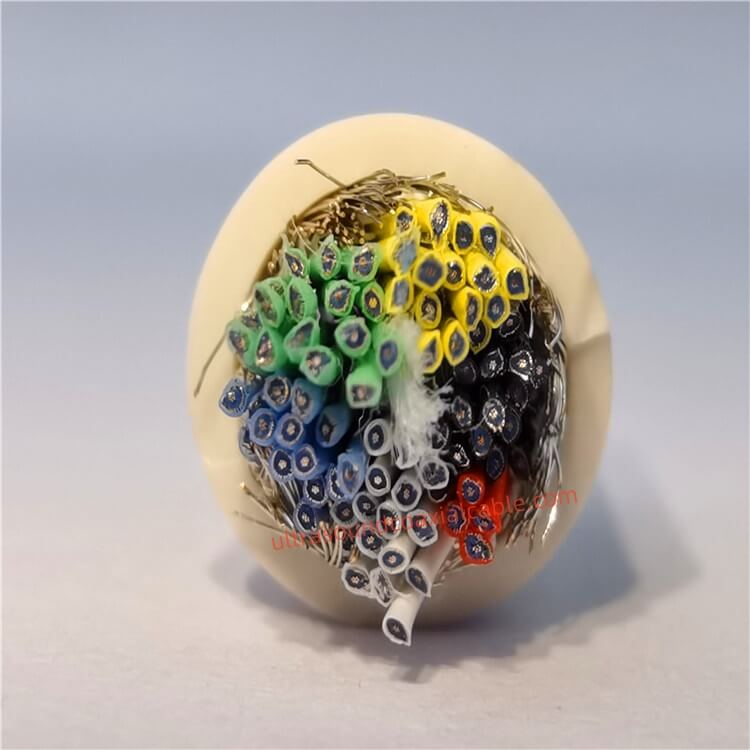
Product OverviewThe Ultrasound Coaxial Cable is a specialized cable engineered to deliver ultra-low signal loss, exceptional shielding, and unmatched durability in critical environments. Designed for medical imaging, industrial testi.

High-Performance Flexible Coaxial Cable for Medical Imaging & Ultrasound Systems Designed for demanding applications in medical imaging, industrial diagnostics, and high-frequency signal transmission, this ultra-flexible coaxial ca.
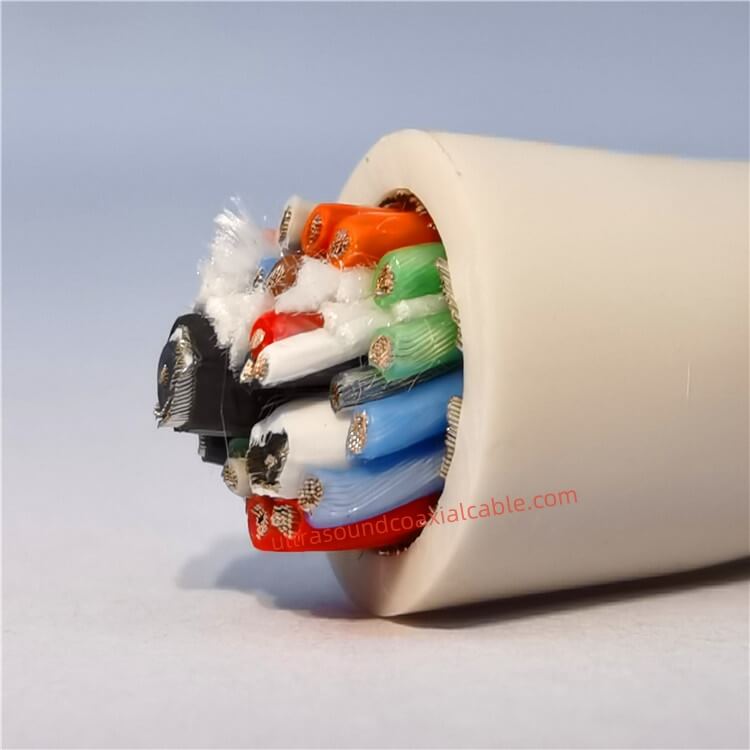
High-Precision 138-Core Medical Ultrasound Coaxial Cables | 0.2mm Ultra-Fine Biocompatible Design for Diagnostic Imaging Product Overview Engineered for advanced medical imaging systems, our 138-Core Medical Ultrasound Probe Coa.
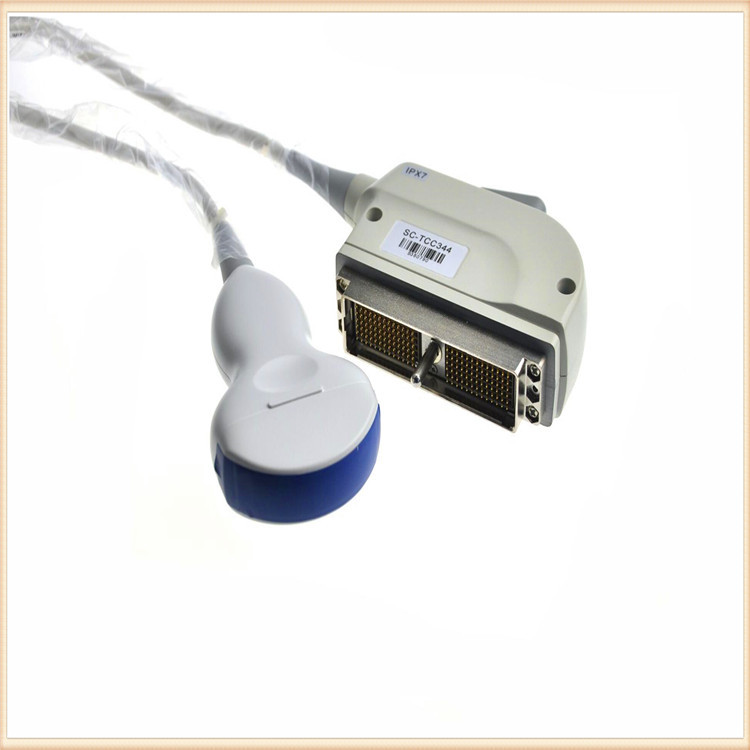
High-Performance Military Ultrasound Coaxial Cables: Built for Extreme Conditions Designed to meet the demanding requirements of military, aerospace, and medical applications, our Military-Grade Ultrasound Coaxial Cables deliver except.
Feel free to reach out to us for any inquiries or orders.