In the high-stakes environment of medical diagnostics, the integrity of an ultrasound image is paramount. However, this diagnostic clarity is… - Professional Ultrasound Coaxial Cable Solutions
Learn more about, latest news, frequently asked questions
In the high-stakes environment of medical diagnostics, the integrity of an ultrasound image is paramount. However, this diagnostic clarity is entirely dependent on a component often overlooked in the procurement process: the Ultrasound Coaxial Cable. For medical device manufacturers and hospital procurement managers, understanding the sterilization requirements for these cables is not just a matter of compliance—it’s a critical factor in patient safety, equipment longevity, and operational efficiency. This article provides a deep dive into the sterilization protocols, material science, and industry standards that define medical-grade coaxial cables, with insights from FRS, a leading Ultrasound Coaxial Cable Manufacturer.
Medical-grade Ultrasound Coaxial Cables are the lifelines that transmit high-frequency signals from the transducer to the imaging system. Unlike standard industrial cables, they are subjected to rigorous decontamination cycles to prevent healthcare-associated infections (HAIs). The sterilization level required is dictated by the Spaulding Classification:
The challenge for manufacturers is to design cables that withstand these harsh chemical and physical processes without degrading signal performance or physical integrity.
Chemical agents are the most common method for reprocessing ultrasound probes and their associated cables. The cable’s outer jacket and connector materials must be chemically resistant to prevent swelling, cracking, or leaching.
For devices that cannot tolerate high heat or moisture, EtO sterilization is a common choice. This method requires materials that are permeable to gas but resistant to its corrosive effects.
Low-temperature hydrogen peroxide plasma systems are increasingly popular due to their shorter cycle times and lack of toxic residues.
Procuring a medical-grade cable requires verification against a stringent set of international standards. Failure to comply can result in device recalls and patient safety incidents.
| Standard | Focus Area | Relevance to Sterilization |
|---|---|---|
| ISO 13485 | Quality Management System | Ensures traceability and control over the entire manufacturing process, critical for medical device validation. |
| IEC 60601-1 | Electrical Safety | Mandates protection against electrical hazards, especially important when cables are exposed to conductive fluids during cleaning. |
| ISO 10993 | Biocompatibility | Certifies that materials are safe for patient contact and do not release toxic substances when sterilized. |
| AAMI ST58 | Chemical Sterilization | Provides guidelines for the safe and effective use of chemical sterilants in healthcare settings. |
FRS maintains full compliance with these standards, providing OEMs with the documentation needed for FDA 510(k) submissions and CE marking.
The global Ultrasound Coaxial Cable market is projected to grow significantly, driven by the expansion of portable and handheld ultrasound devices. This trend places a premium on cables that are not only flexible and low-loss but also durable enough to withstand frequent disinfection in point-of-care settings.
The sterilization requirements for medical-grade Ultrasound Coaxial Cables are a complex interplay of chemistry, material science, and electrical engineering. For medical device OEMs, selecting a cable is not just about signal transmission—it’s about ensuring that the component can survive the harsh reality of clinical reprocessing without compromising patient safety.
As a trusted Ultrasound Coaxial Cable Manufacturer, FRS is committed to pushing the boundaries of cable technology. Our products are engineered from the ground up to meet the most demanding sterilization protocols, providing the reliability that healthcare professionals depend on for accurate diagnostics. When performance and patient safety are non-negotiable, the choice is clear.
Discover our most popular furniture pieces that are loved by customers worldwide.
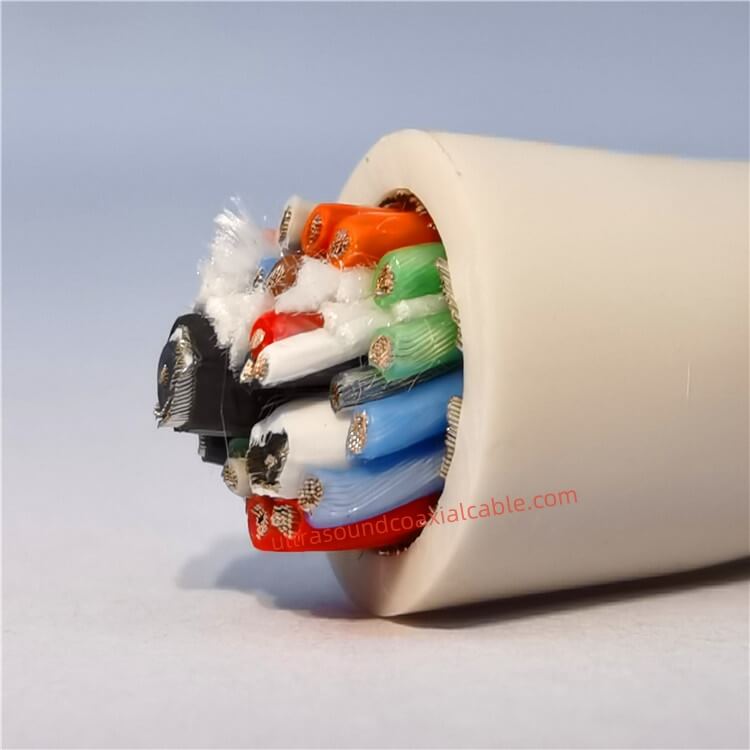
High-Precision 138-Core Medical Ultrasound Coaxial Cables | 0.2mm Ultra-Fine Biocompatible Design for Diagnostic Imaging Product Overview Engineered for advanced medical imaging systems, our 138-Core Medical Ultrasound Probe Coa.

High-Performance Flexible Coaxial Cable for Medical Imaging & Ultrasound Systems Designed for demanding applications in medical imaging, industrial diagnostics, and high-frequency signal transmission, this ultra-flexible coaxial ca.
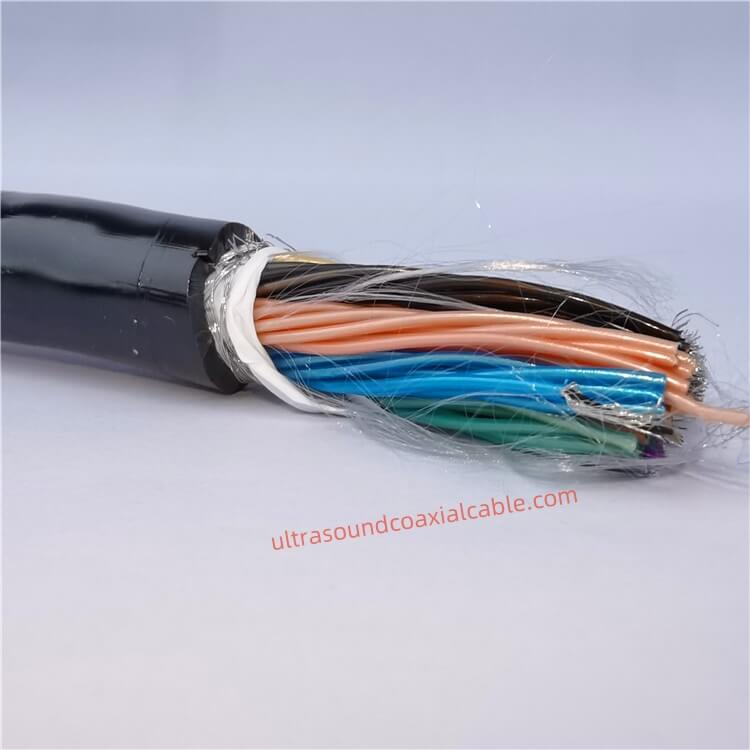
High-Performance Ultrasound Coaxial Cable Assembly: 42AWG to 30AWG, 6.6mm OD, 18GHz Bandwidth Engineered for precision in medical imaging and industrial applications, this customizable coaxial cable assembly delivers exceptional signal.
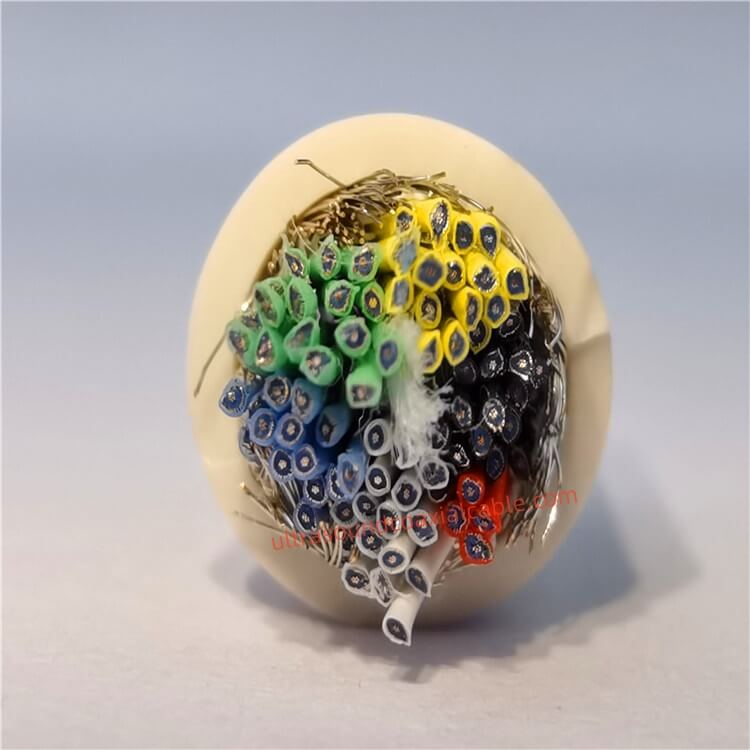
Product OverviewThe Ultrasound Coaxial Cable is a specialized cable engineered to deliver ultra-low signal loss, exceptional shielding, and unmatched durability in critical environments. Designed for medical imaging, industrial testi.
Feel free to reach out to us for any inquiries or orders.