Title: Engineering Durable Ultrasound Coaxial Cables for Medical Sterilization: Key Considerations and Innovations In the fast-evolving medical technology landscape, ultrasound… - Professional Ultrasound Coaxial Cable Solutions
Learn more about, latest news, frequently asked questions
Title: Engineering Durable Ultrasound Coaxial Cables for Medical Sterilization: Key Considerations and Innovations
In the fast-evolving medical technology landscape, ultrasound systems play a pivotal role in diagnostics and therapeutic applications. A critical yet often overlooked component of these systems is the ultrasound coaxial cable, which must withstand rigorous sterilization processes while maintaining signal integrity. For medical device manufacturers and healthcare facilities, selecting cables compatible with autoclaving and other sterilization methods is essential to ensure patient safety and equipment longevity. This article explores the engineering principles, material advancements, and design strategies behind autoclaving-compatible ultrasound coaxial cables, offering insights tailored to industry professionals.
Ultrasound coaxial cables act as the lifeline between transducers and imaging systems, transmitting high-frequency signals with minimal attenuation. In medical settings, these cables are subjected to repeated sterilization cycles—commonly via autoclaving—to eliminate pathogens and ensure compliance with strict hygiene standards. Unlike standard cables, autoclaving-compatible variants must endure:
For example, cables used in portable ultrasound devices for emergency or field medicine must balance flexibility with durability to withstand both clinical and harsh environments .
The choice of materials determines a cable’s performance under autoclaving. Key considerations include:
Connectors must prevent ingress of contaminants during sterilization. Military-grade standards (e.g., MIL-DTL-5015) often dictate materials like nickel-plated brass and epoxy seals to resist corrosion .
Modern autoclaving-compatible cables integrate advanced engineering solutions:
Portable ultrasound devices demand compact cables. Manufacturers now produce micro-coaxial cables with diameters as small as 0.2 mm, combining flexibility and durability. These cables use ultra-low-loss dielectrics (e.g., polyethylene foam) to minimize signal attenuation while accommodating tight bending radii .
To preserve signal clarity in high-frequency applications, cables incorporate low-noise shielding. Foil-shielded designs or hybrid braided-foil configurations reduce capacitive coupling and external interference .
For facilities employing gamma or E-beam sterilization, cables may integrate radiation-resistant polymers like ETFE or cross-linked polyethylene (XLPE). These materials maintain mechanical properties even after cumulative radiation doses exceeding 100 kGy .
Manufacturers must adhere to stringent standards to ensure reliability:
For example, U-groove leaky coaxial cables are engineered to minimize signal leakage while withstanding mechanical stress, a design validated through HFSS simulations .
Case studies highlight cables with 0.141-inch diameter and RG-174/U specifications, which balance size and performance for intraoperative use .
At FRS Corporation, we specialize in designing and manufacturing autoclaving-compatible ultrasound coaxial cables that meet the demanding requirements of modern healthcare. Our products leverage:
For medical device manufacturers seeking reliable, high-performance solutions, FRS provides end-to-end engineering support—from material selection to mass production. Partner with us to elevate your ultrasound systems and deliver life-saving innovations to the global healthcare community.
Contact FRS today to discuss your project needs and discover how our autoclaving-resistant coaxial cables can transform your medical devices.
Keywords: autoclaving-compatible ultrasound cables, medical-grade coaxial cables, sterilization-resistant cables, medical device manufacturing, FRS Corporation
Discover our most popular furniture pieces that are loved by customers worldwide.
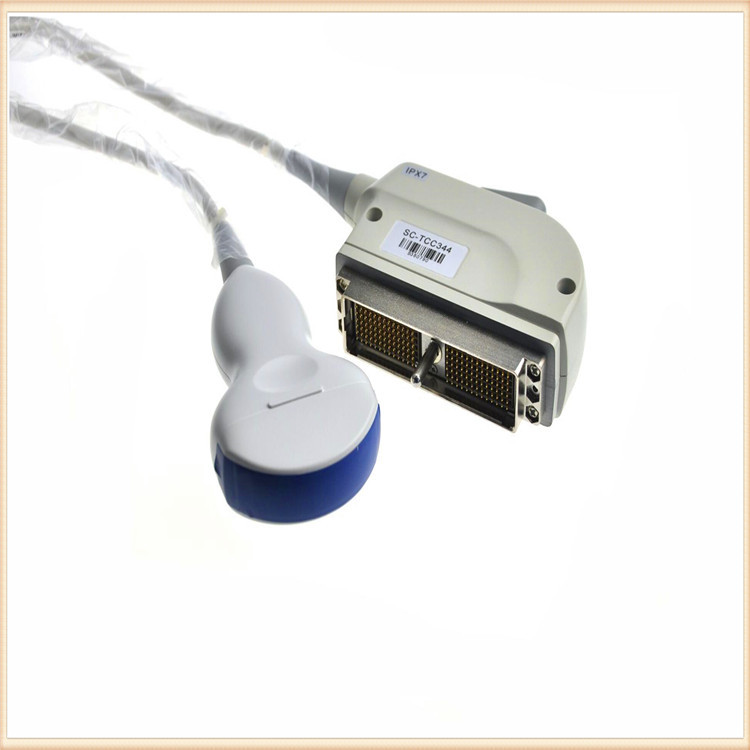
High-Performance Military Ultrasound Coaxial Cables: Built for Extreme Conditions Designed to meet the demanding requirements of military, aerospace, and medical applications, our Military-Grade Ultrasound Coaxial Cables deliver except.
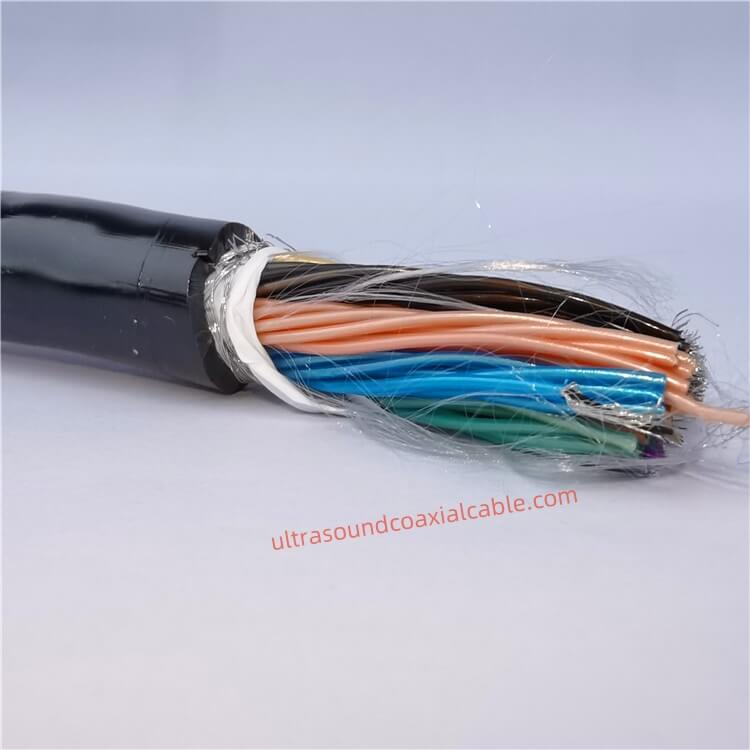
High-Performance Ultrasound Coaxial Cable Assembly: 42AWG to 30AWG, 6.6mm OD, 18GHz Bandwidth Engineered for precision in medical imaging and industrial applications, this customizable coaxial cable assembly delivers exceptional signal.

High-Performance Flexible Coaxial Cable for Medical Imaging & Ultrasound Systems Designed for demanding applications in medical imaging, industrial diagnostics, and high-frequency signal transmission, this ultra-flexible coaxial ca.
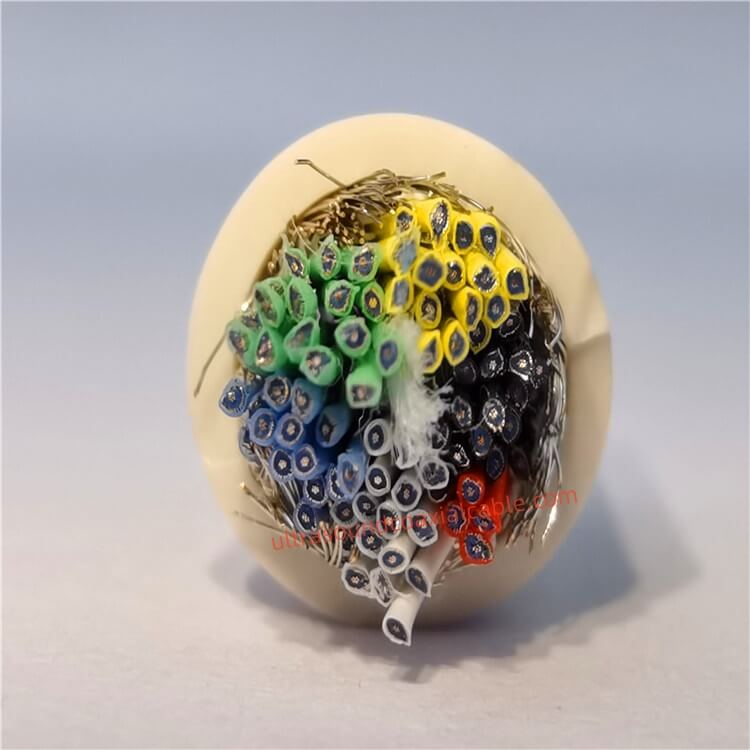
Product OverviewThe Ultrasound Coaxial Cable is a specialized cable engineered to deliver ultra-low signal loss, exceptional shielding, and unmatched durability in critical environments. Designed for medical imaging, industrial testi.
Feel free to reach out to us for any inquiries or orders.