How to select the right ultrasound coaxial cable for my equipment? | High-Quality Ultrasound Coaxial Cable | ultrasound coaxial cable Manufacturer & Factory-FRS

How to select the right ultrasound coaxial cable for my equipment?

Finding the Perfect Ultrasound Coaxial Cable for Your Medical Equipment​ When it comes to medical imaging systems like ultrasound machines,… - Professional Ultrasound Coaxial Cable Solutions

Information

Learn more about, latest news, frequently asked questions

Finding the Perfect Ultrasound Coaxial Cable for Your Medical Equipment

When it comes to medical imaging systems like ultrasound machines, the right coaxial cable can make all the difference. These cables are the lifelines that transmit high-frequency signals between transducers and processing units, ensuring clarity and accuracy in diagnostics. But with so many options on the market, how do you choose the one that truly meets your needs? Let’s break down the essentials to help you make an informed decision.


1. Understand Your Ultrasound System’s Requirements

Ultrasound coaxial cables are not one-size-fits-all. The first step is to identify your system’s specifications.

  • Frequency Range: Ultrasound systems typically operate between 2 MHz and 20 MHz. Higher frequencies (e.g., 10–20 MHz) require cables with minimal signal loss to maintain image resolution. For example, cables used in cardiac or vascular imaging often demand precision at higher frequencies .
  • Impedance Matching: Most medical ultrasound systems use ​50Ω impedance​ cables, though some older models might require 75Ω. Mismatched impedance can cause signal reflections, degrading image quality .
  • Cable Length: Longer cables introduce more attenuation. For portable devices, compact, low-loss cables are critical. For stationary systems, durability and shielding become prioritized .

2. Key Features to Prioritize

A. Shielding Effectiveness

Ultrasound signals are highly sensitive to electromagnetic interference (EMI). Look for cables with ​multi-layer shielding, such as:

  • Braided Shields: Provide flexibility and 85–95% coverage. Ideal for dynamic environments like clinics.
  • Foil Shields: Offer 100% coverage but less flexibility. Common in high-noise settings .
  • Semi-Rigid Designs: Use solid copper shields for minimal signal leakage, perfect for surgical or sterile environments .

B. Flexibility and Durability

Medical settings demand cables that withstand repeated bending and sterilization.

  • Micro Coaxial Cables: Thin (e.g., 0.2mm diameter) and lightweight, these are ideal for endoscopic or minimally invasive tools. They retain flexibility while maintaining signal integrity .
  • Halogen-Free Materials: Ensure safety in case of fire and meet healthcare regulations.
  • Temperature Resistance: Look for cables rated for -55°C to +180°C, suitable for autoclaving or outdoor use .

C. Connector Compatibility

Ultrasound systems often use specialized connectors like ​BNC, ​SMA, or ​F-type. Verify that the cable’s connector matches your equipment. For example:

  • BNC Connectors: Common in portable devices for quick connections.
  • SMA Connectors: Preferred for high-frequency applications due to low signal loss .

3. Material Selection Matters

The core materials determine performance and longevity:

  • Conductors: High-purity copper or silver-plated copper minimizes resistance and ensures efficient signal transmission.
  • Dielectric Insulators: Materials like polyethylene (PE) or fluoropolymers (PTFE) reduce signal leakage and handle high frequencies .
  • Outer Jackets: Flexible PVC for general use or polyurethane for abrasion resistance in harsh environments.

4. Brand Reputation and Compliance

Not all cables are created equal. Opt for brands with certifications like ​ISO 13485​ (medical devices) or ​UL AWM​ (safety standards). For instance:

  • FRS Coaxial Cables: Designed specifically for medical imaging, FRS cables combine ultra-low attenuation (as low as 0.15 dB/m at 1 GHz) with military-grade shielding. Their lightweight, flexible designs are ideal for portable ultrasound devices, and they meet rigorous hygiene standards for autoclaving .

5. Real-World Applications

  • Cardiac Imaging: Requires high-frequency cables (10–20 MHz) with minimal loss to capture intricate heart structures.
  • OB-GYN: Durable, flexible cables withstand repeated sterilization and prolonged use.
  • Industrial Ultrasound: Robust cables with EMI shielding for environments with heavy machinery .

Why FRS Stands Out in Ultrasound Coaxial Cables

When precision and reliability are non-negotiable, ​FRS coaxial cables​ deliver:

  • Custom Solutions: Available in micro sizes (0.2mm diameter) for endoscopic tools or thicker cables for industrial use.
  • Enhanced Signal Integrity: Advanced shielding and low-loss materials ensure crystal-clear imaging, even in high-interference settings.
  • Global Compliance: Certifications like RoHS and REACH guarantee safety and sustainability.

For medical professionals, choosing FRS means investing in cables that support life-saving diagnostics without compromising on performance or durability.


Final Tips for a Seamless Experience

  • Test Before Buying: Request sample cables to evaluate flexibility and signal quality.
  • Consult Experts: Work with suppliers who understand your specific imaging needs.
  • Future-Proofing: Opt for cables with scalable designs to accommodate system upgrades.

By focusing on impedance, shielding, and material quality—and partnering with a trusted brand like FRS—you can ensure your ultrasound equipment operates at peak performance, delivering accurate results every time.

Hot Selling Products

Discover our most popular furniture pieces that are loved by customers worldwide.
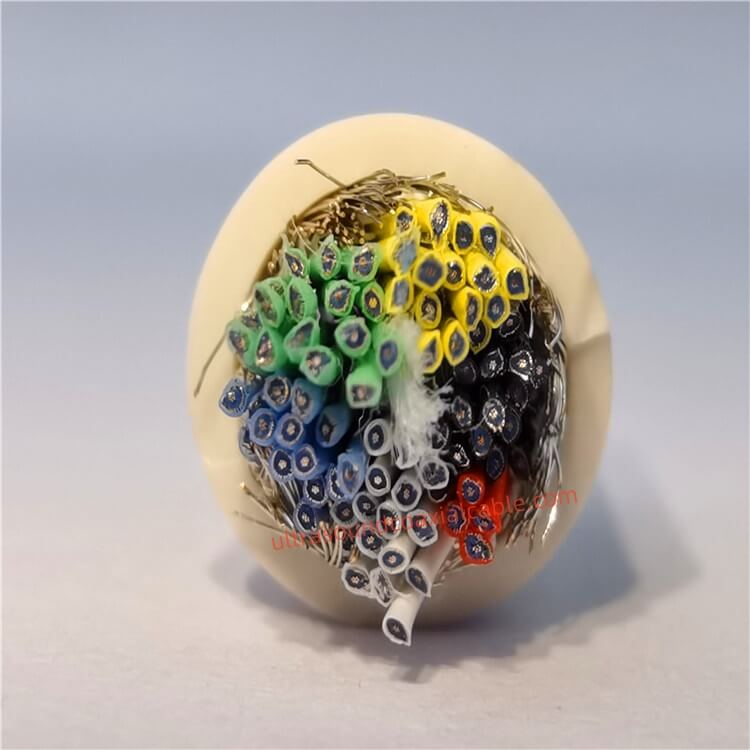
Ultrasound Coaxial Cable|High-Performance Signal Transmission for Precision Applications

Ultrasound Coaxial Cable|High-Performance Signal Transmission for Precision Applications

‌‌Product Overview‌The ‌Ultrasound Coaxial Cable‌ is a specialized cable engineered to deliver ultra-low signal loss, exceptional shielding, and unmatched durability in critical environments. Designed for medical imaging, industrial testi.
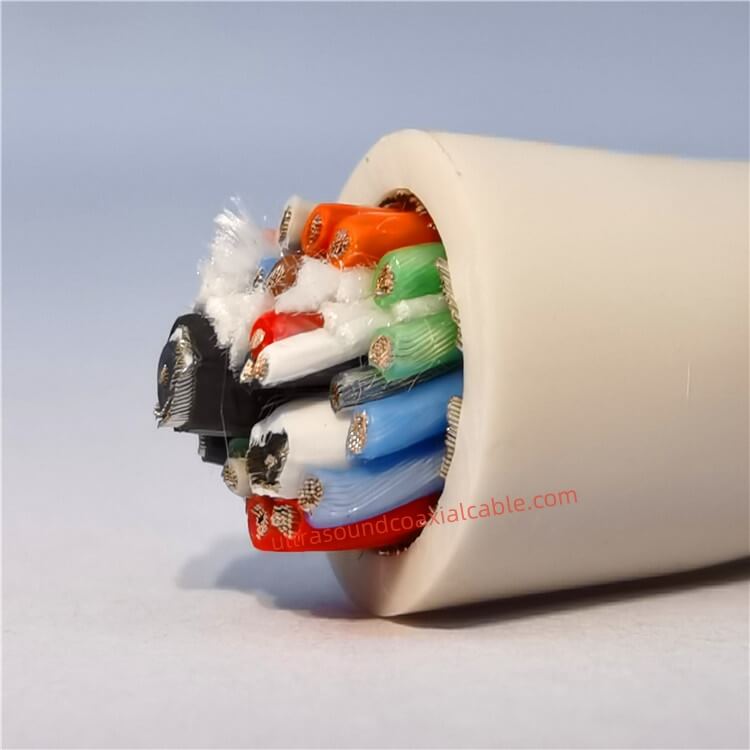
138-Core Medical Ultrasound Probe Coaxial Cable with 0.2mm Diameter – Biocompatible & FDA-Certified

138-Core Medical Ultrasound Probe Coaxial Cable with 0.2mm Diameter – Biocompatible & FDA-Certified

High-Precision 138-Core Medical Ultrasound Coaxial Cables | 0.2mm Ultra-Fine Biocompatible Design for Diagnostic Imaging Product Overview Engineered for advanced medical imaging systems, our 138-Core Medical Ultrasound Probe Coa.

Ultra-Flexible Coaxial Cable for Ultrasound Transducers – 44AWG, 0.15dB/m Attenuation at 1GHz

Ultra-Flexible Coaxial Cable for Ultrasound Transducers – 44AWG, 0.15dB/m Attenuation at 1GHz

High-Performance Flexible Coaxial Cable for Medical Imaging & Ultrasound Systems Designed for demanding applications in medical imaging, industrial diagnostics, and high-frequency signal transmission, this ultra-flexible coaxial ca.

High-Precision Ultrasound Coaxial Cable for Medical Imaging – Low Noise, Flexible Design, 42AWG

High-Precision Ultrasound Coaxial Cable for Medical Imaging – Low Noise, Flexible Design, 42AWG

Ultra-Flexible 42AWG Medical-Grade Coaxial Cables for High-Precision Ultrasound Imaging Designed for demanding medical imaging applications, our Ultra-Flexible 42AWG Coaxial Cables deliver exceptional signal integrity, noise reduction,.

Contact Us

Feel free to reach out to us for any inquiries or orders.

Call Us

Have a question? Give us a call!

                   +8618818785005(Whatsapp)

Email Us

Send us an email and we'll get back to you soon.

sales@custom-cable-assemblies.com
       
Home Products Contact