Executive Summary The medical imaging industry is undergoing a revolutionary transformation with the introduction of next-generation high-frequency ultrasound coaxial cables.… - Professional Ultrasound Coaxial Cable Solutions
Learn more about, latest news, frequently asked questions
The medical imaging industry is undergoing a revolutionary transformation with the introduction of next-generation high-frequency ultrasound coaxial cables. These advanced cables are engineered to address the critical signal integrity challenges posed by 4K ultrasound systems, delivering unprecedented image clarity and diagnostic accuracy. As 4K ultrasound technology becomes the new standard in medical diagnostics, the demand for reliable, high-performance coaxial cables has surged dramatically. This article explores how innovative cable design and material science are reshaping ultrasound imaging capabilities, enabling healthcare professionals to achieve superior diagnostic outcomes while maintaining patient safety and operational efficiency.
The global ultrasound coaxial cable market is experiencing robust growth, driven by technological advancements in medical imaging and increasing healthcare expenditure worldwide. According to industry forecasts, the market is projected to maintain a steady growth trajectory through 2030, with significant expansion in both medical and industrial applications. The Asia-Pacific region, in particular, is witnessing exceptional growth rates exceeding 12.5% CAGR, fueled by healthcare infrastructure development and the adoption of advanced diagnostic technologies.
The transition to 4K ultrasound imaging represents a paradigm shift in medical diagnostics. Unlike traditional HD systems, 4K ultrasound captures four times the resolution and twice the color information, generating massive data streams that require robust transmission infrastructure. This technological leap has created unprecedented demands on coaxial cable performance, pushing manufacturers to develop solutions that can handle higher frequencies, minimize signal loss, and maintain signal integrity over extended distances.
The newly launched high-frequency medical ultrasound coaxial cables are engineered to meet the exacting requirements of 4K imaging systems. These cables feature advanced dielectric materials and multi-layer shielding architectures that enable transmission frequencies up to 40 GHz, with impedance matching at 50Ω or 75Ω depending on application requirements. The low attenuation characteristics—achieving less than 0.1 dB/m at 1 GHz—ensure minimal signal degradation even over extended cable runs, making them ideal for large medical facilities and complex imaging setups.
Key performance metrics include:
The breakthrough in cable performance stems from advanced material science. High-purity oxygen-free copper conductors ensure uncompromised signal integrity, while foam polyethylene dielectric materials minimize attenuation. The multi-layer shielding architecture combines aluminum foil and tin-plated copper braid to create a robust defense against electromagnetic interference (EMI), a critical consideration in hospital environments filled with medical equipment and wireless networks.
Medical-grade silicone jackets provide resistance to alcohol sterilization and autoclaving up to 134°C, meeting the stringent hygiene requirements of clinical settings. This material composition also offers superior flexibility with a bend radius of just 5 times the cable diameter, allowing for easy maneuverability during procedures without compromising signal quality.
Medical ultrasound coaxial cables must adhere to rigorous international standards to ensure patient safety and device reliability. The newly launched cables are fully compliant with ISO 13485 quality management systems for medical devices, demonstrating a commitment to manufacturing excellence and traceability. Additionally, they meet IEC 60601-1 electrical safety standards for medical equipment, providing assurance that the cables can operate safely in clinical environments.
Biocompatibility testing according to ISO 10993-5 standards confirms that cable materials are safe for patient contact, while RoHS and REACH compliance ensures the exclusion of hazardous substances. UL recognition and CE marking further validate the cables’ safety and performance characteristics, making them suitable for global distribution and use in diverse healthcare settings.
For medical device manufacturers seeking to enter the US market, these cables support FDA 510(k) clearance processes by providing comprehensive documentation including material declarations, test reports, and validation data. The combination of regulatory compliance and technical performance makes them an ideal choice for OEMs developing next-generation ultrasound systems for global markets.
The high-frequency coaxial cables are specifically designed for advanced medical imaging applications, including:
4K Ultrasound Diagnostic Systems: These cables enable the transmission of high-resolution ultrasound signals from transducers to imaging consoles, ensuring that the increased data volume of 4K imaging is preserved without degradation. The low attenuation characteristics are particularly crucial for cardiac imaging, where real-time Doppler measurements require exceptional signal integrity.
Minimally Invasive Procedures: Flexible, miniature coaxial cables are integrated into endoscopic tools and catheters for guided interventions. In robotic surgery applications, these cables transmit ultrasound signals to navigate delicate tissues while maintaining sterility and durability throughout multiple sterilization cycles.
Portable Ultrasound Devices: The compact design and lightweight construction make these cables ideal for portable and point-of-care ultrasound systems. Their flexibility allows for easy storage and transport, while the robust shielding ensures reliable performance in diverse clinical environments.
Beyond medical imaging, these high-performance cables find applications in:
Industrial Non-Destructive Testing (NDT): Ultrasonic thickness gauges and flaw detection systems rely on these cables to transmit high-frequency signals for material inspection in aerospace, automotive, and manufacturing sectors. The cables’ ability to withstand harsh industrial environments while maintaining signal integrity makes them indispensable for quality control applications.
Scientific Research: Laboratories use these cables to connect sensors and analyzers for studying tissue properties, drug delivery systems, and acoustic metamaterials. The precision impedance control allows for accurate signal reflection analysis, supporting cutting-edge research in material science and biomedical engineering.
The primary advantage of these high-frequency coaxial cables lies in their ability to maintain signal integrity across the entire frequency spectrum. The foam polyethylene dielectric minimizes attenuation, achieving less than 0.1 dB/m at 1 GHz—significantly outperforming standard coaxial cables. This low attenuation translates directly to superior image quality in 4K ultrasound systems, where even minor signal loss can result in image artifacts and reduced diagnostic confidence.
The dual-layer shielding architecture provides 110dB interference rejection, effectively blocking EMI from MRI machines, Wi-Fi networks, and other medical equipment. This shielding performance is critical in hospital environments where multiple electronic devices operate simultaneously, ensuring that ultrasound signals remain clean and artifact-free.
Medical-grade silicone jackets offer exceptional durability, withstanding more than 10,000 bending cycles without cracking or performance degradation. This flex life is particularly important for ultrasound probes that undergo frequent movement and manipulation during examinations. The cables also resist chemical exposure from disinfectants and sterilization agents, maintaining their mechanical and electrical properties through repeated cleaning cycles.
Temperature resistance from -55°C to +200°C ensures reliable operation in diverse clinical settings, from cold storage environments to autoclave sterilization processes. This wide temperature range makes the cables suitable for both diagnostic imaging and therapeutic ultrasound applications.
As a leading manufacturer, FRS offers comprehensive customization options to meet specific application requirements. Cable parameters including conductor gauge (38-46 AWG), shielding layers, and jacket materials (PVC, TPU) can be tailored to unique specifications. Custom connector configurations (BNC, SMA, LEMO) and length specifications ensure compatibility with diverse ultrasound systems and clinical workflows.
Scalable production capabilities support orders from small-batch trials to mass production, with weekly capacity exceeding 1,000,000 meters. Rapid prototyping services deliver samples within 3-5 days, accelerating product development cycles for medical device manufacturers.
Traditional coaxial cables struggle with signal attenuation at higher frequencies, limiting their effectiveness in 4K ultrasound systems. The newly launched cables overcome this challenge through advanced dielectric materials and precision impedance matching. The foam polyethylene dielectric reduces attenuation to less than 0.1 dB/m at 1 GHz, ensuring that high-frequency signals maintain their integrity throughout transmission.
Hospital environments are saturated with electromagnetic interference from various medical devices, wireless networks, and power systems. The multi-layer shielding architecture—combining aluminum foil and tin-plated copper braid—provides 110dB interference rejection, effectively isolating ultrasound signals from external noise sources. This shielding performance is validated through rigorous testing in simulated clinical environments.
Medical cables must withstand repeated sterilization cycles using chemical disinfectants, autoclaving, and other cleaning methods. The medical-grade silicone jackets are resistant to alcohol sterilization and autoclaving up to 134°C, maintaining their mechanical and electrical properties through hundreds of sterilization cycles. Biocompatibility testing according to ISO 10993-5 standards ensures that cable materials are safe for patient contact.
Ultrasound procedures often require cables to be manipulated and positioned in confined spaces. The cables’ flexible design with a bend radius of 5 times the cable diameter allows for easy maneuverability without compromising signal quality. This flexibility is particularly important for portable ultrasound systems and procedures requiring complex probe positioning.
The trend toward miniaturization continues with the development of ultra-thin coaxial cables enabling 8mm 128-channel probes. These miniature cables support higher channel counts in smaller form factors, allowing for more detailed imaging and improved diagnostic capabilities. The use of fluoropolymer foam technology enables these compact designs while maintaining signal integrity and durability.
Emerging technologies include smart cables with embedded sensors for monitoring cable performance and predicting maintenance needs. These intelligent systems can detect signal degradation, temperature fluctuations, and mechanical stress, providing real-time feedback to operators and maintenance teams. This predictive maintenance capability reduces downtime and extends the lifespan of ultrasound equipment.
The combination of high-performance coaxial cables with AI algorithms is transforming ultrasound diagnostics. AI-powered systems can analyze ultrasound signals in real-time, providing automated measurements, anomaly detection, and diagnostic assistance. The high signal integrity provided by these cables ensures that AI algorithms receive clean, accurate data for reliable analysis.
While wired connections remain essential for critical imaging applications, the integration of 5G technology enables wireless data transmission for certain use cases. High-performance coaxial cables continue to play a crucial role in connecting transducers to processing units, while wireless technologies facilitate data sharing and remote diagnostics.
FRS operates an ISO 13485 certified manufacturing facility, implementing rigorous quality control processes throughout the production lifecycle. Each cable undergoes comprehensive testing including electrical continuity, impedance matching, shielding effectiveness, and mechanical durability assessments. Batch-level traceability ensures that every cable can be tracked from raw materials to final product, providing complete transparency for medical device manufacturers.
Material selection follows strict criteria based on performance requirements and regulatory compliance. High-purity oxygen-free copper conductors are selected for their superior conductivity and signal transmission characteristics. Foam polyethylene dielectric materials are chosen for their low attenuation properties and temperature stability. Medical-grade silicone jackets undergo biocompatibility testing to ensure patient safety.
Every cable batch undergoes a comprehensive battery of tests including:
These testing protocols ensure that each cable meets or exceeds industry standards and customer specifications.
The launch of high-frequency medical ultrasound coaxial cables represents a significant advancement in medical imaging technology. By addressing the critical challenges of signal integrity, EMI interference, and durability, these cables enable the full potential of 4K ultrasound systems to be realized. Healthcare providers can now achieve unprecedented image clarity and diagnostic confidence, while medical device manufacturers benefit from reliable, high-performance components that support their innovation efforts.
As the medical imaging industry continues to evolve, the demand for advanced coaxial cables will only increase. The combination of technical excellence, regulatory compliance, and manufacturing expertise positions FRS as a trusted partner for medical device manufacturers worldwide. Whether developing next-generation ultrasound systems or upgrading existing equipment, these high-frequency coaxial cables provide the foundation for superior diagnostic performance and improved patient outcomes.
The future of medical imaging is bright, and high-performance coaxial cables are at the heart of this transformation, enabling healthcare professionals to see more clearly, diagnose more accurately, and deliver better care to patients around the world.
Discover our most popular furniture pieces that are loved by customers worldwide.

High-Performance Flexible Coaxial Cable for Medical Imaging & Ultrasound Systems Designed for demanding applications in medical imaging, industrial diagnostics, and high-frequency signal transmission, this ultra-flexible coaxial ca.
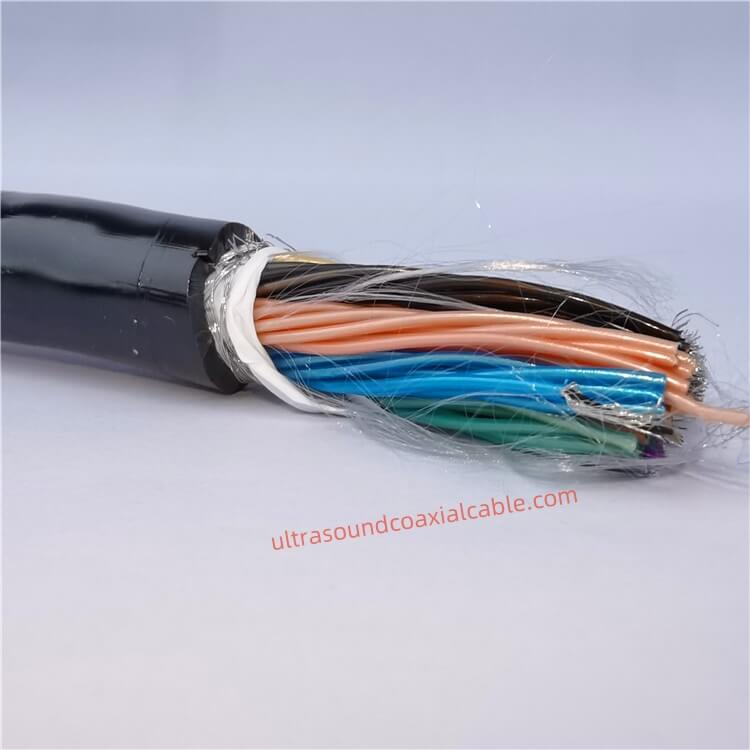
High-Performance Ultrasound Coaxial Cable Assembly: 42AWG to 30AWG, 6.6mm OD, 18GHz Bandwidth Engineered for precision in medical imaging and industrial applications, this customizable coaxial cable assembly delivers exceptional signal.

Ultra-Flexible 42AWG Medical-Grade Coaxial Cables for High-Precision Ultrasound Imaging Designed for demanding medical imaging applications, our Ultra-Flexible 42AWG Coaxial Cables deliver exceptional signal integrity, noise reduction,.
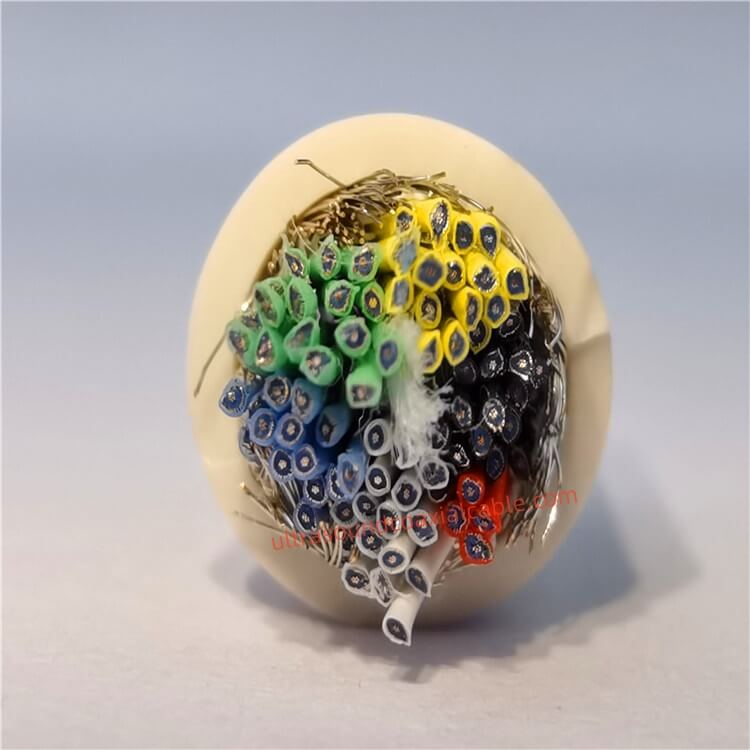
Product OverviewThe Ultrasound Coaxial Cable is a specialized cable engineered to deliver ultra-low signal loss, exceptional shielding, and unmatched durability in critical environments. Designed for medical imaging, industrial testi.
Feel free to reach out to us for any inquiries or orders.