In the demanding field of medical imaging and non-destructive testing (NDT), signal integrity is non-negotiable. The evolution of high-frequency ultrasound… - Professional Ultrasound Coaxial Cable Solutions
Learn more about, latest news, frequently asked questions
In the demanding field of medical imaging and non-destructive testing (NDT), signal integrity is non-negotiable. The evolution of high-frequency ultrasound systems, pushing beyond 20 MHz for superior resolution, has exposed a critical bottleneck: signal attenuation in the interconnecting Ultrasound Coaxial Cable. This article explores a material science breakthrough—Advanced Silver-Clad Copper (SCC) conductor technology—that is setting new benchmarks for low-loss performance, durability, and cost-efficiency in high-frequency signal transmission.
At the heart of every Ultrasound Coaxial Cable is the conductor. At low frequencies, current flows uniformly through the entire cross-section of the conductor. However, as ultrasound frequencies climb into the megahertz and gigahertz range, the “Skin Effect” dominates. This phenomenon forces the electrical current to travel only on the outer surface of the conductor. The depth of this current flow, known as the skin depth, becomes critically thin—often less than 10 micrometers at 10 MHz.
For a bare copper conductor, this means the bulk of the expensive, high-conductivity copper core becomes electrically inert at high frequencies. The signal encounters the natural surface resistance of copper, leading to significant insertion loss and heat generation. Silver, with the highest electrical conductivity of any metal (approximately 106% IACS vs. Copper’s 100%), offers a lower-resistance path. By cladding a copper core with a precisely controlled layer of pure silver, the Ultrasound Coaxial Cable leverages the bulk strength and cost-effectiveness of copper while ensuring that the high-frequency signal travels exclusively on the superior-conductivity silver surface.
The choice of conductor material directly impacts the attenuation coefficient (dB/m), a key metric for Ultrasound Coaxial Cable performance. The following comparison illustrates the tangible benefits of the new SCC technology:
| Conductor Type | Attenuation @ 1 GHz (Typical) | Cost Factor | High-Frequency Suitability | Key Limitation |
|---|---|---|---|---|
| Bare Copper (BC) | >0.25 dB/m | 1.0x | Poor | High surface resistivity; oxidizes, increasing loss over time |
| Silver-Clad Copper (SCC) | <0.15 dB/m | 1.5x – 2.0x | Excellent | Optimal balance of performance and cost; superior corrosion resistance |
| Pure Silver (Ag) | <0.12 dB/m | 8.0x – 10.0x | Superior | Prohibitively expensive; mechanically soft, prone to fatigue in flexing cables |
For OEMs designing next-generation ultrasound transducers, this data confirms that SCC technology delivers up to a 40% reduction in signal loss compared to standard copper cables, without the budget-breaking expense of solid silver conductors. This translates directly to clearer images, deeper penetration in tissue or materials, and reduced power requirements for the system.
A high-performance conductor is only one component of a reliable Ultrasound Coaxial Cable. As a leading Ultrasound Coaxial Cable Manufacturer, FRS engineers cables to meet the stringent requirements of global regulatory bodies.
Pain Point 1: Image Artifacts from Signal Degradation
Pain Point 2: Cable Failure from Micro-Flexing
Pain Point 3: Balancing Performance with BOM Cost
The global push for higher-resolution imaging is driving demand for advanced coaxial solutions. This technology is critical in:
As a specialized Ultrasound Coaxial Cable Manufacturer, FRS is at the forefront of this material innovation. Our R&D focus on conductor technology ensures that our partners receive cables that not only meet today’s specifications but are future-proofed for the next leap in imaging frequency and clarity.
Discover our most popular furniture pieces that are loved by customers worldwide.
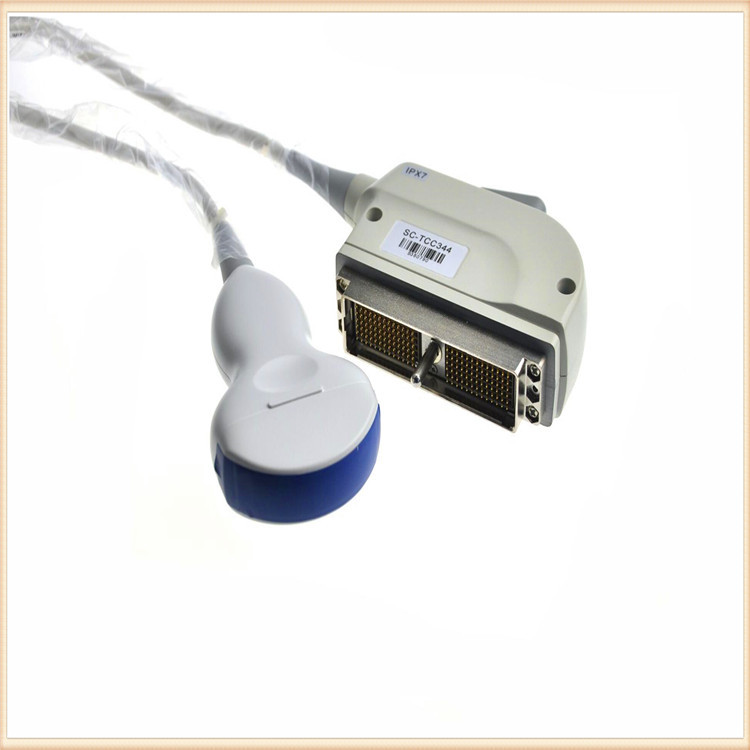
High-Performance Military Ultrasound Coaxial Cables: Built for Extreme Conditions Designed to meet the demanding requirements of military, aerospace, and medical applications, our Military-Grade Ultrasound Coaxial Cables deliver except.

High-Performance Flexible Coaxial Cable for Medical Imaging & Ultrasound Systems Designed for demanding applications in medical imaging, industrial diagnostics, and high-frequency signal transmission, this ultra-flexible coaxial ca.
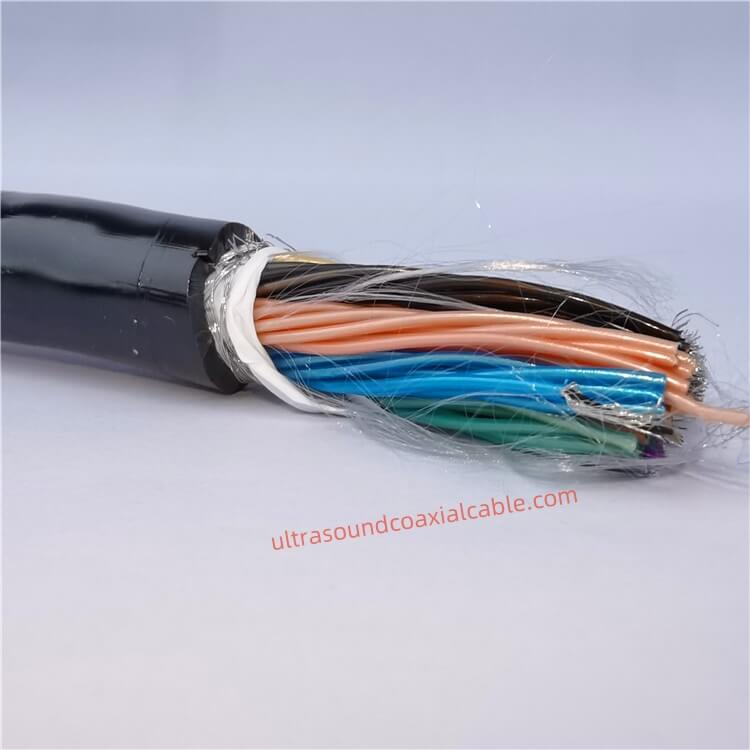
High-Performance Ultrasound Coaxial Cable Assembly: 42AWG to 30AWG, 6.6mm OD, 18GHz Bandwidth Engineered for precision in medical imaging and industrial applications, this customizable coaxial cable assembly delivers exceptional signal.

Ultra-Flexible 42AWG Medical-Grade Coaxial Cables for High-Precision Ultrasound Imaging Designed for demanding medical imaging applications, our Ultra-Flexible 42AWG Coaxial Cables deliver exceptional signal integrity, noise reduction,.
Feel free to reach out to us for any inquiries or orders.