Bend Radius Limitations: Best Practices for Flexible Coaxial Cable Installation | High-Quality Ultrasound Coaxial Cable | ultrasound coaxial cable Manufacturer & Factory-FRS

Bend Radius Limitations: Best Practices for Flexible Coaxial Cable Installation

Optimizing Ultrasound Coaxial Cable Performance: Key Considerations for Bend Radius and Installation​ Flexible coaxial cables are indispensable in high-frequency applications… - Professional Ultrasound Coaxial Cable Solutions

Information

Learn more about, latest news, frequently asked questions

Optimizing Ultrasound Coaxial Cable Performance: Key Considerations for Bend Radius and Installation

Flexible coaxial cables are indispensable in high-frequency applications such as ultrasound imaging, telecommunications, and medical devices. Among their many critical parameters, ​bend radius limitations​ play a pivotal role in ensuring signal integrity, durability, and long-term performance. Improper bending during installation can lead to mechanical stress, signal attenuation, or even irreversible damage. This article explores best practices for managing bend radius in flexible coaxial cables, with a focus on ultrasound applications, and highlights how FRS Company’s engineering expertise delivers solutions tailored to these challenges.


Understanding Bend Radius and Its Impact

The ​bend radius​ of a coaxial cable refers to the minimum radius at which the cable can be bent without compromising its structural or electrical performance. For flexible cables, exceeding this limit risks kinking, conductor deformation, or insulation breakdown. In ultrasound systems, where precision and reliability are paramount, even minor deviations can distort signal transmission, leading to imaging artifacts or data loss.
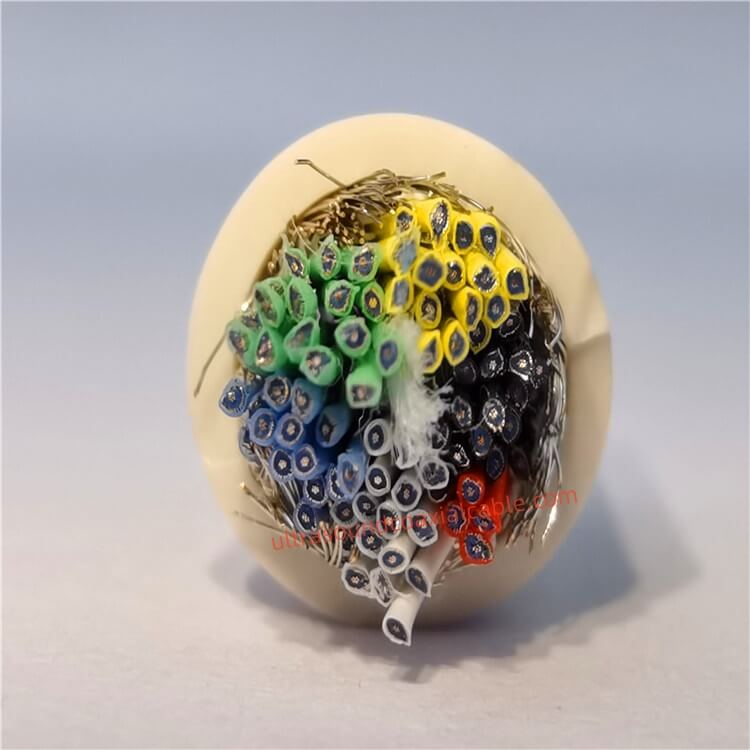
Critical Factors Influencing Bend Radius

  1. Cable Construction
    • Inner Conductor: Solid or stranded copper conductors affect flexibility. Stranded designs (e.g., RG174) offer better bendability but may sacrifice durability if overstressed .
    • Dielectric Material: Foam polyethylene or FEP jackets balance flexibility and insulation stability. For example, FEP-coated cables like those used in FRS’s ultrasound products resist cold-temperature brittleness, ensuring consistent performance in diverse environments .
    • Shielding Layers: Braided or foil shields protect against interference but add rigidity. FRS employs dual-layer shielding to maintain flexibility while minimizing signal leakage .
  2. Temperature Sensitivity
    Low temperatures increase cable rigidity, raising the effective bend radius. FRS’s cold-resistant cables, featuring TPE or PUR jackets, mitigate this risk, making them ideal for outdoor or refrigerated medical facilities .
  3. Dynamic vs. Static Bending
    Ultrasound probes often require repeated flexing during clinical use. Cables designed for dynamic stress (e.g., FRS’s robotic imaging cables) incorporate helical shielding and stress-relief elements to withstand cyclic bending .

Best Practices for Installation and Maintenance

1. Pre-Installation Planning

  • Route Optimization: Avoid sharp corners by planning cable paths with gradual curves. Use bend radius calculators (e.g., FRS’s proprietary tools) to model stress distribution under operational loads .
  • Temperature Checks: Verify ambient conditions. For outdoor installations, FRS recommends derating bend radius by 20% in sub-zero environments .

2. Handling Techniques

  • Gentle Manipulation: Use cable rollers or bend limiters during installation. Never pull cables by the connector, as this concentrates stress at weak points .
  • Support Systems: Install mid-span supports for long runs to prevent sagging, which can create unintended secondary bends. FRS’s cable trays with integrated guides ensure uniform curvature .

3. Post-Installation Validation

  • Visual Inspection: Look for flattened areas or kinks, especially near connectors. FRS’s quality assurance protocols include 100% bend radius testing using laser micrometers .
  • Signal Testing: Measure insertion loss and return loss to detect insulation damage. FRS’s VNA (Vector Network Analyzer) systems provide real-time diagnostics during commissioning .

FRS Company: Engineering Solutions for Demanding Applications

FRS Company has pioneered advancements in coaxial cable technology, addressing the unique challenges of ultrasound and other high-frequency systems. Our products are engineered to exceed industry standards while simplifying installation:

  • Custom Bend Radius Cables: FRS offers cables with bend radii as tight as 3× diameter (vs. standard 6×), ideal for portable ultrasound devices .
  • Phase-Stable Designs: Our cables minimize signal distortion under bending, critical for Doppler imaging and 3D ultrasound systems .
  • Robust Connectors: FRS’s SMA and SMB connectors are precision-machined to maintain contact integrity, even under repeated flexing .

For medical device manufacturers and OEMs, partnering with FRS ensures compliance with IEC 60601-1 safety standards and reduces field failures. Our cables undergo accelerated aging tests to simulate decades of use, providing peace of mind in life-critical applications.


Conclusion
Mastering bend radius management is essential for maximizing the lifespan and performance of flexible coaxial cables in ultrasound systems. By adopting FRS Company’s best practices and leveraging our innovative designs, you can achieve reliable signal transmission, reduce maintenance costs, and enhance patient outcomes.

Contact FRS Today
Ready to elevate your ultrasound imaging solutions? FRS Company offers free sample kits and technical consultations to help you select the perfect coaxial cables for your needs. Visit our website or call FRS-ENGINE to discuss your project with our engineering team.


FRS Company – Precision Engineered, Relentlessly Tested.

Hot Selling Products

Discover our most popular furniture pieces that are loved by customers worldwide.

Ultra-Flexible Coaxial Cable for Ultrasound Transducers – 44AWG, 0.15dB/m Attenuation at 1GHz

Ultra-Flexible Coaxial Cable for Ultrasound Transducers – 44AWG, 0.15dB/m Attenuation at 1GHz

High-Performance Flexible Coaxial Cable for Medical Imaging & Ultrasound Systems Designed for demanding applications in medical imaging, industrial diagnostics, and high-frequency signal transmission, this ultra-flexible coaxial ca.
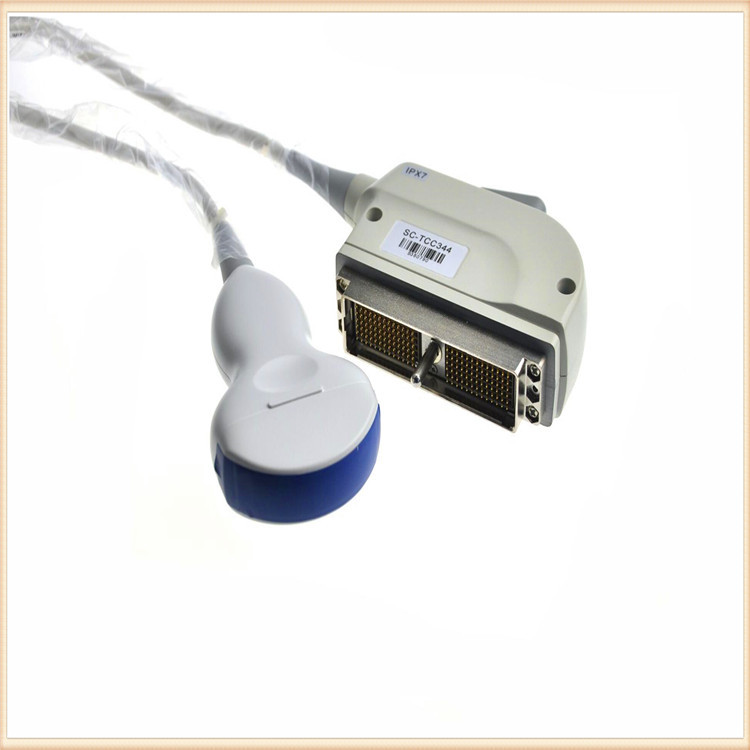
Military-Grade Ultrasound Coaxial Cable – High-Temperature Resistance, 100daN Compression Strength

Military-Grade Ultrasound Coaxial Cable – High-Temperature Resistance, 100daN Compression Strength

High-Performance Military Ultrasound Coaxial Cables: Built for Extreme Conditions Designed to meet the demanding requirements of military, aerospace, and medical applications, our Military-Grade Ultrasound Coaxial Cables deliver except.
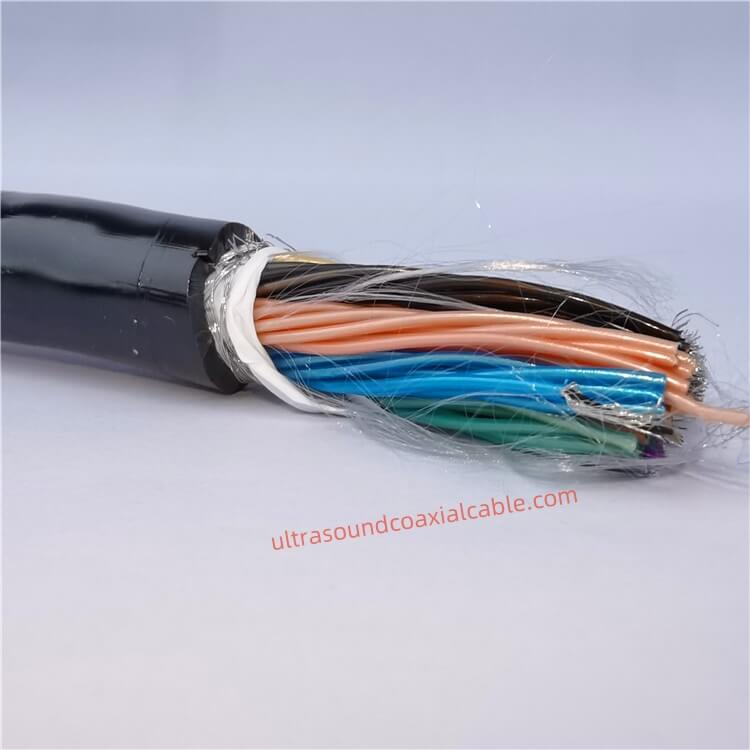
Customizable Ultrasound Coaxial Cable Assembly – 42AWG to 30AWG, 6.6mm OD, 18GHz Bandwidth

Customizable Ultrasound Coaxial Cable Assembly – 42AWG to 30AWG, 6.6mm OD, 18GHz Bandwidth

High-Performance Ultrasound Coaxial Cable Assembly: 42AWG to 30AWG, 6.6mm OD, 18GHz Bandwidth Engineered for precision in medical imaging and industrial applications, this customizable coaxial cable assembly delivers exceptional signal.

Ultrasound Coaxial Cable|High-Performance Signal Transmission for Precision Applications

Ultrasound Coaxial Cable|High-Performance Signal Transmission for Precision Applications

‌‌Product Overview‌The ‌Ultrasound Coaxial Cable‌ is a specialized cable engineered to deliver ultra-low signal loss, exceptional shielding, and unmatched durability in critical environments. Designed for medical imaging, industrial testi.

Contact Us

Feel free to reach out to us for any inquiries or orders.

Call Us

Have a question? Give us a call!

                   +8618818785005(Whatsapp)

Email Us

Send us an email and we'll get back to you soon.

sales@custom-cable-assemblies.com
       
Home Products Contact