The recent FDA approval of medical-grade ultrasound coaxial cables represents a significant milestone in diagnostic imaging technology. This regulatory clearance… - Professional Ultrasound Coaxial Cable Solutions
Learn more about, latest news, frequently asked questions
The recent FDA approval of medical-grade ultrasound coaxial cables represents a significant milestone in diagnostic imaging technology. This regulatory clearance confirms that these critical components meet the highest standards of safety, performance, and reliability required for medical device applications. For ultrasound system manufacturers and healthcare providers, this approval means access to cables that deliver exceptional signal integrity, durability, and compliance with stringent medical device regulations.
The global ultrasound coaxial cable market is experiencing robust expansion, driven by increasing demand for high-quality medical imaging equipment and technological advancements in ultrasound technology. The market, currently valued at approximately 500millionin2025,isprojectedtogrowatacompoundannualgrowthrate(CAGR)of7850 million by 2033. This growth is fueled by several key factors: the rising prevalence of chronic diseases necessitating increased diagnostic imaging, technological innovations leading to improved image resolution and portability of ultrasound machines, and the expansion of healthcare infrastructure in developing economies.
North America currently leads the market, driven by advanced healthcare systems and significant investments in medical technology. However, the Asia-Pacific region shows particularly strong growth potential, with a projected CAGR of 12.5%, indicating substantial opportunities for manufacturers and suppliers in this space.
Medical-grade coaxial cables must adhere to a complex web of international standards and regulations to ensure patient and operator safety. The FDA’s Quality System Regulation (QSR) 21 CFR Part 820 establishes the minimum requirements for designing, manufacturing, packaging, labeling, storing, installing, and servicing medical devices. This includes formal design controls, document controls, purchasing controls, production controls, and corrective and preventive action (CAPA) procedures.
For international markets, ISO 13485:2016 certification is mandatory for medical device manufacturers, specifying requirements for a quality management system that demonstrates the ability to provide medical devices and related services that consistently meet customer and applicable regulatory requirements. Additionally, IEC 60601-1 standards govern electrical safety, while ISO 10993-5 addresses biocompatibility testing for patient-contact materials. RoHS and REACH regulations further limit the use of hazardous substances like lead and phthalates.
The FDA’s 510(k) clearance process, mandatory for U.S. market entry, involves rigorous testing and documentation, often taking 6-12 months and costing over $500,000. This regulatory landscape creates significant barriers to entry for smaller firms lacking in-house regulatory expertise, as demonstrated by the 2022 case of a Chinese startup whose cable failed biocompatibility tests due to suboptimal polymer coatings.
Medical-grade ultrasound coaxial cables are engineered to deliver ultra-low signal loss, exceptional shielding, and unmatched durability in critical environments. These cables are optimized for high-frequency ultrasound signals (1MHz–100MHz) with attenuation typically less than 0.5 dB/m at 50MHz to maintain signal clarity. Standard impedance options of 50Ω or 75Ω ensure compatibility with ultrasound probes, transducers, and diagnostic equipment.
Advanced shielding technology combines triple-layer protection with braided copper, foil, and dielectric insulation to achieve shielding efficiency exceeding 90%, effectively blocking EMI/RFI interference in high-noise environments like hospitals and factories. This is particularly critical given IEC 60601-1-2 requirements for electromagnetic compatibility (EMC) to prevent interference with other medical devices.
Material selection is crucial for both performance and compliance. Polyethylene foam insulation provides excellent electrical properties with tight dielectric tolerances (<±2%) for consistent performance across the operating temperature range (-40°C to +105°C). Medical-grade polyurethane or silicone jackets offer durability, flexibility, and compliance with ISO 10993-5 biocompatibility standards, resisting autoclave, ethylene oxide (EtO), and chemical sterilization processes without performance degradation.
Medical ultrasound probes represent the primary application for these specialized cables. For diagnostic imaging applications, 138-core medical ultrasound probe coaxial cables with 0.2mm ultra-thin diameter enable precise maneuverability in confined anatomical spaces. These cables feature low capacitance (50 pF/m) to reduce signal loss and 95% braid coverage for EMI protection, withstanding 10,000+ bending cycles without cracking to ensure reliability in high-use clinical settings.
Portable and handheld ultrasound devices require ultra-flexible cables with small bend radius (≤25mm dynamic, 15mm static) and lightweight construction. 42-44 AWG stranded conductors provide the necessary flexibility while maintaining signal integrity, withstanding 3kg tensile strength for field use and repeated coiling/uncoiling. These capabilities are essential for systems like the MyLab™ A50 and MyLab™ A70 ultrasound systems, which are designed to be highly portable with compact sizes and battery operation to meet the mobility needs of healthcare practitioners.
Beyond medical imaging, ultrasound coaxial cables play critical roles in non-destructive testing (NDT) applications across aerospace, automotive, and industrial sectors. These environments demand cables with high-temperature resistance, chemical resistance, and robust mechanical properties. Semi-rigid designs provide lower attenuation but reduced flexibility, making them suitable for fixed installations where signal integrity is paramount.
High-precision signal transfer in acoustic studies, material analysis, and sonar systems also relies on specialized ultrasound coaxial cables. The ability to maintain signal integrity across varying environmental conditions and frequencies makes these cables indispensable for research applications requiring accurate data collection and analysis.
The primary advantage of medical-grade ultrasound coaxial cables lies in their ability to maintain signal integrity across the entire frequency spectrum. Low attenuation characteristics ensure that high-frequency ultrasound signals reach their destination with minimal degradation, enabling clearer imaging and more accurate diagnostics. Impedance matching within ±1% prevents signal reflections that can cause ghosting and reduced diagnostic accuracy.
Medical environments demand components that can withstand rigorous use and repeated sterilization cycles. These cables are designed to survive 1,000+ autoclave cycles and 10,000+ bending cycles without performance degradation. Reinforced connector interfaces and robust construction ensure long-term reliability, reducing downtime and maintenance costs for healthcare facilities.
Leading manufacturers like FRS offer full-parameter customization, including impedance matching, shielding performance optimization, and specific connector configurations. This flexibility allows OEMs to integrate cables seamlessly into their existing systems without compromising performance or compliance.
Comprehensive documentation, including material declarations, test reports, and batch-level certification, simplifies regulatory submissions for medical device manufacturers. This documentation is essential for demonstrating compliance with FDA, TGA, and other international regulatory requirements.
Poor shielding and improper impedance matching can lead to signal degradation, ghosting, and reduced diagnostic accuracy. The solution involves implementing triple-layer shielding with 120dB EMI attenuation and ensuring impedance matching within ±1%. This approach effectively blocks external interference while maintaining signal integrity.
Repeated bending and sterilization cycles can cause cable cracking and connector wear. Using reinforced connector interfaces that withstand 10,000+ bending cycles and materials that survive 1,000+ autoclave cycles addresses this challenge, extending cable lifespan and reducing replacement costs.
Medical device manufacturers require comprehensive documentation for regulatory submissions. Partnering with manufacturers that provide full material declarations, test reports, and batch-level certification streamlines the compliance process and reduces time to market.
Balancing initial cost with long-term reliability is challenging. Evaluating total cost of ownership, including lifespan, maintenance requirements, and potential downtime costs, helps manufacturers make informed decisions about cable selection.
The trend toward smaller, more portable medical devices drives demand for ultra-thin cables (0.2mm diameter) without compromising signal integrity. These miniaturized cables enable minimally invasive procedures and compact medical devices while maintaining performance standards.
Support for 4K and 8K ultrasound imaging requires cables optimized for ultra-high frequency (UHF) applications, transmitting signals in the hundreds of megahertz and gigahertz range. This enables higher resolution imaging and more detailed diagnostic capabilities.
Smart cables with embedded sensors for real-time data analytics represent the next frontier in ultrasound technology. These innovations enable real-time monitoring of signal integrity, temperature, and strain, providing valuable insights for both clinical applications and equipment maintenance.
The adoption of recyclable materials to meet eco-regulations is becoming increasingly important. Material innovations, including self-healing nanocomposite insulation and sustainable, recyclable materials, address environmental concerns while maintaining performance standards.
FRS medical coaxial cables combine technical expertise with industry insights to deliver customized solutions for specific applications. With 15+ years of experience in medical-grade cables, ISO 13485 certification, and full compliance with global medical device standards, FRS offers comprehensive engineering support for OEMs.
The company’s customization capabilities include specific impedance (50/75 Ω), voltage ratings (30-1,000V), and termination types (SMP, SMB, LC) to meet diverse application requirements. With ISO-certified facilities, FRS delivers bulk orders (up to 1M meters/month) without compromising quality, supported by a global service network spanning China, Europe, North America, and Southeast Asia.
FRS’s proven track record includes partnerships with leading brands like GE Healthcare and Siemens Healthineers, demonstrating the company’s ability to meet the stringent requirements of major medical device manufacturers. This experience, combined with comprehensive regulatory compliance and technical expertise, positions FRS as a trusted partner for ultrasound coaxial cable solutions.
The availability of FDA-approved medical-grade ultrasound coaxial cables marks a significant advancement in diagnostic imaging technology. These cables deliver the signal integrity, durability, and regulatory compliance required for modern medical applications, while addressing the challenges of miniaturization, high-frequency operation, and environmental sustainability. As the global market continues to grow, manufacturers and healthcare providers can leverage these advanced cable solutions to enhance diagnostic capabilities, improve patient outcomes, and maintain compliance with evolving regulatory standards.
Discover our most popular furniture pieces that are loved by customers worldwide.
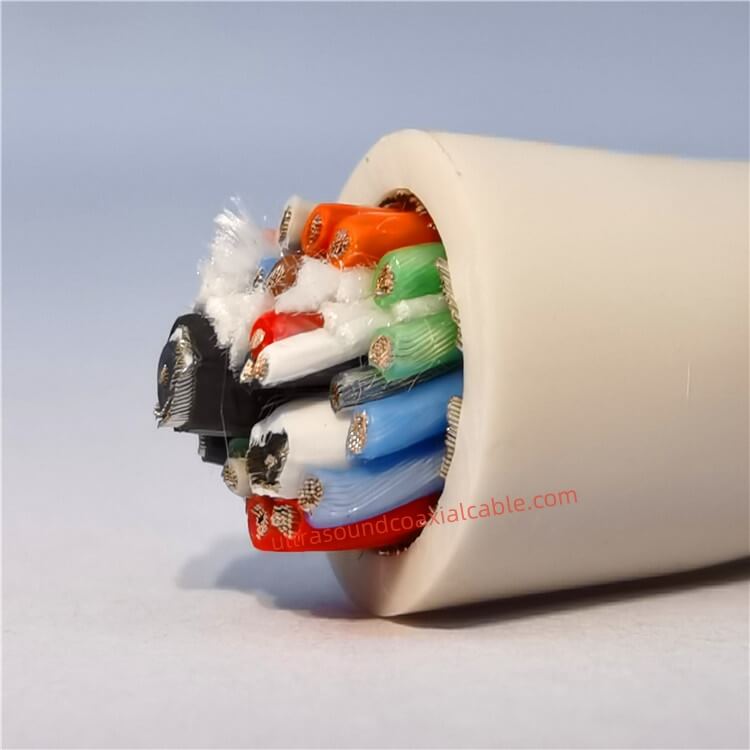
High-Precision 138-Core Medical Ultrasound Coaxial Cables | 0.2mm Ultra-Fine Biocompatible Design for Diagnostic Imaging Product Overview Engineered for advanced medical imaging systems, our 138-Core Medical Ultrasound Probe Coa.
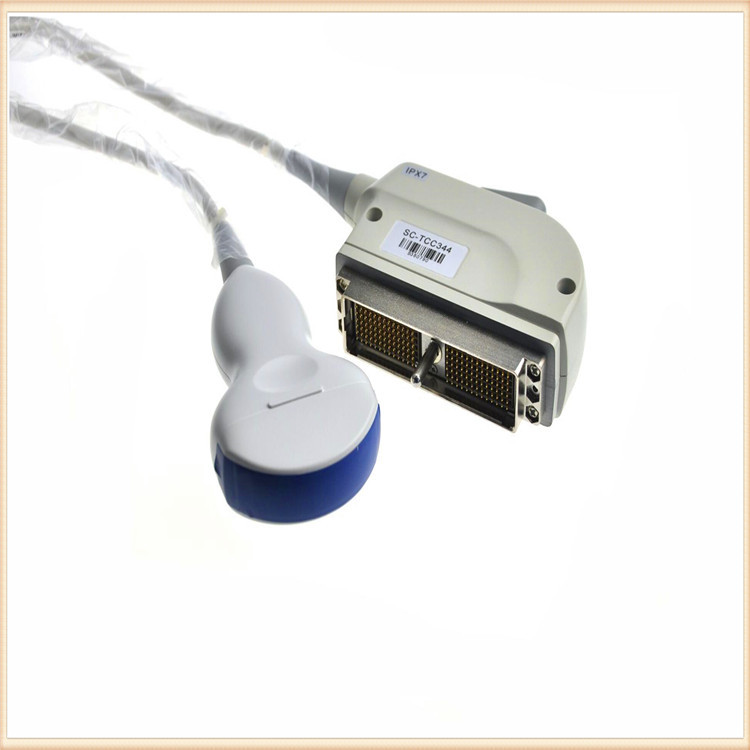
High-Performance Military Ultrasound Coaxial Cables: Built for Extreme Conditions Designed to meet the demanding requirements of military, aerospace, and medical applications, our Military-Grade Ultrasound Coaxial Cables deliver except.

Ultra-Flexible 42AWG Medical-Grade Coaxial Cables for High-Precision Ultrasound Imaging Designed for demanding medical imaging applications, our Ultra-Flexible 42AWG Coaxial Cables deliver exceptional signal integrity, noise reduction,.
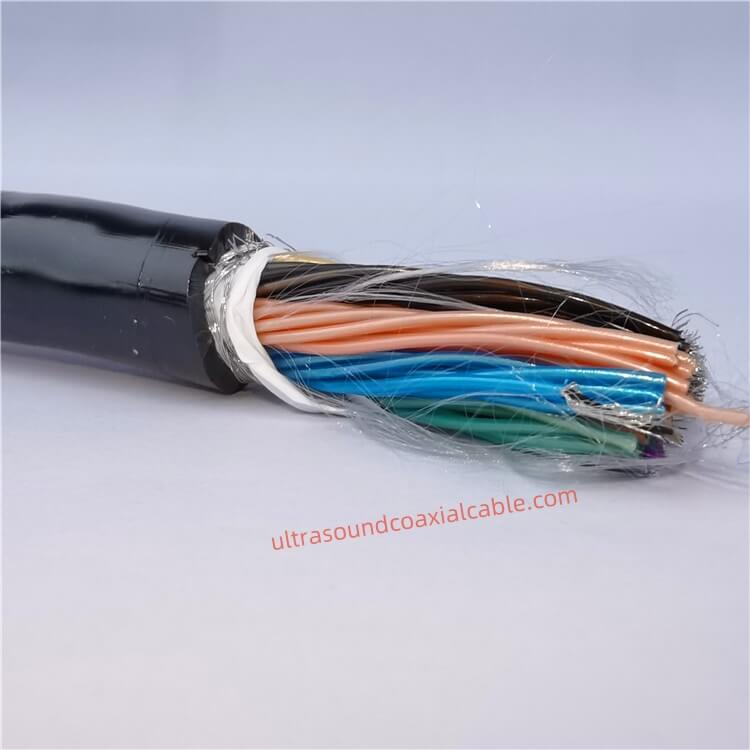
High-Performance Ultrasound Coaxial Cable Assembly: 42AWG to 30AWG, 6.6mm OD, 18GHz Bandwidth Engineered for precision in medical imaging and industrial applications, this customizable coaxial cable assembly delivers exceptional signal.
Feel free to reach out to us for any inquiries or orders.