Revolutionizing Marine Biology: The Critical Role of Ultrasound Coaxial Cables in Ocean Exploration The ocean, covering over 70% of Earth’s… - Professional Ultrasound Coaxial Cable Solutions
Learn more about, latest news, frequently asked questions
Revolutionizing Marine Biology: The Critical Role of Ultrasound Coaxial Cables in Ocean Exploration
The ocean, covering over 70% of Earth’s surface, remains one of the most mysterious frontiers for scientific discovery. At the heart of marine biology research lies advanced technology that enables scientists to explore, monitor, and conserve aquatic ecosystems. Among these tools, ultrasound coaxial cables have emerged as indispensable components, bridging the gap between underwater environments and high-precision data collection. These cables are not just cables—they are lifelines for underwater imaging, acoustic sensing, and marine life tracking. Let’s dive into how they’re transforming marine biology research.
Ultrasound coaxial cables are the backbone of underwater imaging systems, such as sonar and echosounders. These systems emit high-frequency sound waves (typically 20 kHz to 1 MHz) to map seafloor topography, identify coral reefs, or locate marine species. Unlike light, which attenuates rapidly in water, ultrasound penetrates deep, making it ideal for exploring dark or turbid environments.
For instance, researchers studying coral reefs use portable ultrasound devices connected to coaxial cables to generate 3D maps of reef structures. These cables transmit raw acoustic data to onboard computers, where algorithms reconstruct detailed images. This technology helps monitor reef health, track erosion, and assess biodiversity—critical tasks in marine conservation efforts .
Tracking marine animals like whales, sharks, or fish schools requires real-time data transmission. Ultrasound coaxial cables are embedded in biotelemetry tags attached to animals. These tags emit ultrasonic pulses that are picked up by underwater receivers, providing insights into migration patterns, feeding behaviors, and population dynamics.
A notable example is the use of acoustic telemetry in studying salmon populations. Tags on juvenile salmon transmit location data via ultrasound to receivers placed along riverbeds. The coaxial cables ensure minimal signal loss, even in fast-moving currents, allowing scientists to map migration routes with precision .
The deep ocean remains largely unexplored due to extreme pressure and darkness. Ultrasound coaxial cables are critical for deploying remotely operated vehicles (ROVs) and autonomous underwater vehicles (AUVs). These vehicles rely on ultrasound for obstacle avoidance, terrain mapping, and sample collection.
For deep-sea vents or hydrothermal plumes, specialized ultrasound probes mounted on ROVs use coaxial cables to transmit high-frequency signals. These signals detect temperature gradients and chemical compositions, aiding in the discovery of extremophile organisms and new species .
Ultrasound technology, powered by robust coaxial cables, is revolutionizing marine pollution detection. Acoustic sensors detect underwater noise pollution from ships or drilling, while ultrasonic spectrometers analyze water composition by measuring sound absorption rates.
In coastal zones, fixed ultrasound systems connected to coaxial cables monitor algal blooms or oil spills. The cables enable continuous data flow to shore stations, allowing rapid response to ecological threats. This application is vital for protecting fragile ecosystems like mangroves and seagrass beds .
As the world shifts to renewable energy, offshore wind farms and tidal turbines require precise environmental assessments. Ultrasound coaxial cables are used in hydrophone arrays to map seabed conditions and assess potential impacts on marine life.
For tidal energy sites, ultrasound systems analyze current velocities and sediment transport. Coaxial cables ensure reliable data transmission from underwater sensors to control centers, helping engineers design turbines that minimize ecological disruption .
In a landmark project off the coast of Australia, researchers deployed ultrasound coaxial cables to monitor coral regeneration. Underwater drones equipped with acoustic cameras mapped damaged reef areas, while coaxial cables transmitted data to scientists on research vessels. The system identified optimal sites for larval transplantation, leading to a 30% increase in coral cover within two years.
As marine ecosystems face unprecedented threats—from climate change to overfishing—ultrasound coaxial cables will play an even greater role. Innovations like AI-powered acoustic analysis and biodegradable underwater sensors promise to enhance data collection while reducing environmental impact.
For marine biologists, investing in high-performance ultrasound coaxial cables isn’t just about technology—it’s about safeguarding the ocean’s future. Whether tracking elusive deep-sea creatures or mapping coral reefs, these cables are the silent enablers of ocean discovery.
Conclusion
Ultrasound coaxial cables are the unsung heroes of marine biology research, enabling scientists to unlock the ocean’s secrets with unparalleled precision. From tracking marine life to protecting fragile habitats, their applications are as vast as the sea itself. As technology evolves, these cables will continue to drive breakthroughs, proving that even the deepest mysteries of the ocean are within our reach.
Explore cutting-edge ultrasound coaxial cable solutions tailored for marine research—because every byte of data collected brings us closer to understanding and preserving our blue planet.
Discover our most popular furniture pieces that are loved by customers worldwide.
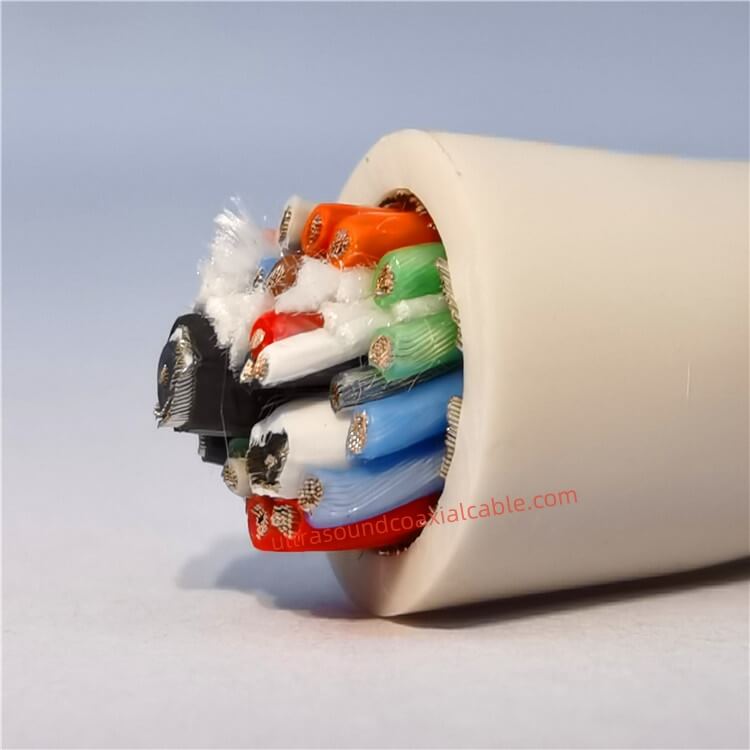
High-Precision 138-Core Medical Ultrasound Coaxial Cables | 0.2mm Ultra-Fine Biocompatible Design for Diagnostic Imaging Product Overview Engineered for advanced medical imaging systems, our 138-Core Medical Ultrasound Probe Coa.
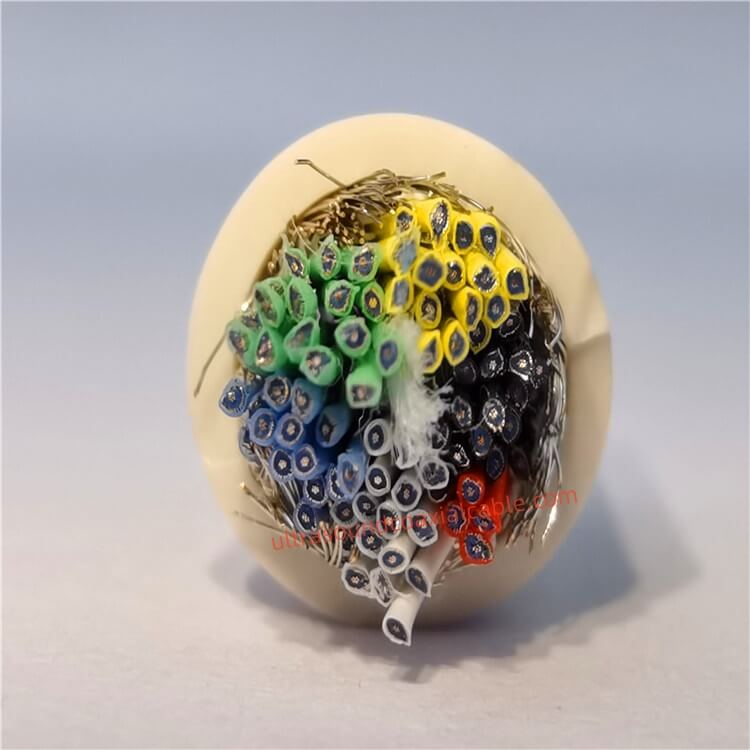
Product OverviewThe Ultrasound Coaxial Cable is a specialized cable engineered to deliver ultra-low signal loss, exceptional shielding, and unmatched durability in critical environments. Designed for medical imaging, industrial testi.

Ultra-Flexible 42AWG Medical-Grade Coaxial Cables for High-Precision Ultrasound Imaging Designed for demanding medical imaging applications, our Ultra-Flexible 42AWG Coaxial Cables deliver exceptional signal integrity, noise reduction,.
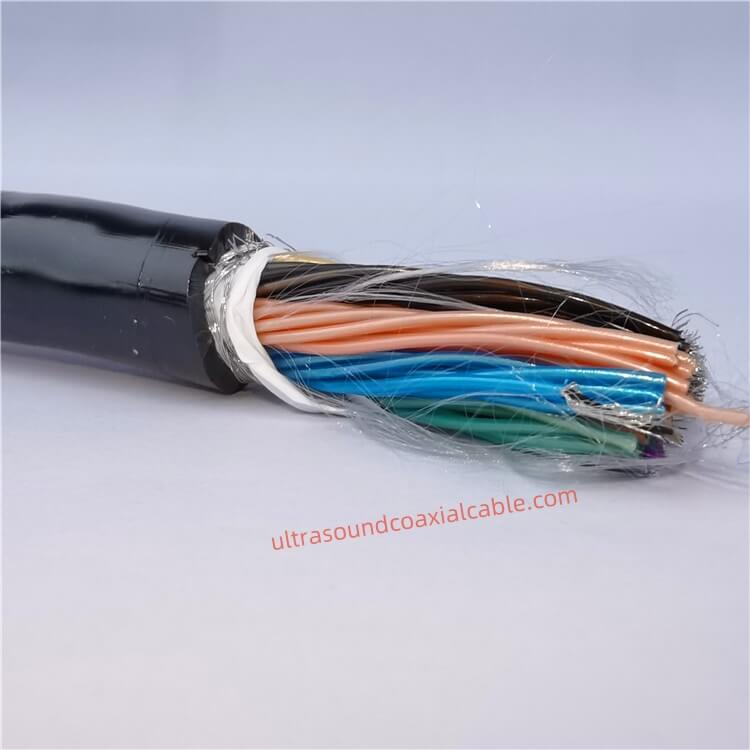
High-Performance Ultrasound Coaxial Cable Assembly: 42AWG to 30AWG, 6.6mm OD, 18GHz Bandwidth Engineered for precision in medical imaging and industrial applications, this customizable coaxial cable assembly delivers exceptional signal.
Feel free to reach out to us for any inquiries or orders.