In today’s globally connected world, the cables transmitting critical data must meet not only performance specifications but also stringent environmental… - Professional Ultrasound Coaxial Cable Solutions
Learn more about, latest news, frequently asked questions
In today’s globally connected world, the cables transmitting critical data must meet not only performance specifications but also stringent environmental standards. For businesses operating in regulated sectors, selecting RoHS and REACH-compliant coaxial cables has evolved from a voluntary preference to a mandatory requirement. These certifications ensure that electronic and electrical equipment, including the often-overlooked coaxial cables, restrict hazardous substances that could harm human health and the environment. As regulations tighten globally, manufacturers who proactively adopt compliant solutions position themselves for uninterrupted market access and enhanced corporate responsibility profiles .
The global coaxial cable market, projected to reach significant value, is being shaped profoundly by these environmental regulations, driving innovation in material science and manufacturing processes .
The Restriction of Hazardous Substances (RoHS) directive, originating in the European Union, restricts specific dangerous substances in electrical and electronic equipment. The current RoHS3 iteration limits ten substances, including lead, cadmium, mercury, and several phthalates, with permitted thresholds typically below 0.1% by weight (0.01% for cadmium) . Similarly, the Registration, Evaluation, Authorization and Restriction of Chemicals (REACH) regulation addresses the production and use of chemical substances, with particular focus on Substances of Very High Concern (SVHC) .
For coaxial cable manufacturers, compliance means rigorously verifying that every component—from the inner conductor and dielectric insulation to the shielding and outer jacket—meets these stringent requirements. The complexity lies in maintaining electrical performance while eliminating restricted substances that were once commonplace in electronic components .
Beyond legal adherence, RoHS and REACH compliance offers tangible business advantages. Environmentally compliant cables facilitate smoother market entry across international borders, particularly in regions with strict regulatory frameworks like the European Union. Companies utilizing certified cables also mitigate risks of supply chain disruptions, as non-compliant products face increasing restrictions in global markets . Additionally, compliant cables align with corporate sustainability initiatives, enhancing brand reputation among environmentally conscious consumers and business partners .
The push for compliant coaxial solutions is accelerating across multiple industries. The telecommunications sector, particularly with rapid 5G infrastructure expansion, requires high-frequency coaxial cables that meet environmental standards while delivering ultra-low attenuation (<1 dB/100m at 3 GHz) for next-generation networks . Similarly, the automotive industry’s transition to electric and connected vehicles has increased coaxial usage for camera systems and sensors, with some modern vehicles incorporating over 300 sensors requiring reliable signal transmission .
The medical device industry presents particularly stringent requirements, where coaxial cables used in equipment like MRI scanners and ultrasound machines must perform flawlessly in sensitive environments while containing no hazardous materials that could compromise patient safety or interfere with delicate electronics .
Globally, manufacturers face a complex landscape of divergent regulatory requirements. While the EU’s RoHS and REACH regulations have become de facto global standards, regional variations persist. North American regulations emphasize fire safety standards like UL certifications, while China’s GB/T standards impose unique technical requirements for coaxial cable shielding effectiveness and impedance stability . These regional differences create a fragmented compliance landscape, compelling global suppliers to invest in region-specific product lines while maintaining core environmental standards .
Meeting RoHS and REACH requirements has driven remarkable innovations in cable materials. Manufacturers have transitioned from traditional PVC formulations containing restricted stabilizers to advanced alternatives like fluoropolymer-based insulation and halogen-free sheathing materials . For high-frequency applications essential to 5G and medical imaging, manufacturers have developed low-loss dielectric materials like expanded polyethylene and foam polytetrafluoroethylene that exceed the performance of their restricted predecessors while maintaining full compliance .
In response to copper price volatility and environmental priorities, some manufacturers are incorporating recycled copper conductors and developing aluminum alternatives that maintain 95% conductivity while reducing material costs by approximately one-third .
Contrary to initial industry concerns, compliant coaxial cables often demonstrate superior performance characteristics compared to their non-compliant predecessors. Modern RoHS/REACH-compliant cables achieve enhanced signal integrity through advanced shielding technologies that provide up to 90% effectiveness at frequencies up to 3 GHz . Flexible designs capable of withstanding 10+ million bend cycles ensure reliability in dynamic applications like industrial robotics and automotive systems .
For medical applications such as ultrasound equipment, compliant coaxial cables now feature phase-stable designs with minimal signal loss (below 0.5 dB/m at critical frequencies) essential for high-resolution imaging, while containing no materials that might interfere with sensitive diagnostic equipment .
In medical imaging applications, particularly ultrasound systems, coaxial cables must meet exceptionally stringent performance criteria while maintaining full environmental compliance. These cables facilitate the transmission of high-frequency signals between transducers and processing units, requiring exceptional signal integrity to maintain image clarity and diagnostic accuracy. Modern ultrasound systems demand cables with consistent impedance stability (typically 50Ω or 75Ω) and minimal attenuation across the operational frequency spectrum .
Medical-grade coaxial cables must also withstand repeated sterilization cycles without degradation. Leading manufacturers have developed cables that survive 1,000+ autoclave cycles while maintaining voltage standing wave ratio (VSWR) below 1.5:1, ensuring long-term reliability in clinical environments .
For ultrasound coaxial cables, environmental compliance extends beyond standard RoHS and REACH requirements to include medical-device-specific regulations. Manufacturers must implement rigorous documentation trails verifying material composition throughout the supply chain. The best practice involves batch-level certification ensuring each production run meets the specified compliance standards without exception .
Leading manufacturers like FRS have addressed these challenges through vertically integrated production that maintains control over material sourcing and manufacturing processes. This approach ensures that medical-grade coaxial cables deliver the required electrical performance while containing no substances that might pose risks to patients or medical staff through repeated exposure .
At FRS, our approach to environmental compliance begins at the design phase, where engineers specializing in material science collaborate with electrical engineers to develop solutions that meet both performance and regulatory requirements. Our investment in advanced testing facilities allows for rigorous verification of both electrical properties and material composition, ensuring cables meet applicable standards before reaching customers .
This proactive engineering approach has yielded innovations such as bio-based dielectric materials that reduce carbon footprint by 35% while maintaining impedance stability of 50±1Ω—a critical requirement for precision applications . For our medical customers, we’ve developed sterilization-compatible cables that withstand repeated autoclave cycles while maintaining signal integrity essential for diagnostic imaging .
Recognizing that different applications have unique requirements, FRS has developed specialized coaxial cable formulations tailored to specific industries. For medical ultrasound applications, we offer cables with non-magnetic shielding that prevents interference with sensitive imaging equipment while guaranteeing full RoHS/REACH compliance. Our industrial automation series features enhanced flexibility capable of withstanding millions of bend cycles in robotic applications, utilizing compliant materials that maintain performance in temperatures ranging from -70°C to 200°C .
For the telecommunications sector, our low-loss coaxial cables support 5G infrastructure with attenuation below 1dB/100m at 3 GHz, incorporating sustainable materials that meet the EU’s Circular Economy Action Plan requirements without compromising signal integrity .
Ensuring ongoing compliance requires robust supply chain management practices. Forward-thinking manufacturers implement multi-tier verification systems that track material composition from raw inputs to finished products. The most effective approaches include regular supplier audits, batch-level material verification, and advanced traceability systems that document compliance at each production stage .
FRS addresses these challenges through our Supplier Compliance Initiative, which establishes clear material requirements for all partners and conducts regular testing to verify ongoing adherence. This program includes comprehensive documentation providing customers with full material declarations detailing compliance status for each cable component .
The regulatory landscape continues evolving, with increased substance restrictions likely in coming years. The industry is moving toward standardized environmental product declarations that provide detailed information on product sustainability profiles. Simultaneously, technological advancements are enabling enhanced recycling protocols for coaxial cables, supporting circular economy principles while maintaining performance standards .
As global environmental regulations continue converging toward stricter standards, early adoption of compliant coaxial cable solutions positions businesses for long-term market access while demonstrating corporate responsibility. Manufacturers like FRS continue investing in research and development to anticipate these shifts, developing next-generation coaxial cables that meet tomorrow’s environmental standards while exceeding today’s performance expectations .
The strategic importance of RoHS and REACH-compliant coaxial cables extends beyond regulatory adherence to encompass product reliability, market access, and corporate responsibility. As businesses increasingly prioritize sustainable operations alongside performance, compliant coaxial solutions offer the dual advantage of technical excellence and environmental stewardship. Forward-thinking organizations recognize that their component selections, including often-overlooked coaxial cables, significantly impact both their operational outcomes and environmental footprint .
Discover our most popular furniture pieces that are loved by customers worldwide.
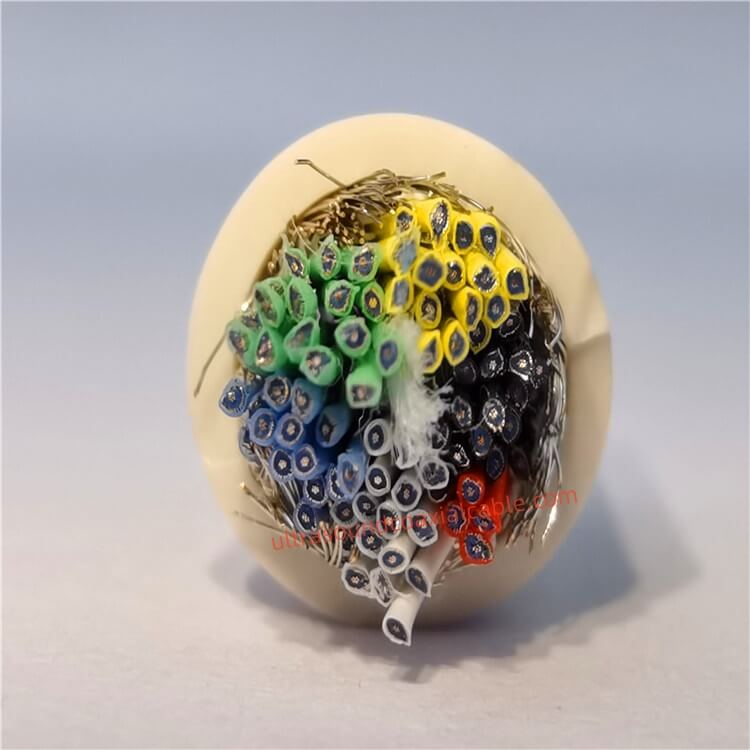
Product OverviewThe Ultrasound Coaxial Cable is a specialized cable engineered to deliver ultra-low signal loss, exceptional shielding, and unmatched durability in critical environments. Designed for medical imaging, industrial testi.

Ultra-Flexible 42AWG Medical-Grade Coaxial Cables for High-Precision Ultrasound Imaging Designed for demanding medical imaging applications, our Ultra-Flexible 42AWG Coaxial Cables deliver exceptional signal integrity, noise reduction,.
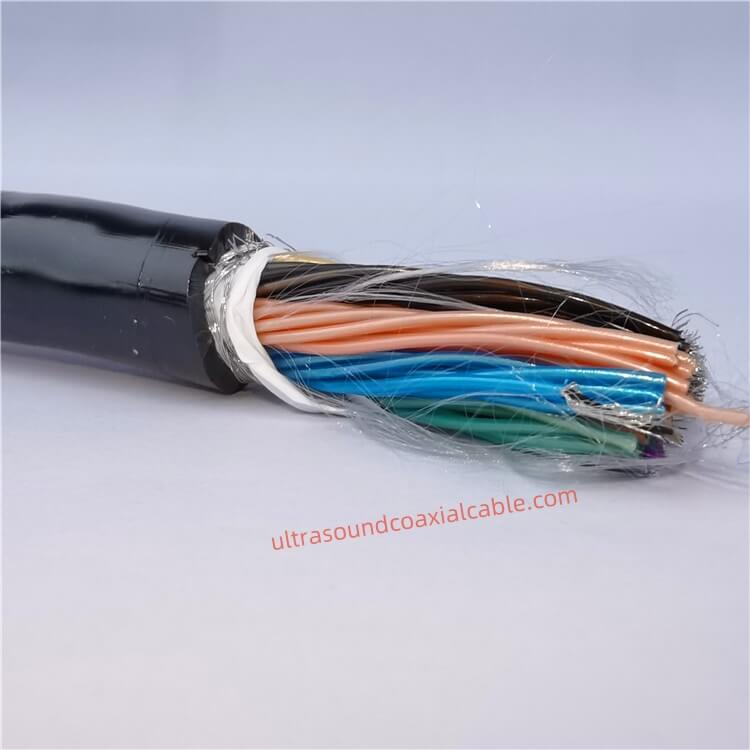
High-Performance Ultrasound Coaxial Cable Assembly: 42AWG to 30AWG, 6.6mm OD, 18GHz Bandwidth Engineered for precision in medical imaging and industrial applications, this customizable coaxial cable assembly delivers exceptional signal.
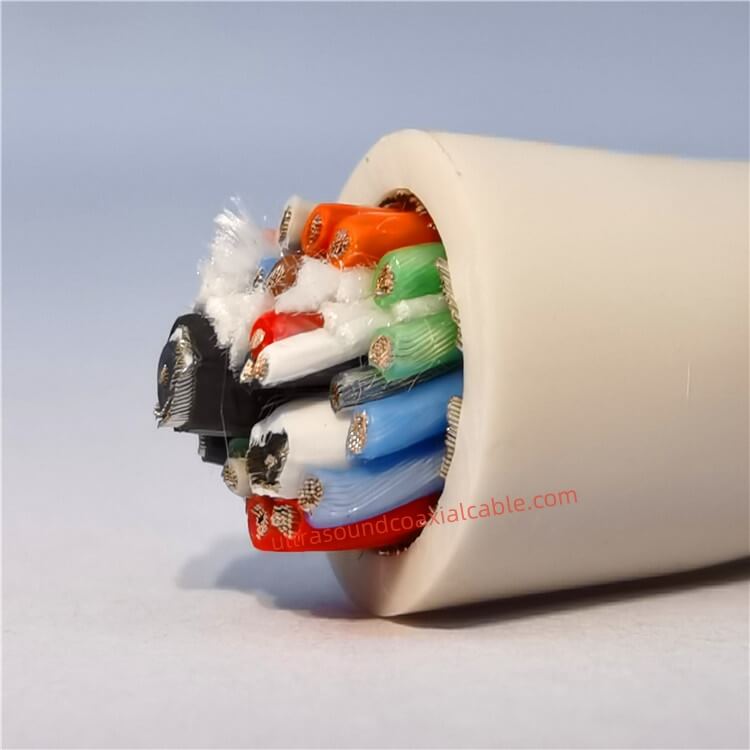
High-Precision 138-Core Medical Ultrasound Coaxial Cables | 0.2mm Ultra-Fine Biocompatible Design for Diagnostic Imaging Product Overview Engineered for advanced medical imaging systems, our 138-Core Medical Ultrasound Probe Coa.
Feel free to reach out to us for any inquiries or orders.