Executive Summary The medical device industry is witnessing a paradigm shift in diagnostic imaging technology with the introduction of FDA-approved… - Professional Ultrasound Coaxial Cable Solutions
Learn more about, latest news, frequently asked questions
The medical device industry is witnessing a paradigm shift in diagnostic imaging technology with the introduction of FDA-approved biocompatible ultrasound coaxial cables. These advanced cables represent a significant leap forward in patient safety, diagnostic accuracy, and operational reliability. Engineered to meet the most stringent regulatory standards, these cables combine cutting-edge material science with precision manufacturing to deliver unparalleled performance in critical healthcare applications.
The global ultrasound coaxial cable market is experiencing robust growth, projected to reach $90.05 billion by 2032 with a CAGR of 8.11%, driven by increasing demand for high-resolution imaging and the expansion of healthcare infrastructure worldwide. This growth trajectory underscores the critical role that reliable signal transmission plays in modern medical diagnostics.
The ultrasound coaxial cable market has evolved from a niche component segment to a vital enabler of high-performance imaging systems across multiple sectors. From 48.24billionin2024to52.16 billion in 2025, the market’s expansion reflects the growing adoption of advanced diagnostic technologies in both clinical and industrial settings. The Asia-Pacific region demonstrates particularly strong momentum, with a 12.5% CAGR driven by healthcare infrastructure development and increasing demand for portable imaging solutions.
Several key trends are shaping the market’s evolution:
Increasing Channel Counts: Advanced ultrasound systems now utilize 198-core or higher configurations to support higher resolution imaging, requiring cables with exceptional signal integrity and minimal crosstalk.
Material Innovations: Fluoropolymer-insulated cables offer 20% higher flexibility compared to previous generations, addressing ergonomic needs in prolonged examinations while maintaining signal fidelity.
Miniaturization: The demand for portable and handheld ultrasound devices has driven the development of ultra-fine coaxial cables with diameters as small as 0.2mm, enabling minimally invasive procedures and enhanced patient comfort.
Hybrid Designs: Combining multiple cable types (coaxial, power, signal) within single jackets reduces clutter and improves handling efficiency in clinical environments.
Medical coaxial cables must adhere to stringent regulatory standards to ensure patient and operator safety. Key certifications include:
ISO 10993 is the international standard for biological evaluation of medical devices. For ultrasound coaxial cables with patient contact, comprehensive testing includes:
Materials must be tested for skin contact or implantation, with validation for sterilization methods including ethylene oxide (EtO), gamma radiation, or autoclave processes.
FDA-approved biocompatible ultrasound coaxial cables are engineered with precision to meet the demanding requirements of medical imaging applications:
Conductor Materials: High-purity copper conductors, often tinned for enhanced corrosion resistance and easier soldering. Silver-plated copper options provide superior high-frequency performance for RF medical devices.
Dielectric Properties: PTFE (polytetrafluoroethylene) insulation with low dielectric constant (2.1 @ 1GHz) minimizes signal loss at high frequencies. Capacitance as low as 50 pF/m reduces signal attenuation, enabling accurate capture of subtle tissue variations.
Shielding Performance: Double-shielded designs (foil + braid) offer 3× better EMI resistance than single-shielded alternatives, with 95% braid coverage to minimize electromagnetic interference in crowded medical environments.
Impedance Matching: Characteristic impedance of 50Ω ±1% ensures optimal signal transmission with minimal reflection and loss.
Flex Life: Reinforced connector interfaces withstand 10,000+ bending cycles without cracking, ensuring reliability in high-use clinical settings.
Temperature Range: Operating temperature from -55°C to +125°C accommodates various sterilization methods and environmental conditions.
Voltage Rating: 300V RMS rating provides safety margin for medical electrical equipment applications.
Diagnostic Ultrasound: High-resolution imaging for abdominal, OB-GYN, and musculoskeletal diagnostics, requiring cables with low signal attenuation and high flexibility.
Cardiac and Vascular Imaging: Ultra-fine 0.2mm diameter micro-coaxial construction enables precise maneuverability in confined anatomical spaces, ideal for cardiac, vascular, and neurovascular imaging procedures.
Endoscopic Systems: Transmitting crystal-clear video signals in minimally invasive surgeries, where cable flexibility and signal integrity are critical for procedural success.
Portable Ultrasound Devices: Miniaturized cable designs support the growing trend toward handheld and point-of-care ultrasound systems, enabling diagnostic capabilities in remote and emergency settings.
Non-Destructive Testing (NDT): Industrial inspection in aerospace and automotive sectors, where high-frequency signal transmission and durability are essential for flaw detection and quality control.
Scientific Research: High-precision signal transmission for laboratory instruments and research equipment requiring stable performance across varying environmental conditions.
Signal Integrity Degradation: Poor shielding and high capacitance can lead to signal loss and image artifacts, compromising diagnostic accuracy.
Flexibility vs. Durability Trade-off: Highly flexible cables may sacrifice mechanical strength, while rigid designs limit maneuverability in clinical applications.
Sterilization Compatibility: Materials must withstand repeated sterilization cycles (autoclave, EtO, gamma radiation) without performance degradation or material breakdown.
EMI/RFI Interference: Medical environments with multiple electronic devices create electromagnetic interference that can disrupt signal transmission if cables lack adequate shielding.
Regulatory Compliance Burden: Navigating complex FDA requirements and maintaining comprehensive documentation for design controls, risk management, and material traceability.
Cost vs. Performance Optimization: Balancing premium materials and manufacturing processes with cost-effectiveness for high-volume medical device production.
FRS medical coaxial cables are engineered to overcome the common pain points in ultrasound signal transmission:
Advanced Material Selection: Medical-grade silicone and polyimide insulation materials ensure biocompatibility and sterilization resistance, with materials compliant with ISO 13485 and FDA 21 CFR Part 11 requirements.
Precision Manufacturing: Ultra-fine 42AWG to 30AWG conductor options with customizable designs, including modifications to conductor gauges, insulation thickness, and connector types (LEMO, Hirose) to meet specific device requirements.
Enhanced Shielding Architecture: Double-shielded designs with optimized braid coverage provide superior EMI protection, critical for maintaining signal integrity in MRI suites and other high-interference environments.
Flexibility Engineering: Stranded conductor construction and specialized jacket materials deliver exceptional flexibility without compromising durability, withstanding repeated bending cycles in clinical use.
FRS maintains full compliance with FDA 510(k) and CE Mark requirements, including comprehensive documentation for design controls and risk management per ISO 14971. Complete traceability from raw materials through finished product ensures audit readiness, with lot-numbered cables and full production history.
Material Safety Data Sheets (MSDS) are available for all components, and full facility and product listing under 21 CFR Part 807 provides regulatory transparency for medical device manufacturers.
ISO-certified manufacturing facilities with rapid turnaround capabilities support urgent medical orders and time-sensitive projects. Dedicated engineering teams provide prototyping, performance validation, and troubleshooting support throughout the product lifecycle.
5G and IoT Integration: The convergence of medical imaging with connected health technologies is driving demand for cables that support both high-frequency signal transmission and data connectivity.
Artificial Intelligence in Diagnostics: AI-powered ultrasound systems require enhanced signal processing capabilities, necessitating cables with superior bandwidth and low latency.
Wearable Health Monitoring: The development of wearable ultrasound devices for continuous monitoring applications demands ultra-flexible, lightweight cables with extended durability.
Robot-Assisted Surgery: High-speed FPCAs for endoscope cameras and precision surgical tools require cables with exceptional signal integrity and mechanical reliability.
The ultrasound coaxial cable market is poised for continued growth across multiple sectors:
Telemedicine: Expansion of remote diagnostic capabilities creates demand for reliable cable solutions that support portable and handheld imaging systems.
Emerging Markets: Healthcare infrastructure development in developing regions presents significant opportunities for cost-effective, high-performance cable solutions.
Industrial Automation: Increasing adoption of automated inspection systems in manufacturing and quality control drives demand for durable, high-frequency coaxial cables.
The introduction of FDA-approved biocompatible ultrasound coaxial cables represents a significant advancement in medical device safety and performance. By combining rigorous regulatory compliance with cutting-edge engineering, these cables set a new standard for signal integrity, patient safety, and operational reliability in diagnostic imaging applications.
As the global market continues to expand, driven by technological innovation and increasing healthcare demands, the importance of selecting the right coaxial cable solution becomes increasingly critical. Medical device manufacturers must prioritize factors including signal performance, mechanical durability, regulatory compliance, and total cost of ownership when specifying cables for their systems.
FRS engineered coaxial solutions provide the precision, durability, and certification compliance that medical imaging applications demand, supported by extensive application expertise and customizable design capabilities. By partnering with experienced manufacturers who understand the unique challenges of medical device development, OEMs can ensure their products meet the highest standards of safety, performance, and reliability.
Discover our most popular furniture pieces that are loved by customers worldwide.
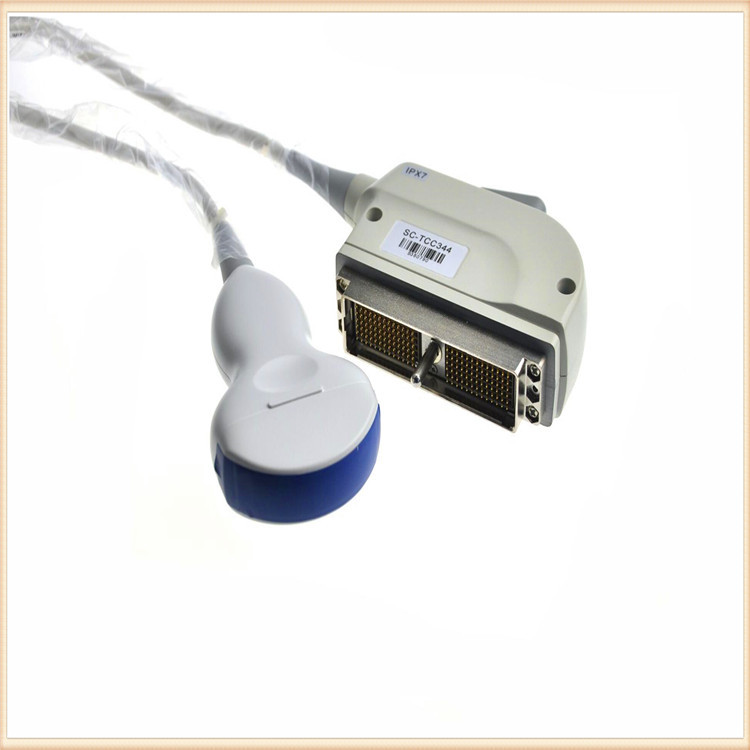
High-Performance Military Ultrasound Coaxial Cables: Built for Extreme Conditions Designed to meet the demanding requirements of military, aerospace, and medical applications, our Military-Grade Ultrasound Coaxial Cables deliver except.
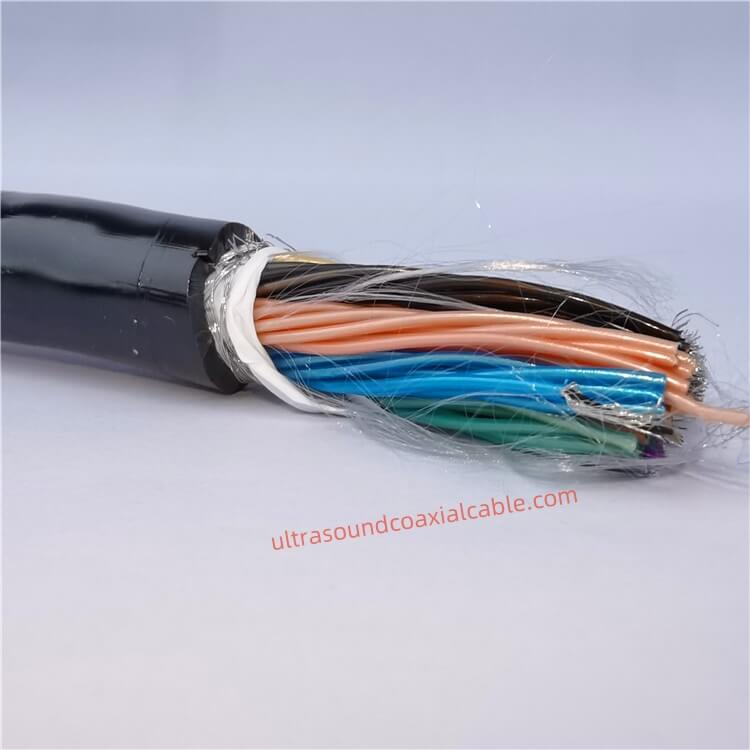
High-Performance Ultrasound Coaxial Cable Assembly: 42AWG to 30AWG, 6.6mm OD, 18GHz Bandwidth Engineered for precision in medical imaging and industrial applications, this customizable coaxial cable assembly delivers exceptional signal.
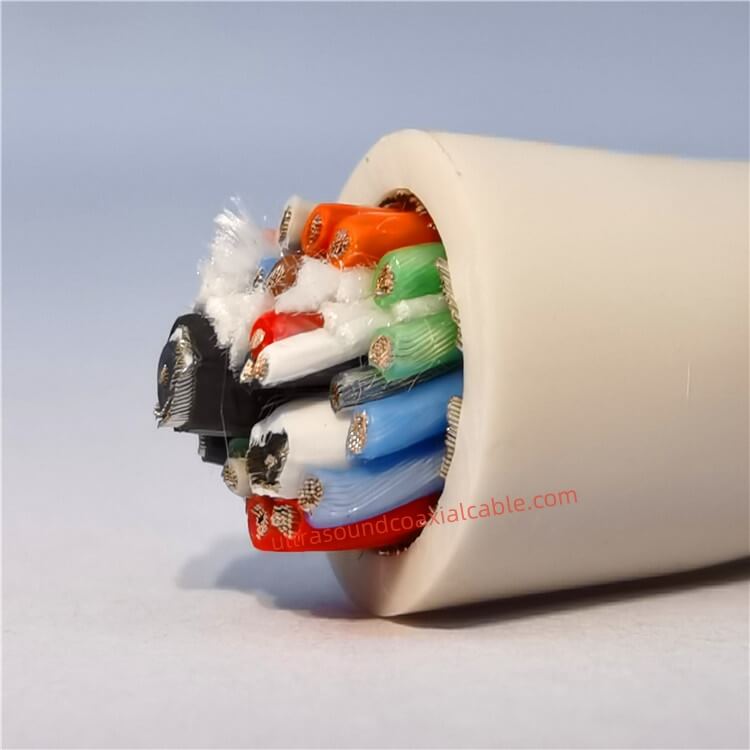
High-Precision 138-Core Medical Ultrasound Coaxial Cables | 0.2mm Ultra-Fine Biocompatible Design for Diagnostic Imaging Product Overview Engineered for advanced medical imaging systems, our 138-Core Medical Ultrasound Probe Coa.
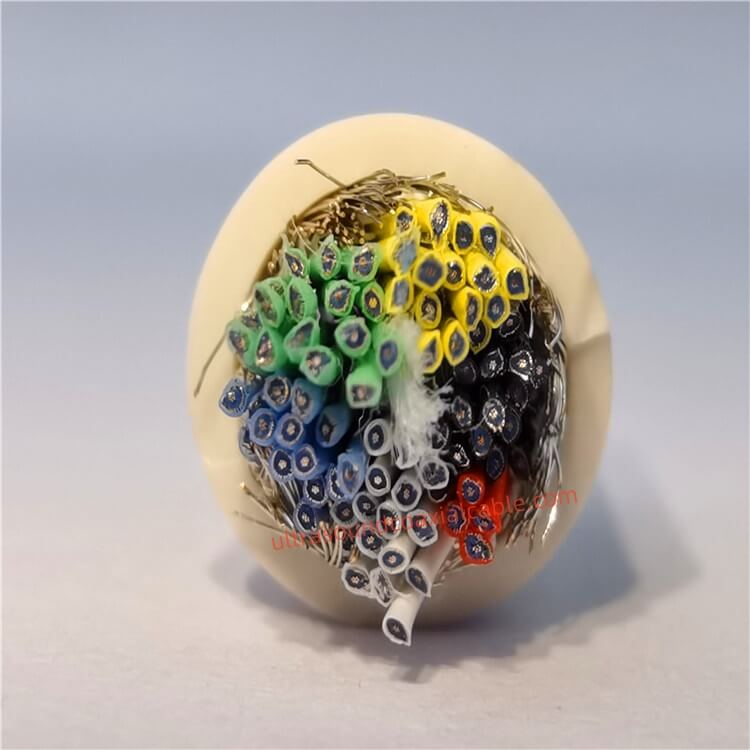
Product OverviewThe Ultrasound Coaxial Cable is a specialized cable engineered to deliver ultra-low signal loss, exceptional shielding, and unmatched durability in critical environments. Designed for medical imaging, industrial testi.
Feel free to reach out to us for any inquiries or orders.