Introduction to Ultrasound Coaxial Cable Ultrasound coaxial cables are specialized transmission lines designed to carry high-frequency electrical signals in ultrasound… - Professional Ultrasound Coaxial Cable Solutions
Learn more about, latest news, frequently asked questions
Ultrasound coaxial cables are specialized transmission lines designed to carry high-frequency electrical signals in ultrasound imaging systems. These cables play a critical role in ensuring the accurate and reliable transfer of signals between the ultrasound transducer (probe) and the main imaging unit. Unlike standard coaxial cables, ultrasound coaxial cables are engineered to meet the unique demands of medical ultrasound technology, including high signal integrity, flexibility, and biocompatibility.
At the core of an ultrasound coaxial cable is a central conductor, surrounded by an insulating layer, a metallic shield, and an outer jacket. This layered structure is optimized to minimize signal loss, reduce electromagnetic interference (EMI), and withstand the rigors of clinical use, such as repeated bending, sterilization, and contact with bodily fluids. FRS, a leading manufacturer in the field, has been at the forefront of developing high-performance ultrasound coaxial cables that set industry standards for quality and reliability.
FRS ultrasound coaxial cables are designed to deliver exceptional performance in a wide range of ultrasound applications. The company’s commitment to innovation and quality is evident in every aspect of their cable design, from material selection to manufacturing processes. FRS cables are known for their low signal attenuation, high flexibility, and superior EMI shielding, making them ideal for use in both portable and stationary ultrasound systems.
One of the key advantages of FRS ultrasound coaxial cables is their compatibility with a wide range of ultrasound transducers and imaging units. Whether used in general imaging, cardiac, vascular, or obstetric ultrasound, FRS cables provide consistent and reliable performance. Additionally, FRS offers a variety of customization options, allowing customers to specify cable length, connector type, and jacket material to meet their specific needs.

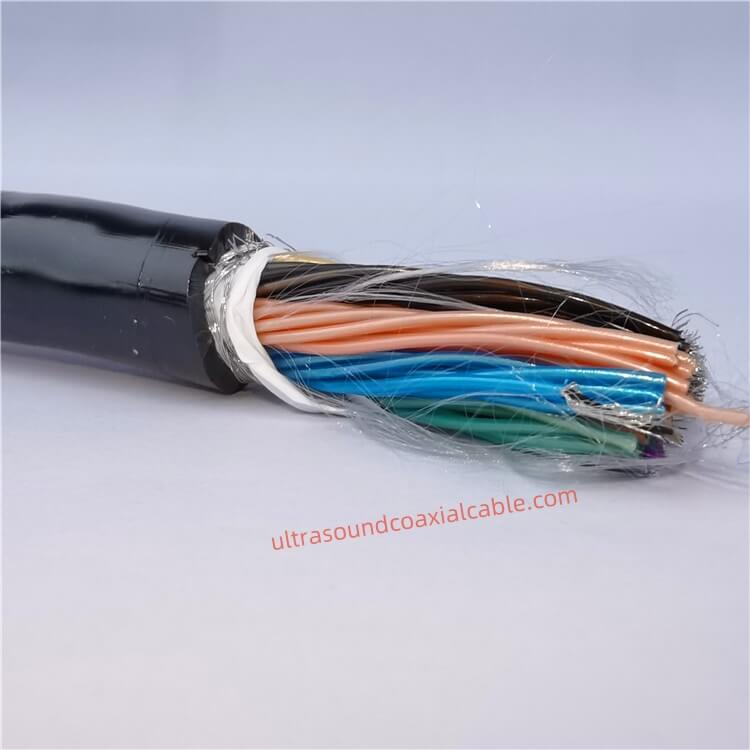


FRS offers a wide range of ultrasound coaxial cable models to meet the diverse needs of the medical industry. Here are some of the most popular models:
The conductor is the core of the ultrasound coaxial cable, responsible for carrying the high-frequency signal. FRS uses high-purity copper (99.99% pure) for its conductors, which ensures excellent electrical conductivity. For enhanced performance, some models use silver-plated copper conductors, where a thin layer of silver is plated onto the copper surface. Silver has a higher conductivity than copper, which reduces signal loss and improves high-frequency performance.
The conductors are stranded to enhance flexibility. FRS uses a sophisticated stranding process that involves twisting multiple thin wires together in a specific pattern. This not only makes the cable more flexible but also increases its tensile strength and resistance to fatigue. The stranding pattern is optimized to ensure that the conductor has a uniform cross-section, which helps to maintain the characteristic impedance of the cable.
The insulation layer surrounds the conductor and provides electrical isolation. FRS uses advanced extrusion technology to apply the insulation material to the conductor. The most common insulation material is PTFE, which has excellent electrical insulation properties, high-temperature resistance, and chemical inertness. For high-performance applications, FRS uses fluoropolymers such as FEP (fluorinated ethylene propylene) and PFA (perfluoroalkoxy alkane), which offer even lower dielectric loss and higher temperature resistance.
The insulation extrusion process is highly precise, with tight control over the thickness and uniformity of the insulation layer. This ensures that the characteristic impedance of the cable is consistent along its length, which is critical for minimizing signal reflection. FRS uses computer-controlled extrusion equipment to achieve a tolerance of ±0.01 mm in insulation thickness.
The shield is designed to protect the signal from EMI and RFI, which can interfere with the ultrasound image quality. FRS uses a variety of shielding techniques to ensure maximum protection. The most common shielding is a tinned copper braid, which provides excellent flexibility and EMI protection. The braid coverage is typically 90% or higher, ensuring that most electromagnetic signals are blocked.
For applications requiring superior EMI protection, FRS uses double shielding, which consists of a layer of aluminum foil and a layer of tinned copper braid. The aluminum foil provides 100% coverage and is effective at blocking high-frequency EMI, while the braid provides mechanical strength and flexibility. The shield is grounded at both ends of the cable to divert unwanted signals away from the conductor.
The outer jacket protects the cable from physical damage, moisture, and chemicals. FRS uses a variety of jacket materials depending on the application. For general use, medical-grade polyurethane (PU) is used, which is flexible, durable, and resistant to abrasion and chemicals. For high-temperature applications, such as autoclaving, FRS uses silicone rubber or polyimide jackets, which can withstand temperatures up to 200°C.
The jacket extrusion process is similar to the insulation extrusion process, with tight control over thickness and uniformity. The jacket is extruded over the shield, forming a continuous and seamless layer that provides complete protection. FRS also offers jacket colors to help identify different cable types or lengths, which is useful in clinical settings.
The connectors at the ends of the ultrasound coaxial cable are critical for ensuring a reliable connection between the cable and the transducer or imaging unit. FRS uses high-quality military-grade connectors that are designed to withstand repeated mating and unmating. The connectors are made of corrosion-resistant materials, such as brass with a nickel or gold plating, to ensure long-term reliability.
The connector assembly process involves crimping or soldering the conductor to the connector pin, and attaching the shield to the connector shell. FRS uses specialized crimping tools and soldering techniques to ensure a secure and reliable connection. The crimping process is controlled to ensure the correct amount of pressure is applied, which creates a gas-tight seal and minimizes signal loss. The connectors are also tested for electrical performance and mechanical strength before being assembled onto the cable.
Ultrasound coaxial cables are also used in industrial NDT, which is used to inspect materials and structures for defects without causing damage. Applications include testing welds, pipelines, and aircraft components. FRS ultrasound coaxial cables are suitable for industrial NDT due to their durability, high temperature resistance, and resistance to chemicals and abrasion. The low attenuation and high signal integrity of FRS cables ensure that the ultrasound signals are transmitted accurately, allowing for precise detection of defects.
Veterinary ultrasound uses similar technology to medical ultrasound, but is adapted for use in animals. Ultrasound coaxial cables are used to connect the transducer to the imaging unit, providing clear images of the animal’s internal organs and tissues. FRS ultrasound coaxial cables are suitable for veterinary applications due to their flexibility, durability, and compatibility with a wide range of transducers. The ability to withstand sterilization is also important in veterinary medicine, as it helps to prevent the spread of disease.
Ultrasound coaxial cable is specifically designed for use in ultrasound imaging systems, which require high-frequency signal transmission with minimal loss and interference. Standard coaxial cable is designed for lower frequency applications, such as television and radio, and may not have the same level of performance in ultrasound systems. Ultrasound coaxial cable typically has a lower attenuation, higher characteristic impedance accuracy, and better EMI shielding than standard coaxial cable. Additionally, ultrasound coaxial cable is designed to be flexible and durable, and is compatible with sterilization methods used in healthcare settings.
The lifespan of an ultrasound coaxial cable depends on several factors, including the frequency of use, the environment in which it is used, and the level of care. In general, ultrasound coaxial cables should be replaced every 2-3 years, or sooner if they show signs of damage, such as cracks in the jacket, broken connectors, or signal degradation. FRS ultrasound coaxial cables are designed to have a long service life, but regular inspection and maintenance can help to extend their lifespan. It is recommended to inspect the cable for damage before each use, and to clean and sterilize it according to the manufacturer’s instructions.
In some cases, ultrasound coaxial cables can be repaired, such as if the connector is damaged. However, repairing a cable requires specialized knowledge and equipment, and may not be cost-effective compared to replacing the cable. FRS does not recommend repairing ultrasound coaxial cables, as it can compromise the signal integrity and reliability of the cable. Instead, FRS offers a range of replacement cables that are designed to meet the same high standards as the original cables.
When choosing an ultrasound coaxial cable, several factors should be considered, including:
FRS offers a range of ultrasound coaxial cables that are designed to meet these requirements, and their technical support team can help customers choose the right cable for their specific application.
The global ultrasound coaxial cable market is growing steadily, driven by the increasing demand for ultrasound imaging in healthcare, as well as the growth of industrial NDT and veterinary medicine. According to market research reports, the global ultrasound coaxial cable market was valued at approximately \(XXX million in 2023, and is expected to reach \)XXX million by 2028, growing at a compound annual growth rate (CAGR) of X% during the forecast period.
Discover our most popular furniture pieces that are loved by customers worldwide.
High-Performance Ultrasound Coaxial Cable Assembly: 42AWG to 30AWG, 6.6mm OD, 18GHz Bandwidth Engineered for precision in medical imaging and industrial applications, this customizable coaxial cable assembly delivers exceptional signal.
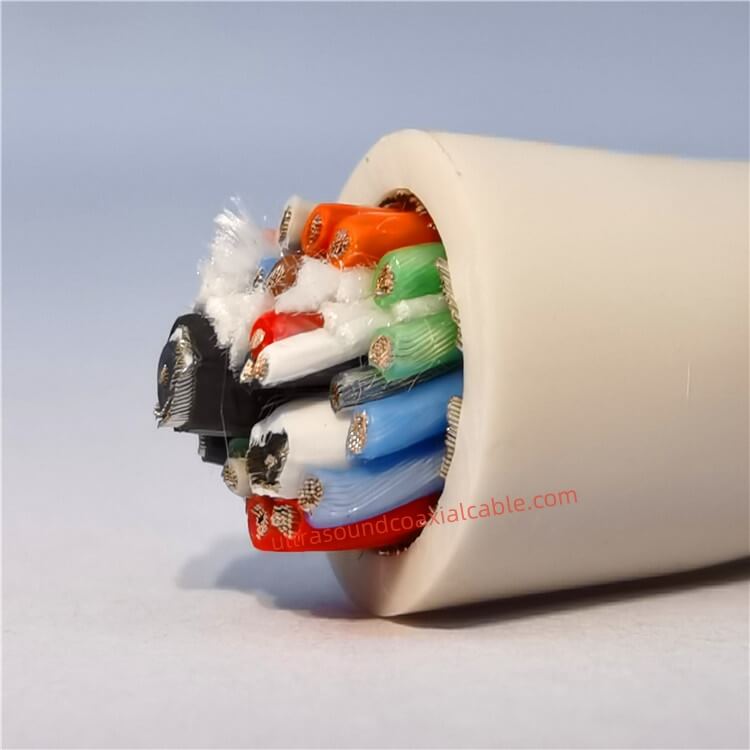
High-Precision 138-Core Medical Ultrasound Coaxial Cables | 0.2mm Ultra-Fine Biocompatible Design for Diagnostic Imaging Product Overview Engineered for advanced medical imaging systems, our 138-Core Medical Ultrasound Probe Coa.
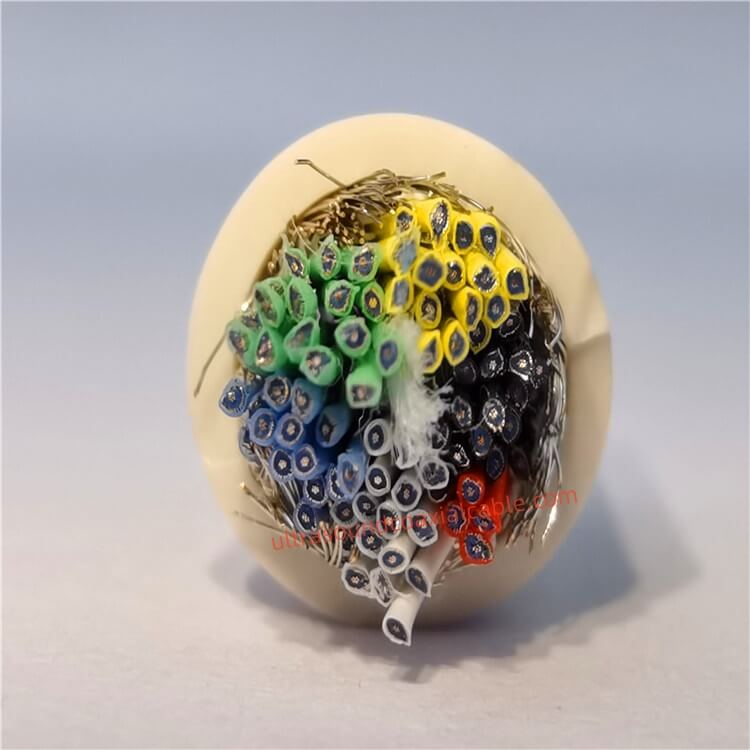
Product OverviewThe Ultrasound Coaxial Cable is a specialized cable engineered to deliver ultra-low signal loss, exceptional shielding, and unmatched durability in critical environments. Designed for medical imaging, industrial testi.
Ultra-Flexible 42AWG Medical-Grade Coaxial Cables for High-Precision Ultrasound Imaging Designed for demanding medical imaging applications, our Ultra-Flexible 42AWG Coaxial Cables deliver exceptional signal integrity, noise reduction,.
Feel free to reach out to us for any inquiries or orders.