Executive Summary The global ultrasound coaxial cable market is experiencing unprecedented growth, projected to reach $90.05 billion by 2032 with… - Professional Ultrasound Coaxial Cable Solutions
Learn more about, latest news, frequently asked questions
The global ultrasound coaxial cable market is experiencing unprecedented growth, projected to reach $90.05 billion by 2032 with an 8.11% CAGR, driven by increasing demand for next-generation diagnostic imaging and industrial non-destructive testing applications. As medical imaging systems evolve toward higher resolution and portability, the need for advanced coaxial cable solutions that deliver exceptional signal integrity, flexibility, and durability has never been more critical. Leading manufacturers like FRS are at the forefront of this technological revolution, offering customizable high-flexibility ultrasound coaxial cables engineered to meet the most demanding requirements across healthcare, industrial, and research sectors.
The ultrasound coaxial cable market grew from 48.24billionin2024to52.16 billion in 2025, with robust expansion fueled by several key factors. The aging global population has increased the prevalence of chronic diseases, necessitating routine ultrasounds for early detection. Point-of-care diagnostics in emergency rooms and remote clinics rely on lightweight, rugged cables that can withstand frequent use and sterilization. Additionally, the integration of AI-driven diagnostic tools and portable ultrasound devices has amplified demand for compact, high-performance coaxial solutions that maintain signal integrity in confined spaces.
Industrial applications are equally significant, with ultrasonic non-destructive testing (NDT) becoming essential for quality control in aerospace, automotive, and manufacturing sectors. These applications require cables that can operate reliably in harsh environments while maintaining precise signal transmission for flaw detection and material analysis.
Modern ultrasound coaxial cables must meet stringent technical specifications to ensure reliable performance in critical applications. Key parameters include:
Compliance with international standards is non-negotiable for ultrasound coaxial cables used in medical and industrial applications. Key certifications include:
FRS maintains ISO9001, IATF16949, and ISO13485 certifications, demonstrating our commitment to quality management and regulatory compliance across all product lines.
Ultrasound coaxial cables are indispensable in medical imaging systems, connecting transducers to consoles for real-time imaging in cardiology, obstetrics, oncology, and musculoskeletal diagnostics. The rise of endoscopic and minimally invasive procedures has created demand for ultra-flexible miniature cables (as small as 0.2mm diameter) that can navigate delicate tissues while maintaining sterility and signal integrity. These cables must withstand repeated sterilization cycles and provide reliable performance in life-critical applications.
In industrial settings, ultrasound coaxial cables enable precision flaw detection in pipelines, aircraft components, and welds. Phased array probes connected via high-performance coaxial cables can identify micro-cracks and defects using thermosonic techniques, where vibrations generate heat at defect sites. These applications require cables with exceptional EMI shielding, temperature resistance, and mechanical durability to perform reliably in harsh manufacturing environments.
Research laboratories use ultrasound coaxial cables for cutting-edge studies in acoustic metamaterials, material analysis, and sonar systems. The precision impedance control and low signal loss characteristics of these cables enable accurate signal reflection analysis and wave propagation studies, supporting innovation in fields ranging from biomedical engineering to materials science.
One of the most significant challenges in ultrasound coaxial cable design is maintaining signal integrity over long distances and through multiple connection points. High-frequency signals are susceptible to attenuation, reflection, and phase distortion, which can degrade image quality and diagnostic accuracy. Traditional coaxial cables often struggle with insertion loss at higher frequencies, particularly in portable devices where space constraints limit cable diameter and conductor size.
Medical facilities and industrial environments are filled with electromagnetic noise from various equipment, including MRI machines, surgical lasers, and industrial machinery. Without adequate shielding, this interference can corrupt ultrasound signals, leading to artifacts in imaging and inaccurate diagnostic results. Standard shielding solutions may not provide sufficient protection in high-noise environments, requiring advanced multi-layer shielding technologies.
Ultrasound coaxial cables in medical applications must withstand repeated bending, twisting, and sterilization cycles without compromising performance. Industrial applications demand cables that can resist abrasion, chemicals, and extreme temperatures. Achieving both high flexibility and mechanical durability is challenging, as materials that provide flexibility may sacrifice strength, while rigid designs limit maneuverability in confined spaces.
The trend toward smaller, more portable medical devices and industrial sensors requires coaxial cables with increasingly smaller diameters. However, reducing cable size while maintaining signal integrity and mechanical strength presents significant engineering challenges. Ultra-fine conductors (42AWG to 44AWG) must handle high-frequency signals without excessive attenuation, while insulation and shielding layers must provide adequate protection without adding bulk.
FRS leverages cutting-edge material science to overcome the limitations of traditional coaxial cable designs. Our solutions incorporate:
Recognizing that one-size-fits-all solutions rarely meet the diverse needs of modern applications, FRS offers extensive customization capabilities:
FRS implements rigorous testing protocols to ensure every cable meets or exceeds industry standards:
FRS distinguishes itself through technical innovation and engineering expertise. Our 138-core medical ultrasound probe coaxial cables with 0.2mm ultra-fine design represent the cutting edge of miniaturization technology, enabling high-density signal transmission in the most compact medical devices. The 18GHz bandwidth capability of our premium assemblies supports next-generation 4K and 8K ultrasound imaging systems, providing the signal integrity required for diagnostic accuracy.
With over 20 years of manufacturing experience in ultra-fine ultrasound coaxial cables, FRS has established a global reputation for quality and reliability. Our ISO9001, IATF16949, and ISO13485 certifications demonstrate our commitment to quality management systems, while our supply chain partnerships with leading connector brands ensure component compatibility and availability.
FRS understands that every application has unique requirements. Our engineering team works closely with customers to develop tailored solutions that address specific technical challenges and integration needs. From same-day prototyping for rapid iteration to comprehensive technical support throughout the product lifecycle, we prioritize customer success and long-term partnerships.
The ultrasound coaxial cable market is poised for continued innovation, driven by several emerging trends:
The convergence of broadband expansion and medical innovation positions ultrasound coaxial cables as a cornerstone of next-generation healthcare. As industries push for higher precision and miniaturization, these cables will continue to evolve, shaping the future of signal transmission across multiple sectors. Companies investing in R&D to address miniaturization, signal integrity, and durability will lead this rapidly growing market.
The demand for high-performance ultrasound coaxial cables is accelerating across medical, industrial, and research applications. FRS stands ready to meet this demand with customizable, high-flexibility solutions that deliver exceptional signal integrity, durability, and reliability. By combining advanced material engineering, rigorous quality assurance, and customer-centric design, we provide the technical excellence required for success in today’s demanding applications. As the market continues to evolve, FRS remains committed to innovation and partnership, helping customers navigate the complexities of signal transmission in an increasingly connected world.
Discover our most popular furniture pieces that are loved by customers worldwide.

High-Performance Flexible Coaxial Cable for Medical Imaging & Ultrasound Systems Designed for demanding applications in medical imaging, industrial diagnostics, and high-frequency signal transmission, this ultra-flexible coaxial ca.
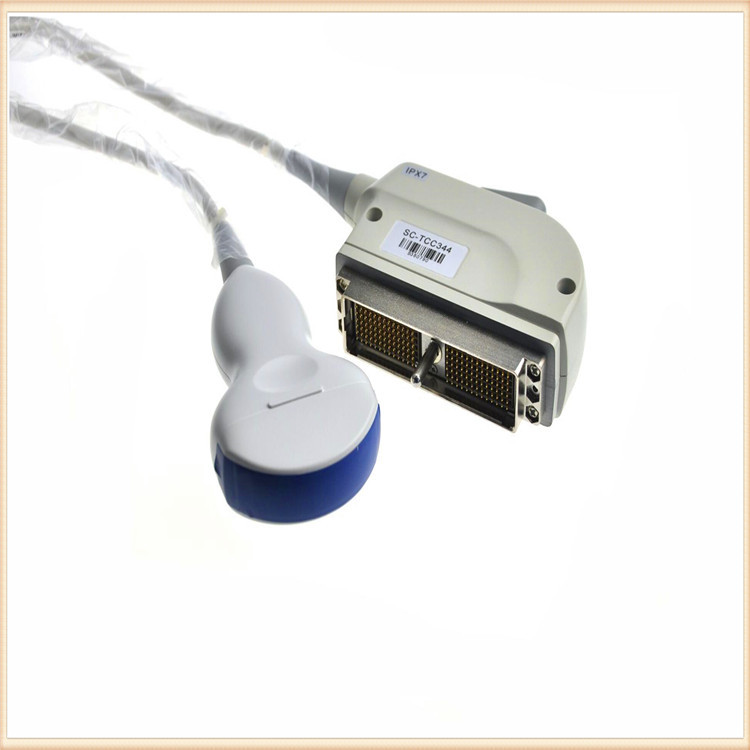
High-Performance Military Ultrasound Coaxial Cables: Built for Extreme Conditions Designed to meet the demanding requirements of military, aerospace, and medical applications, our Military-Grade Ultrasound Coaxial Cables deliver except.
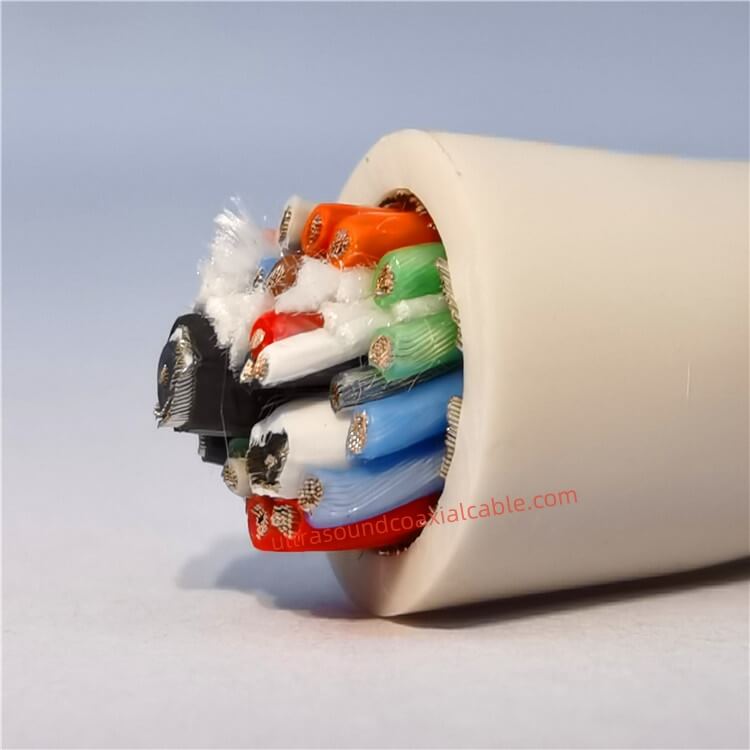
High-Precision 138-Core Medical Ultrasound Coaxial Cables | 0.2mm Ultra-Fine Biocompatible Design for Diagnostic Imaging Product Overview Engineered for advanced medical imaging systems, our 138-Core Medical Ultrasound Probe Coa.

Ultra-Flexible 42AWG Medical-Grade Coaxial Cables for High-Precision Ultrasound Imaging Designed for demanding medical imaging applications, our Ultra-Flexible 42AWG Coaxial Cables deliver exceptional signal integrity, noise reduction,.
Feel free to reach out to us for any inquiries or orders.