Intermittent connectivity in ultrasound coaxial cables is a frequent challenge faced by healthcare providers and medical device manufacturers. This issue… - Professional Ultrasound Coaxial Cable Solutions
Learn more about, latest news, frequently asked questions
Intermittent connectivity in ultrasound coaxial cables is a frequent challenge faced by healthcare providers and medical device manufacturers. This issue manifests as image dropout, lines or dark patches on the imaging screen, and inconsistent performance during critical diagnostic procedures. Understanding the root causes and implementing proactive solutions is essential for maintaining diagnostic confidence and equipment reliability .
Ultrasound coaxial cables serve as the vital link between transducers and imaging systems, transmitting high-frequency signals that form the basis of diagnostic decisions. Unlike standard coaxial cables, medical-grade versions must maintain signal integrity under demanding conditions including repeated flexing, sterilization cycles, and proximity to other electronic equipment. The global ultrasound coaxial cable market reflects the growing importance of these components, projected to reach approximately $850 million by 2033 .
These specialized cables typically contain over 200 strands of micro coaxial cable (usually 44AWG, 44AWG, or 42AWG) within a soft, limited jacket. The precision required is extraordinary – each cable must maintain consistent impedance (typically 50 ohms) and minimize signal attenuation to preserve image clarity across thousands of flex cycles without degradation .
The continuous strain and tension from clinical use can cause the protective rubber jacket surrounding cables to become cracked or split, leading to connectivity issues. More seriously, the shielding layers can become compromised through repeated bending and twisting. As cables age, the outer protection and shielding may deteriorate, potentially leading to broken signal lines and image interference .
Medical-grade coaxial cables require superior shielding configurations—typically dual-layer shielding (spiral and braid) providing up to 90% coverage—to prevent electromagnetic interference that can disrupt signal transmission. When this shielding becomes compromised, intermittent connectivity often results .
The connector is essentially a small plug consisting of numerous pins that interface with the ultrasound system. Due to excessive use, these pins can become bent or damaged, impairing scanning ability. Similarly, strain relief failure typically occurs where the probe attaches to the cable, with visible cracks and separation at the connector point .
Within the intricate structure of ultrasound cables, individual conductors may fracture while maintaining occasional contact. This is particularly problematic with the extremely fine conductors used in medical applications (as small as 44AWG). These fractures can create intermittent connections that manifest as transient image artifacts that are difficult to diagnose .
In continuous wave ultrasound operation, imbalances in the forward and reverse current in higher voltage transmit conductors may inductively couple current to lower voltage receive conductors. This crosstalk can generate frequency sidebands that interfere with signal reception. Time-varying changes in mutual inductance or capacitance, such as when a cable is repositioned, may cause intermittent connectivity issues evident in Doppler imaging .
To address crosstalk and interference issues, FRS cables incorporate patented shielding technologies that optimize signal-to-noise ratio. By providing a conductive separation layer between groups of transmit and receive conductors, crosstalk during continuous wave Doppler imaging can be significantly reduced. This approach electrically shields groups of transmit conductors from groups of receive conductors to reduce noise susceptibility .
FRS utilizes advanced material science to extend cable lifespan. Medical-grade silicones and polyurethane jackets balance flexibility with durability, while silver-plated copper alloys provide optimal high-frequency performance. Fluoropolymer insulation (PFA/PTFE) ensures stable dielectric properties and heat resistance up to 150°C, maintaining consistent electrical characteristics through repeated sterilization cycles .
Adherence to international standards is not merely regulatory—it’s fundamental to reliability. Key standards include:
FRS integrates compliance from the initial design phase, ensuring cables meet rigorous benchmarks for signal integrity and durability. This comprehensive approach to standards compliance directly addresses the root causes of intermittent connectivity .
The medical imaging sector accounts for over 60% of ultrasound coaxial cable production, with particularly stringent requirements in portable and handheld devices that have grown 12% annually. These applications demand small diameters (38-46 AWG) for improved probe maneuverability, enhanced flex life (withstanding ≥10,000 cycles), and compatibility with sterilization processes. FRS cables specifically engineer these requirements into designs, ensuring reliability in demanding clinical environments .
As ultrasound technology advances toward higher frequencies and miniaturization, cable requirements become more stringent. Emerging applications like elastography and 3D/4D imaging demand higher bandwidth and superior signal fidelity. FRS cables support frequencies above 15 MHz for enhanced resolution, addressing the evolving needs of modern diagnostic imaging .
At FRS, we integrate reliability considerations throughout the design and manufacturing process. Our ultrasound coaxial cables feature:
Cleanroom production environments maintain particulate control while automated testing of each cable ensures electrical parameters meet specifications. Every FRS cable undergoes 100% quality inspection from raw materials to finished products, catching potential points of failure before they reach the customer .
Through patented shielding technologies and advanced fluoropolymer insulators that maintain stable capacitance, FRS cables deliver consistent performance. Our technical team collaborates directly with clients to address specific application challenges, offering customized solutions that meet both performance requirements and regulatory mandates .
While compliant cables may involve higher initial investment, they significantly reduce total cost of ownership through extended service life (validated for 30-year durability in some applications) and reduced image artifacts that minimize retakes and improve workflow efficiency. For medical device manufacturers, partnering with certified cable suppliers like FRS streamlines regulatory approval processes, potentially reducing time to market by several months .
Intermittent connectivity in ultrasound coaxial cables stems from multiple factors, but through advanced engineering and strict adherence to international standards, these challenges can be effectively addressed. By understanding the root causes and implementing proactive solutions, healthcare providers can maintain diagnostic confidence while medical device manufacturers can enhance product reliability in an increasingly demanding market.
Discover our most popular furniture pieces that are loved by customers worldwide.

Ultra-Flexible 42AWG Medical-Grade Coaxial Cables for High-Precision Ultrasound Imaging Designed for demanding medical imaging applications, our Ultra-Flexible 42AWG Coaxial Cables deliver exceptional signal integrity, noise reduction,.
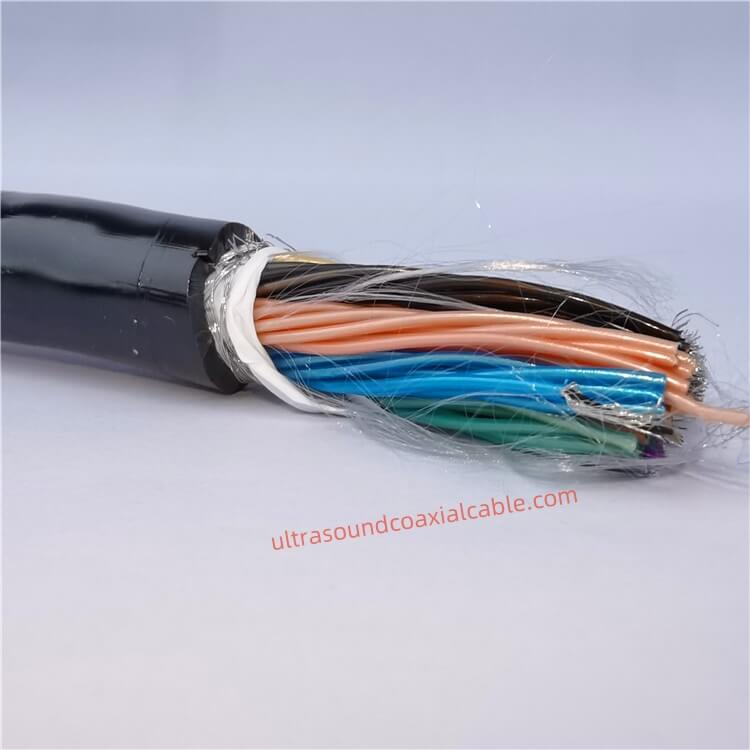
High-Performance Ultrasound Coaxial Cable Assembly: 42AWG to 30AWG, 6.6mm OD, 18GHz Bandwidth Engineered for precision in medical imaging and industrial applications, this customizable coaxial cable assembly delivers exceptional signal.
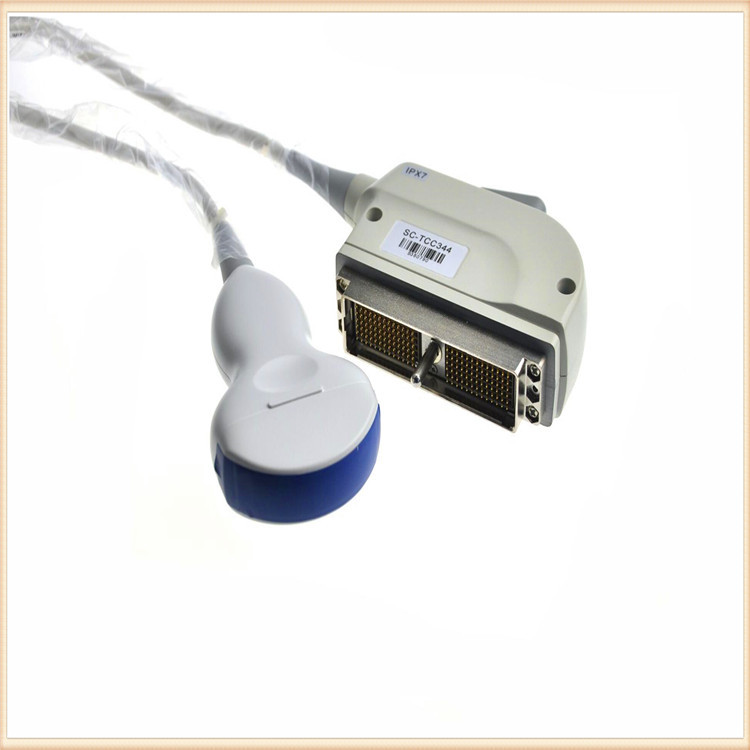
High-Performance Military Ultrasound Coaxial Cables: Built for Extreme Conditions Designed to meet the demanding requirements of military, aerospace, and medical applications, our Military-Grade Ultrasound Coaxial Cables deliver except.

High-Performance Flexible Coaxial Cable for Medical Imaging & Ultrasound Systems Designed for demanding applications in medical imaging, industrial diagnostics, and high-frequency signal transmission, this ultra-flexible coaxial ca.
Feel free to reach out to us for any inquiries or orders.