Smart City Connectivity: When Ultrasound Coaxial Cables Outperform Fiber Optics in Critical Data Transmission In the era of smart cities,… - Professional Ultrasound Coaxial Cable Solutions
Learn more about, latest news, frequently asked questions
Smart City Connectivity: When Ultrasound Coaxial Cables Outperform Fiber Optics in Critical Data Transmission
In the era of smart cities, where interconnected devices, real-time data analytics, and seamless communication drive urban efficiency, the choice of data transmission infrastructure is more critical than ever. As cities evolve into “living organisms” powered by technology, two primary contenders dominate the conversation: fiber-optic cables and coaxial cables. While fiber optics often steal the spotlight with their high bandwidth and long-distance capabilities, a closer look at specific use cases—particularly those involving ultrasound technology—reveals why ultrasound coaxial cables remain indispensable in smart city ecosystems. This article explores the strengths, limitations, and niche applications of both mediums, with a focus on why coaxial cables (especially those engineered for ultrasound) are still the unsung heroes of modern urban connectivity.
Smart cities rely on a vast network of sensors, cameras, and IoT devices to manage traffic, monitor air quality, optimize energy use, and enhance public safety. These systems generate massive volumes of data—from high-resolution video feeds to real-time sensor readings—that demand reliable, low-latency transmission. At the core of this network lies the choice between fiber optics and coaxial cables.
Fiber-optic cables, composed of thin glass or plastic fibers that transmit data as light pulses, are celebrated for their unparalleled bandwidth (up to terabits per second) and immunity to electromagnetic interference (EMI). They excel in long-haul applications, such as connecting data centers across a city or linking suburban IoT hubs to central servers. However, fiber optics have drawbacks: they are fragile, require specialized equipment for installation and repairs, and struggle with short-distance, high-frequency signal transmission—scenarios common in smart city micro-networks.
Coaxial cables, on the other hand, consist of a central conductor, insulating layer, metallic shield, and outer jacket. They have long been used for tasks like cable TV, broadband internet, and industrial sensor networks. While their bandwidth is lower than fiber optics (typically up to gigabits per second over short distances), coaxial cables offer unique advantages: they are durable, cost-effective, and highly resistant to EMI—critical in environments with heavy electrical equipment (e.g., traffic lights, power substations, or medical device clusters). For applications requiring precise, low-latency transmission of high-frequency signals, such as ultrasound, coaxial cables often outshine their fiber-optic counterparts.
Ultrasound technology, which uses high-frequency sound waves to transmit and receive data, is integral to several smart city applications. From ultrasonic sensors in smart parking systems (detecting vehicle presence) to medical imaging devices in urban hospitals, these systems rely on the accurate transmission of high-frequency signals. Here’s why ultrasound coaxial cables are uniquely suited for this role:
Ultrasound operates at frequencies ranging from 2 MHz (for medical imaging) to 200 kHz (for industrial sensors). Coaxial cables, with their concentric design, minimize signal loss (attenuation) at these frequencies. The metallic shield (often made of braided copper or aluminum) acts as a Faraday cage, blocking external EMI that could distort the ultrasound signal. In contrast, fiber optics, while immune to EMI, require transducers to convert electrical ultrasound signals to light—a process that introduces latency and potential signal degradation, especially over short distances.
Smart city systems demand real-time responsiveness. For example, ultrasonic traffic sensors must instantly transmit data to adjust traffic lights and prevent congestion. Coaxial cables have lower latency than fiber optics in short runs (under 1 km) because light travels slower in fiber (due to refraction) than electrons in copper. While the difference is negligible over long distances, it becomes significant in urban micro-networks where split-second decisions matter.
Smart city infrastructure is exposed to harsh conditions: temperature fluctuations, moisture, vibration, and chemical exposure (e.g., road salt in parking garages). Ultrasound coaxial cables are designed with rugged materials—such as polytetrafluoroethylene (PTFE) insulation and polyurethane jackets—to withstand these challenges. Fiber optics, while robust in controlled environments, are prone to breakage from bending or impact, making them less ideal for outdoor or industrial settings.
Installing fiber optics is expensive: trenching, splicing, and testing can account for 60% of project costs. Coaxial cables are simpler to deploy, requiring minimal specialized labor. For smart city applications like neighborhood sensor grids or building automation systems (where data travels only a few hundred meters), the lower upfront and maintenance costs of coaxial cables make them the practical choice.
It’s important to clarify that fiber optics and coaxial cables are not mutually exclusive. In smart city architectures, they often work together: fiber optics handle long-haul, high-bandwidth traffic (e.g., connecting city-wide data hubs), while coaxial cables manage localized, high-frequency tasks (e.g., ultrasound sensors in traffic lights or medical clinics). For instance, an ultrasound-based security system in a subway station might use coaxial cables to transmit real-time data to a local server, which then sends aggregated insights via fiber optics to the city’s central command center.
Not all coaxial cables are created equal. Ultrasound applications require specialized designs optimized for high-frequency performance, durability, and precision. Leading manufacturers now produce ultrasound coaxial cables with:
When it comes to specifying ultrasound coaxial cables for smart city projects, reliability and performance matter. FRS, a global leader in custom cable manufacturing, has spent over 20 years engineering solutions for industries where precision is non-negotiable—including healthcare, industrial automation, and smart city infrastructure.
FRS’s ultrasound coaxial cables are designed to meet the unique demands of high-frequency applications:
Cities like Singapore and Barcelona have already partnered with FRS to deploy ultrasound coaxial cables in smart parking systems, reducing installation time by 30% and cutting maintenance costs by 25% compared to traditional alternatives.
In the smart city revolution, data transmission is the backbone of progress. While fiber optics dominate long-haul applications, ultrasound coaxial cables prove their worth in niche, high-frequency scenarios where precision, durability, and cost-effectiveness are paramount. For engineers, city planners, and businesses relying on ultrasound technology, choosing the right coaxial cable isn’t just about specs—it’s about ensuring the smart city of tomorrow runs smoothly, safely, and efficiently.
When reliability matters most, FRS stands as a trusted partner. With decades of expertise in manufacturing ultrasound coaxial cables and a commitment to innovation, FRS delivers solutions that empower smart cities to thrive. From sensor networks to medical imaging, FRS cables are built to meet the challenges of today—and the opportunities of tomorrow.
Discover our most popular furniture pieces that are loved by customers worldwide.

High-Performance Flexible Coaxial Cable for Medical Imaging & Ultrasound Systems Designed for demanding applications in medical imaging, industrial diagnostics, and high-frequency signal transmission, this ultra-flexible coaxial ca.
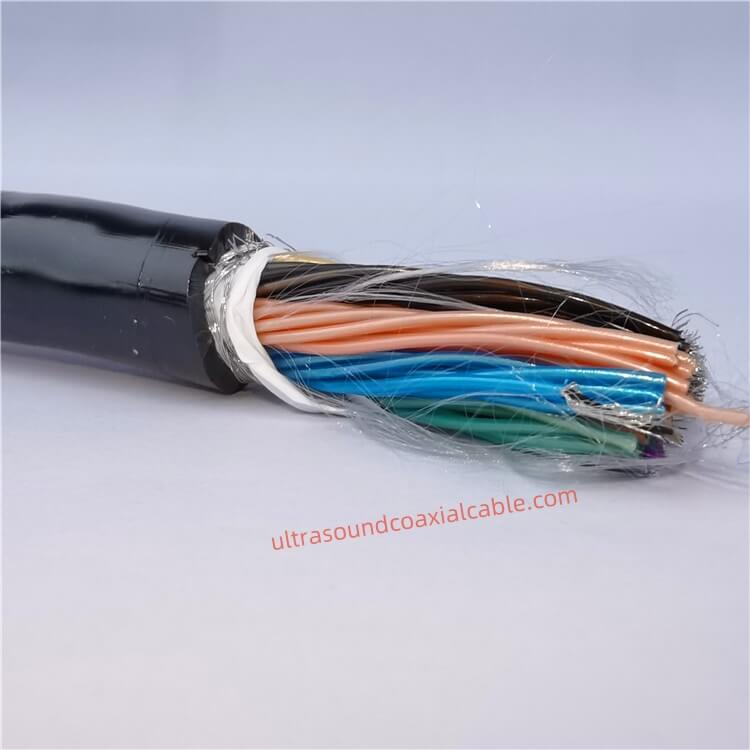
High-Performance Ultrasound Coaxial Cable Assembly: 42AWG to 30AWG, 6.6mm OD, 18GHz Bandwidth Engineered for precision in medical imaging and industrial applications, this customizable coaxial cable assembly delivers exceptional signal.
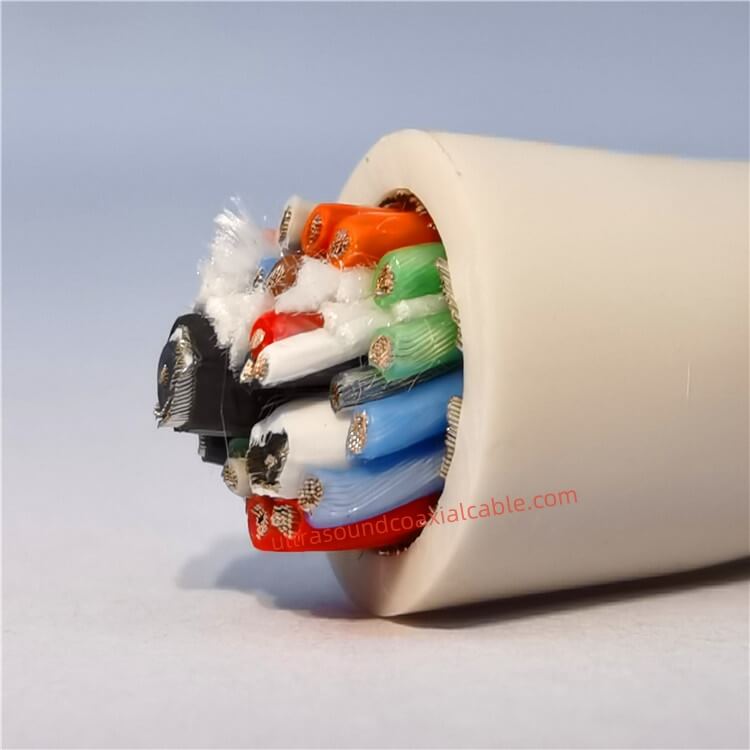
High-Precision 138-Core Medical Ultrasound Coaxial Cables | 0.2mm Ultra-Fine Biocompatible Design for Diagnostic Imaging Product Overview Engineered for advanced medical imaging systems, our 138-Core Medical Ultrasound Probe Coa.
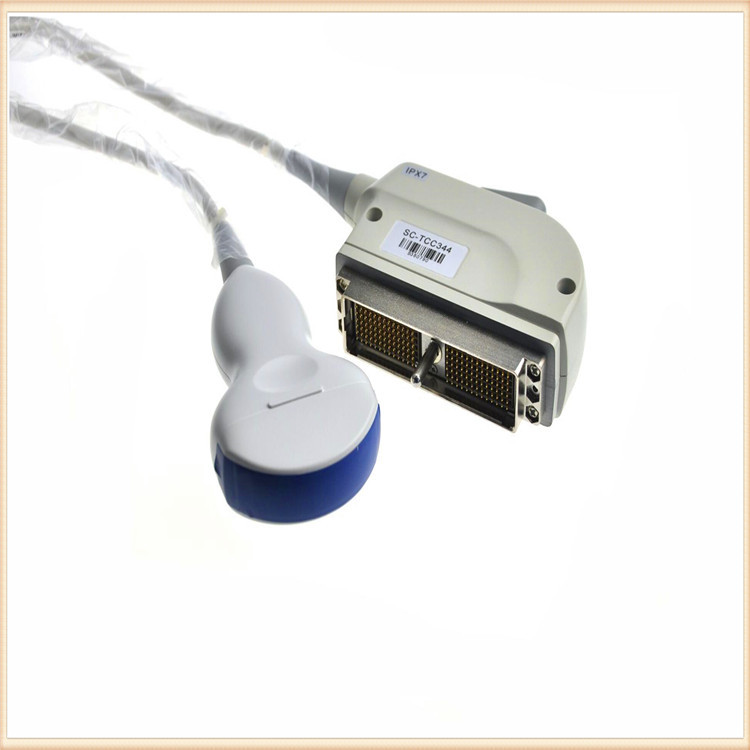
High-Performance Military Ultrasound Coaxial Cables: Built for Extreme Conditions Designed to meet the demanding requirements of military, aerospace, and medical applications, our Military-Grade Ultrasound Coaxial Cables deliver except.
Feel free to reach out to us for any inquiries or orders.