What is the insertion loss specification for your ultrasound coaxial cables? | High-Quality Ultrasound Coaxial Cable | ultrasound coaxial cable Manufacturer & Factory-FRS

What is the insertion loss specification for your ultrasound coaxial cables?

Understanding Insertion Loss in Ultrasound Coaxial Cables: Specifications and Performance Insights​ In the realm of medical imaging, industrial diagnostics, and… - Professional Ultrasound Coaxial Cable Solutions

Information

Learn more about, latest news, frequently asked questions

Understanding Insertion Loss in Ultrasound Coaxial Cables: Specifications and Performance Insights

In the realm of medical imaging, industrial diagnostics, and high-frequency signal transmission, ​ultrasound coaxial cables​ play a pivotal role in ensuring signal integrity and accuracy. One of the most critical performance metrics for these cables is ​insertion loss, which directly impacts the clarity and reliability of transmitted data. Whether you’re a healthcare provider, a research institution, or an industrial equipment manufacturer, understanding insertion loss specifications is essential for selecting the right cables to meet your operational needs.


What Is Insertion Loss in Ultrasound Coaxial Cables?​

Insertion loss refers to the reduction in signal power as it travels through a coaxial cable or connector. Measured in decibels (dB), it quantifies the total attenuation caused by factors such as conductor resistance, dielectric absorption, and impedance mismatches. For ultrasound applications, where millimeter-level precision is required, minimizing insertion loss is crucial to maintaining signal fidelity over long distances or high-frequency ranges.

For example, a cable with an insertion loss of ​≤0.5 dB/m​ at 10 MHz ensures minimal signal degradation, enabling accurate imaging in medical ultrasound devices or reliable data transmission in industrial sensors .


Key Factors Influencing Insertion Loss Specifications

  1. Conductor Material and Geometry
    • High-purity copper or silver-plated conductors​ reduce resistive losses, especially at higher frequencies.
    • Larger conductor diameters (e.g., 24 AWG vs. 30 AWG) lower resistance but increase capacitance, requiring careful balancing for optimal performance .
  2. Dielectric Insulation
    • Low-loss dielectric materials like ​PTFE (Polytetrafluoroethylene)​​ or ​Foam Polyethylene​ minimize signal attenuation. For instance, Foam PE offers a dielectric constant (Dk) of ~1.5, significantly reducing phase distortion compared to solid insulation .
  3. Shielding Effectiveness
    • Braided or foil shields with ​≥90% coverage​ block electromagnetic interference (EMI), preventing noise that exacerbates insertion loss. Military-grade cables often use ​twinaxial designs​ to eliminate ground loops and crosstalk .
  4. Frequency Range
    • Insertion loss increases logarithmically with frequency. A cable rated for ​DC to 6 GHz​ may exhibit ​0.01 dB/ft​ at 1 GHz but ​0.1 dB/ft​ at 10 GHz. Medical ultrasound systems operating in the ​MHz range​ demand ultra-low-loss designs .
  5. Temperature Stability
    • Materials with low thermal expansion coefficients (e.g., PTFE) ensure consistent performance across ​​-40°C to +85°C, critical for outdoor or harsh industrial environments .

Industry Standards and Compliance

To guarantee reliability, ultrasound coaxial cables must adhere to rigorous standards:

  • IEC 60966-4-2: Specifies insertion loss thresholds for semi-rigid cables, requiring ≤0.01√f + 0.05 dB/100m at frequencies up to 6 GHz .
  • MIL-DTL-17: Mandates shielding effectiveness (≥90 dB) and durability for military/medical applications .
  • FDA/NEMA Standards: For medical-grade cables, biocompatibility and sterility are enforced to ensure patient safety .

FRS Coaxial Cables: Engineered for Excellence

As a leading ​ultrasound coaxial cable manufacturer, ​FRS​ delivers precision-engineered solutions tailored to demanding applications. Our cables are designed to minimize insertion loss while maximizing durability:

1. Advanced Material Engineering

  • Silver-Plated Copper Conductors: Reduce skin effect losses, ensuring ​≤0.3 dB/100m​ at 10 MHz.
  • Foam Polyethylene Dielectric: Achieves a Dk of 1.5 and low dissipation factor (<0.0002), ideal for high-frequency ultrasound imaging .

2. Superior Shielding

  • Quad-Shielded Design: Combines braid and foil layers for ​>100 dB shielding effectiveness, critical in MRI machines or RF-rich environments.

3. Customizable Configurations

  • Flexible vs. Semi-Rigid: Choose from ​hand-formable cables​ for portable devices or ​semi-rigid types​ for aerospace/defense applications.
  • Connector Options: LEMO, BNC, SMA, or custom connectors to match your system’s impedance (50Ω/75Ω) .

4. Compliance and Certification

  • ISO 13485-certified for medical devices.
  • RoHS/REACH-compliant for environmental safety.

Applications Where Insertion Loss Matters

  1. Medical Imaging
    • High-frequency probes (5–20 MHz) require cables with ​​<0.5 dB/m​ loss to preserve image resolution in ultrasound diagnostics .
  2. Industrial Non-Destructive Testing
    • Robust cables withstand vibrations and moisture while maintaining ​≤1 dB/100m​ loss in harsh factories .
  3. 5G and Telecommunications
    • Millimeter-wave systems rely on cables with ​​<0.1 dB/ft​ loss at 60 GHz for stable data transmission .

Why Partner with FRS?​

  • 20+ Years of Expertise: Specializing in medical, military, and industrial cables, we optimize designs for your specific frequency and environmental needs.
  • Rigorous Testing: Our cables undergo ​TDR (Time-Domain Reflectometry)​​ and ​VSWR (Voltage Standing Wave Ratio)​​ testing to ensure compliance with IEC 60966 standards .
  • Global Supply Chain: Fast turnaround times and bulk customization options for OEMs and distributors.

Conclusion

Insertion loss is a cornerstone of coaxial cable performance, particularly in ultrasound and high-frequency applications. By selecting cables with low-loss materials, robust shielding, and industry-certified designs, you can ensure reliable signal transmission and long-term system efficiency. ​FRS​ stands at the forefront of this technology, offering tailor-made solutions that align with your technical requirements and operational goals. Whether you’re upgrading medical imaging systems or deploying next-gen RF infrastructure, trust FRS for precision-engineered coaxial cables that deliver uncompromising performance.

Contact FRS today​ to discuss your project and discover how our ultrasound coaxial cables can elevate your systems to the next level.

Hot Selling Products

Discover our most popular furniture pieces that are loved by customers worldwide.
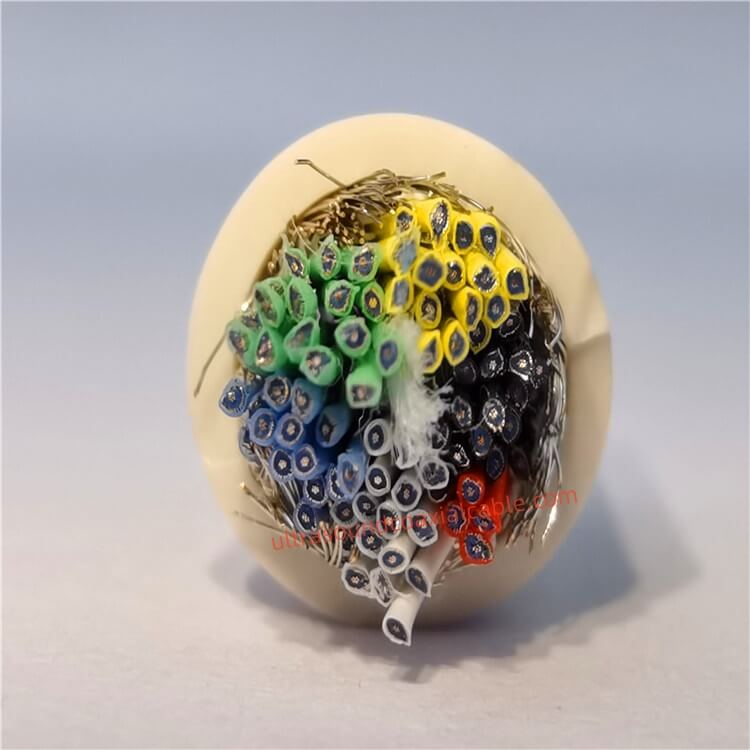
Ultrasound Coaxial Cable|High-Performance Signal Transmission for Precision Applications

Ultrasound Coaxial Cable|High-Performance Signal Transmission for Precision Applications

‌‌Product Overview‌The ‌Ultrasound Coaxial Cable‌ is a specialized cable engineered to deliver ultra-low signal loss, exceptional shielding, and unmatched durability in critical environments. Designed for medical imaging, industrial testi.

High-Precision Ultrasound Coaxial Cable for Medical Imaging – Low Noise, Flexible Design, 42AWG

High-Precision Ultrasound Coaxial Cable for Medical Imaging – Low Noise, Flexible Design, 42AWG

Ultra-Flexible 42AWG Medical-Grade Coaxial Cables for High-Precision Ultrasound Imaging Designed for demanding medical imaging applications, our Ultra-Flexible 42AWG Coaxial Cables deliver exceptional signal integrity, noise reduction,.
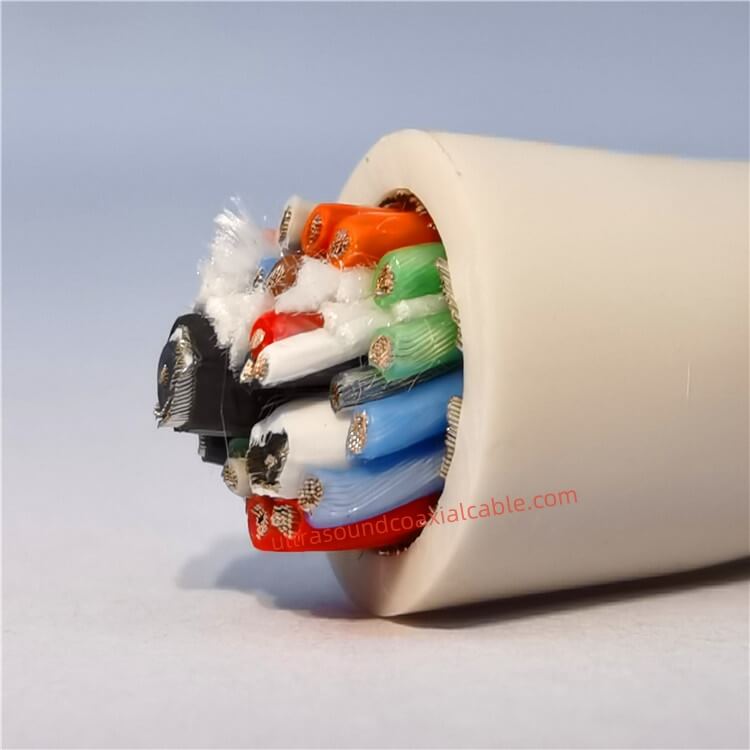
138-Core Medical Ultrasound Probe Coaxial Cable with 0.2mm Diameter – Biocompatible & FDA-Certified

138-Core Medical Ultrasound Probe Coaxial Cable with 0.2mm Diameter – Biocompatible & FDA-Certified

High-Precision 138-Core Medical Ultrasound Coaxial Cables | 0.2mm Ultra-Fine Biocompatible Design for Diagnostic Imaging Product Overview Engineered for advanced medical imaging systems, our 138-Core Medical Ultrasound Probe Coa.
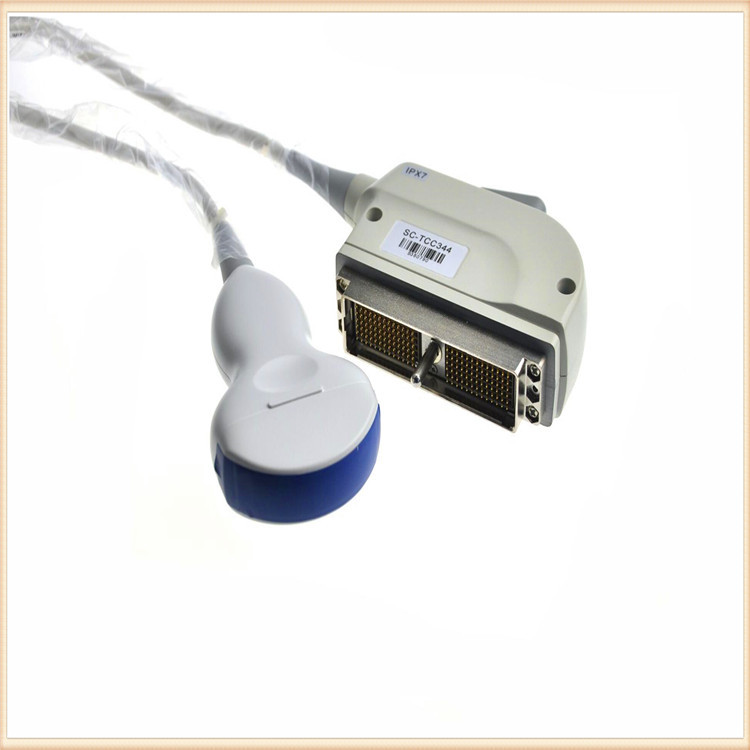
Military-Grade Ultrasound Coaxial Cable – High-Temperature Resistance, 100daN Compression Strength

Military-Grade Ultrasound Coaxial Cable – High-Temperature Resistance, 100daN Compression Strength

High-Performance Military Ultrasound Coaxial Cables: Built for Extreme Conditions Designed to meet the demanding requirements of military, aerospace, and medical applications, our Military-Grade Ultrasound Coaxial Cables deliver except.

Contact Us

Feel free to reach out to us for any inquiries or orders.

Call Us

Have a question? Give us a call!

                   +8618818785005(Whatsapp)

Email Us

Send us an email and we'll get back to you soon.

sales@custom-cable-assemblies.com
       
Home Products Contact