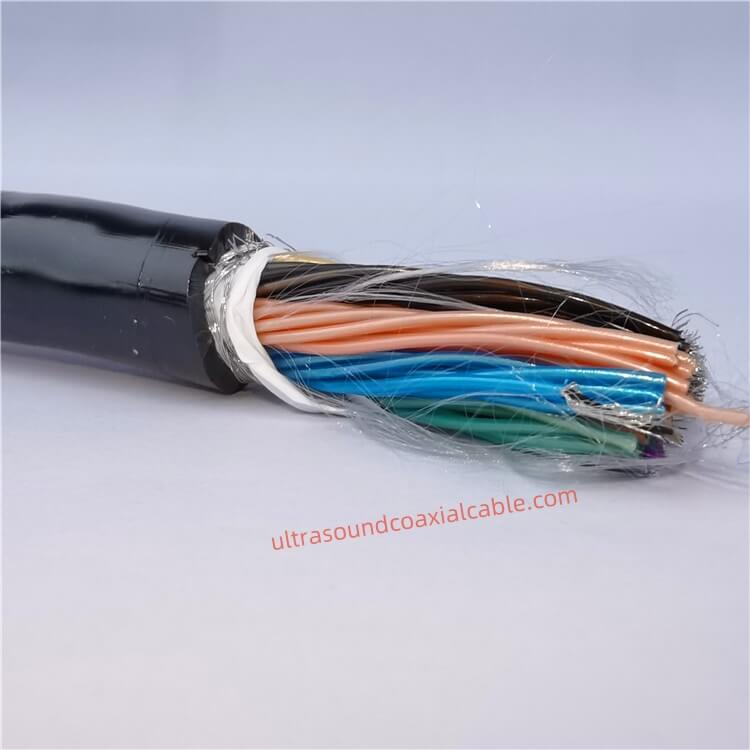
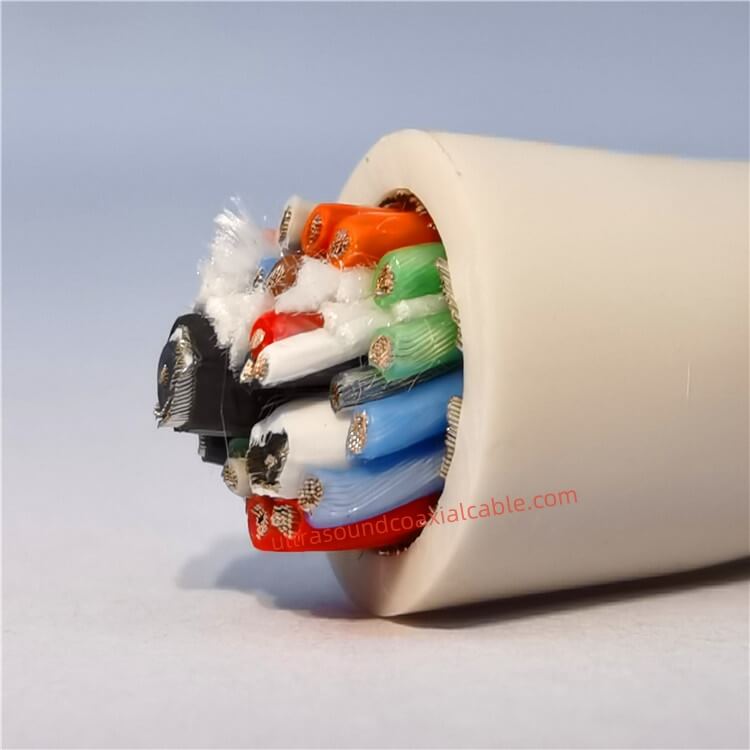
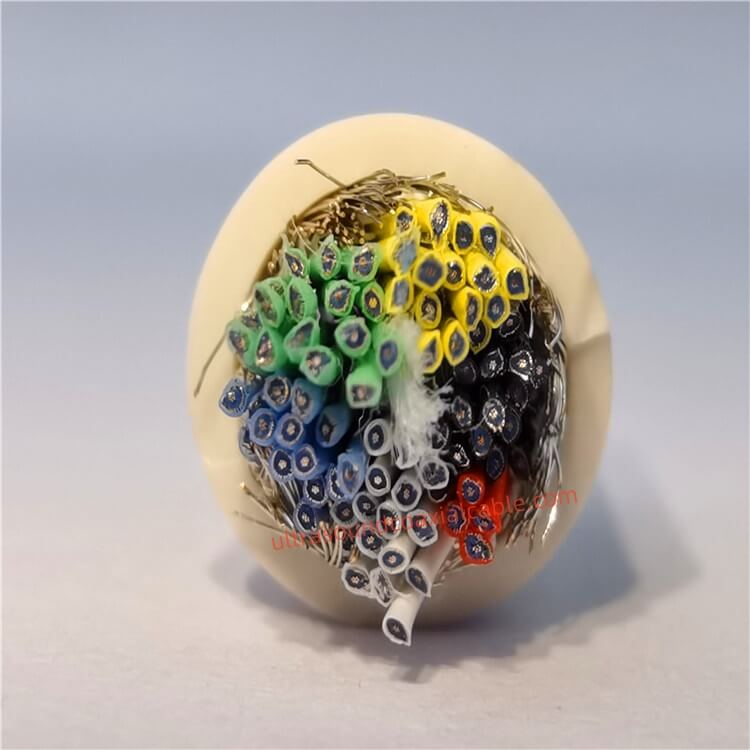
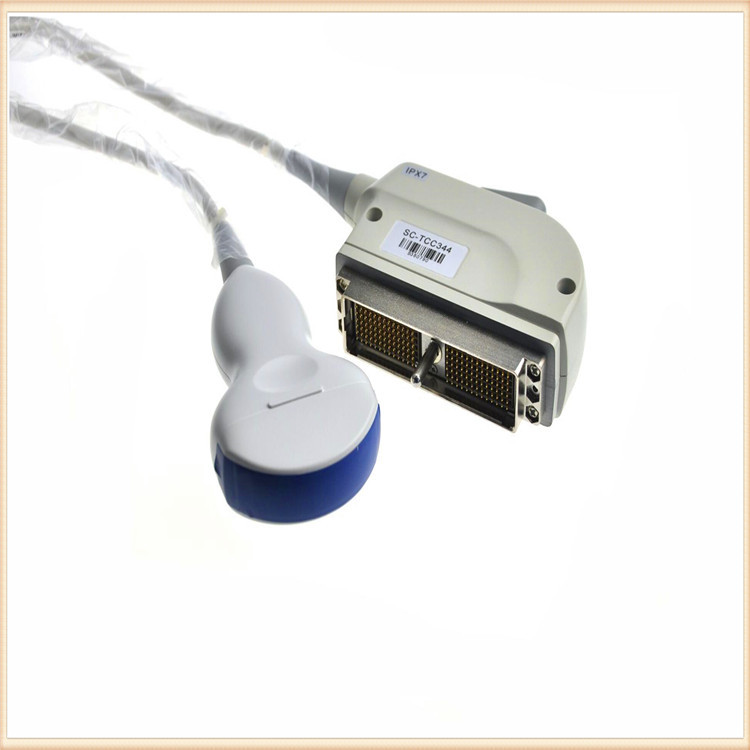
When purchasing Ultrasound Coaxial Cables in bulk, the stakes are high. These cables are the lifeline of medical imaging systems, transmitting the high-frequency signals that create diagnostic images. A subpar cable can lead to image artifacts, signal loss, and costly equipment downtime. This guide provides a comprehensive checklist of the critical specifications you must verify before placing a bulk order, ensuring you invest in components that deliver reliability, performance, and long-term value.
1. Electrical Performance: The Heart of Signal Integrity
The primary function of an Ultrasound Coaxial Cable is to transmit signals with minimal degradation. In bulk purchasing, even minor deviations in electrical specs can compound across an entire fleet of devices.
- Impedance (Z0): This is non-negotiable. Most medical ultrasound systems operate at a characteristic impedance of 50Ω. Any mismatch can cause signal reflections, leading to ghosting or blurring in the image. Ensure the cable maintains this impedance consistently across its entire length and frequency range.
- Attenuation (Insertion Loss): This measures how much signal is lost as it travels through the cable. For high-frequency ultrasound signals (often 1-20 MHz), you need ultra-low attenuation. Look for specifications like <0.3 dB/m @ 5MHz or lower. In bulk orders, verify that the manufacturer can guarantee consistent low-loss performance across all batches.
- Velocity of Propagation (Vp): This determines the speed at which the signal travels. A higher Vp (e.g., 80-85%) is desirable for real-time imaging, as it reduces latency. This is particularly critical for phased-array and Doppler imaging systems.
- Shielding Effectiveness (EMI/RFI): Hospital environments are electrically noisy. Cables must have robust shielding to prevent external interference from corrupting the signal. Look for multi-layer shielding (e.g., braid + foil) with an attenuation rating of >90dB or higher.
2. Mechanical Durability & Flexibility: Built to Last
Ultrasound probe cables are subjected to constant bending, twisting, and coiling. In a bulk procurement scenario, durability directly impacts total cost of ownership by reducing replacement frequency.
- Flex Life (Bend Cycles): This is arguably the most critical mechanical spec. A standard cable might offer 5,000 cycles, but premium cables from manufacturers like FRS are engineered to withstand 10,000 to 50,000+ flex cycles without performance degradation. This is essential for high-throughput clinical settings.
- Minimum Bend Radius: Cables that are too stiff can be difficult for clinicians to use. Check the static and dynamic bend radius specifications. A smaller bend radius (e.g., ≤25mm) indicates a more flexible cable that won’t kink or break easily.
- Tensile Strength: The cable must withstand pulling forces during use and maintenance. Look for a tensile strength rating (e.g., 3kg or higher) to ensure the conductors and shielding won’t be damaged under stress.
3. Material & Construction: Safety and Sterilization
Since these cables are used in medical environments, the materials must be safe for both patients and equipment.
- Biocompatibility (ISO 10993): The outer jacket must be made of materials that are non-toxic and non-irritating. For bulk medical orders, insist on cables that are certified to ISO 10993-5 or similar standards to ensure patient safety.
- Sterilization Resistance: Cables must withstand repeated cleaning with chemicals (e.g., alcohol) and, in some cases, autoclaving. The jacket material should be resistant to degradation from common hospital disinfectants.
- Conductor Material: High-purity copper or silver-plated copper conductors are standard for low-resistance signal transmission. Avoid cables that use inferior alloys, as they can increase attenuation over time.
4. Connectors & Termination: The Critical Interface
The connectors are often the weakest link in the chain. In bulk orders, consistency in connector quality is paramount.
- Connector Type: Ensure the connectors (e.g., LEMO, BNC, SMA) match your system’s interface perfectly. Mismatched connectors can cause signal leakage and damage.
- Contact Plating: Gold-plated contacts are preferred for medical applications as they resist corrosion and maintain low contact resistance over thousands of insertions.
- Strain Relief: The point where the cable meets the connector is a common failure point. Look for designs with robust strain relief boots to prevent the cable from breaking at the termination.
5. Industry Standards & Certifications: Your Assurance of Quality
Never buy Ultrasound Coaxial Cables in bulk without verifying compliance with key industry standards. This is your legal and safety safeguard.
- IEC 60601-1: This is the international standard for the safety of medical electrical equipment. Compliance is mandatory for medical-grade cables.
- IEC 60601-2-37: This particular standard applies specifically to the safety of ultrasonic medical diagnostic and monitoring equipment, including cable requirements.
- RoHS & REACH: Ensure the cables are free from hazardous substances like lead, cadmium, and certain phthalates.
- ISO 13485: This certification indicates that the Ultrasound Coaxial Cable Manufacturer has a quality management system specifically for medical devices, ensuring traceability and consistency in production.
6. Market Analysis & Application Scenarios
Understanding the broader market context can inform your bulk purchasing strategy.
- Market Growth: The global market for medical coaxial cables is projected to grow at a CAGR of around 6-11%, driven by advancements in portable ultrasound and high-resolution imaging. This makes securing a reliable supply chain crucial.
- Application-Specific Needs:
- Cardiology/High-End Systems: Require the highest signal integrity, often needing cables with 64 or more coaxial strands and phase-stable performance for Doppler imaging.
- Portable/Handheld Devices: Prioritize lightweight, flexible cables with small outer diameters to reduce probe weight and improve ergonomics.
- Industrial NDT (Non-Destructive Testing): May require higher temperature tolerance or different connector types but share the need for low attenuation.
7. Product Pain Points & FRS Solutions
When evaluating suppliers, look for those who address common industry challenges head-on.
- Pain Point: Signal Loss in Long Runs
- FRS Solution: Utilization of high-purity conductors and low-loss dielectrics (e.g., PTFE) to maintain signal integrity even in extended cable lengths.
- Pain Point: Stiffness Limiting Maneuverability
- FRS Solution: Advanced helical multi-core designs that offer exceptional flexibility (50,000+ bend cycles) without sacrificing shielding or electrical performance.
- Pain Point: Connector Corrosion/Failure
- FRS Solution: IP67-rated connectors with gold-plated contacts and reinforced strain relief to withstand the rigors of clinical use and cleaning.
Conclusion: Your Bulk Procurement Checklist
Before finalizing your purchase of Ultrasound Coaxial Cables in bulk, use this definitive checklist:
- [ ] Electrical: 50Ω Impedance, <0.3 dB/m Attenuation, >90dB Shielding
- [ ] Mechanical: >10,000 Flex Cycles, Small Bend Radius, High Tensile Strength
- [ ] Materials: ISO 10993 Biocompatible, Sterilization-Resistant Jacket
- [ ] Connectors: Correct Type (LEMO/BNC), Gold Plating, Strain Relief
- [ ] Certifications: IEC 60601-1, RoHS, ISO 13485
- [ ] Supplier: Proven track record (e.g., FRS), Customization capability, Batch consistency
By meticulously checking these specifications, you can confidently select a Ultrasound Coaxial Cable Manufacturer that will deliver the performance and reliability your medical imaging systems demand.