Flexible vs. Semi-Rigid: Which Coaxial Cable Reigns Supreme in Industrial Settings? | High-Quality Ultrasound Coaxial Cable | ultrasound coaxial cable Manufacturer & Factory-FRS

Flexible vs. Semi-Rigid: Which Coaxial Cable Reigns Supreme in Industrial Settings?

Choosing the Right Coaxial Cable for Industrial Ultrasound: Flexibility vs. Semi-Rigid Design In industrial ultrasound applications, the choice between flexible… - Professional Ultrasound Coaxial Cable Solutions

Information

Learn more about, latest news, frequently asked questions

Choosing the Right Coaxial Cable for Industrial Ultrasound: Flexibility vs. Semi-Rigid Design

In industrial ultrasound applications, the choice between flexible and semi-rigid coaxial cables is critical for ensuring optimal performance, durability, and signal integrity. Each type offers distinct advantages depending on the operational environment, mechanical demands, and electrical requirements. Below, we break down the key differences to help you make an informed decision.


1. Physical Characteristics and Design

  • Flexible Coaxial Cables
    Designed for dynamic environments, these cables feature stranded conductors and braided shielding, enabling repeated bending without performance degradation. Their compact diameter (as thin as 0.2mm in medical-grade variants) and lightweight construction make them ideal for confined spaces or systems requiring frequent movement, such as robotic arms or portable diagnostic tools .
  • Semi-Rigid Coaxial Cables
    Built with a solid outer conductor and rigid dielectric materials, these cables prioritize rigidity and dimensional stability. They excel in high-frequency applications (up to 6GHz or higher) and harsh environments where mechanical stress resistance is crucial, such as industrial machinery or aerospace systems .

2. Electrical Performance

  • Signal Integrity and Loss
    Semi-rigid cables exhibit lower attenuation (as low as 0.15dB/m at 1GHz) due to their dense shielding and uniform dielectric, making them suitable for high-precision ultrasound imaging and long-distance signal transmission . Flexible cables, while slightly higher in loss, compensate with superior shielding (e.g., braided tinned copper) to minimize electromagnetic interference (EMI) in electrically noisy factories .
  • Frequency Range
    Semi-rigid designs support broader frequency ranges, often up to 18GHz, ensuring compatibility with advanced industrial sensors and high-speed data systems. Flexible cables typically max out at 6GHz but are sufficient for standard ultrasound and IoT-enabled equipment .

3. Durability and Environmental Resistance

  • Mechanical Stress
    Flexible cables thrive in applications involving vibration, torsion, or continuous motion. Their stranded conductors and pressure-filled jackets resist fatigue, preventing signal loss in dynamic setups like automated production lines . Semi-rigid cables, though robust, may fracture under excessive bending, limiting their use to static or low-movement installations .
  • Temperature and Chemical Exposure
    Industrial environments often expose cables to extreme temperatures or corrosive substances. Semi-rigid cables with Teflon insulation withstand temperatures from -55°C to +180°C and resist oils or solvents, ideal for chemical processing plants . Flexible cables, using materials like polyethylene, offer moderate resistance but prioritize flexibility over extreme durability .

4. Application-Specific Recommendations

  • Opt for Flexible Cables If…
  • The system involves continuous movement (e.g., robotic inspection arms).
  • Space constraints demand a slim profile (e.g., endoscopic ultrasound probes).
  • EMI shielding is critical (e.g., near high-power machinery) .
  • Choose Semi-Rigid Cables If…
  • High-frequency signals (e.g., GHz-range radar or LiDAR systems) require minimal loss.
  • The setup is static or experiences minimal vibration (e.g., fixed industrial sensors).
  • Environmental resilience against heat or chemicals is paramount .

5. Cost and Maintenance Considerations

Flexible cables are generally more cost-effective for short-term or replaceable installations due to their ease of handling. Semi-rigid cables, while pricier upfront, offer longer service life in demanding conditions, reducing long-term maintenance costs. For example, medical imaging systems in factories may prioritize semi-rigid cables for their reliability, whereas logistics automation benefits from flexible, replaceable cables .


Conclusion
The supremacy of flexible or semi-rigid coaxial cables hinges on your industrial ultrasound application’s unique demands. Flexible cables excel in mobility and EMI-heavy environments, while semi-rigid designs prioritize signal precision and durability. By aligning your choice with factors like frequency range, mechanical stress, and operational conditions, you can ensure seamless performance and maximize ROI in industrial settings.

Key Terms Integrated: Ultrasound Coaxial Cables, Flexible Coaxial Cables, Semi-Rigid Cables, Industrial Ultrasound, Signal Integrity, EMI Shielding, High-Frequency Transmission.

Hot Selling Products

Discover our most popular furniture pieces that are loved by customers worldwide.

High-Precision Ultrasound Coaxial Cable for Medical Imaging – Low Noise, Flexible Design, 42AWG

High-Precision Ultrasound Coaxial Cable for Medical Imaging – Low Noise, Flexible Design, 42AWG

Ultra-Flexible 42AWG Medical-Grade Coaxial Cables for High-Precision Ultrasound Imaging Designed for demanding medical imaging applications, our Ultra-Flexible 42AWG Coaxial Cables deliver exceptional signal integrity, noise reduction,.

Ultra-Flexible Coaxial Cable for Ultrasound Transducers – 44AWG, 0.15dB/m Attenuation at 1GHz

Ultra-Flexible Coaxial Cable for Ultrasound Transducers – 44AWG, 0.15dB/m Attenuation at 1GHz

High-Performance Flexible Coaxial Cable for Medical Imaging & Ultrasound Systems Designed for demanding applications in medical imaging, industrial diagnostics, and high-frequency signal transmission, this ultra-flexible coaxial ca.
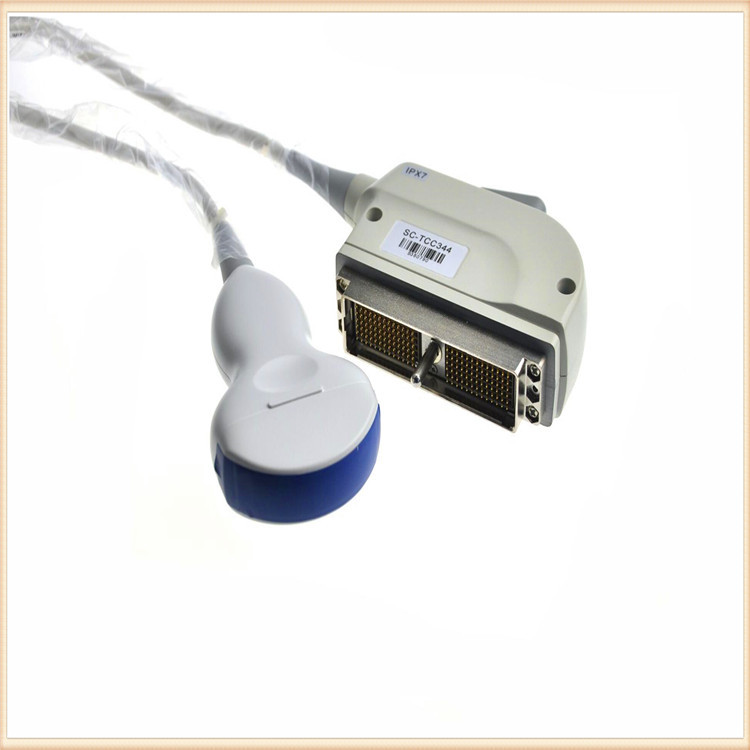
Military-Grade Ultrasound Coaxial Cable – High-Temperature Resistance, 100daN Compression Strength

Military-Grade Ultrasound Coaxial Cable – High-Temperature Resistance, 100daN Compression Strength

High-Performance Military Ultrasound Coaxial Cables: Built for Extreme Conditions Designed to meet the demanding requirements of military, aerospace, and medical applications, our Military-Grade Ultrasound Coaxial Cables deliver except.
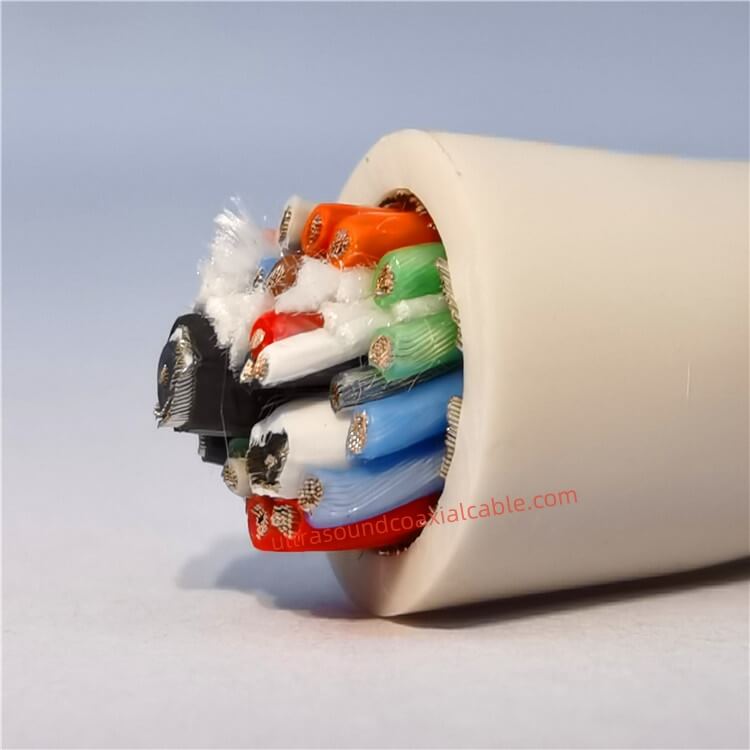
138-Core Medical Ultrasound Probe Coaxial Cable with 0.2mm Diameter – Biocompatible & FDA-Certified

138-Core Medical Ultrasound Probe Coaxial Cable with 0.2mm Diameter – Biocompatible & FDA-Certified

High-Precision 138-Core Medical Ultrasound Coaxial Cables | 0.2mm Ultra-Fine Biocompatible Design for Diagnostic Imaging Product Overview Engineered for advanced medical imaging systems, our 138-Core Medical Ultrasound Probe Coa.

Contact Us

Feel free to reach out to us for any inquiries or orders.

Call Us

Have a question? Give us a call!

                   +8618818785005(Whatsapp)

Email Us

Send us an email and we'll get back to you soon.

sales@custom-cable-assemblies.com
       
Home Products Contact