Revolutionizing Minimally Invasive Surgery: The Critical Role of Ultrasound Coaxial Cables Executive Summary In the rapidly evolving landscape of minimally… - Professional Ultrasound Coaxial Cable Solutions
Learn more about, latest news, frequently asked questions
In the rapidly evolving landscape of minimally invasive surgery (MIS), ultrasound coaxial cables have emerged as the unsung heroes enabling precision diagnostics and real-time imaging. These specialized cables serve as the critical nervous system connecting ultrasound transducers to imaging systems, transmitting high-frequency signals with unparalleled accuracy while navigating the demanding constraints of surgical environments. For medical device manufacturers and healthcare providers seeking to optimize surgical outcomes, understanding the unique advantages of advanced ultrasound coaxial cables is no longer optional—it’s a strategic imperative.
The global ultrasound coaxial cable market is experiencing robust growth, projected to reach an estimated 800 million to 1.1 billion US dollars by the end of the forecast period, driven by increasing adoption of advanced ultrasound technologies across medical and industrial applications. This growth trajectory underscores the critical importance of selecting the right coaxial cable solutions for minimally invasive surgical platforms.
Minimally invasive procedures demand crystal-clear imaging to guide surgeons through complex anatomical structures. Premium ultrasound coaxial cables from FRS achieve this through multi-layer shielding configurations that provide 100dB@1GHz EMI protection, ensuring signal integrity even in electromagnetically crowded operating room environments. This level of protection is crucial when multiple electronic devices operate simultaneously during surgery.
The electrical performance specifications of these cables are engineered for surgical precision: impedance stability within ±2Ω after 500,000 bending cycles, low attenuation of 0.42dB/m at 100MHz (47.5% lower than industry standard), and frequency compatibility up to 18GHz. These specifications translate directly to sharper, artifact-free images that surgeons rely on for accurate tissue differentiation and real-time decision-making.
Minimally invasive surgery imposes severe space constraints, requiring cables that can navigate tight anatomical spaces without compromising performance. FRS ultrasound coaxial cables achieve diameters as small as 0.2mm while maintaining 138-core configurations in just 6.5mm outer diameter. This miniaturization breakthrough is made possible through hexagonal close-packing technology that achieves 78% cross-section utilization—a 35% higher channel density than conventional coaxial cable arrays.
The implications for surgical applications are profound: thinner cables enable more flexible probe designs, reduce patient trauma during insertion, and improve maneuverability in confined surgical fields. For procedures like endoscopic ultrasound or intravascular imaging, this miniaturization directly correlates with improved patient outcomes and reduced procedure times.
Surgical environments subject cables to extreme mechanical stress, including repeated bending, sterilization cycles, and exposure to bodily fluids. FRS medical-grade coaxial cables are engineered to withstand these challenges through advanced material science:
This durability translates to reduced equipment downtime, lower replacement costs, and enhanced patient safety through reliable performance across multiple procedures.
In minimally invasive applications where cables may come into contact with patient tissues, biocompatibility is non-negotiable. FRS ultrasound coaxial cables are crafted from ISO 10993-5 certified materials, ensuring safety for direct tissue contact. The outer jacket materials are specifically selected to minimize allergic reactions and ensure compatibility with sterilization processes, while microbial resistance features enhance hygiene in clinical environments.
The ultrasound coaxial cable market is being propelled by several key factors that directly impact minimally invasive surgery applications:
The global aging population and increasing prevalence of chronic diseases necessitate routine ultrasounds for early detection and monitoring. This demographic shift drives demand for advanced diagnostic tools, including portable and handheld ultrasound devices that rely on high-performance coaxial cables. The growing emphasis on point-of-care diagnostics in emergency rooms and remote clinics further amplifies this demand.
The evolution from 2D to 3D and 4D ultrasound imaging requires cables capable of transmitting higher data rates with minimal signal loss. The integration of artificial intelligence (AI) and machine learning in ultrasound analysis indirectly drives demand for higher quality, more reliable data streams, which directly translates to better coaxial cable performance requirements.
Medical coaxial cables must adhere to stringent regulatory standards including FDA approvals, CE marking, and ISO 13485 certification. The increasing emphasis on biocompatibility and sterilization resistance in medical applications is shaping material choices and manufacturing processes, leading to the development of cables that can withstand rigorous cleaning and disinfection protocols.
Leading manufacturers like FRS maintain comprehensive compliance with global standards:
These certifications ensure that ultrasound coaxial cables meet the highest standards for patient safety, performance reliability, and environmental compliance.
During coronary stent placement and other vascular procedures, ultrasound coaxial cables guide catheters to precisely locate lesions while transmitting real-time instrument positioning, physiological signals, and imaging data. The phase-matched designs ensure consistent signal propagation across array elements, enabling accurate blood flow parameter feedback that is critical for procedural success.
In deep brain stimulation for Parkinson’s disease and other neurological procedures, micro-coaxial cables transmit electrode signals to external devices, assisting doctors in regulating neural activity with sub-millimeter precision. The cables’ flexibility and small diameter enable navigation through delicate neural structures without causing tissue damage.
Minimally invasive gastrointestinal, urological, and gynecological procedures rely on endoscopic ultrasound systems where coaxial cables must navigate tight anatomical spaces while maintaining signal integrity. The ultra-flexible design and kink-resistant jackets ensure smooth manipulation during procedures, reducing surgeon fatigue and improving procedural efficiency.
Systems like the Da Vinci Surgical System utilize ultrasound coaxial cables to connect robotic arms to control systems, achieving sub-millimeter operational accuracy. These cables must withstand the dynamic movements of robotic arms while maintaining signal integrity for real-time imaging feedback.
As a leading manufacturer with over 15 years of experience, FRS has established itself as a trusted partner for medical device OEMs and healthcare providers. The company’s ISO 13485-certified facility ensures compliance with global healthcare standards, while partnerships with leading brands like GE Healthcare and Siemens Healthineers demonstrate proven reliability in critical imaging applications.
FRS offers end-to-end solutions including design support, bulk manufacturing with competitive pricing for orders above 1,000 units, and global logistics for reliable shipping to North America, Europe, and Asia-Pacific. The company’s engineering team collaborates with customers to optimize cable performance for specific applications, offering custom configurations including conductor gauge adjustments (38-46 AWG), shielding layers, and jacket materials.
FRS ultrasound coaxial cables deliver exceptional performance metrics:
Traditional coaxial cables suffer from signal degradation over distance, compromising image quality during extended procedures. FRS solutions address this through low-capacitance micro-coaxial structures that preserve signal accuracy over longer distances, with attenuation as low as 0.15dB/m at 1GHz.
Operating rooms contain multiple electronic devices that generate electromagnetic interference. FRS cables incorporate triple-shield construction (foil + braid + overall shield) that exceeds medical EMI standards, ensuring interference-free signal transmission even in the most challenging environments.
The constant bending and manipulation of ultrasound probes during exams can lead to cable fatigue and failure. FRS cables are built with highly flexible materials including tinned copper conductors and silicone jackets that withstand repeated flexing without cracking or signal degradation, with fatigue resistance exceeding standard requirements by 40%.
Medical devices require frequent sterilization, which can degrade cable materials over time. FRS autoclave-ready coaxial cables feature ETFE insulation and platinum-cured silicone jackets that maintain performance through repeated sterilization cycles, with materials tested to withstand up to 1,000 autoclave cycles.
The ultrasound coaxial cable industry is evolving toward several key trends that will shape minimally invasive surgery:
Development of cables optimized for transmitting signals in the hundreds of megahertz and gigahertz range will enable advanced imaging capabilities, including real-time 4D visualization and quantitative analysis that require higher data rates and bandwidth.
The integration of embedded sensors for real-time monitoring of signal integrity, temperature, or strain will enhance diagnostic accuracy and equipment longevity. These smart cables could provide predictive maintenance alerts and usage monitoring capabilities.
Increasing interest in eco-friendly and recyclable materials for cable construction aligns with broader industry sustainability initiatives, addressing medical waste regulations and environmental compliance requirements.
The trend toward smaller, more ergonomic ultrasound probes and portable devices drives demand for ultra-thin, highly flexible cables that maintain performance in compact form factors, enabling breakthroughs in minimally invasive diagnostics.
In the high-stakes environment of minimally invasive surgery, the choice of ultrasound coaxial cables is not merely a technical specification—it’s a strategic decision that impacts patient outcomes, procedural efficiency, and equipment reliability. The advantages of advanced coaxial cable solutions from manufacturers like FRS extend beyond technical specifications to encompass regulatory compliance, durability under surgical conditions, and future-proofing for emerging technologies.
As minimally invasive procedures continue to evolve toward greater complexity and precision, the role of ultrasound coaxial cables as the critical link between imaging technology and surgical execution will only grow in importance. For medical device manufacturers, healthcare providers, and surgical teams, investing in high-performance coaxial cable solutions represents a commitment to excellence that delivers measurable benefits across the entire surgical workflow.
Discover our most popular furniture pieces that are loved by customers worldwide.
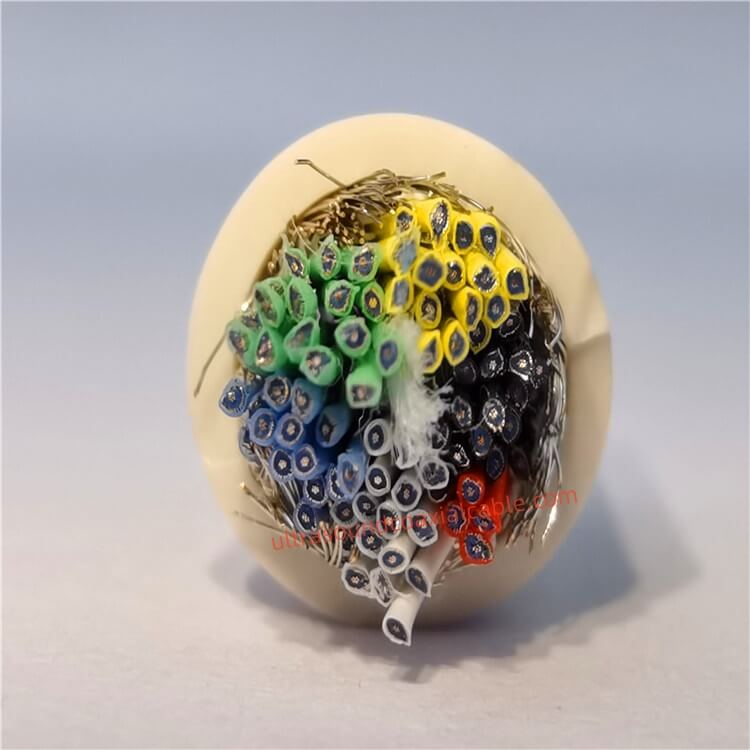
Product OverviewThe Ultrasound Coaxial Cable is a specialized cable engineered to deliver ultra-low signal loss, exceptional shielding, and unmatched durability in critical environments. Designed for medical imaging, industrial testi.

Ultra-Flexible 42AWG Medical-Grade Coaxial Cables for High-Precision Ultrasound Imaging Designed for demanding medical imaging applications, our Ultra-Flexible 42AWG Coaxial Cables deliver exceptional signal integrity, noise reduction,.
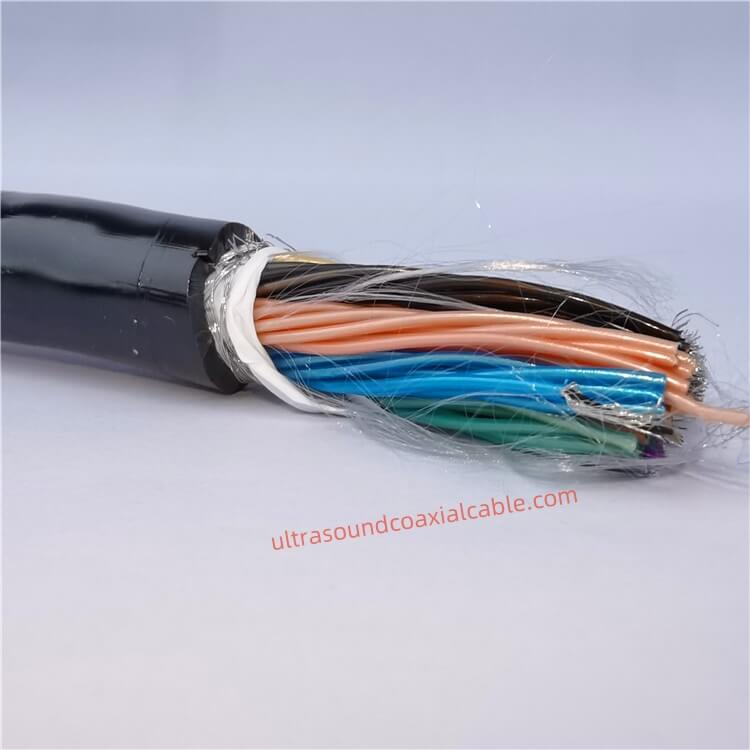
High-Performance Ultrasound Coaxial Cable Assembly: 42AWG to 30AWG, 6.6mm OD, 18GHz Bandwidth Engineered for precision in medical imaging and industrial applications, this customizable coaxial cable assembly delivers exceptional signal.
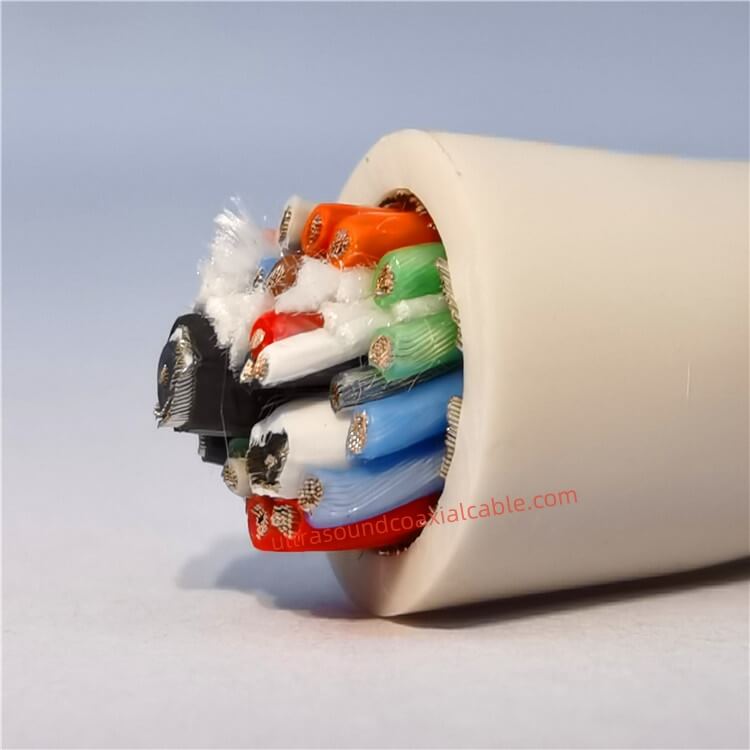
High-Precision 138-Core Medical Ultrasound Coaxial Cables | 0.2mm Ultra-Fine Biocompatible Design for Diagnostic Imaging Product Overview Engineered for advanced medical imaging systems, our 138-Core Medical Ultrasound Probe Coa.
Feel free to reach out to us for any inquiries or orders.