Ultrasound coaxial cables are critical components in non-destructive testing (NDT) systems used across industrial sectors where high-pressure conditions are prevalent.… - Professional Ultrasound Coaxial Cable Solutions
Learn more about, latest news, frequently asked questions
Ultrasound coaxial cables are critical components in non-destructive testing (NDT) systems used across industrial sectors where high-pressure conditions are prevalent. These specialized cables transmit high-frequency signals between ultrasound instruments and transducers, enabling flaw detection, thickness gauging, and material characterization in challenging environments including underwater testing, oil and gas pipeline inspections, and high-temperature manufacturing processes. The unique construction of these cables ensures signal integrity when conventional cables would fail, making them indispensable for safety-critical applications.
Ultrasound coaxial cables feature a sophisticated layered design engineered to maintain signal integrity under extreme conditions. At the core is a silver-plated copper alloy conductor (typically 38 AWG) that provides optimal signal transmission with minimal electrical resistance. This conductor is surrounded by fluoropolymer insulation that offers excellent dielectric properties and thermal stability. The cable incorporates multiple shielding layers—usually a combination of spiral shielding (90% coverage minimum) and braid shielding (85% nominal coverage)—that provide superior protection against electromagnetic interference. Finally, a robust PVC or polyurethane outer sheath protects against mechanical stress, chemicals, and moisture ingress .
What sets high-pressure industrial cables apart are enhancements like tinned copper conductors for corrosion resistance, PTFE or FEP insulation for high-temperature performance, and additional armored layers for mechanical protection. These construction features enable the cables to withstand pressures encountered in deep-sea applications, underground testing, and high-pressure vessel inspections while maintaining signal integrity .
Industrial applications subject ultrasound coaxial cables to extreme conditions that can compromise performance. Pressure fluctuations present perhaps the most significant challenge, as they can cause microscopic deformations in cable materials, leading to impedance changes and signal reflection. In subsea testing or deep borehole applications, cables must withstand hydrostatic pressure exceeding 5,000 psi while maintaining electrical characteristics. The oil and gas industry faces particularly harsh conditions, with ultrasonic testing equipment deployed in downhole environments where temperatures can exceed 150°C and pressures reach 20,000 psi .
Mechanical stress represents another significant challenge. Cables used in automated inspection systems undergo continuous flexing, while those in portable testing equipment face repeated coiling and uncoiling. In manufacturing settings, cables may be exposed to crushing forces from heavy equipment or tension from overhead deployment. Additionally, chemical exposure from industrial solvents, hydraulic fluids, or seawater can degrade standard cable materials, leading to premature failure .
Electromagnetic interference in industrial settings with high-power machinery can introduce noise that obscures critical test data. Furthermore, temperature extremes affect material properties, with standard cables experiencing performance degradation above 80°C, while specialized versions can operate reliably at temperatures up to 200°C .
Compliance with industry standards is non-negotiable for ultrasound coaxial cables in critical industrial applications. IEC 60601 standards govern electrical safety for equipment used in testing, while IEC 61196 addresses requirements for coaxial cables in demanding environments. The ASTM F2945-20 standard specifies that ultrasound cables must withstand at least 10,000 flex cycles without signal degradation, a critical requirement for automated scanning systems .
For marine and defense applications, MIL-C-17/85-001 certification ensures cables meet U.S. military specifications for saltwater resistance and durability. RoHS and REACH compliance demonstrates that cables are free from hazardous substances, an increasingly important consideration for environmentally conscious industries. Cables bearing these certifications have undergone rigorous testing for performance under extreme conditions, providing assurance of reliability in critical applications .
Manufacturers like FRS have developed proprietary testing protocols that exceed these baseline standards, subjecting cables to accelerated aging tests that simulate years of service in harsh conditions. This commitment to validation gives engineers confidence when specifying components for safety-critical systems where failure is not an option .
The oil and gas sector represents the most demanding application for high-pressure ultrasound coaxial cables. Pipeline inspection gauges (PIGs) use ultrasonic testing to detect wall thickness variations and potential failures while operating at pressures up to 2,000 psi. These tools rely on cables that can maintain impedance stability despite crushing pressures and exposure to crude oil residues. For downhole logging, cables must withstand extreme temperatures and pressures while transmitting high-frequency signals over lengths exceeding 5,000 meters. The Permian Basin shale fields have seen a 9% annual increase in ultrasonic NDT equipment sales, directly correlating with demand for specialized coaxial solutions .
In aerospace, components undergo high-pressure testing to simulate flight conditions. Ultrasound coaxial cables connect transducers to imaging systems that inspect turbine blades, airframe components, and rocket nozzles for microscopic flaws. The automotive industry employs similar techniques for testing fuel injection systems and engine blocks, where pressures can exceed 10,000 psi. With the advancement of autonomous vehicles, ultrasonic sensors in ADAS (Advanced Driver Assistance Systems) require cables that maintain performance across -40°C to 125°C thermal cycles, creating new demands for automotive-grade ultrasound coaxial solutions .
The wind energy sector uses ultrasonic testing for monitoring turbine blade integrity, with cables resistant to vibration and moisture critical for reliable operation. As wind energy capacity is projected to double by 2030, maintenance protocols mandating regular ultrasonic checks will drive sustained cable demand. In the marine energy sector, underwater cables must withstand immense pressures while inspecting tidal turbine components and submarine power transmission systems .
Deep-sea exploration presents unique challenges, with ROVs (remotely operated vehicles) using ultrasound coaxial cables for structural inspections at depths where pressures exceed 5,000 psi. These applications require cables with specialized armor and pressure-compensated designs to prevent collapse. The offshore oil industry relies on similar technology for underwater pipeline inspections, where cables must resist saltwater corrosion while maintaining signal integrity over long distances .
Selecting the appropriate ultrasound coaxial cable requires careful attention to technical specifications that dictate performance under pressure:
FRS high-pressure ultrasound coaxial cables exceed these baseline specifications with proprietary designs that maintain capacitance below 110 pF/m and characteristic impedance of 50Ω±1Ω even under extreme conditions. This precision engineering ensures accurate signal transmission when marginal performance differences could lead to costly errors .
Proper installation is critical for maximizing the service life and performance of ultrasound coaxial cables in high-pressure applications. Bend radius management deserves particular attention—cables should never be bent tighter than six times their outer diameter, with semi-rigid types requiring even gentler curves. In pressure cycling applications, proper strain relief at connection points prevents conductor fatigue, a common failure mode. Using curved rather than right-angle connectors significantly reduces stress at these critical junctions .
Connector selection profoundly impacts performance in pressurized systems. Connectors must match the cable’s impedance characteristics while providing environmental sealing adequate for the application. For underwater use, IP68 or IP69K-rated connectors prevent moisture ingress that could compromise signal integrity under pressure. In high-vibration environments, triple-start threaded connectors provide more secure mating than bayonet-style alternatives .
Cable routing should avoid sharp edges and high-wear areas, with additional protection provided where cables pass through bulkheads or pressure boundaries. In permanent installations, pressure-balanced termination chambers equalize stress on cable ends, while in portable systems, proper coiling techniques prevent kinking that could create failure points. Implementing these practices with FRS engineered solutions significantly reduces installation-related failures, with documented field performance showing 30% longer service life compared to industry averages .
The ultrasound coaxial cable market is evolving rapidly to meet increasing demands from high-pressure industries. Composite shielding materials combining traditional metals with nanomaterials show promise for enhancing EMI protection while reducing cable weight and increasing flexibility. Advanced fluoropolymers with enhanced temperature resistance and lower dielectric constants are enabling higher frequency operation with reduced signal loss. The market for these advanced materials is growing at 6.8% CAGR through 2030, driven by demand from the oil and gas, aerospace, and renewable energy sectors .
Miniaturization trends are producing micro-coaxial cables with sub-1.2mm diameters while maintaining 50Ω impedance stability, crucial for inspecting complex components with limited access. Simultaneously, developments in armored cable technology are enabling operation at greater depths and pressures, with some new designs rated for 15,000 psi—sufficient for the most challenging deep-sea applications .
The integration of smart monitoring capabilities represents another frontier, with some manufacturers developing cables with embedded sensors that provide real-time feedback on performance under pressure. These innovations align with Industry 4.0 principles, where predictive maintenance data from inspection equipment itself enhances overall system reliability. As pressure testing requirements become more stringent across industries, ultrasound coaxial cables will continue evolving to meet these challenges, with companies like FRS investing heavily in R&D to push performance boundaries further .
The strategic implementation of ultrasound coaxial cables in high-pressure industrial applications requires careful consideration of environmental factors, material properties, and industry standards. By selecting cables engineered specifically for extreme conditions and following best practices for installation and maintenance, engineers can ensure reliable performance when failure is not an option.
Discover our most popular furniture pieces that are loved by customers worldwide.
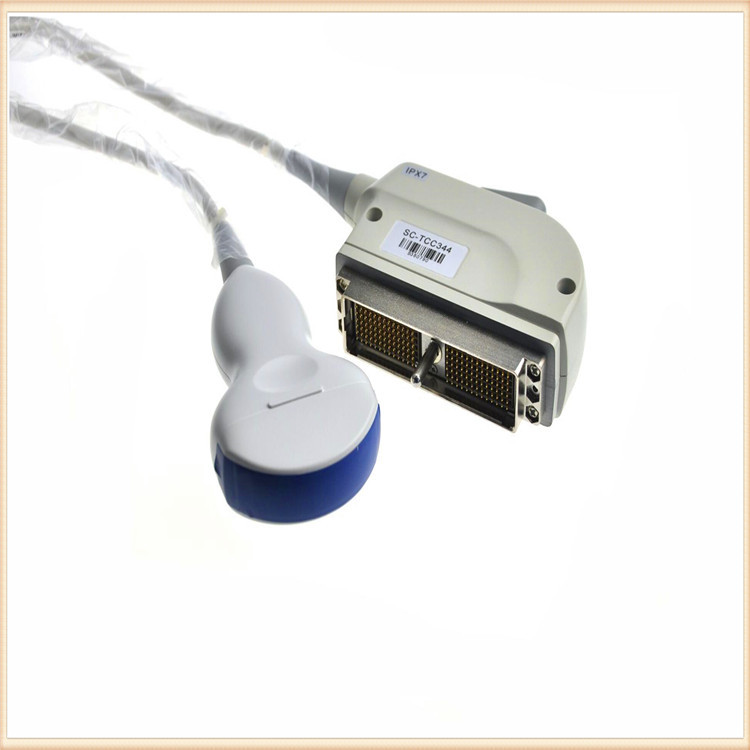
High-Performance Military Ultrasound Coaxial Cables: Built for Extreme Conditions Designed to meet the demanding requirements of military, aerospace, and medical applications, our Military-Grade Ultrasound Coaxial Cables deliver except.

High-Performance Flexible Coaxial Cable for Medical Imaging & Ultrasound Systems Designed for demanding applications in medical imaging, industrial diagnostics, and high-frequency signal transmission, this ultra-flexible coaxial ca.
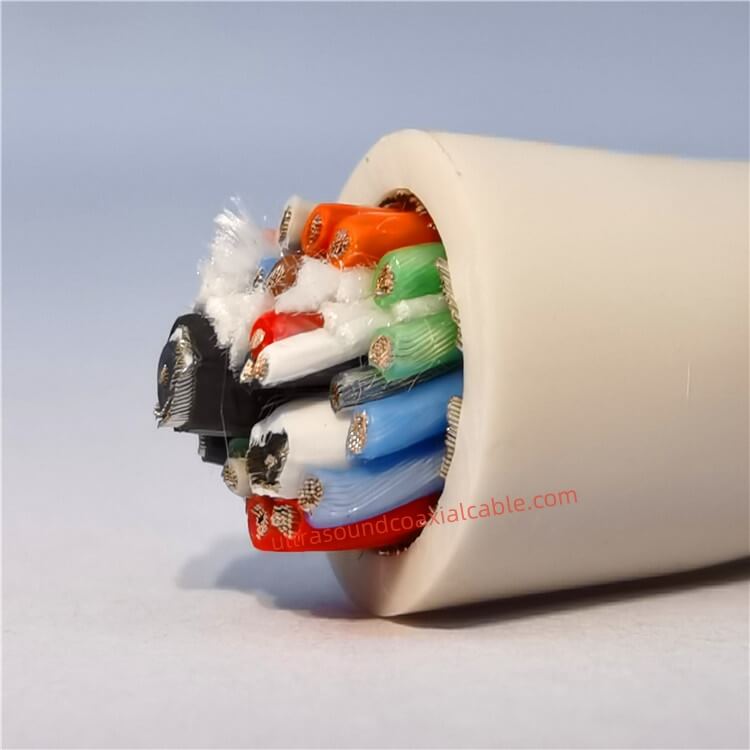
High-Precision 138-Core Medical Ultrasound Coaxial Cables | 0.2mm Ultra-Fine Biocompatible Design for Diagnostic Imaging Product Overview Engineered for advanced medical imaging systems, our 138-Core Medical Ultrasound Probe Coa.

Ultra-Flexible 42AWG Medical-Grade Coaxial Cables for High-Precision Ultrasound Imaging Designed for demanding medical imaging applications, our Ultra-Flexible 42AWG Coaxial Cables deliver exceptional signal integrity, noise reduction,.
Feel free to reach out to us for any inquiries or orders.