Protecting Medical Ultrasound Coaxial Cables from EMI in Hospital Settings The Critical Challenge of EMI in Medical Imaging In modern… - Professional Ultrasound Coaxial Cable Solutions
Learn more about, latest news, frequently asked questions
Protecting Medical Ultrasound Coaxial Cables from EMI in Hospital Settings
In modern healthcare environments, medical ultrasound coaxial cables serve as the vital link between sensitive imaging equipment and the diagnostic data that guides patient care. These specialized cables face a constant threat from electromagnetic interference (EMI) generated by the dense concentration of electronic devices found throughout hospital settings. From MRI machines to patient monitoring systems, these devices create an electrically noisy environment that can significantly degrade ultrasound signal quality, resulting in image artifacts, misdiagnosis, and compromised patient safety .
The challenge is particularly acute in intensive care units and surgical suites where multiple life-sustaining devices operate simultaneously. Without proper protection, electromagnetic emissions from adjacent equipment can infiltrate ultrasound systems, distorting the high-frequency signals essential for producing accurate diagnostic images. Understanding and implementing effective shielding strategies is therefore not just a technical consideration but a fundamental requirement for ensuring diagnostic reliability .
Medical-grade coaxial cables differ significantly from standard commercial counterparts. They feature a specialized layered construction designed specifically for the demanding healthcare environment. At their core, ultrasound coaxial cables typically incorporate a conductor made from silver-copper alloy, chosen for its superior electrical conductivity which ensures minimal signal loss during transmission. This conductor is surrounded by FEP (Fluorinated Ethylene Propylene) insulation, providing exceptional dielectric strength while resisting chemicals commonly used in medical disinfection protocols .
The critical differentiator for medical applications is the shielding system. Unlike single-shield designs, high-performance ultrasound coaxial cables typically employ a double-shielded approach combining both foil and braided shielding technologies. The inner shield often consists of Al Pet (Aluminum-Polyethylene Terephthalate) tape that provides 100% coverage against high-frequency interference. This is complemented by an outer braided shield made from silver-plated copper (SPC) that defends against lower-frequency EMI while offering enhanced durability and flexibility .
This sophisticated construction enables medical coaxial cables to maintain signal integrity even when routed near potential sources of interference, such as electrosurgical units or wireless communication systems. The integrity of the shielding system is so critical that any gap or discontinuity can transform the cable into an antenna, either receiving environmental EMI or emitting noise that affects other sensitive medical equipment .
Foil shielding, typically constructed from aluminum or copper laminates, provides complete coverage of the cable core. This continuous barrier offers exceptional protection against high-frequency electromagnetic interference, making it particularly effective against the RF noise generated by wireless systems increasingly prevalent in modern hospitals. The foil construction creates a static barrier that achieves near-total isolation of the internal conductors from external fields. However, foil shields alone can be susceptible to physical damage during repeated flexing, which is why they are typically combined with braided shields in medical applications .
Braided shields consist of woven mesh patterns of bare or tinned copper wires, offering superior flexibility and physical resilience. While providing slightly less complete coverage than foil shields (typically 85-95%), braided designs excel at mitigating low to mid-frequency interference and offer significantly enhanced durability—a critical consideration for cables that undergo frequent movement and positioning during medical procedures. The braided approach also provides better conductivity for grounding purposes, which is essential for dissipating intercepted interference .
For ultrasound applications where signal integrity directly impacts diagnostic accuracy, combination shielding incorporating both foil and braided elements represents the optimal solution. This dual-layer approach can provide isolation from external noise exceeding 85 dB, effectively neutralizing most EMI threats encountered in hospital environments. The foil layer suppresses high-frequency interference, while the braided layer handles lower-frequency noise and provides mechanical protection. This comprehensive protection ensures that subtle ultrasound echoes, which carry crucial diagnostic information, remain uncontaminated by environmental electromagnetic noise .
Table: Shielding Effectiveness Comparison for Medical Coaxial Cables
| Shielding Type | EMI Protection Range | Flexibility | Durability | Typical Applications |
|---|---|---|---|---|
| Foil Shielding | Best for high-frequency | Limited | Moderate | Fixed installation areas |
| Braided Shielding | Best for low-mid frequency | Excellent | High | Mobile ultrasound units |
| Combination Shielding | Full spectrum protection | Good | High | Diagnostic imaging systems |
Even the most advanced shielded cable will underperform if improperly installed. Grounding integrity represents perhaps the most critical factor in effective EMI protection. The shield must be connected to a low-impedance ground point to safely dissipate intercepted interference currents. In medical systems, this typically means establishing a single-point ground connection at the equipment end to prevent ground loops—a common source of low-frequency interference that manifests as horizontal bands or noise in ultrasound images .
Cable routing presents another crucial consideration. Medical coaxial cables should be physically separated from potential interference sources whenever possible. When cables must cross areas with high EMI levels, maintaining sufficient distance from power cables is essential—at least 12 inches where feasible. Sharp bends should be avoided as they can compromise shield integrity, particularly with foil-based designs. Instead, cables should be routed with gradual curves that maintain the shield’s continuous protective barrier around the central conductor .
Connector selection and termination also significantly impact shielding effectiveness. Medical-grade connectors designed for shielded cables maintain the shield’s continuity at connection points, which are otherwise potential vulnerability points. The 360-degree termination approach, where the shield is securely connected around the entire connector circumference, prevents gaps that could allow EMI infiltration. This attention to termination detail is especially important in ultrasound systems where connectors are frequently engaged and disengaged during clinical use .
At FRS, our engineering philosophy recognizes that effective EMI protection requires a holistic approach to cable design. Our medical ultrasound coaxial cables incorporate several proprietary technologies that extend beyond conventional shielding methods. The FRS Continuous Shield Technology ensures that both foil and braided shield layers maintain uninterrupted coverage throughout the cable’s entire length, including at flex points that typically represent vulnerability points in conventional designs.
We’ve also addressed the fundamental conflict between shielding effectiveness and cable flexibility. Through advanced materials science, FRS has developed Flex-Shield, a proprietary shielding configuration that maintains 98% coverage even when the cable is bent at extreme angles. This breakthrough is particularly valuable in intraoperative ultrasound applications where cables must navigate tight spaces without compromising image quality .
Our commitment to innovation extends to connector design as well. FRS EMI-Shielded Connectors feature integrated filtering that suppresses interference at the cable-to-equipment interface—a point particularly vulnerable to high-frequency noise infiltration. This added protection is especially valuable in environments crowded with wireless devices operating in the 2.4GHz and 5GHz bands, which can introduce artifacts into ultrasound images .
Medical coaxial cables must comply with stringent regulatory standards that extend beyond basic electrical safety. ISO 13485 certification specifically addresses the quality management systems required for medical device manufacturing, ensuring consistent performance and reliability. Additionally, medical cables typically require UL/CSA certification and often need to meet IEC 60601-1-2 standards for electromagnetic compatibility of medical electrical equipment .
The regulatory landscape continues to evolve as wireless technologies become more embedded in healthcare environments. FRS maintains proactive compliance monitoring, ensuring our products not only meet current requirements but anticipate future regulatory trends. Our medical ultrasound coaxial cables undergo rigorous testing that exceeds basic compliance requirements, including extended flex-cycle testing while monitoring shielding effectiveness—a test protocol that simulates years of clinical use .
The practical value of effective EMI protection becomes most apparent in challenging clinical environments. In cardiac catheterization labs, for instance, ultrasound systems must operate flawlessly alongside fluoroscopy equipment that generates significant electromagnetic noise. FRS double-shielded coaxial cables have demonstrated consistent performance in these environments, maintaining signal integrity where conventional cables produce significant artifacts that obscure critical cardiac structures .
Similarly, in portable ultrasound applications used in emergency departments and intensive care units, cables are frequently draped across or near other medical equipment. Without robust shielding, these cables would both suffer from and contribute to electromagnetic interference. FRS shielding technology ensures that our cables neither emit nor accept disruptive interference, supporting the critical principle of electromagnetic compatibility in shared clinical spaces .
The temperature resistance of medical coaxial cables also plays a role in their EMI performance over time. FRS cables are rated for continuous operation at temperatures up to 200°C, ensuring that shielding integrity remains uncompromised during repeated sterilization cycles. This thermal resilience prevents the degradation of shielding materials that can occur in conventional cables subjected to autoclave sterilization, maintaining consistent EMI protection throughout the product’s service life .
Table: Performance Specifications of Medical Ultrasound Coaxial Cables
| Parameter | Standard Medical Cable | FRS Enhanced Shielded Cable | Clinical Significance |
|---|---|---|---|
| Shielding Effectiveness | 70-80 dB | >85 dB | Clearer images in EMI-rich environments |
| Impedance | 50Ω ±5Ω | 50Ω ±2Ω | Reduced signal reflection artifacts |
| Operating Temperature | -30°C to 150°C | -50°C to 200°C | Withstands aggressive sterilization |
| Minimum Bend Radius | 10x cable diameter | 5x cable diameter | Easier positioning in tight spaces |
| Flex Life | 10,000 cycles | 25,000 cycles | Longer service life in mobile applications |
As medical technology continues to advance, the demands on ultrasound coaxial cables will only intensify. Higher resolution imaging requires broader signal bandwidths, making these signals increasingly vulnerable to EMI. The trend toward higher operating frequencies in ultrasound systems (now extending beyond 15MHz for specialized applications) necessitates even more effective shielding strategies, as these higher-frequency signals are more susceptible to degradation from environmental electromagnetic noise .
The integration of wireless connectivity directly into ultrasound systems introduces another dimension to the EMI challenge. While convenient for data transfer, these wireless systems represent additional potential sources of interference that must be considered in cable shielding design. FRS addresses this through frequency-selective shielding techniques that provide enhanced protection in specific frequency bands used by common wireless protocols without compromising the cable’s flexibility or durability .
Looking ahead, the evolution of medical IoT devices will further congest the electromagnetic spectrum within healthcare facilities. Proactive shielding approaches that anticipate these developments will become increasingly essential for maintaining diagnostic image quality. FRS continues to invest in shielding research that addresses not just current EMI challenges but those emerging on the technological horizon, ensuring that our medical coaxial cables provide reliable performance throughout their service life in increasingly complex electromagnetic environments .
The protection of medical ultrasound coaxial cables from EMI represents a critical intersection of materials science, electromagnetic theory, and practical clinical engineering. Through sophisticated shielding technologies, proper installation practices, and ongoing innovation, FRS delivers cables that maintain signal integrity in the most challenging hospital environments. As medical imaging continues to advance, the importance of effective EMI protection will only grow—making informed cable selection an essential component of diagnostic system performance and, ultimately, patient care quality.
Discover our most popular furniture pieces that are loved by customers worldwide.
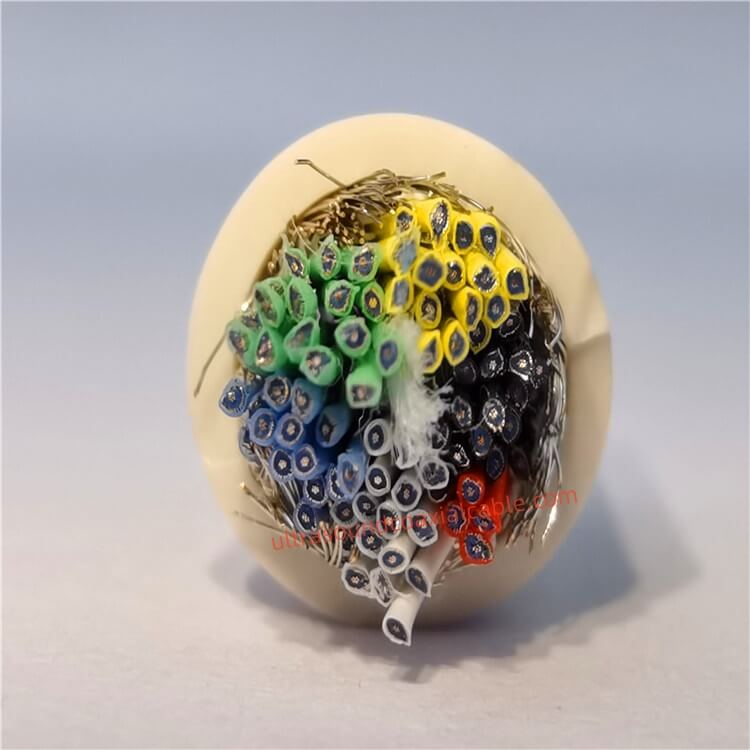
Product OverviewThe Ultrasound Coaxial Cable is a specialized cable engineered to deliver ultra-low signal loss, exceptional shielding, and unmatched durability in critical environments. Designed for medical imaging, industrial testi.

High-Performance Flexible Coaxial Cable for Medical Imaging & Ultrasound Systems Designed for demanding applications in medical imaging, industrial diagnostics, and high-frequency signal transmission, this ultra-flexible coaxial ca.
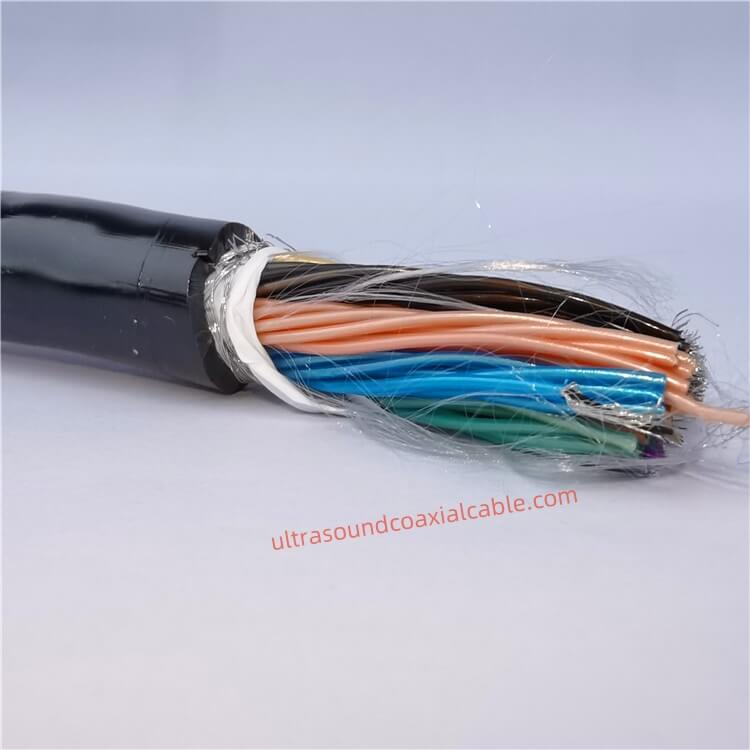
High-Performance Ultrasound Coaxial Cable Assembly: 42AWG to 30AWG, 6.6mm OD, 18GHz Bandwidth Engineered for precision in medical imaging and industrial applications, this customizable coaxial cable assembly delivers exceptional signal.
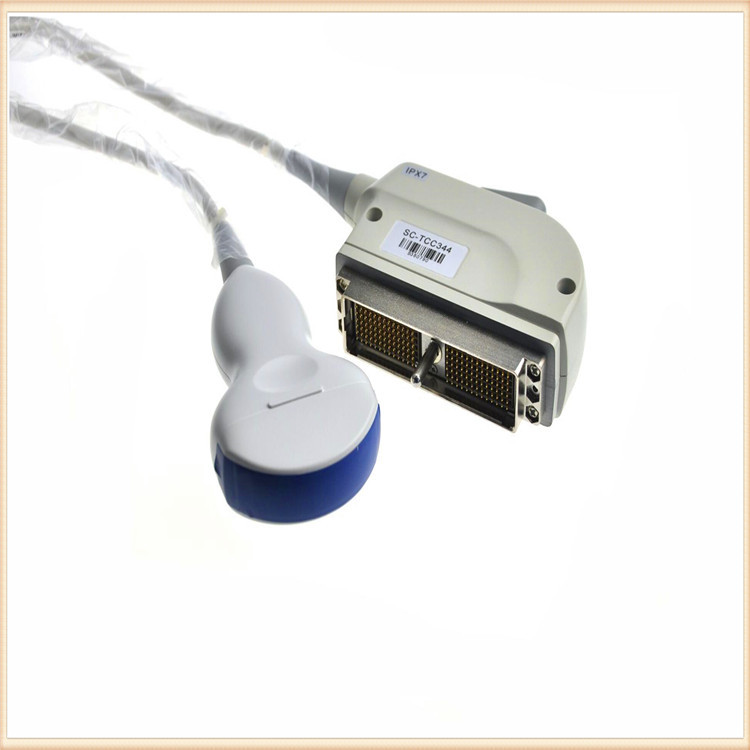
High-Performance Military Ultrasound Coaxial Cables: Built for Extreme Conditions Designed to meet the demanding requirements of military, aerospace, and medical applications, our Military-Grade Ultrasound Coaxial Cables deliver except.
Feel free to reach out to us for any inquiries or orders.