How to prevent corrosion on ultrasound coaxial cables? | High-Quality Ultrasound Coaxial Cable | ultrasound coaxial cable Manufacturer & Factory-FRS

How to prevent corrosion on ultrasound coaxial cables?

Title: Ultimate Guide to Protecting Ultrasound Coaxial Cables from Corrosion​ Ultrasound coaxial cables are critical components in medical imaging, industrial… - Professional Ultrasound Coaxial Cable Solutions

Information

Learn more about, latest news, frequently asked questions

Title: Ultimate Guide to Protecting Ultrasound Coaxial Cables from Corrosion

Ultrasound coaxial cables are critical components in medical imaging, industrial diagnostics, and precision equipment. However, corrosion can degrade their performance, leading to signal loss, image distortion, or even complete failure. Whether you’re maintaining hospital equipment or industrial machinery, preventing corrosion ensures long-term reliability. Below, we break down actionable strategies to safeguard these cables, along with insights into high-performance solutions like ​FRS coaxial cables​ designed to resist corrosion.


1. Choose Corrosion-Resistant Materials

The foundation of corrosion prevention lies in material selection. Look for cables built with:

  • Stainless Steel or Nickel-Plated Connectors: These materials resist oxidation and moisture. For example, FRS coaxial cables use ​nickel-plated connectors​ to minimize rust in humid environments .
  • Polyurethane (PUR) Jackets: PUR is inherently resistant to oils, solvents, and UV exposure. Medical-grade cables often incorporate PUR to withstand repeated sterilization .
  • Shielded Braids: Braided copper shields protect inner conductors from electromagnetic interference (EMI) and physical abrasion, reducing corrosion risks caused by signal leakage .

FRS Advantage: Their cables combine PUR jackets with reinforced shielding, making them ideal for harsh environments like surgical units or outdoor industrial setups.


2. Daily Maintenance: Cleanliness is Key

Dirty connectors and exposed cables invite corrosion. Adopt these habits:

  • Wipe with Neutral Cleaners: Use a damp cloth soaked in mild soap or isopropyl alcohol (70% concentration) to clean connectors. Avoid harsh chemicals that degrade seals .
  • Dry Thoroughly: After cleaning, pat cables dry with a lint-free cloth. Residual moisture accelerates rust formation.
  • Avoid Submerging Cables: Even waterproof connectors can fail if submerged repeatedly. Use strain relief boots to prevent water ingress .

Pro Tip: For medical applications, FRS cables feature ​biocompatible materials​ that tolerate alcohol-based disinfectants without cracking .


3. Control Environmental Factors

External conditions like humidity, temperature swings, and UV light accelerate corrosion. Mitigate these by:

  • Store in Dry, Cool Spaces: Keep spare cables in airtight containers with silica gel packs to absorb moisture. Ideal storage humidity: 30–50% .
  • Install UV Protectors: For outdoor cables, use UV-resistant sleeves or conduit to block sunlight. FRS’s ​weatherproof cables​ include UV-blocking additives in their jackets .
  • Avoid Extreme Temperatures: Keep cables away from heat sources (e.g., radiators) or freezing zones. PUR and silicone jackets handle temperatures from -40°C to +105°C .

4. Handle Cables with Care

Physical stress weakens shielding and exposes internal wires:

  • Avoid Sharp Bends: Use cable management systems (e.g., Velcro straps) to maintain gentle curves. Sharp bends kink conductors, creating entry points for moisture .
  • Secure Cables Properly: Anchor cables to walls or equipment using clamps. Loose cables drag on surfaces, wearing down jackets and connectors.
  • Protect During Transport: For portable ultrasound devices, use padded carrying cases to prevent abrasion during transit.

FRS Innovation: Their cables include ​flexible yet durable micro-coaxial designs, minimizing stress during movement in medical or robotic applications .


5. Regular Inspection and Replacement

Preventive checks catch early signs of corrosion:

  • Visual Inspections: Look for cracked jackets, rust on connectors, or frayed shielding. Address issues immediately to avoid escalation.
  • Test Signal Integrity: Use a multimeter to check for continuity. Signal drops or noise often indicate internal corrosion .
  • Replace Aged Cables: Even well-maintained cables degrade over time. Replace cables older than 5–7 years, especially in high-stress environments.

Why FRS Stands Out in Corrosion Resistance

FRS coaxial cables are engineered for durability:

  • Military-Grade Standards: Rigorous testing ensures performance in extreme conditions, from hospital autoclaves to outdoor machinery.
  • Custom Solutions: Need a cable for MRI machines or underwater sensors? FRS offers bespoke designs with corrosion-resistant materials .
  • Cost-Effective Longevity: Their cables reduce replacement frequency, saving time and budget.

Final Checklist for Corrosion Prevention

  1. Clean connectors monthly with alcohol-free solutions.
  2. Store cables in dry, UV-shielded areas.
  3. Inspect cables before and after use.
  4. Invest in high-quality, corrosion-resistant cables like FRS.

By combining smart material choices, proper handling, and proactive maintenance, you can extend the lifespan of ultrasound coaxial cables and avoid costly downtime. For industries demanding reliability, ​FRS coaxial cables​ provide the ultimate defense against corrosion.


Need custom cables for your application? Contact FRS today to discuss corrosion-resistant solutions tailored to your needs.

Hot Selling Products

Discover our most popular furniture pieces that are loved by customers worldwide.
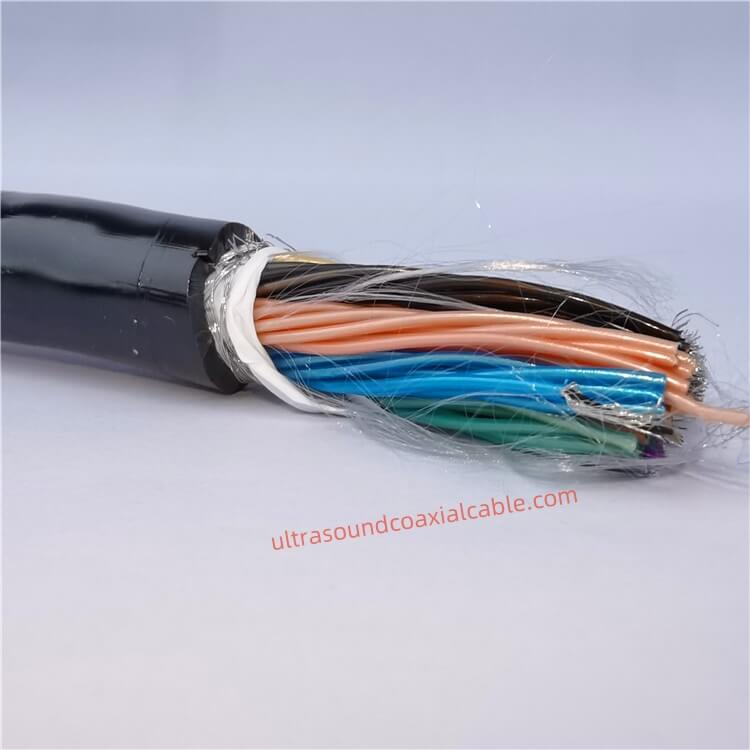
Customizable Ultrasound Coaxial Cable Assembly – 42AWG to 30AWG, 6.6mm OD, 18GHz Bandwidth

Customizable Ultrasound Coaxial Cable Assembly – 42AWG to 30AWG, 6.6mm OD, 18GHz Bandwidth

High-Performance Ultrasound Coaxial Cable Assembly: 42AWG to 30AWG, 6.6mm OD, 18GHz Bandwidth Engineered for precision in medical imaging and industrial applications, this customizable coaxial cable assembly delivers exceptional signal.

Ultra-Flexible Coaxial Cable for Ultrasound Transducers – 44AWG, 0.15dB/m Attenuation at 1GHz

Ultra-Flexible Coaxial Cable for Ultrasound Transducers – 44AWG, 0.15dB/m Attenuation at 1GHz

High-Performance Flexible Coaxial Cable for Medical Imaging & Ultrasound Systems Designed for demanding applications in medical imaging, industrial diagnostics, and high-frequency signal transmission, this ultra-flexible coaxial ca.
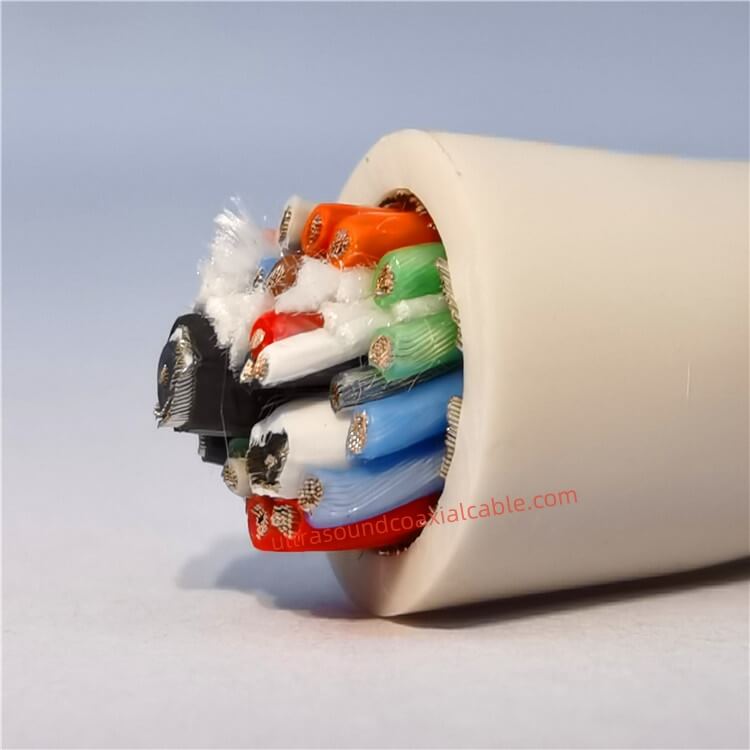
138-Core Medical Ultrasound Probe Coaxial Cable with 0.2mm Diameter – Biocompatible & FDA-Certified

138-Core Medical Ultrasound Probe Coaxial Cable with 0.2mm Diameter – Biocompatible & FDA-Certified

High-Precision 138-Core Medical Ultrasound Coaxial Cables | 0.2mm Ultra-Fine Biocompatible Design for Diagnostic Imaging Product Overview Engineered for advanced medical imaging systems, our 138-Core Medical Ultrasound Probe Coa.
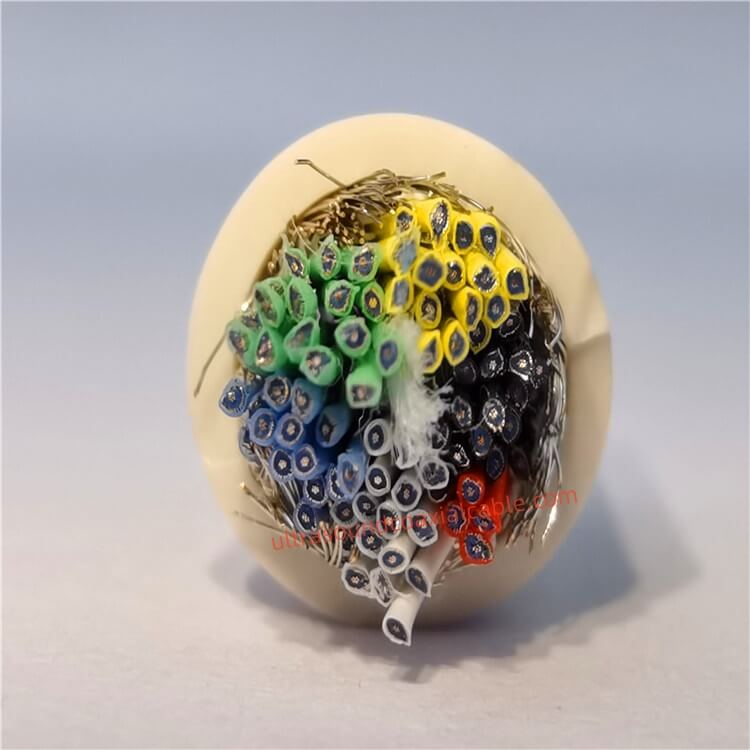
Ultrasound Coaxial Cable|High-Performance Signal Transmission for Precision Applications

Ultrasound Coaxial Cable|High-Performance Signal Transmission for Precision Applications

‌‌Product Overview‌The ‌Ultrasound Coaxial Cable‌ is a specialized cable engineered to deliver ultra-low signal loss, exceptional shielding, and unmatched durability in critical environments. Designed for medical imaging, industrial testi.

Contact Us

Feel free to reach out to us for any inquiries or orders.

Call Us

Have a question? Give us a call!

                   +8618818785005(Whatsapp)

Email Us

Send us an email and we'll get back to you soon.

sales@custom-cable-assemblies.com
       
Home Products Contact