The global ultrasound coaxial cable market is poised for steady growth, with projections indicating a compound annual growth rate (CAGR)… - Professional Ultrasound Coaxial Cable Solutions
Learn more about, latest news, frequently asked questions
The global ultrasound coaxial cable market is poised for steady growth, with projections indicating a compound annual growth rate (CAGR) of approximately 4.6% through 2030. This growth trajectory reflects the increasing demand for high-performance signal transmission solutions across medical imaging, industrial non-destructive testing (NDT), and emerging applications in automotive safety and renewable energy infrastructure. The market, currently valued at around 500millionin2025,isexpectedtoreachapproximately850 million by 2033, driven by technological advancements, expanding healthcare infrastructure, and the rising prevalence of chronic diseases requiring diagnostic imaging.
The ultrasound coaxial cable market’s expansion is underpinned by several key factors. The medical imaging sector remains the primary driver, accounting for over 60% of global production. The increasing adoption of portable and handheld ultrasound devices, which grew by 12% annually between 2020-2023, has created sustained demand for ultrathin, flexible coaxial cables that maintain performance while reducing weight and size. This trend is particularly pronounced in emergency care and rural healthcare settings where fixed systems are impractical.
Industrial NDT applications represent another significant growth segment, with ultrasonic flaw detection systems used in oil and gas pipelines, aerospace component inspections, and automotive manufacturing. These applications require rugged coaxial cables capable of operating in extreme temperatures and harsh environments. The industrial NDT equipment market recorded a 9% year-on-year increase in 2023, directly correlating with cable demand.
Emerging applications in automotive safety systems and renewable energy infrastructure are creating new demand vectors. Advanced driver-assistance systems (ADAS) utilize ultrasonic sensors for parking assistance and collision avoidance, with each vehicle typically incorporating 8-12 sensors. The global ADAS market, expected to reach $67 billion by 2027, relies on specialized coaxial cables with enhanced EMI shielding. Similarly, wind turbine blade inspections and solar farm structural integrity assessments are increasingly adopting portable ultrasonic devices, expanding cable utilization beyond traditional sectors.
Ultrasound coaxial cables are engineered to transmit high-frequency signals (typically 1MHz-100MHz) with minimal signal loss and maximum reliability. Key technical parameters include impedance matching (50Ω or 75Ω), low attenuation (<0.5 dB/m at 50MHz), and advanced shielding technology. Triple-layer shielding combining braided copper, foil, and dielectric insulation provides 90%+ shielding efficiency, making these cables suitable for environments with high electromagnetic interference.
The industry adheres to stringent international standards to ensure performance and safety. IEC 60966-4-4:2025 governs radio frequency and coaxial cable assemblies, specifying requirements for semi-rigid coaxial cables operating up to 6,000 MHz. Medical applications require compliance with IEC 60601-1 for electrical safety, ISO 13485 for quality management systems, and ISO 10993-5 for biocompatibility testing of patient-contact materials. Additionally, RoHS and REACH compliance ensures restricted substance limitations are met.
High-performance cables like the SHV-SHV 3 meter standard demonstrate the technical capabilities available in the market. These cables feature impedance-matched design (50Ω±1Ω @20MHz-6GHz), triple-layer shielding with 120dB EMI attenuation, and medical-grade materials compliant with ISO 10993-5. Key performance metrics include insertion loss <0.3dB/m @5MHz, VSWR ≤1.15:1 up to 3GHz, and phase stability ±0.5° over 10,000 flex cycles.
Medical imaging represents the largest application segment for ultrasound coaxial cables. These cables connect ultrasound probes to consoles for various diagnostic applications:
Cardiology: Compatible with 256-element phased array probes for cardiovascular imaging, including transesophageal and transthoracic echocardiography. The cables must maintain signal integrity during prolonged procedures while withstanding repeated sterilization cycles.
Radiology: Supports high-frequency linear transducers up to 18MHz for musculoskeletal and abdominal imaging. The cables enable 4K imaging quality while reducing probe weight by 30% compared to conventional designs, improving operator ergonomics during extended examinations.
Obstetrics and Gynecology: Used in portable ultrasound systems for prenatal care and gynecological examinations. These applications require cables with high flexibility and durability to withstand frequent movement and sterilization.
The industrial NDT sector relies on ultrasound coaxial cables for flaw detection in critical infrastructure:
Pipeline Inspections: Cables rated for temperatures up to 150°C are used in subterranean pipeline inspections, particularly in shale fields like the Permian Basin. These cables must maintain signal integrity in extreme temperature conditions while resisting mechanical stress.
Aerospace Component Testing: Ultrasonic testing of aircraft components requires cables with high temperature resistance and excellent phase stability to detect microscopic flaws in critical parts.
Automotive Manufacturing: Weld inspections and component testing in automotive production lines utilize rugged coaxial cables that can withstand industrial environments and repeated flexing.
The military sector contributes to demand through stringent quality requirements for equipment maintenance:
Naval Ship Hull Inspections: Ultrasonic testing of ship hulls and aircraft carriers requires cables meeting MIL-SPEC certifications for durability and signal precision. A 2022 defense procurement analysis highlighted a 15% annual rise in ultrasonic inspection tools for military maintenance programs.
Weapon Systems Maintenance: Regular ultrasonic inspections of weapon systems and armored vehicles drive demand for reliable coaxial cables that can operate in harsh field conditions.
Automotive ADAS Systems: Ultrasonic sensors in parking assistance and collision avoidance systems require specialized coaxial cables with enhanced EMI shielding. The global ADAS market’s growth directly increases cable consumption, with each vehicle typically incorporating 8-12 sensors.
Renewable Energy Infrastructure: Wind turbine blade inspections and solar farm structural assessments are increasingly adopting portable ultrasonic devices, creating new demand for cables resistant to vibration, moisture, and environmental extremes.
High-performance ultrasound coaxial cables offer several key advantages:
Low Attenuation: Optimized for high-frequency ultrasound waves (<0.5 dB/m at 50MHz) to maintain signal clarity and diagnostic accuracy. This is particularly critical for high-resolution imaging applications where signal degradation can compromise diagnostic confidence.
Impedance Matching: Standard 50Ω or 75Ω options ensure compatibility with ultrasound probes, transducers, and diagnostic equipment from leading manufacturers like Philips, GE Healthcare, and Siemens. Proper impedance matching minimizes signal reflections and maximizes power transfer.
Phase Stability: Advanced cable designs maintain phase stability (±0.5° over 10,000 flex cycles), ensuring consistent performance throughout the cable’s operational life. This is essential for applications requiring precise timing and phase relationships between multiple channels.
Flexibility and Bend Radius: Medical-grade cables feature bend radii ≤25mm (dynamic)/15mm (static), enabling easy handling during procedures without compromising signal integrity. Industrial models offer reinforced shielding and bend-resistant cores for harsh conditions.
Temperature Resistance: Operating temperature ranges from -40°C to +125°C for industrial applications, with medical-grade cables capable of withstanding autoclave sterilization up to 135°C. This thermal stability ensures reliable performance in diverse environmental conditions.
Tensile Strength: Cables designed for portable systems offer 3kg tensile strength for field use, reducing the risk of damage during transportation and deployment.
Medical-Grade Materials: Silicone or PUR outer jackets resist chemicals, abrasion, and repeated sterilization. Autoclavable options are available for applications requiring frequent cleaning and disinfection.
Fluoropolymer Insulation: Next-generation cables utilize fluoropolymer insulation, offering 20% higher flexibility compared to 2018 models while maintaining electrical performance. This addresses ergonomic needs in prolonged surgical procedures.
Customizable Configurations: Manufacturers offer multiple connector options (BNC, SMA, LEMO) and lengths (0.5m-30m), with custom impedance, shielding, and jacket materials to meet specific OEM requirements.
The ultrasound coaxial cable market faces significant supply chain challenges due to its reliance on specialized raw materials:
Copper and Aluminum Shortages: Disruptions in copper mining or trade restrictions can immediately increase production costs. Copper prices surged by 25% in 2021 due to supply chain bottlenecks and geopolitical tensions, directly elevating cable manufacturing costs.
Fluoropolymer Resin Disruptions: Pandemic-related lockdowns in 2022 disrupted the supply of fluoropolymer resins, a key insulation material, delaying production timelines by up to six months. This led to 15-20% price hikes for ultrasound coaxial cables in markets dependent on Chinese suppliers.
Logistical Inefficiencies: Port congestion and container shortages during the 2023 Red Sea shipping crisis increased freight costs for medical device components by 30%, compounding cost pressures on manufacturers.
High-Frequency Requirements: Next-generation ultrasound systems operating at higher frequencies require cables with lower signal attenuation, often necessitating rare materials like silver-plated copper. This increases manufacturing complexity and cost.
Miniaturization Demands: The trend toward smaller, more portable devices requires ultrathin cables (0.2mm diameter) without compromising signal integrity, presenting significant engineering challenges.
EMI/RFI Interference: Medical environments with multiple electronic devices create electromagnetic interference that can degrade signal quality, requiring advanced shielding solutions that add cost and complexity.
Medical Device Certification: Achieving ISO 13485 certification and CE marking under MDR requires substantial investment in quality management systems, technical documentation, and clinical evaluations. The timeline for CE marking can range from 6-36 months depending on device classification.
Regional Variations: Different markets have varying regulatory requirements, necessitating multiple certifications and compliance documentation, increasing time-to-market and development costs.
Post-Market Surveillance: Manufacturers must establish robust post-market surveillance systems, including vigilance reporting and periodic safety update reports, adding ongoing compliance costs.
Manufacturers are addressing market challenges through continuous technological advancement:
Advanced Shielding Technologies: Triple-layer shielding combining braided copper, foil, and dielectric insulation provides 90%+ shielding efficiency, effectively blocking EMI/RFI interference in noisy environments.
Material Science Breakthroughs: Fluoropolymer-insulated cables offer superior flexibility and temperature resistance, enabling thinner designs without performance compromise. These materials also provide better chemical resistance for sterilization processes.
Miniaturization Engineering: Ultra-thin cables (0.2mm diameter) with 138-core configurations support higher channel counts for advanced imaging systems while maintaining signal integrity.
Leading manufacturers are implementing strategies to mitigate supply chain risks:
Diversified Sourcing: Establishing multiple supplier relationships for critical raw materials reduces dependency on single sources and minimizes disruption risks.
Strategic Inventory Management: Maintaining safety stock levels for key components buffers against supply chain disruptions and ensures production continuity.
Localized Manufacturing: Establishing production facilities in key markets reduces logistical dependencies and transportation costs while improving responsiveness to regional demand.
Successful market players invest in comprehensive compliance frameworks:
ISO 13485 Certification: Implementing robust quality management systems demonstrates commitment to medical device quality and safety, facilitating market access and building customer confidence.
Global Certification Portfolio: Obtaining multiple regional certifications (CE, FDA, etc.) enables manufacturers to serve global markets efficiently and respond to diverse regulatory requirements.
Technical Documentation: Comprehensive documentation including material declarations, test reports, and clinical evaluations simplifies regulatory submissions for medical device manufacturers.
The global ultrasound coaxial cable market features a moderately concentrated landscape with key players including I-PEX, Junkosha, and Times Microwave Systems holding significant market share. However, specialized manufacturers have established strong positions through technological innovation and quality certifications.
FRS Competitive Advantages: With 15+ years of experience in medical-grade cables, FRS offers full compliance with global medical device standards, comprehensive customization capabilities, and a global service network spanning China, Europe, North America, and Southeast Asia. The company’s proven track record includes partnerships with leading brands like GE Healthcare and Siemens Healthineers.
The market is characterized by increasing channel counts (198-core or higher configurations), material innovations offering 20% higher flexibility, and hybrid designs combining multiple cable types within single jackets. The Asia-Pacific region shows particularly strong growth (12.5% CAGR), driven by healthcare infrastructure expansion and creating demand for cables that balance performance with cost-effectiveness.
The convergence of broadband expansion and medical innovation positions ultrasound coaxial cables as a cornerstone of next-generation healthcare. Key trends shaping the industry include:
AI Integration: Smart cables with embedded sensors enable real-time data analytics and predictive maintenance, enhancing system reliability and diagnostic capabilities.
Sustainability Initiatives: Recyclable materials and eco-friendly manufacturing processes address growing environmental regulations and customer preferences for sustainable products.
Continued Miniaturization: Demand for smaller, more portable devices drives ongoing innovation in cable design and manufacturing processes.
High-Frequency Applications: Support for 4K and 8K ultrasound imaging requires cables with superior bandwidth and signal integrity characteristics.
Global Market Expansion: Increasing access to healthcare in developing economies creates new growth opportunities, particularly in regions with expanding healthcare infrastructure.
The ultrasound coaxial cable market’s projected 4.6% CAGR through 2030 reflects the critical role these components play in enabling advanced diagnostic imaging and industrial testing applications. As technology continues to evolve and new applications emerge, manufacturers that prioritize innovation, quality, and regulatory compliance will be well-positioned to capitalize on the market’s growth potential.
Discover our most popular furniture pieces that are loved by customers worldwide.
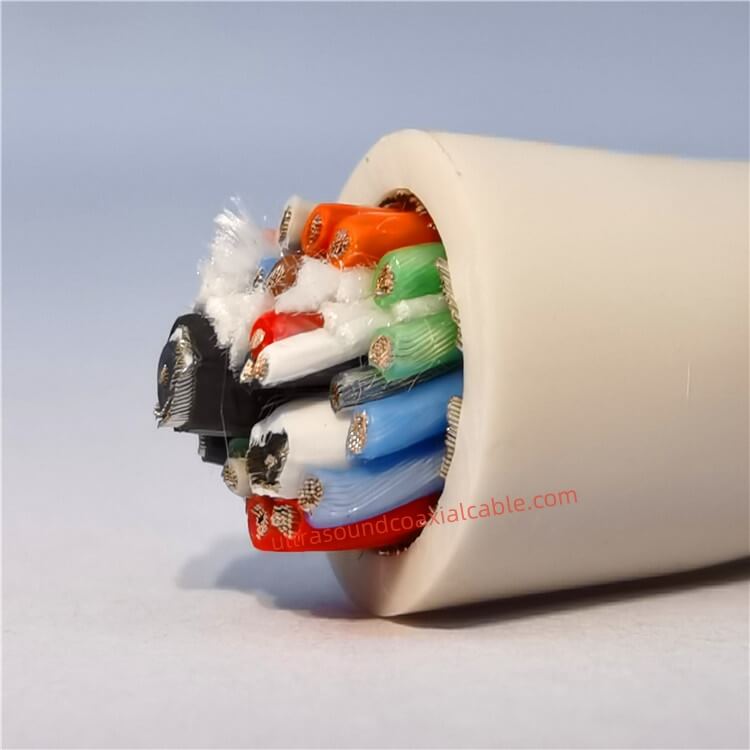
High-Precision 138-Core Medical Ultrasound Coaxial Cables | 0.2mm Ultra-Fine Biocompatible Design for Diagnostic Imaging Product Overview Engineered for advanced medical imaging systems, our 138-Core Medical Ultrasound Probe Coa.

Ultra-Flexible 42AWG Medical-Grade Coaxial Cables for High-Precision Ultrasound Imaging Designed for demanding medical imaging applications, our Ultra-Flexible 42AWG Coaxial Cables deliver exceptional signal integrity, noise reduction,.

High-Performance Flexible Coaxial Cable for Medical Imaging & Ultrasound Systems Designed for demanding applications in medical imaging, industrial diagnostics, and high-frequency signal transmission, this ultra-flexible coaxial ca.
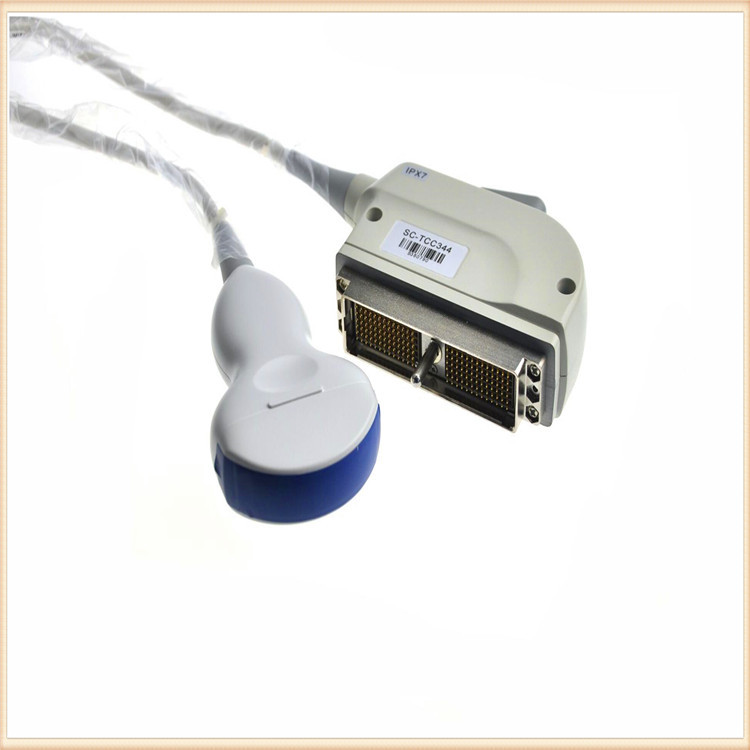
High-Performance Military Ultrasound Coaxial Cables: Built for Extreme Conditions Designed to meet the demanding requirements of military, aerospace, and medical applications, our Military-Grade Ultrasound Coaxial Cables deliver except.
Feel free to reach out to us for any inquiries or orders.