Medical-grade ultrasound coaxial cables are critical components in diagnostic imaging systems, responsible for transmitting high-frequency signals between the transducer and… - Professional Ultrasound Coaxial Cable Solutions
Learn more about, latest news, frequently asked questions
Medical-grade ultrasound coaxial cables are critical components in diagnostic imaging systems, responsible for transmitting high-frequency signals between the transducer and the ultrasound machine. Proper maintenance between procedures is essential to ensure optimal image quality, prevent equipment damage, and extend the lifespan of these sophisticated components. This comprehensive guide outlines evidence-based practices for maintaining your ultrasound coaxial cables.
Ultrasound coaxial cables represent a significant investment, with specialized medical-grade cables costing thousands of dollars to replace. More importantly, cable failures can lead to diagnostic errors, system downtime, and potential safety hazards. Research indicates that over 60% of ultrasound probe malfunctions originate from cable damage, often resulting from improper handling between procedures . The sophisticated construction of these cables—featuring silver-plated copper conductors, fluoropolymer insulation, and complex shielding—makes them particularly vulnerable to mishandling .
Regular maintenance not only preserves image quality but also prevents costly repairs. When cable damage occurs, it can cause electrical leakage that risks damaging both the transducer and the ultrasound system’s internal components . In severe cases, fluid ingress through compromised cables can “burn boards on both the system and in the transducer,” particularly affecting sensitive models like the GE IC5-9D probes .
When moving probes between stations, always carry the probe by the connector and scan head rather than by the cable itself . Transporting probes by their cables increases the risk of impact damage and internal wire fractures. Additionally, when moving ultrasound systems, ensure all probe cables are elevated from the floor to prevent them from being run over by castors, which can cause broken wires .
After each patient procedure, carefully clean the cable using manufacturer-recommended disinfectants. Avoid over-soaking probes during disinfection, as this can weaken seals, yellow cables, cause swelling of the acoustic lens, and potentially lead to delamination . Use only non-abrasive cleaners and avoid harsh chemicals that can degrade cable materials . Pay special attention to the connector pins, using a soft cloth to remove any residue, and never submerge the connector in cleaning solution or water .
Between procedures, perform both visual and physical inspections of the entire cable length. Look for:
Gently flex the cable along its length while observing the ultrasound image for artifacts that might indicate intermittent connections.
While daily maintenance is crucial, professional inspection and maintenance at regular intervals is equally important for long-term cable health . Even with excellent daily care, ultrasound coaxial cables benefit from scheduled professional servicing that includes:
Conduct regular electrical safety (leakage) tests, especially before connecting probes to ultrasound systems . This is particularly critical when physical damage is present, as it helps identify potential electrical hazards before they can damage equipment .
The strain reliefs where cables join probe housings are particularly vulnerable to damage. Check for cuts, tearing, and cable separation at these critical junction points . These components provide essential stress distribution, and their failure often leads to more significant cable damage.
Inspect connector housing screws to ensure they’re secure, and verify that locking mechanisms function correctly . Loose connectors can cause signal degradation and potentially damage both the cable and ultrasound system ports.
Understanding common failure modes helps technicians identify issues early:
If image quality deteriorates, check cable connections first. Poor image quality can result from loose connections, damaged cables, or contamination on connector pins . Test with a known-good probe to isolate the issue to the cable rather than other system components.
Frayed ends, cracked insulation, or bent connectors signal the need for immediate attention . For frequently used cables in high-stress applications, these issues can progress quickly if not addressed promptly.
Intermittent connections often manifest as image flickering or dropouts during movement. These frequently result from internal wire fractures caused by repeated bending or twisting . During cardiac studies using continuous wave (CW) mode, broken wires may manifest as CW noise in the output .
Between procedures and at the end of each day, store transducers upright in a clean, dry, ventilated area . Avoid tightly coiling cables, which can stress internal conductors. Instead, use loose loops with diameters no smaller than 15 centimeters to prevent premature fatigue.
Implement strain relief practices during use to minimize stress on cables. Avoid pulling tightly on cables at housing strain relief points, as this can result in broken wires . During examinations, ensure cables have freedom of movement without sharp bends or kinks.
Extreme temperatures and humidity can accelerate cable degradation. Store equipment in climate-controlled environments, and avoid exposure to direct sunlight or moisture . For cables used in portable systems, take extra care during transport and setup.
Medical-grade coaxial cables must adhere to stringent regulatory standards including IEC 60601-1 for electrical safety and specific biocompatibility requirements . Compliance with these standards ensures both patient safety and signal integrity. Look for cables with ISO 13485:2016 certification for medical device manufacturing quality management .
The EU Medical Device Regulation (MDR) imposes additional requirements for cables that contact patients, mandating materials that pass ISO 10993-5 cytotoxicity tests . Reputable manufacturers like those producing FRS-branded cables typically use medical-grade silicone or polyurethane that exceed these requirements.
Modern ultrasound coaxial cables incorporate innovations that enhance durability while maintaining signal integrity. Silver-plated copper alloy conductors provide superior conductivity and corrosion resistance . Fluoropolymer insulation offers excellent thermal stability and dielectric properties, maintaining performance across temperature variations .
Advanced shielding configurations, including spiral and braid shields with coverage exceeding 90%, protect against electromagnetic interference in increasingly crowded clinical environments . These technical innovations contribute to longer cable lifespan when properly maintained.
Effective maintenance requires more than just procedures—it demands organizational commitment and staff education. Implement regular training sessions on proper cable handling techniques, and emphasize the cost implications of preventable cable damage. Encourage technicians to report potential issues immediately rather than waiting for catastrophic failure.
Document all maintenance activities, including daily inspections, cleaning, and professional servicing. Maintenance logs help identify recurring issues and inform decisions about repairs, upgrades, and replacements .
Medical-grade ultrasound coaxial cables are sophisticated components that require meticulous care between procedures. By implementing these evidence-based maintenance practices—proper handling, thorough cleaning, regular inspection, and professional servicing—healthcare facilities can extend cable lifespan, maintain diagnostic image quality, and avoid costly repairs. The minimal time investment in proper cable maintenance yields substantial returns in equipment reliability, patient safety, and operational efficiency.
FRS Medical Technologies designs its ultrasound coaxial cables with durability in mind, but even the highest-quality cables require proper care to maintain optimal performance throughout their service life. Our FRS-branded cables incorporate strain-relief enhancements and proprietary shielding technologies that exceed industry standards, providing additional margin for error in busy clinical environments.
Discover our most popular furniture pieces that are loved by customers worldwide.
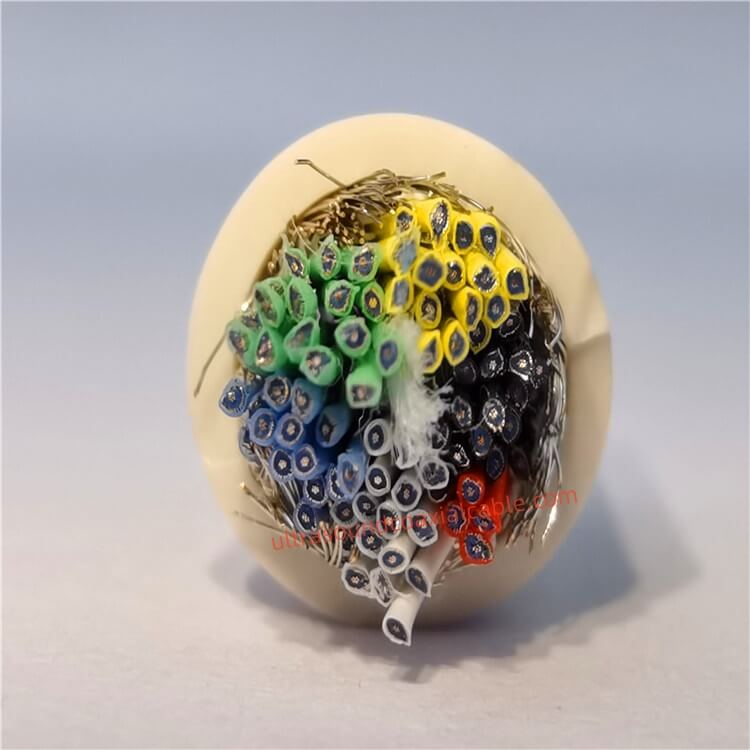
Product OverviewThe Ultrasound Coaxial Cable is a specialized cable engineered to deliver ultra-low signal loss, exceptional shielding, and unmatched durability in critical environments. Designed for medical imaging, industrial testi.
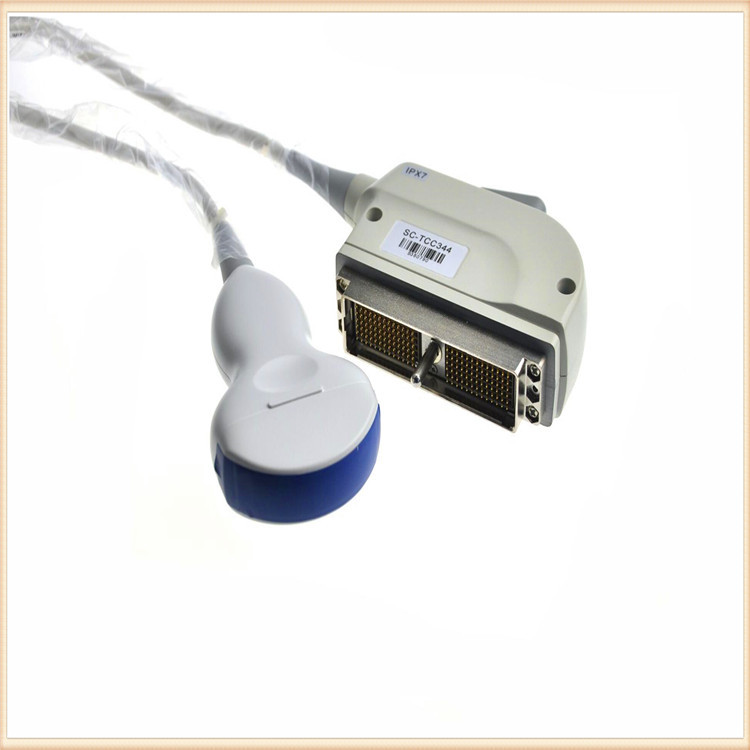
High-Performance Military Ultrasound Coaxial Cables: Built for Extreme Conditions Designed to meet the demanding requirements of military, aerospace, and medical applications, our Military-Grade Ultrasound Coaxial Cables deliver except.
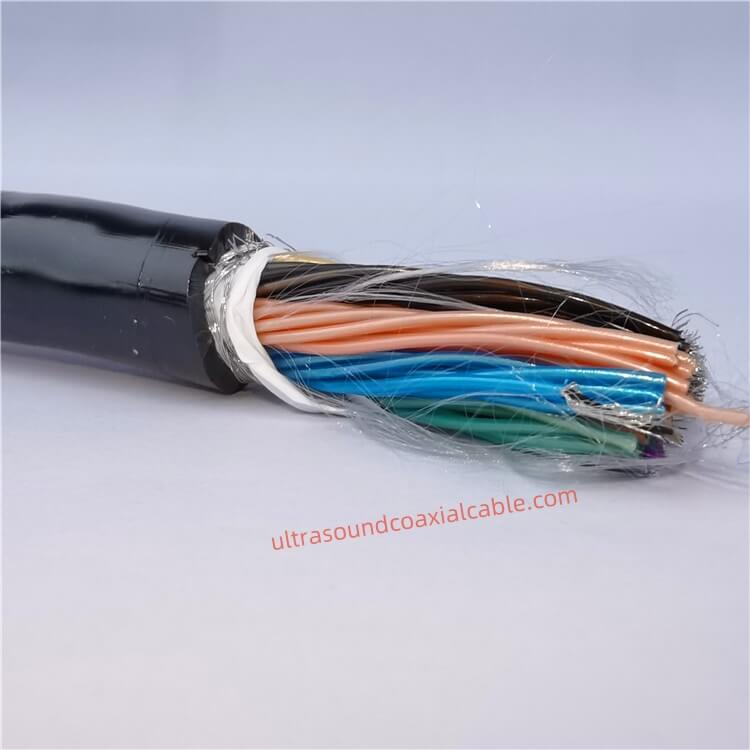
High-Performance Ultrasound Coaxial Cable Assembly: 42AWG to 30AWG, 6.6mm OD, 18GHz Bandwidth Engineered for precision in medical imaging and industrial applications, this customizable coaxial cable assembly delivers exceptional signal.

Ultra-Flexible 42AWG Medical-Grade Coaxial Cables for High-Precision Ultrasound Imaging Designed for demanding medical imaging applications, our Ultra-Flexible 42AWG Coaxial Cables deliver exceptional signal integrity, noise reduction,.
Feel free to reach out to us for any inquiries or orders.