Medical grade ultrasound coaxial cables are the critical lifelines that transmit high-frequency signals between ultrasound transducers and imaging systems, enabling… - Professional Ultrasound Coaxial Cable Solutions
Learn more about, latest news, frequently asked questions
Medical grade ultrasound coaxial cables are the critical lifelines that transmit high-frequency signals between ultrasound transducers and imaging systems, enabling precise diagnostic imaging across cardiology, radiology, and interventional procedures. These specialized cables must maintain signal integrity while withstanding repeated sterilization cycles in demanding clinical environments. With the global ultrasound coaxial cable market projected to grow from 52.16billionin2025to90.05 billion by 2032, driven by increasing demand for next-generation diagnostic imaging and portable ultrasound systems, the importance of proper maintenance and sterilization protocols has never been greater.
Medical grade ultrasound coaxial cables are engineered with specific characteristics that differentiate them from standard coaxial cables. These cables feature impedance-matched designs (typically 50Ω or 75Ω) to minimize signal reflections, multiple layers of shielding to prevent electromagnetic interference, and biocompatible outer jackets that meet stringent medical device standards. The SHV-SHV 3 meter ultrasound coaxial cable, for example, offers triple-layer shielding with 120dB EMI attenuation and insertion loss below 0.3dB/m at 5MHz, ensuring crystal-clear imaging quality.
These cables are essential components in various medical applications, including abdominal scans, cardiac imaging, endoscopic procedures, and interventional radiology. Their flexibility, durability, and signal transmission capabilities directly impact diagnostic accuracy and patient outcomes. FRS medical coaxial cables are designed with these critical requirements in mind, incorporating advanced materials and construction techniques to deliver reliable performance in clinical settings.
Medical grade ultrasound coaxial cables must comply with rigorous international standards to ensure patient safety and device reliability. Key certifications include IEC 60601-1 for electrical safety of medical equipment, ISO 13485 for quality management systems, and ISO 10993-5 for biocompatibility testing of patient-contact materials. Additionally, compliance with RoHS and REACH regulations ensures restricted substance limitations are met.
FRS medical coaxial cables maintain full compliance with these standards, providing comprehensive documentation including material declarations and test reports that simplify regulatory submissions for medical device manufacturers. This commitment to quality and compliance ensures that FRS ultrasound coaxial cable solutions meet the highest industry standards for safety and performance.
For ultrasound procedures involving intact skin contact, such as abdominal, vascular, or obstetric exams, low-level disinfection is typically sufficient. Quaternary ammonium disinfectant wipes have demonstrated effectiveness for this purpose, with research showing sterilization rates reaching 100% when applied for 1-2 minutes. Composite double-chain quaternary ammonium salt disinfectant wipes are particularly effective, combining cleaning and disinfection in a single step. These pre-saturated wipes typically contain quaternary ammonium compounds at concentrations between 0.18%-0.22%, offering an optimal balance of efficacy and material compatibility.
When ultrasound probes are used for intracavity examinations, interventional procedures, or on broken skin, both probes and cables require more stringent disinfection. In these cases, high-level disinfection (HLD) is recommended for the entire probe, including the cable portion that may come into contact with contaminated surfaces or fluids. Automated disinfection systems using hydrogen peroxide solutions can complete the disinfection process in 7-16 minutes while maintaining material compatibility. Protective probe covers should be used whenever possible during invasive procedures, providing an additional barrier against contamination.
Medical device disinfection protocols must adhere to established standards, including GB27949-2020 for medical device disinfectants and GB15982-2012 for hospital disinfection standards. Internationally recognized standards include ISO 10993 for biological evaluation of medical devices and USP Class VI plastics standards for materials demonstrating stringent safety testing. FRS medical coaxial cables undergo rigorous validation against various sterilization methods, including plasma, ethylene oxide (ETO), steam autoclave, and Sterrad® sterilizers, ensuring compatibility with hospital disinfection protocols while maintaining signal integrity.
Regular inspection of ultrasound coaxial cables is essential for maintaining performance and safety. Healthcare facilities should implement a systematic inspection protocol that includes checking for cracks, stiffening, discoloration, or other signs of material degradation. Cables should be cleaned with compatible disinfectants immediately after use, following manufacturer recommendations for contact time and application method. Avoid using abrasive cleaners or excessive force during cleaning, as this can damage the cable jacket and compromise integrity.
Proper handling and storage significantly extend the lifespan of medical grade ultrasound coaxial cables. Avoid tightly coiling cables during storage, as this can lead to internal wire fatigue and premature failure. Use dedicated probe storage systems with HEPA filtration to maintain a clean environment and prevent contamination. Implement color-coded systems for different disinfection levels to prevent cross-contamination between procedures. FRS ultrasound coaxial cables are designed with reinforced strain reliefs and sealed overmolding to protect against fluid ingress and physical damage during routine handling.
Human factors significantly impact disinfection outcomes, with studies showing that specific hygiene training can substantially reduce bacterial contamination on ultrasound equipment. Healthcare facilities should implement regular training programs covering proper donning and doffing of personal protective equipment, correct disinfection techniques for different clinical scenarios, and early recognition of cable damage or deterioration. Documentation and reporting procedures for equipment issues should be established to ensure timely maintenance and replacement.
One of the most common challenges with ultrasound coaxial cables is signal degradation due to improper handling, repeated sterilization, or environmental factors. This can manifest as image artifacts, reduced resolution, or complete signal loss. FRS ultrasound coaxial cables are engineered with advanced shielding technologies and high-quality dielectric materials to minimize signal loss and electromagnetic interference, ensuring consistent performance even after multiple sterilization cycles.
Repeated exposure to disinfectants and sterilization processes can cause cable jackets to become brittle, crack, or discolor over time. This not only compromises the cable’s structural integrity but also creates potential pathways for fluid ingress and contamination. FRS medical coaxial cables utilize chemical-resistant jacketing materials specifically tested against common disinfectants, providing enhanced durability and longevity in clinical environments.
Connector interfaces are particularly vulnerable to damage from repeated disconnection, improper handling, or exposure to fluids. Damaged connectors can lead to poor signal transmission, intermittent connections, or complete failure. FRS ultrasound coaxial cables feature robust connector-cable interfaces with reinforced strain reliefs and sealed overmolding to protect against fluid ingress and physical damage, extending the operational lifespan of the entire assembly.
Automated disinfection systems represent a significant advancement in ultrasound cable maintenance, offering consistent application of disinfectants, reduced staff exposure to chemical agents, and comprehensive documentation capabilities for compliance tracking. Systems like the ASTRA Automated Disinfection System can reprocess multiple probes simultaneously using compatible high-level disinfectants, completing the disinfection cycle within 10-16 minutes. These systems are particularly valuable in high-volume clinical settings where efficiency and consistency are critical.
Manufacturers are developing innovative materials and coatings to enhance the disinfection capabilities of ultrasound coaxial cables. Anti-microbial cable coatings inhibit pathogen growth between uses, while enhanced connector seals provide additional protection against fluid ingress. Modular cable designs allow replacement of damaged sections rather than entire assemblies, reducing costs and minimizing downtime. Disposable cable covers offer an additional layer of protection during procedures, particularly in high-risk scenarios.
The trend toward miniaturization in medical devices has driven the development of ultra-thin, flexible ultrasound coaxial cables that maintain signal integrity while offering improved handling characteristics. FRS has developed 138-core medical ultrasound probe coaxial cables with 0.2mm diameter, enabling higher channel counts and improved imaging resolution without compromising flexibility or durability. These advancements support the growing demand for portable and handheld ultrasound systems in various clinical settings.
Healthcare facilities should establish a comprehensive cable management program that includes regular inspection schedules, documented disinfection protocols, and preventive maintenance plans. This program should address all aspects of cable lifecycle management, from initial procurement and installation to routine maintenance and eventual replacement. FRS provides technical support and documentation to assist healthcare facilities in developing and implementing effective cable management programs tailored to their specific needs and equipment configurations.
Establishing a quality assurance program is essential for maintaining the integrity of ultrasound coaxial cables and ensuring patient safety. This should include regular microbial testing of probes and cables to verify disinfection efficacy, documentation of disinfection cycles for each use, scheduled equipment inspections by qualified technicians, and preventive maintenance schedules based on usage patterns. FRS medical coaxial cables are designed to support these quality assurance efforts with comprehensive testing data and performance documentation.
When selecting ultrasound coaxial cables, healthcare facilities should consider not only the initial purchase price but also the total cost of ownership, including maintenance requirements, expected lifespan, and potential downtime costs. FRS ultrasound coaxial cable solutions are engineered for durability and reliability, offering extended service life and reduced maintenance requirements compared to standard cables. This approach to total cost of ownership helps healthcare facilities make informed decisions that optimize both performance and value throughout the product lifecycle.
The ultrasound coaxial cable market is experiencing rapid technological evolution, driven by increasing demand for high-resolution imaging, portable diagnostic devices, and advanced interventional procedures. Key trends include the integration of high-frequency low-loss coaxial cables to improve image clarity in portable systems, the adoption of biocompatible and sterilizable materials for enhanced reliability in invasive procedures, and the development of flexible miniature coaxial cables for endoscopic ultrasound applications.
FRS is at the forefront of these developments, investing in research and development to create ultrasound coaxial cable solutions that meet evolving clinical needs while withstanding rigorous sterilization protocols. With 15+ years of experience in medical-grade cables and full compliance with global medical device standards, FRS continues to deliver innovative solutions that support the advancement of medical imaging technology and improve patient care worldwide.
Discover our most popular furniture pieces that are loved by customers worldwide.

High-Performance Flexible Coaxial Cable for Medical Imaging & Ultrasound Systems Designed for demanding applications in medical imaging, industrial diagnostics, and high-frequency signal transmission, this ultra-flexible coaxial ca.
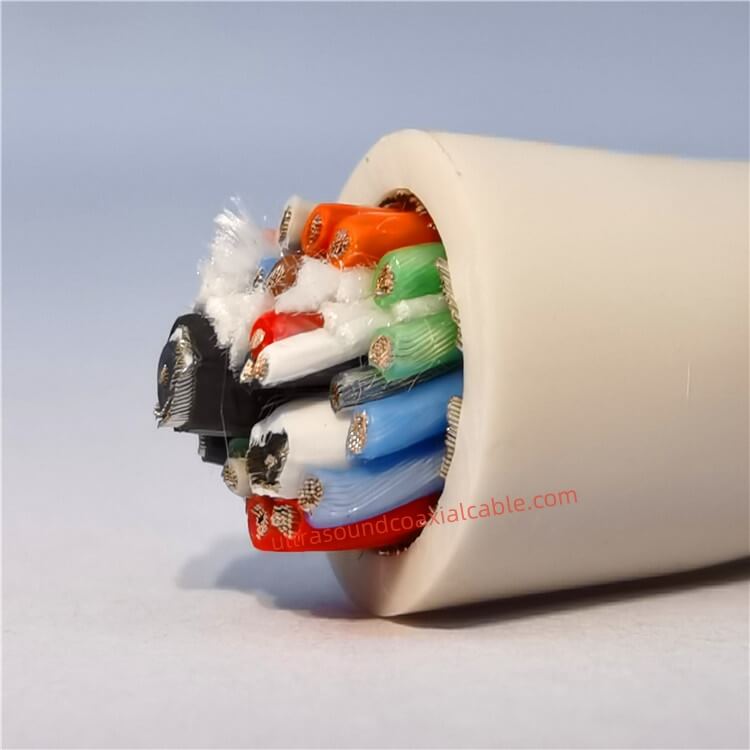
High-Precision 138-Core Medical Ultrasound Coaxial Cables | 0.2mm Ultra-Fine Biocompatible Design for Diagnostic Imaging Product Overview Engineered for advanced medical imaging systems, our 138-Core Medical Ultrasound Probe Coa.

Ultra-Flexible 42AWG Medical-Grade Coaxial Cables for High-Precision Ultrasound Imaging Designed for demanding medical imaging applications, our Ultra-Flexible 42AWG Coaxial Cables deliver exceptional signal integrity, noise reduction,.
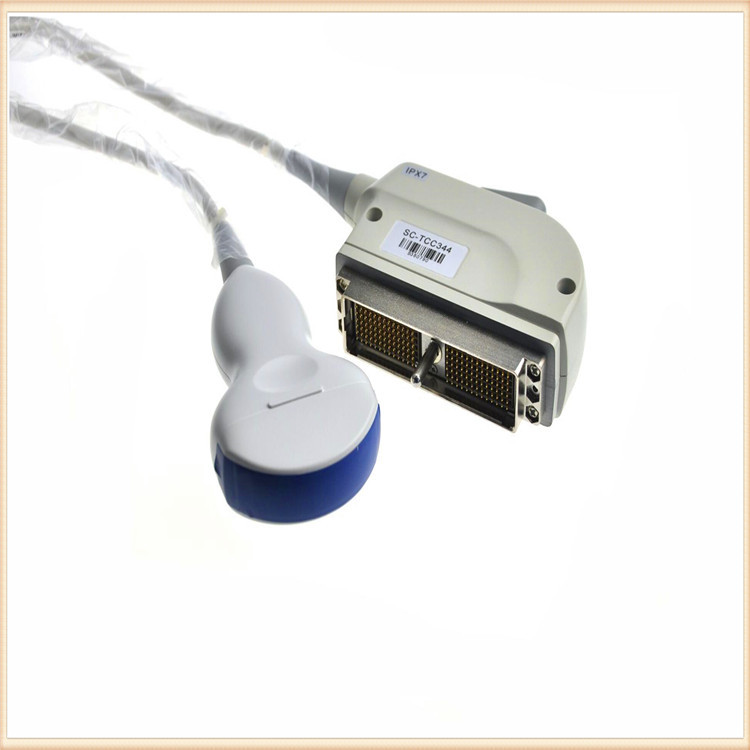
High-Performance Military Ultrasound Coaxial Cables: Built for Extreme Conditions Designed to meet the demanding requirements of military, aerospace, and medical applications, our Military-Grade Ultrasound Coaxial Cables deliver except.
Feel free to reach out to us for any inquiries or orders.