When your ultrasound system starts showing image artifacts, signal dropouts, or intermittent connectivity issues, the culprit is often a failing… - Professional Ultrasound Coaxial Cable Solutions
Learn more about, latest news, frequently asked questions
When your ultrasound system starts showing image artifacts, signal dropouts, or intermittent connectivity issues, the culprit is often a failing coaxial cable. Understanding the replacement cost structure is crucial for healthcare facilities, OEMs, and service providers to budget effectively and minimize equipment downtime. The total replacement expense isn’t just about the cable itself—it encompasses material costs, labor, testing, and potential system recalibration, with prices ranging from 58to5,000 depending on application complexity and cable specifications.
Material Cost Breakdown
The core component cost varies significantly based on cable specifications. Standard single coaxial cables for NDT applications typically range from 58to75 per unit, while specialized medical-grade multi-core coaxial assemblies can reach 15−40permeterinbulkquantities.Forcompleteprobereplacementsinvolvingcrystalarraysandcomplexcabling,pricesescalateto1,000-5,000 per unit, reflecting the sophisticated engineering and precision manufacturing required for diagnostic imaging systems.
Labor and Service Expenses
Professional replacement services add $200-800 to the total cost, depending on system complexity and geographic location. This includes diagnostic testing to confirm cable failure, proper installation following manufacturer guidelines, and post-replacement verification to ensure signal integrity and image quality meet clinical standards. Hospitals and clinics should factor in potential equipment downtime costs, which can exceed the replacement expense itself if imaging systems are unavailable for patient procedures.
Hidden Costs and Considerations
Beyond the immediate replacement, facilities must consider certification requirements (CE, FDA, ISO 13485 compliance), sterilization compatibility testing, and potential system recalibration. Non-compliant cables can lead to regulatory violations, invalidated warranties, and compromised patient safety, making it essential to work with certified manufacturers like FRS that provide full documentation and traceability.
Global Market Dynamics
The ultrasound coaxial cable market is experiencing robust growth, with the global market valued at approximately 500millionin2025andprojectedtoreach850 million by 2033, representing a 7% CAGR. This expansion is driven by increasing demand for high-quality medical imaging equipment, technological advancements in ultrasound technology, and expanding healthcare infrastructure in developing economies.
Regulatory Compliance Framework
Medical-grade ultrasound coaxial cables must meet stringent regulatory requirements including FDA 510(k) clearance, IEC 60601-1 electrical safety standards, ISO 13485 quality management systems, and RoHS/REACH environmental compliance. These certifications ensure cables undergo rigorous testing for biocompatibility, sterilization resistance, electromagnetic compatibility, and mechanical durability. FRS’s ISO 13485-certified manufacturing facilities provide end-to-end traceability and compliance documentation, reducing regulatory risks for OEMs and healthcare providers.
Industry Standards and Performance Metrics
Key performance parameters include impedance matching (50Ω or 75Ω), attenuation characteristics (<0.5 dB/m at 50MHz), shielding efficiency (>90%), and temperature range (-40°C to +125°C). Advanced cables feature triple-layer shielding combining braided copper, foil, and dielectric insulation to block EMI/RFI interference in noisy hospital environments. Medical-grade materials must withstand repeated sterilization cycles (up to 135°C autoclaving) and chemical cleaning agents while maintaining signal integrity.
Medical Imaging Applications
Ultrasound coaxial cables are critical components in diagnostic imaging systems for obstetrics, cardiology, oncology, and musculoskeletal applications. They connect ultrasound probes to consoles, transmitting high-frequency signals (1MHz-100MHz) with minimal loss and interference. Portable ultrasound devices for rural clinics and emergency rooms require ruggedized cables that can withstand harsh environmental conditions while maintaining diagnostic accuracy.
Industrial NDT and Testing
Non-destructive testing applications in aerospace, pipeline inspection, and manufacturing rely on ultrasound coaxial cables for flaw detection and material analysis. These cables must endure repeated flexing, mating cycles, and exposure to industrial chemicals while maintaining signal stability. FRS’s military-grade cables with 100daN compression strength and high-temperature resistance are designed for these demanding environments.
Surgical Robotics and Minimally Invasive Procedures
Advanced surgical systems use ultra-flexible coaxial cables (44AWG) with 0.15dB/m attenuation at 1GHz for precise force-feedback transmission in minimally invasive procedures. These applications demand miniaturized cables with exceptional flexibility and durability to navigate tight spaces without compromising signal quality.
Signal Integrity and Performance
Premium ultrasound coaxial cables feature low attenuation (<0.5 dB/m at 50MHz), precise impedance matching (50Ω/75Ω ±2%), and advanced shielding technologies that deliver 90%+ shielding efficiency. These characteristics ensure clear image quality and accurate diagnostic results, particularly in high-frequency applications like 4K ultrasound imaging.
Durability and Reliability
Medical-grade materials including silicone or PUR outer jackets provide chemical resistance, abrasion protection, and sterilization compatibility. Industrial-grade cables offer extended temperature ranges (-40°C to +125°C) and reinforced construction for harsh environments. FRS’s patented “Honeycomb Insulation” technology reduces insulation thickness by 40% while maintaining impedance stability, enabling more compact designs without sacrificing performance.
Customization Capabilities
Leading manufacturers like FRS offer full-parameter customization including conductor size (42AWG to 30AWG), cable diameter (6.6mm OD), bandwidth (up to 18GHz), and connector options (BNC, SMA, LEMO). Custom lengths (0.5m-30m), impedance matching, and specialized shielding configurations allow OEMs to optimize cable performance for specific applications and system requirements.
Signal Degradation and Image Artifacts
The most common issue with aging ultrasound coaxial cables is signal degradation leading to image artifacts, noise, and reduced diagnostic accuracy. This can result from insulation breakdown, shielding damage, or connector wear after thousands of mating cycles. Regular inspection and preventive replacement can prevent these issues from affecting patient care.
Mechanical Failure and Physical Damage
Repeated flexing, bending, and improper handling can cause conductor breakage, shielding deformation, or connector damage. Industrial environments with exposure to chemicals, oils, and extreme temperatures accelerate cable degradation. FRS’s strain relief systems and reinforced construction extend cable lifespan by 3x compared to generic alternatives.
Compliance and Regulatory Risks
Using non-compliant cables can lead to regulatory violations, equipment recalls, and compromised patient safety. Cables must undergo rigorous testing for biocompatibility, sterilization resistance, and electromagnetic compatibility to meet medical device regulations. Partnering with certified manufacturers ensures full compliance and reduces legal liabilities.
Preventive Maintenance Programs
Implementing regular inspection schedules and preventive replacement programs can reduce unexpected downtime and emergency service costs. By replacing cables before complete failure, facilities can schedule maintenance during off-hours and avoid disrupting patient procedures. FRS offers maintenance contracts with guaranteed response times and priority support.
Bulk Purchasing and Volume Discounts
OEMs and large healthcare networks can achieve significant cost savings through volume purchasing agreements. Bulk orders of 10,000+ units typically qualify for 15-30% discounts, with custom packaging and labeling options available. FRS’s scalable production capabilities ensure rapid turnaround times without compromising quality.
Standardization and Compatibility
Standardizing on compatible cable types across multiple imaging systems reduces inventory complexity and simplifies maintenance procedures. FRS’s universal connector options and cross-platform compatibility enable facilities to maintain fewer spare parts while ensuring quick replacement availability.
Miniaturization and High-Frequency Applications
The trend toward smaller, more portable ultrasound devices drives demand for ultra-thin coaxial cables (0.2mm diameter) with high-frequency capabilities. These cables support 4K and 8K ultrasound imaging while maintaining signal integrity in compact form factors. FRS’s 44AWG silver-plated coaxial cables are designed for these next-generation applications.
AI Integration and Smart Cables
Emerging technologies include cables with embedded sensors for real-time data analytics, predictive maintenance, and performance monitoring. These smart cables can detect early signs of degradation and alert technicians before failure occurs, reducing unplanned downtime and improving equipment utilization.
Sustainability and Environmental Compliance
Manufacturers are developing recyclable materials and lead-free designs to meet environmental regulations and sustainability goals. FRS’s recyclable PTFE jackets reduce waste by 40% compared to traditional PVC, aligning with the EU Circular Economy Action Plan and corporate sustainability initiatives.
The cost of ultrasound coaxial cable replacement extends beyond the initial purchase price, encompassing material quality, regulatory compliance, installation labor, and potential downtime expenses. By understanding the complete cost structure and partnering with certified manufacturers like FRS, healthcare facilities and OEMs can optimize their investment while ensuring reliable performance, regulatory compliance, and patient safety. With the global ultrasound coaxial cable market projected to grow at 7% CAGR through 2033, investing in high-quality replacement solutions becomes increasingly critical for maintaining competitive advantage and delivering superior diagnostic imaging services.
Discover our most popular furniture pieces that are loved by customers worldwide.

Ultra-Flexible 42AWG Medical-Grade Coaxial Cables for High-Precision Ultrasound Imaging Designed for demanding medical imaging applications, our Ultra-Flexible 42AWG Coaxial Cables deliver exceptional signal integrity, noise reduction,.
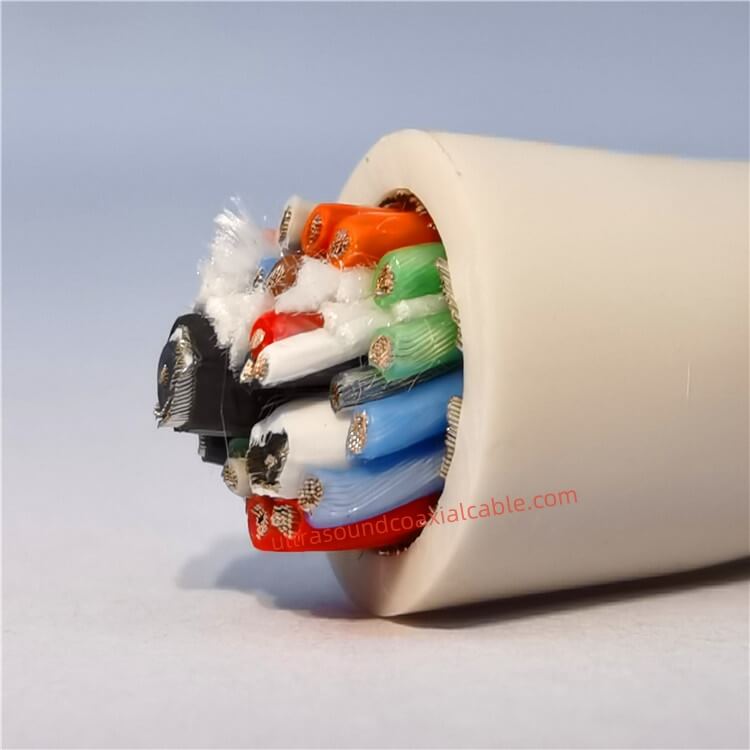
High-Precision 138-Core Medical Ultrasound Coaxial Cables | 0.2mm Ultra-Fine Biocompatible Design for Diagnostic Imaging Product Overview Engineered for advanced medical imaging systems, our 138-Core Medical Ultrasound Probe Coa.

High-Performance Flexible Coaxial Cable for Medical Imaging & Ultrasound Systems Designed for demanding applications in medical imaging, industrial diagnostics, and high-frequency signal transmission, this ultra-flexible coaxial ca.
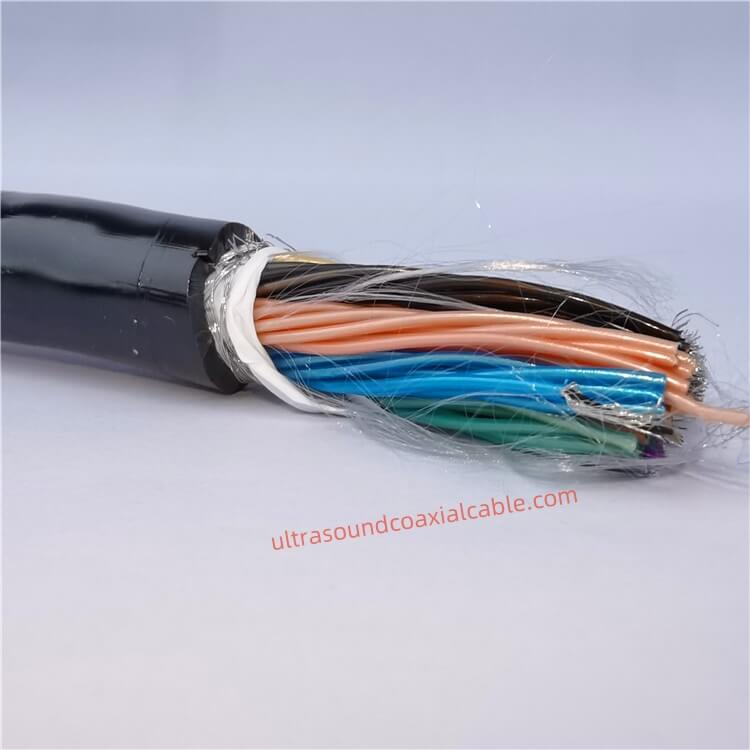
High-Performance Ultrasound Coaxial Cable Assembly: 42AWG to 30AWG, 6.6mm OD, 18GHz Bandwidth Engineered for precision in medical imaging and industrial applications, this customizable coaxial cable assembly delivers exceptional signal.
Feel free to reach out to us for any inquiries or orders.