Ultrasound coaxial cables are indeed capable of functioning in high-temperature industrial processes, thanks to specialized designs that combine advanced materials,… - Professional Ultrasound Coaxial Cable Solutions
Learn more about, latest news, frequently asked questions
Ultrasound coaxial cables are indeed capable of functioning in high-temperature industrial processes, thanks to specialized designs that combine advanced materials, robust shielding, and durable construction. These cables are engineered to maintain signal integrity and performance even in extreme conditions where standard cables would fail. Industries such as non-destructive testing (NDT), oil and gas, aerospace, and energy production rely on high-temperature ultrasound coaxial cables for critical inspection and monitoring applications where heat resistance is essential for both safety and accuracy .
The global market for ultrasound coaxial cables is experiencing significant growth, driven largely by industrial applications. The non-destructive testing (NDT) sector accounts for a substantial portion of this demand, with a reported 9% year-on-year increase in ultrasonic NDT equipment sales directly correlating with cable demand . Industries such as oil and gas pipeline inspections, aerospace component testing, and automotive manufacturing require rugged coaxial cables capable of operating in extreme temperatures and harsh environments .
The renewable energy sector represents another growing market, with wind turbine blade inspections using ultrasound technology requiring cables resistant to vibration and moisture. With wind energy capacity projected to double by 2030, maintenance protocols mandating regular ultrasonic checks will drive sustained demand for high-temperature capable cables . Similarly, the military and defense sector contributes to this demand due to strict quality standards for equipment used in naval ship hulls, aircraft carriers, and weapon systems that often require cables meeting MIL-SPEC certifications for durability and signal precision .
Ultrasound coaxial cables designed for high-temperature environments feature specialized construction that enables reliable performance under thermal stress. These cables typically incorporate silver-plated copper alloy conductors and fluoropolymer insulation materials that maintain dielectric properties at elevated temperatures. For instance, some high-temperature transducer cables are protected using a fiberglass outer jacket rated for continuous use up to 250°C (392°F) or intermittent use up to 550°C (1022°F) without conducting heat to the user or connected equipment .
The electrical properties of these cables are carefully engineered to withstand thermal challenges. For example, a 72-channel ultrasonic probe cable designed for industrial applications features a nominal impedance of 50 ohms at 10 MHz and conductor resistance rated at a maximum of 3.300 Ohm/km at 20°C . The fluoropolymer insulation used in these cables provides robust protection and durability, making them ideal for phased array NDT and other high-temperature industrial applications .
Advanced shielding technologies are critical for high-temperature performance. Many quality ultrasound coaxial cables incorporate both spiral and braid shields—typically consisting of tinned copper wire—that offer 90% minimum coverage for superior shielding effectiveness against electromagnetic interference, which can be exacerbated in high-temperature environments . This multi-layer protection ensures signal integrity remains stable despite thermal expansion and contraction cycles that can compromise inferior cables.
High-temperature ultrasound coaxial cables must comply with stringent industry standards and certifications to ensure reliability and safety in industrial processes. Depending on the application, these cables may need to meet standards such as IEC 60601-1 for electrical safety and biocompatibility requirements for certain applications . The medical device industry also follows strict FDA clearance processes, which often apply to industrial equipment used in sensitive environments .
The EU Medical Device Regulation (MDR) emphasizes biocompatibility testing for components that may contact patients or operators, driving manufacturers to use materials like medical-grade silicone or polyurethane that pass ISO 10993-5 cytotoxicity tests . Similarly, RoHS and REACH regulations limit the use of hazardous substances in cable components, pushing the adoption of halogen-free flame retardants in cable jackets .
For mechanical durability, standards like ASTM F2945-20 specify that ultrasound cables must withstand at least 10,000 flex cycles without signal degradation—a critical requirement in high-temperature industrial settings where material properties can change with temperature fluctuations . Compliance with sterilization standards like ISO 11135 is also relevant for cables that must endure repeated autoclave cycles at 135°C without insulation cracking .
Ultrasonic flaw detection systems used in oil and gas pipelines, aerospace component inspections, and automotive manufacturing require rugged coaxial cables capable of operating in extreme temperatures. For example, pipeline inspections in shale fields utilize ultrasound coaxial cables rated for temperatures up to 150°C to ensure reliable data transmission during subterranean operations . These applications demand cables that maintain signal integrity while withstanding the thermal challenges of industrial environments.
Advancements in automotive safety systems are creating new demand for high-temperature ultrasound coaxial cables. Ultrasonic sensors in advanced driver-assistance systems (ADAS) for parking assistance and collision avoidance use specialized coaxial cables with enhanced EMI shielding . Each vehicle equipped with ADAS typically incorporates 8–12 ultrasonic sensors, all requiring cables that can withstand under-hood temperatures and maintain performance across thermal cycles.
Wind turbine blade inspections using ultrasound technology require cables resistant to vibration, moisture, and temperature variations. With wind energy capacity projected to double by 2030, maintenance protocols mandating regular ultrasonic checks will drive sustained demand for specialized coaxial cables . Similarly, solar farm structural integrity assessments increasingly adopt portable ultrasonic devices, further expanding cable utilization in high-temperature environments.
In chemical processing plants and industrial manufacturing facilities, ultrasound coaxial cables are used for thickness monitoring, corrosion detection, and equipment integrity assessment. These applications often involve high temperatures from processes or equipment, requiring cables that can maintain performance while exposed to heat sources. Custom manufacturers like Dacon Systems offer cables designed to handle operating temperatures ranging from -60°C up to +1200°C, suitable for the most demanding industrial environments .
Leading manufacturers differentiate their high-temperature ultrasound coaxial cables through material innovations and specialized designs. Fiberglass outer jackets provide heat and abrasion resistance without compromising flexibility, making cables easier to handle in tight industrial spaces . Unlike flexible metal conduits, fiberglass prevents heat conduction through the cable, reducing the risk of operator burns or equipment damage .
Brands focused on industrial applications often incorporate tinned copper shielding and fluoropolymer insulation that maintain performance at elevated temperatures. For instance, some high-temperature transducer cables use common connectors that allow integration with all major thickness gauges and flaw detectors, with options for gauge-specific connectors and identification pins for common commercial gauges from manufacturers like Evident and Waygate .
The miniaturization trend in industrial equipment has driven developments in micro-coaxial cable technology, with some manufacturers offering cables with dimensions as small as .050 inches while maintaining high-temperature performance . These compact solutions are particularly valuable in applications where space is constrained but thermal challenges remain significant.
Industrial operators face several challenges when implementing ultrasound technology in high-temperature processes. Signal degradation at elevated temperatures can compromise inspection accuracy, while cable brittleness and premature failure lead to costly downtime and replacement cycles. High-temperature ultrasound coaxial cables specifically address these pain points through engineered solutions.
The supply chain dynamics for these specialized components can impact availability and pricing, as they rely on specialized raw materials including high-quality copper conductors and fluoropolymers for insulation . Disruptions in the availability of these inputs—such as copper shortages caused by mining delays or trade restrictions—can increase production costs, though established manufacturers with robust supply networks can mitigate these challenges for their customers .
FRS has established itself as a leader in high-temperature ultrasound coaxial cables through continuous innovation and stringent quality control. Our cables incorporate advanced fluoropolymer compounds that maintain dielectric strength and flexibility across temperature ranges from -60°C to over 500°C, ensuring reliable performance in the most demanding industrial applications. The FRS product development team works directly with industrial clients to create customized solutions for specific temperature challenges, offering technical support from design through implementation.
The integration of ultrasound coaxial cables in high-temperature industrial processes represents a critical enabling technology across multiple sectors. From energy infrastructure to advanced manufacturing, these specialized components allow for accurate inspection, testing, and monitoring where conventional cables would fail. As industrial processes push temperature boundaries further, continued innovation in materials science and cable design will ensure ultrasound coaxial cables remain capable of meeting these challenges head-on .
Discover our most popular furniture pieces that are loved by customers worldwide.

Ultra-Flexible 42AWG Medical-Grade Coaxial Cables for High-Precision Ultrasound Imaging Designed for demanding medical imaging applications, our Ultra-Flexible 42AWG Coaxial Cables deliver exceptional signal integrity, noise reduction,.
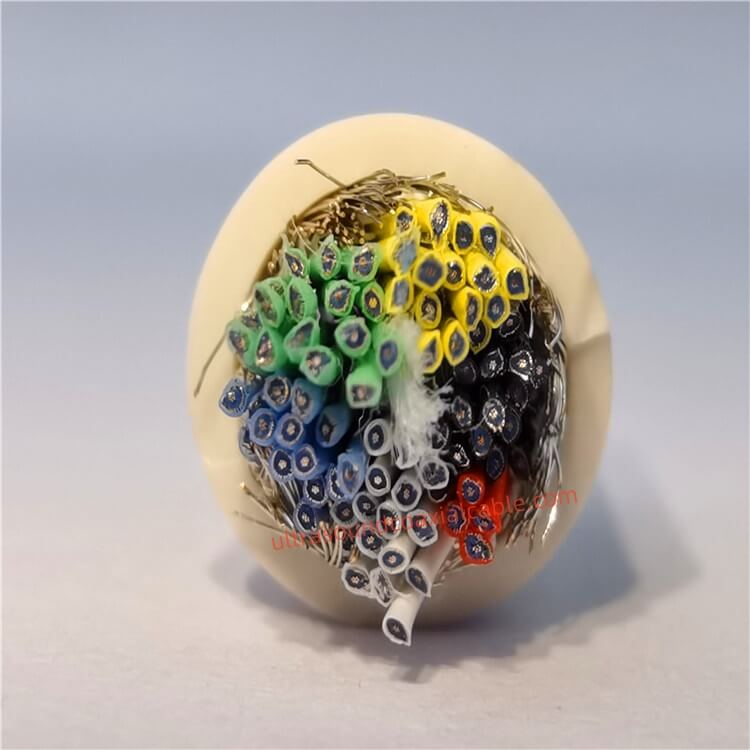
Product OverviewThe Ultrasound Coaxial Cable is a specialized cable engineered to deliver ultra-low signal loss, exceptional shielding, and unmatched durability in critical environments. Designed for medical imaging, industrial testi.
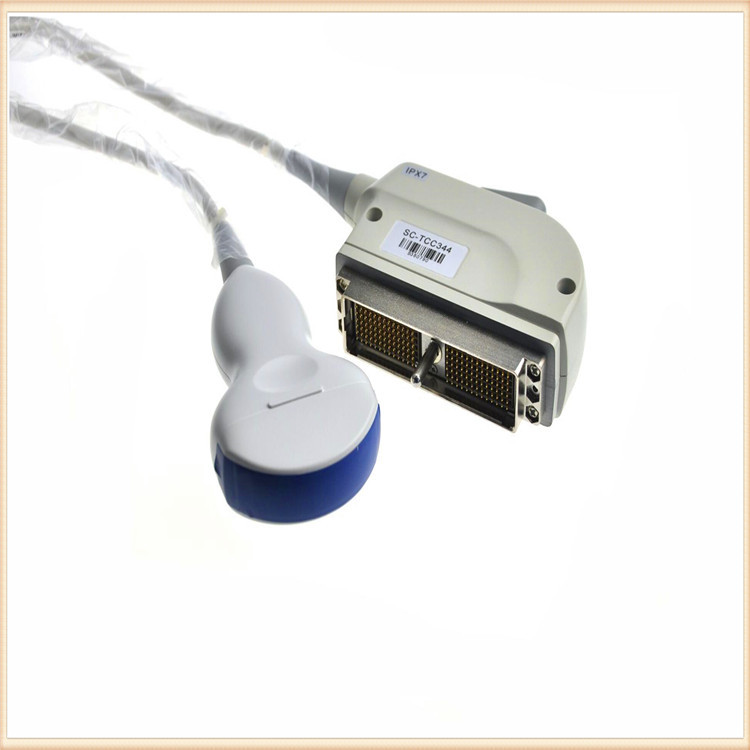
High-Performance Military Ultrasound Coaxial Cables: Built for Extreme Conditions Designed to meet the demanding requirements of military, aerospace, and medical applications, our Military-Grade Ultrasound Coaxial Cables deliver except.
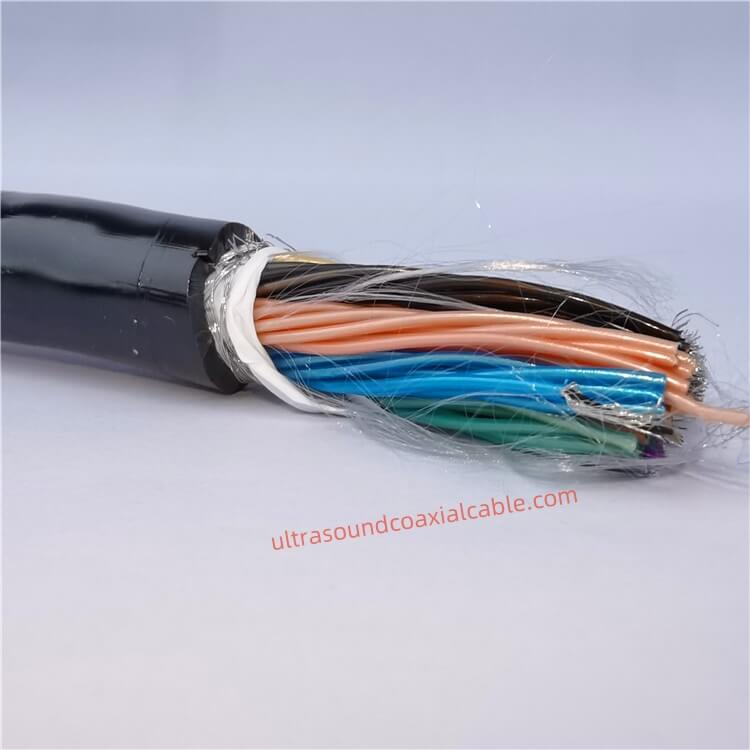
High-Performance Ultrasound Coaxial Cable Assembly: 42AWG to 30AWG, 6.6mm OD, 18GHz Bandwidth Engineered for precision in medical imaging and industrial applications, this customizable coaxial cable assembly delivers exceptional signal.
Feel free to reach out to us for any inquiries or orders.