Which international certifications are necessary for medical ultrasound coaxial cable to enter the global medical device market? | High-Quality Ultrasound Coaxial Cable | ultrasound coaxial cable Manufacturer & Factory-FRS

Which international certifications are necessary for medical ultrasound coaxial cable to enter the global medical device market?

Essential International Certifications for Medical Ultrasound Coaxial Cable Market Entry Introduction and Summary Navigating the global medical device market requires… - Professional Ultrasound Coaxial Cable Solutions

Information

Learn more about, latest news, frequently asked questions

Essential International Certifications for Medical Ultrasound Coaxial Cable Market Entry

Introduction and Summary

Navigating the global medical device market requires a comprehensive understanding of international certifications and regulatory requirements. For medical ultrasound coaxial cables, achieving market access demands compliance with a complex web of standards that ensure patient safety, signal integrity, and device reliability. These certifications are not merely bureaucratic hurdles—they represent the foundational quality assurance that healthcare providers and regulatory bodies require for medical-grade components. From ISO 13485 quality management systems to region-specific approvals like FDA 510(k) and CE marking, each certification serves as a critical gateway to different international markets. Understanding this certification landscape is essential for manufacturers seeking to expand their global footprint and deliver life-saving diagnostic technology to healthcare systems worldwide.

Core International Certifications

ISO 13485: Medical Device Quality Management System

ISO 13485 is the cornerstone certification for medical device manufacturers, establishing the quality management system requirements for the design, development, production, installation, and servicing of medical devices. This standard ensures traceability, risk mitigation, and consistent output quality throughout the manufacturing process. For ultrasound coaxial cables, ISO 13485 certification demonstrates that the manufacturer maintains rigorous control over material selection, production processes, and final product testing. The standard mandates comprehensive documentation, including design history files, device master records, and quality system records, providing regulators with confidence in the product’s safety and efficacy. Manufacturers must undergo regular audits to maintain certification, ensuring ongoing compliance with evolving medical device regulations.

IEC 60601-1: Electrical Safety for Medical Equipment

IEC 60601-1 is the fundamental standard for electrical safety in medical electrical equipment, establishing requirements for leakage current limits, insulation resistance, and protection against electrical hazards. For ultrasound coaxial cables, this standard mandates leakage current limits of less than 10 μA and insulation resistance exceeding 100 MΩ, achieved through multi-layer shielding and high-purity materials. The standard also addresses electromagnetic compatibility (EMC) requirements under IEC 60601-1-2, ensuring that cables do not interfere with other medical devices and are immune to external electromagnetic interference. Compliance with IEC 60601-1 is essential for patient safety, particularly in applications where cables may come into contact with patients during minimally invasive procedures.

FDA 510(k) Premarket Notification

For market access in the United States, medical ultrasound coaxial cables typically require FDA 510(k) clearance, which demonstrates that the device is substantially equivalent to a legally marketed predicate device. The 510(k) process involves comprehensive biocompatibility testing according to ISO 10993 standards, sterilization validation, and performance testing to confirm compatibility with human tissue and repeated autoclaving cycles. The FDA’s Center for Devices and Radiological Health (CDRH) reviews the submission to ensure the device meets safety and effectiveness requirements before granting clearance for commercial distribution. This process typically takes 90 days to 6 months, depending on the complexity of the device and the completeness of the submission.

CE Marking (MDR Compliance)

For market access in the European Union, medical ultrasound coaxial cables must bear the CE mark, indicating compliance with the Medical Device Regulation (MDR) 2017/745. The MDR introduces more stringent requirements compared to the previous Medical Device Directive (MDD), including enhanced clinical evaluation, post-market surveillance, and unique device identification (UDI) requirements. Manufacturers must prepare a technical documentation file that includes risk management documentation, clinical evaluation reports, and quality management system evidence. The CE marking process typically involves working with a notified body that audits the manufacturer’s quality system and reviews the technical documentation before issuing a CE certificate. The MDR transition period ended in May 2024, making compliance mandatory for all medical devices marketed in the EU.

RoHS and REACH Compliance

The Restriction of Hazardous Substances (RoHS) Directive and the Registration, Evaluation, Authorization, and Restriction of Chemicals (REACH) Regulation are essential environmental compliance requirements for medical devices sold in the European Union and many other global markets. RoHS restricts the use of specific hazardous materials in electrical and electronic equipment, including lead, mercury, cadmium, and certain flame retardants. REACH requires manufacturers to register, evaluate, and authorize chemicals used in their products, with particular focus on substances of very high concern (SVHC). For ultrasound coaxial cables, compliance involves using lead-free solders, halogen-free insulation materials, and ensuring that all materials meet the restricted substance limits. These certifications demonstrate environmental responsibility and align with global sustainability initiatives.

Regional Market-Specific Requirements

United States Market Access

The U.S. medical device market, representing approximately 40% of the global market, requires manufacturers to register their establishment with the FDA and list their devices through the FDA’s Establishment Registration and Device Listing system. In addition to 510(k) clearance, manufacturers must comply with Quality System Regulation (QSR) requirements under 21 CFR Part 820, which governs the methods related to the design, manufacturing, purchasing, packaging, labeling, storing, installing, and servicing of medical devices. The FDA also requires Medical Device Reporting (MDR) for malfunctions that lead to serious injuries or death, and manufacturers must maintain comprehensive post-market surveillance systems to monitor device performance and report adverse events.

European Union Market Access

The European Union’s medical device market, representing approximately 25% of the global market, operates under the MDR framework. In addition to CE marking, manufacturers must appoint an Authorized Representative in the EU if they are based outside the region. The MDR introduces stricter requirements for clinical evidence, particularly for higher-risk devices, and mandates the implementation of a unique device identification (UDI) system for traceability. Post-market surveillance requirements include the preparation of periodic safety update reports (PSURs) and the implementation of a vigilance system for reporting serious incidents. The MDR also requires manufacturers to have a person responsible for regulatory compliance (PRRC) with specific qualifications and experience.

China Market Access

China’s National Medical Products Administration (NMPA) requires medical device registration through a classification system based on risk level. Ultrasound coaxial cables typically fall under Class II or Class III devices, requiring clinical evaluation and testing in Chinese laboratories. The registration process involves submitting technical documentation, clinical evaluation reports, and quality management system certificates. China also requires type testing by designated testing centers and may require on-site factory inspections. The NMPA has been harmonizing its regulations with international standards, but manufacturers should be prepared for language requirements and local testing requirements that may differ from other markets.

Japan Market Access

Japan’s Pharmaceuticals and Medical Devices Agency (PMDA) regulates medical devices through a classification system similar to other major markets. The registration process requires submission of technical documentation, clinical data, and quality system evidence. Japan has specific requirements for labeling in Japanese and may require additional testing for electromagnetic compatibility and electrical safety. The PMDA also requires manufacturers to have a Marketing Authorization Holder (MAH) in Japan who takes responsibility for the device’s quality and safety. Japan’s regulatory framework has been undergoing reforms to streamline the approval process and align more closely with international standards.

Other Key Markets

Other important markets with specific regulatory requirements include:

  • Brazil: ANVISA requires registration through the Brazilian Health Regulatory Agency, with specific requirements for labeling in Portuguese and local testing
  • India: The Central Drugs Standard Control Organization (CDSCO) regulates medical devices through a risk-based classification system
  • Australia: The Therapeutic Goods Administration (TGA) requires inclusion in the Australian Register of Therapeutic Goods (ARTG)
  • South Korea: The Ministry of Food and Drug Safety (MFDS) requires product approval and quality system certification
  • Saudi Arabia/GCC: The Gulf Cooperation Council (GCC) has implemented a unified regulatory framework for medical devices

Technical Standards and Performance Requirements

Signal Integrity and Performance Standards

Medical ultrasound coaxial cables must meet specific technical performance standards to ensure diagnostic accuracy. Key performance parameters include:

  • Attenuation: Low signal loss is critical for maintaining image quality. High-performance cables typically achieve less than 0.5 dB/m attenuation at 50MHz, with premium cables reaching below 0.3 dB/m
  • Impedance Matching: Standard 50Ω or 75Ω impedance ensures compatibility with ultrasound systems and minimizes signal reflections
  • Bandwidth: Modern ultrasound systems require cables that support frequencies from DC to 18GHz or higher, enabling high-resolution imaging
  • Phase Stability: Minimal phase deviation (<1°) ensures consistent performance in automated imaging systems
  • EMI Shielding: Multi-layer shielding (foil + braid) provides greater than 90dB EMI protection, critical in hospital environments with multiple electronic devices

Material and Construction Requirements

The materials used in ultrasound coaxial cables must meet stringent medical-grade requirements:

  • Biocompatibility: Outer jackets must pass cytotoxicity and sensitization tests according to ISO 10993-5, ensuring safety for patient contact
  • Sterilization Compatibility: Materials must withstand repeated autoclave cycles (up to 135°C) and chemical sterilization methods
  • Flexibility: Multi-strand litz-wire designs enable 100,000+ bend cycles without performance degradation, essential for clinical maneuverability
  • Temperature Resistance: PTFE-insulated cables must operate reliably across temperature ranges from -55°C to +125°C
  • Durability: Reinforced connectors and strain relief designs ensure mechanical reliability in clinical settings

Testing and Validation Protocols

Comprehensive testing is required to validate cable performance and safety:

  • Electrical Testing: Insertion loss, return loss, impedance, and capacitance measurements across the operating frequency range
  • Mechanical Testing: Bend cycle testing, tensile strength, and connector mating cycle testing
  • Environmental Testing: Temperature cycling, humidity testing, and chemical resistance testing
  • Biocompatibility Testing: Cytotoxicity, sensitization, and irritation testing according to ISO 10993
  • Sterilization Validation: Validation of sterilization methods and material compatibility testing

Market Analysis and Growth Drivers

Global Market Size and Growth Projections

The global ultrasound coaxial cable market is experiencing steady growth, driven by increasing demand for medical imaging and diagnostic technologies. According to market research, the market is projected to grow at a compound annual growth rate (CAGR) of 5.8% through 2030. The Asia-Pacific region leads adoption with a 12.5% CAGR, fueled by healthcare infrastructure expansions in China and India. North America remains the largest market, accounting for approximately 40% of global market share, followed by Europe at 25%. The market growth is driven by several key factors, including aging populations, increasing prevalence of chronic diseases, and technological advancements in ultrasound imaging systems.

Key Market Segments and Applications

Medical ultrasound coaxial cables serve diverse applications across healthcare settings:

  • Diagnostic Imaging: High-frequency cables (50-200MHz) connect transducers to imaging systems for abdominal scans, cardiac exams, and obstetric imaging
  • Minimally Invasive Procedures: Flexible, miniature cables are integrated into endoscopes and catheters for guided interventions and robotic surgery
  • Portable Devices: Compact, lightweight designs power handheld ultrasound tools for emergency field use and point-of-care diagnostics
  • Industrial NDT: Non-destructive testing applications in aerospace, automotive, and manufacturing sectors for flaw detection and material characterization
  • Veterinary Medicine: Similar technology adapted for animal diagnostics, with requirements for sterilization and durability

Competitive Landscape

The ultrasound coaxial cable market features several key manufacturers with specialized expertise:

  • I-PEX: Leading manufacturer with advanced fluoropolymer microcellular foam technology
  • Junkosha: Specializes in ultra-thin coaxial cables for high-density applications
  • Proterial Cable: Focuses on industrial and medical-grade coaxial solutions
  • Times Microwave System: Known for high-frequency and military-grade cables
  • FRS: Medical-grade cable manufacturer with ISO 13485 certification and 20+ years of manufacturing experience

Product Development Considerations

Design for Manufacturing and Assembly

Successful ultrasound coaxial cable development requires careful consideration of manufacturing processes:

  • Material Selection: Choosing materials that balance performance, cost, and manufacturability
  • Automation: Implementing automated production processes for consistency and quality control
  • Testing Integration: Building comprehensive testing protocols into the manufacturing workflow
  • Supply Chain Management: Establishing reliable supply chains for critical materials and components
  • Scalability: Designing processes that can scale to meet market demand while maintaining quality

Cost Optimization Strategies

Balancing performance with cost is critical for market success:

  • Material Costs: Raw materials constitute 55-65% of cable production costs, making material selection a key cost driver
  • Manufacturing Efficiency: Optimizing production processes to reduce waste and improve yield
  • Design for Cost: Making design choices that meet performance requirements while minimizing cost
  • Volume Pricing: Leveraging volume discounts for materials and components
  • Total Cost of Ownership: Considering not just initial cost but also maintenance, replacement, and downtime costs

Innovation and Technology Trends

The ultrasound coaxial cable market is evolving with several key technology trends:

  • Miniaturization: Demand for smaller diameter cables with higher channel counts, driven by portable and handheld devices
  • Higher Frequencies: Support for frequencies exceeding 20MHz for improved image resolution
  • Smart Cables: Integration of sensors and embedded electronics for real-time monitoring and diagnostics
  • Sustainability: Use of recyclable materials and environmentally friendly manufacturing processes
  • Customization: Increasing demand for custom cable solutions tailored to specific applications and requirements

Quality Management and Regulatory Compliance

Quality System Implementation

Implementing a robust quality management system is essential for regulatory compliance:

  • Documentation Control: Establishing procedures for document creation, review, approval, and change control
  • Risk Management: Implementing risk management processes according to ISO 14971
  • Supplier Qualification: Qualifying and monitoring suppliers to ensure component quality
  • Process Validation: Validating manufacturing processes to ensure consistent quality
  • Corrective and Preventive Action (CAPA): Implementing systems for identifying and addressing quality issues

Post-Market Surveillance

Maintaining compliance requires ongoing monitoring after product launch:

  • Adverse Event Reporting: Establishing systems for reporting serious incidents to regulatory authorities
  • Complaint Handling: Implementing procedures for receiving, investigating, and responding to customer complaints
  • Product Recall: Developing recall procedures and maintaining traceability for recall effectiveness
  • Periodic Safety Update Reports: Preparing and submitting PSURs as required by regulatory authorities
  • Field Corrective Actions: Implementing actions to address issues identified in the field

Audit Preparedness

Preparing for regulatory audits is an ongoing process:

  • Internal Audits: Conducting regular internal audits to identify and address compliance gaps
  • Mock Audits: Conducting mock audits to prepare for regulatory inspections
  • Audit Response: Developing procedures for responding to audit findings and implementing corrective actions
  • Training: Providing ongoing training to employees on quality system requirements and regulatory changes
  • Record Keeping: Maintaining comprehensive records to demonstrate compliance during audits

Strategic Considerations for Market Entry

Market Selection and Prioritization

Choosing the right markets to enter requires careful analysis:

  • Market Size and Growth: Evaluating market potential based on population, healthcare spending, and adoption rates
  • Regulatory Complexity: Assessing the complexity and cost of regulatory requirements in different markets
  • Competitive Landscape: Understanding the competitive environment and identifying market opportunities
  • Distribution Channels: Identifying appropriate distribution partners and sales channels
  • Reimbursement Landscape: Understanding reimbursement policies and their impact on product adoption

Partnership and Collaboration Strategies

Successful market entry often requires strategic partnerships:

  • Distribution Partners: Working with local distributors who understand the market and regulatory requirements
  • Regulatory Consultants: Engaging regulatory experts to navigate complex approval processes
  • Clinical Partners: Collaborating with clinical sites for product evaluation and clinical data generation
  • Manufacturing Partners: Partnering with local manufacturers for cost-effective production and market access
  • Technology Partners: Collaborating with technology companies to enhance product capabilities

Risk Management and Mitigation

Identifying and mitigating risks is critical for successful market entry:

  • Regulatory Risks: Developing contingency plans for regulatory delays or changes
  • Supply Chain Risks: Diversifying suppliers and establishing backup plans for critical components
  • Competitive Risks: Monitoring competitive activity and developing strategies to differentiate products
  • Financial Risks: Managing cash flow and securing adequate funding for market entry activities
  • Operational Risks: Establishing robust quality systems and processes to ensure product quality and compliance

Future Outlook and Emerging Trends

Technological Advancements

The ultrasound coaxial cable market is evolving with several emerging technologies:

  • AI Integration: Smart cables with embedded sensors for real-time data analytics and predictive maintenance
  • 5G Compatibility: Cables designed to support 5G networks and high-speed data transmission
  • Advanced Materials: Development of new materials with improved performance characteristics
  • Wireless Technologies: Integration of wireless capabilities for reduced cable clutter and improved mobility
  • Sustainability Focus: Increased focus on environmentally friendly materials and manufacturing processes

Regulatory Evolution

Regulatory requirements continue to evolve globally:

  • Harmonization Efforts: Ongoing efforts to harmonize regulatory requirements across different markets
  • Digital Health: New regulations addressing software as a medical device (SaMD) and digital health technologies
  • Cybersecurity: Increasing focus on cybersecurity requirements for connected medical devices
  • Post-Market Surveillance: Enhanced requirements for post-market surveillance and real-world evidence
  • Global Standards: Development of global standards to facilitate international market access

Market Expansion Opportunities

Several factors create opportunities for market expansion:

  • Emerging Markets: Growing healthcare infrastructure in emerging markets creates new opportunities
  • Aging Populations: Increasing prevalence of chronic diseases drives demand for diagnostic imaging
  • Technological Innovation: Advances in imaging technology create demand for higher-performance cables
  • Cost Pressures: Cost pressures in healthcare drive demand for cost-effective solutions
  • Customization: Increasing demand for custom solutions tailored to specific applications

Conclusion

Navigating the international certification landscape for medical ultrasound coaxial cables requires a comprehensive understanding of regulatory requirements, technical standards, and market dynamics. Success in the global medical device market depends on a strategic approach to certification, quality management, and market entry. By focusing on core certifications like ISO 13485, IEC 60601-1, FDA 510(k), and CE marking, manufacturers can establish a strong foundation for global market access. Understanding regional requirements, implementing robust quality systems, and staying abreast of emerging trends are essential for long-term success in this dynamic and highly regulated industry. As the market continues to evolve, manufacturers who prioritize quality, innovation, and regulatory compliance will be best positioned to capitalize on growth opportunities and deliver life-saving diagnostic technology to healthcare providers worldwide.

Hot Selling Products

Discover our most popular furniture pieces that are loved by customers worldwide.

High-Precision Ultrasound Coaxial Cable for Medical Imaging – Low Noise, Flexible Design, 42AWG

High-Precision Ultrasound Coaxial Cable for Medical Imaging – Low Noise, Flexible Design, 42AWG

Ultra-Flexible 42AWG Medical-Grade Coaxial Cables for High-Precision Ultrasound Imaging Designed for demanding medical imaging applications, our Ultra-Flexible 42AWG Coaxial Cables deliver exceptional signal integrity, noise reduction,.
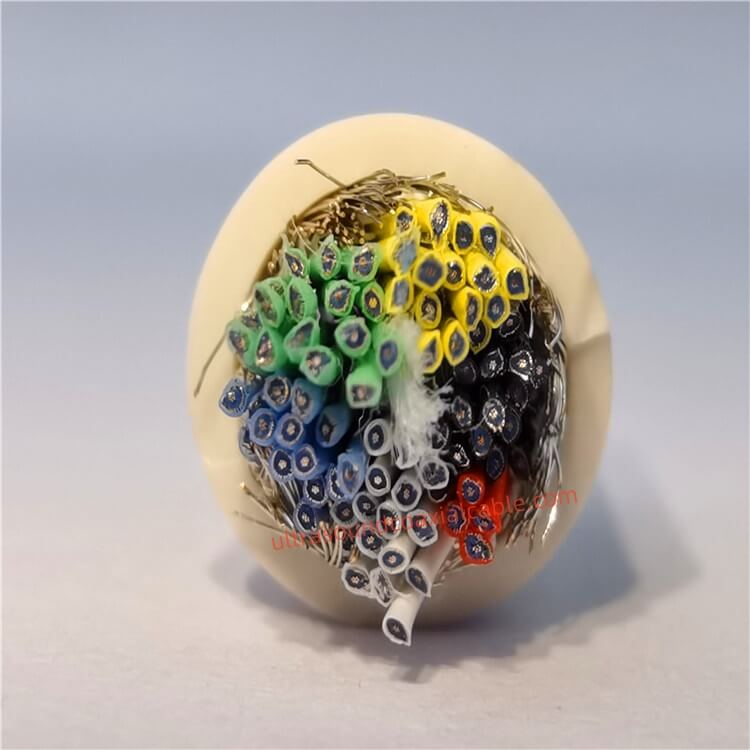
Ultrasound Coaxial Cable|High-Performance Signal Transmission for Precision Applications

Ultrasound Coaxial Cable|High-Performance Signal Transmission for Precision Applications

‌‌Product Overview‌The ‌Ultrasound Coaxial Cable‌ is a specialized cable engineered to deliver ultra-low signal loss, exceptional shielding, and unmatched durability in critical environments. Designed for medical imaging, industrial testi.
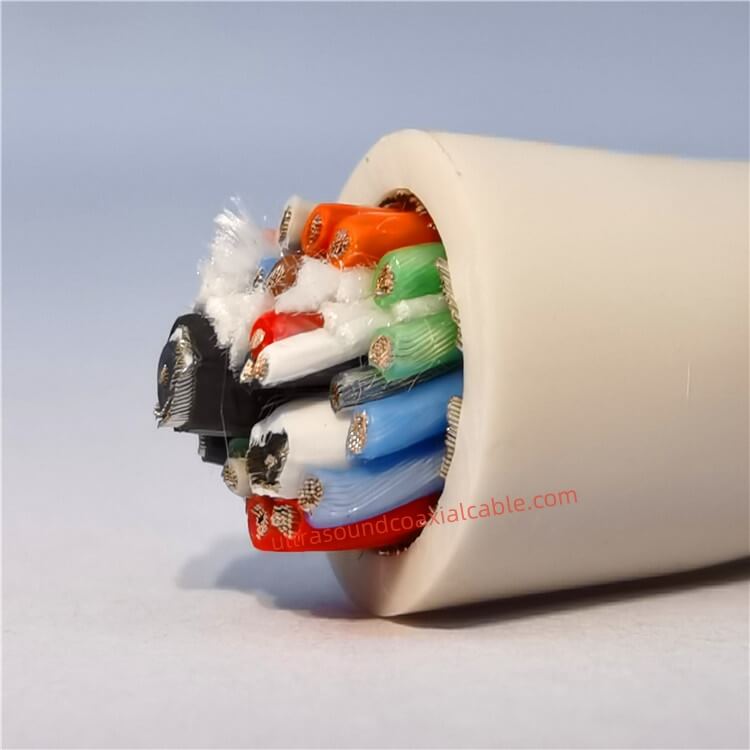
138-Core Medical Ultrasound Probe Coaxial Cable with 0.2mm Diameter – Biocompatible & FDA-Certified

138-Core Medical Ultrasound Probe Coaxial Cable with 0.2mm Diameter – Biocompatible & FDA-Certified

High-Precision 138-Core Medical Ultrasound Coaxial Cables | 0.2mm Ultra-Fine Biocompatible Design for Diagnostic Imaging Product Overview Engineered for advanced medical imaging systems, our 138-Core Medical Ultrasound Probe Coa.
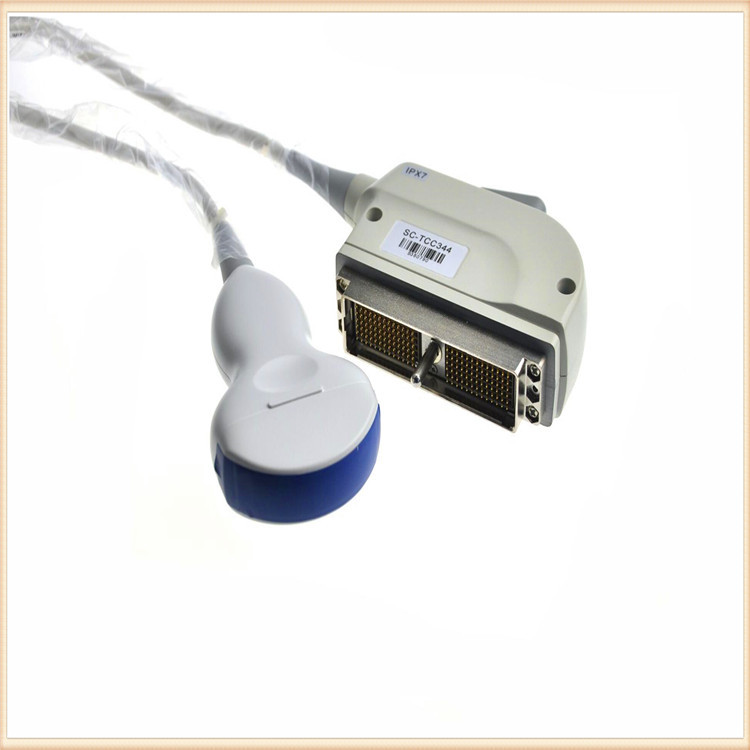
Military-Grade Ultrasound Coaxial Cable – High-Temperature Resistance, 100daN Compression Strength

Military-Grade Ultrasound Coaxial Cable – High-Temperature Resistance, 100daN Compression Strength

High-Performance Military Ultrasound Coaxial Cables: Built for Extreme Conditions Designed to meet the demanding requirements of military, aerospace, and medical applications, our Military-Grade Ultrasound Coaxial Cables deliver except.

Contact Us

Feel free to reach out to us for any inquiries or orders.

Call Us

Have a question? Give us a call!

                   +8618818785005(Whatsapp)

Email Us

Send us an email and we'll get back to you soon.

sales@custom-cable-assemblies.com
       
Home Products Contact