Optimizing Ultrasound Coaxial Cable Routing in Clinical Settings: A Comprehensive Guide Ultrasound imaging is a cornerstone of modern medicine, but… - Professional Ultrasound Coaxial Cable Solutions
Learn more about, latest news, frequently asked questions
Optimizing Ultrasound Coaxial Cable Routing in Clinical Settings: A Comprehensive Guide
Ultrasound imaging is a cornerstone of modern medicine, but its effectiveness hinges on the reliability of the equipment—and that includes the often-overlooked ultrasound coaxial cables. These cables transmit critical signals between probes and machines, and improper handling can lead to signal degradation, image distortion, or even equipment failure. In clinical environments, where precision and hygiene are paramount, proper routing and maintenance of these cables are non-negotiable. Here’s how to ensure your ultrasound coaxial cables perform flawlessly while meeting stringent medical standards.
Ultrasound coaxial cables in clinical settings must withstand repeated sterilization, physical stress, and electromagnetic interference (EMI). Look for cables with:
FRS Advantage: Our FRS-UltraFlex series uses triple-shielded, biocompatible cables certified for MRI compatibility and repeated autoclaving, ensuring durability without compromising signal integrity.
Poor cable routing can cause kinks, wear, or accidental disconnections. Adhere to these guidelines:
FRS Tip: Install FRS-CableTrak routing channels in imaging suites. These channels protect cables from foot traffic and equipment movement while maintaining a clean, professional aesthetic.
Connectors are vulnerable to contamination and physical damage. Best practices include:
FRS Solution: Our FRS-Gen4 Connectors feature reinforced stainless steel housings and snap-lock designs, rated for 5,000+ mating cycles—ideal for high-traffic clinical environments.
Ultrasound cables in surgical or emergency settings must endure rigorous sterilization. Key considerations:
FRS Innovation: The FRS-SteriShield line is EtO- and autoclave-certified, with color-coded strain relief indicators to signal over-stress before failure.
Even the best cables fail without proper use. Invest in training covering:
FRS Support: We offer FRS Academy, a suite of interactive training modules with AR simulations to demonstrate correct routing and handling techniques.
In a field where reliability saves lives, FRS engineering prioritizes:
Final Thoughts
Properly routed ultrasound coaxial cables are the unsung heroes of clinical diagnostics. By choosing FRS cables—engineered for durability, hygiene, and performance—you’re not just investing in equipment; you’re safeguarding patient outcomes. Whether in neonatal ICUs or bustling emergency rooms, FRS delivers cables that keep pace with your team’s expertise.
Ready to elevate your imaging setup? Explore FRS-UltraFlex and FRS-Gen4 Connectors today—where precision meets reliability.
Discover our most popular furniture pieces that are loved by customers worldwide.

Ultra-Flexible 42AWG Medical-Grade Coaxial Cables for High-Precision Ultrasound Imaging Designed for demanding medical imaging applications, our Ultra-Flexible 42AWG Coaxial Cables deliver exceptional signal integrity, noise reduction,.
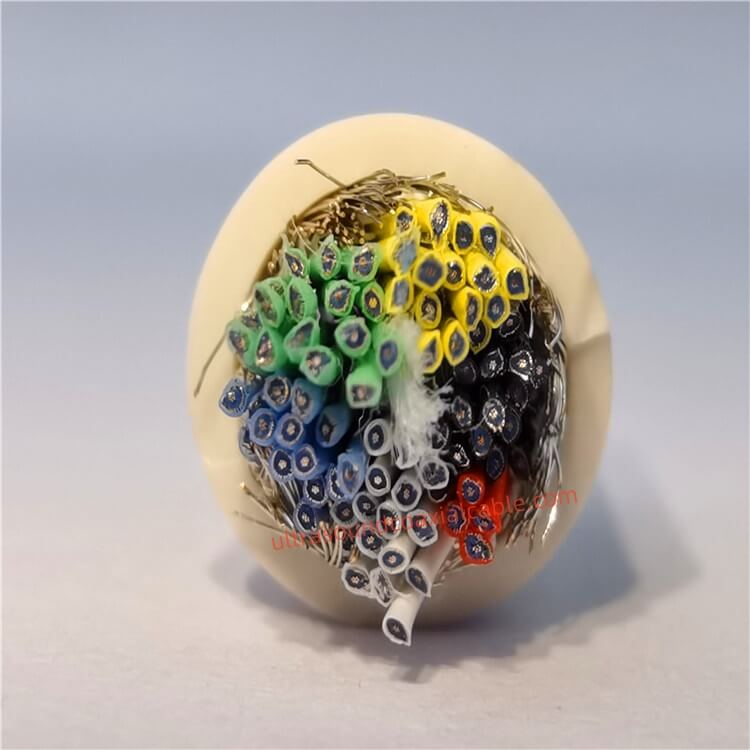
Product OverviewThe Ultrasound Coaxial Cable is a specialized cable engineered to deliver ultra-low signal loss, exceptional shielding, and unmatched durability in critical environments. Designed for medical imaging, industrial testi.
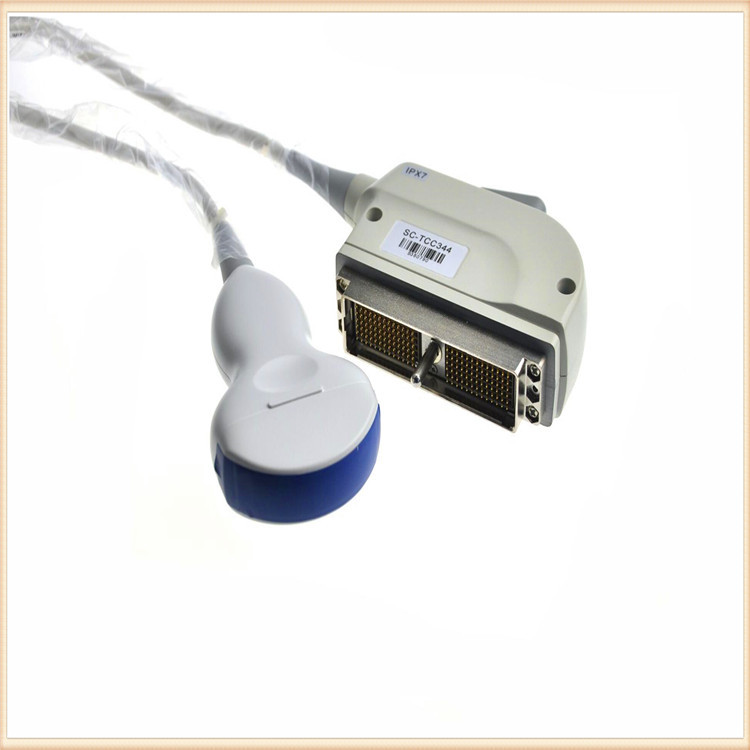
High-Performance Military Ultrasound Coaxial Cables: Built for Extreme Conditions Designed to meet the demanding requirements of military, aerospace, and medical applications, our Military-Grade Ultrasound Coaxial Cables deliver except.
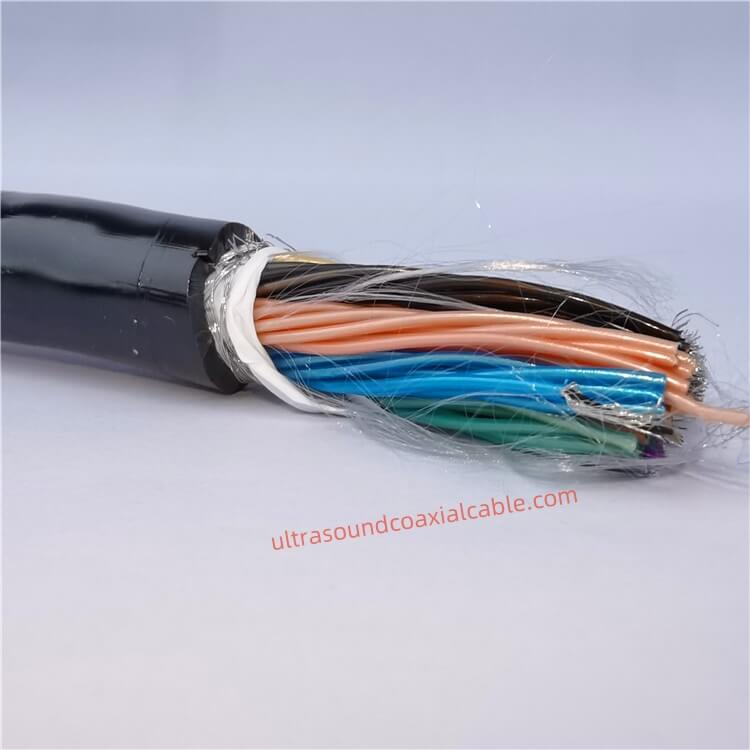
High-Performance Ultrasound Coaxial Cable Assembly: 42AWG to 30AWG, 6.6mm OD, 18GHz Bandwidth Engineered for precision in medical imaging and industrial applications, this customizable coaxial cable assembly delivers exceptional signal.
Feel free to reach out to us for any inquiries or orders.